
GameStop Corp.’s fiscal year 2019 annual report details a period of significant financial contraction and strategic restructuring as the company navigated the end of a console hardware cycle and an industry-wide shift toward digital distribution. Operating 5,509 stores globally, the company faced intense competition from online retailers and mass merchants, resulting in a 22% decline in net sales to $6.47 billion and a net loss of $464.4 million. This downturn was compounded by substantial asset impairments, including a $363.9 million goodwill write-down that effectively eliminated all remaining goodwill from the balance sheet.
To address these headwinds, management initiated the GameStop Reboot transformation strategy, prioritizing balance sheet flexibility and debt reduction. Key tactical shifts included the divestiture of non-core business units like Spring Mobile, the elimination of the quarterly dividend, and an aggressive share repurchase program. Despite these efforts, the company remained constrained by restrictive debt covenants and a heavy reliance on a concentrated vendor base, with Sony, Microsoft, and Nintendo accounting for a majority of product procurement.
The report also highlights the operational impact of evolving accounting standards, specifically the adoption of ASC 842, which necessitated the recognition of significant operating lease assets and liabilities. By the close of the fiscal year, the company faced mounting uncertainty due to the onset of the COVID-19 pandemic, which forced temporary store closures and disrupted global supply chains. While management successfully remediated previous material weaknesses in internal controls and maintained liquidity through a $420 million revolving credit facility, the firm remains highly sensitive to macroeconomic volatility, shifting consumer preferences, and the ongoing transition toward digital-only gaming models.
GameStop · 2026

GameStop · 2026
GameStop · 2025

GameStop · 2025

GameStop · 2025

GameStop · 2025

GameStop · 2024

GameStop · 2024

GameStop · 2023

GameStop · 2022

GameStop · 2022

GameStop · 2021

App Annie · 2021

Mistplay

Almedia · 2026
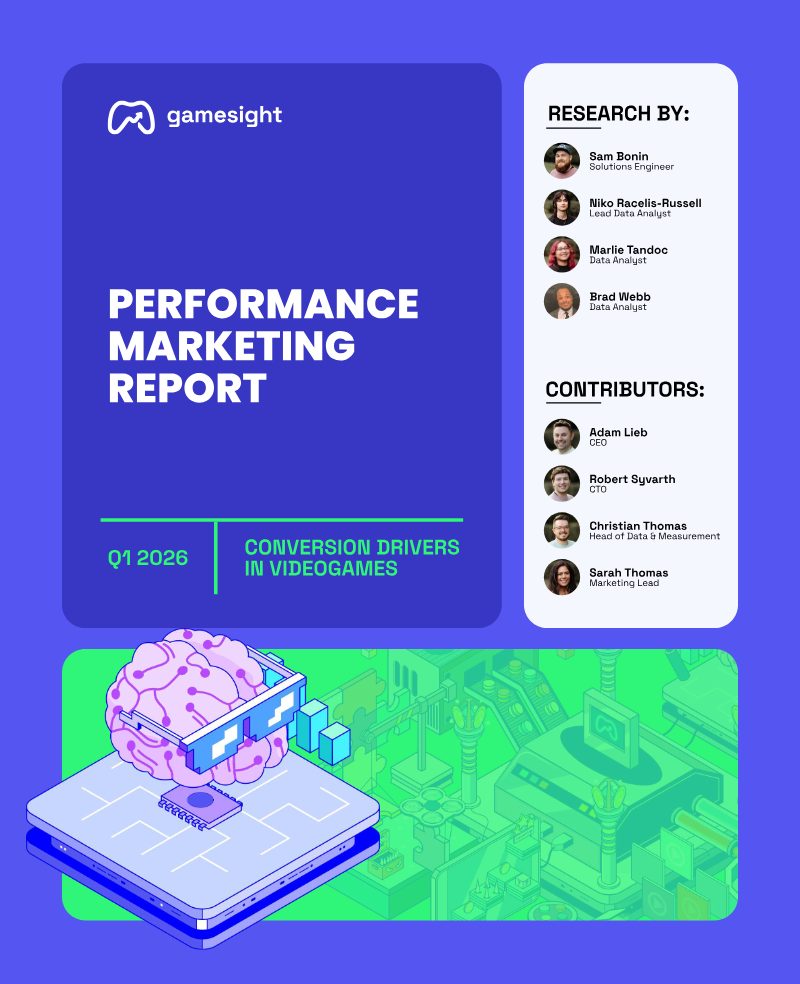
Gamesight · 2026
Sensor Tower · 2026

Sensor Tower · 2026

AppLovin · 2026

Sensor Tower · 2026

Newzoo · 2026
Modern Times Group · 2026

InvestGame · 2026
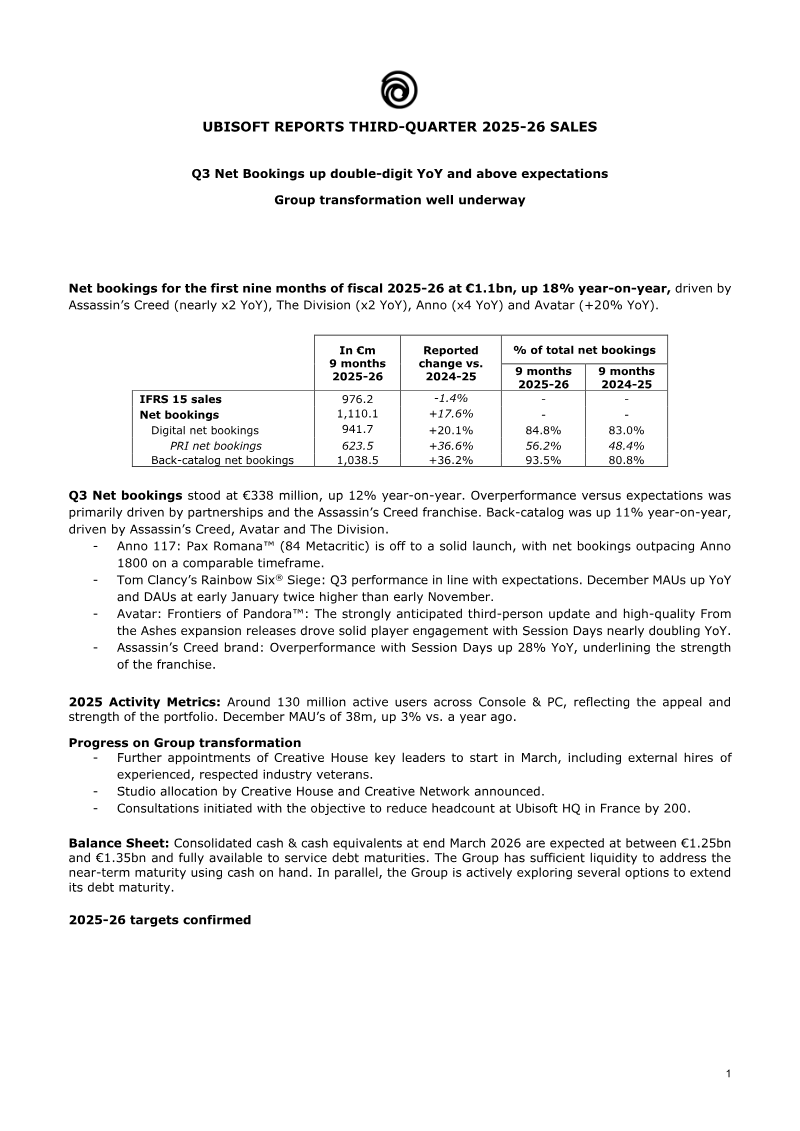
Ubisoft · 2026