GameStop’s financial performance for the first quarter of 2023, ending April 29, reflects a strategic pivot toward operational efficiency and cost containment. While the company experienced a 10.3% year-over-year decline in net sales, falling to $1.24 billion from $1.38 billion, this contraction was largely offset by aggressive expense management. By reducing selling, general, and administrative expenses by 23.6%, the organization successfully narrowed its net loss to $50.5 million, a substantial improvement compared to the $157.9 million loss reported during the same period in 2022.
The revenue decline was primarily driven by a reduction in software title launches alongside weakened performance in the pre-owned and collectibles segments. Furthermore, the company’s digital asset strategy has shifted, as evidenced by the liquidation of IMX tokens and the acknowledgment that its NFT marketplace currently generates immaterial revenue. To further streamline operations, management is actively evaluating the divestiture of European warehouse properties, signaling a broader effort to optimize the asset portfolio and improve long-term capital allocation.
Despite the ongoing revenue headwinds, the company maintains a robust liquidity position, holding $1.31 billion in cash, cash equivalents, and marketable securities as of the quarter's end. This financial cushion, supplemented by $436.2 million in available borrowing capacity, provides stability as the firm undergoes significant leadership changes. Following the departure of CEO Matthew Furlong, Ryan Cohen has assumed the role of Executive Chairman, and Mark Robinson has been appointed as General Manager. These transitions, coupled with a marked reduction in cash outflows from operating activities, underscore a commitment to achieving sustained profitability through disciplined cost control and structural reorganization.
GameStop · 2026
GameStop · 2026
GameStop · 2025

GameStop · 2025
GameStop · 2025
GameStop · 2025
GameStop · 2024
GameStop · 2024
GameStop · 2022
GameStop · 2022

GameStop · 2021

GameStop · 2021
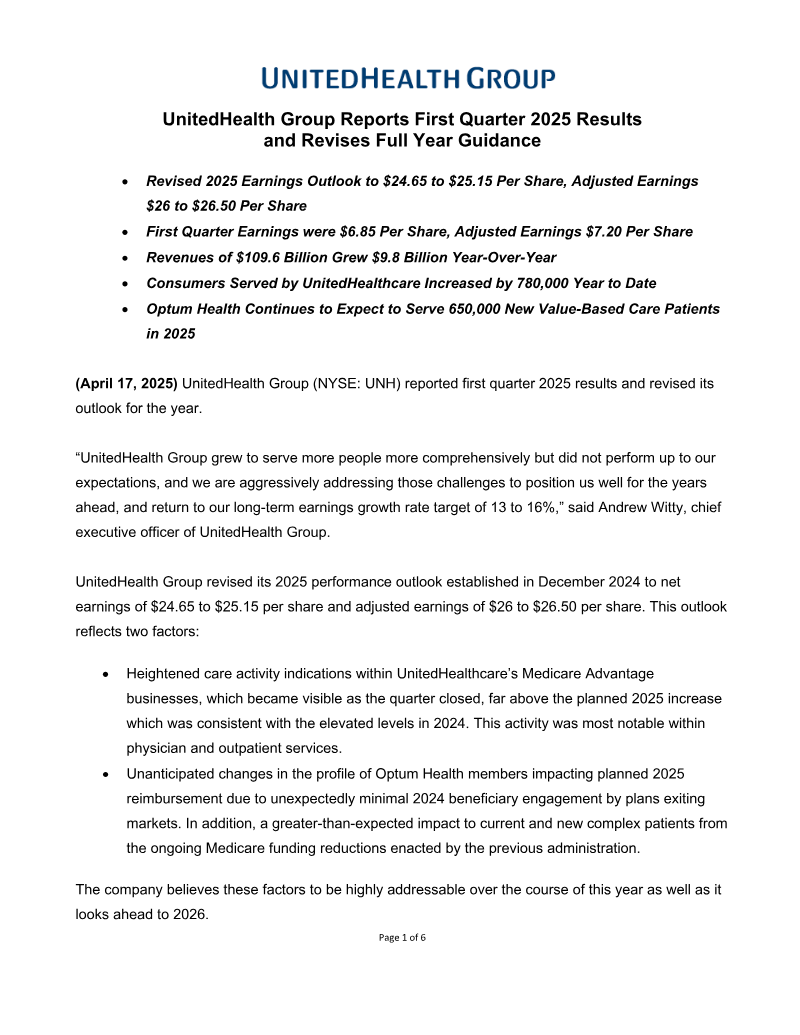
UnitedHealth Group
Ubisoft · 2026
Sony Group Corporation · 2026
Enthusiast Gaming Holdings · 2026
Drake Star Partners · 2026

Aream & Co · 2026
Capcom · 2026

Modern Times Group · 2026
Bandai Namco · 2026
Aream & Co · 2026
Take-Two Interactive · 2026
Take-Two Interactive · 2026