GameStop’s financial performance for the third quarter of 2024 reflects a period of significant structural transition, characterized by a sharp contraction in core retail revenue offset by a robust expansion of the company’s cash reserves. Net sales for the quarter fell to $860.3 million, representing a 20.2% year-over-year decline, with broad-based weakness across hardware, software, and collectibles segments. Despite these operational headwinds and an operating loss of $33.4 million, the company successfully improved its gross profit margin to 29.9% through disciplined inventory management and a strategic pivot toward higher-margin product categories.
The company’s primary financial strategy centers on aggressive liquidity management and cost optimization. Through the execution of at-the-market equity offerings, GameStop raised approximately $3.45 billion in net proceeds during the first nine months of the year, culminating in a strong balance sheet position with $4.6 billion in cash and marketable securities as of November 2, 2024. This capital infusion provides the firm with substantial flexibility for general corporate purposes and potential future investments, overseen by a newly established internal Investment Committee.
Operational restructuring remains a key priority as the company seeks to mitigate ongoing losses. Management has initiated a strategic withdrawal from international markets, specifically divesting Italian operations and winding down the German business, which incurred $8.6 million in impairment charges. Furthermore, the company is conducting a comprehensive review of its remaining store portfolio, signaling a potential for further closures to streamline operations. While the company maintains effective internal controls and stable accounting practices, the ongoing decline in traditional retail sales necessitates this shift toward a leaner, more capital-efficient business model to ensure long-term viability.
GameStop · 2026
GameStop · 2026
GameStop · 2025

GameStop · 2025

GameStop · 2025

GameStop · 2025

GameStop · 2024
GameStop · 2023

GameStop · 2022
GameStop · 2022

GameStop · 2021

GameStop · 2021
UnitedHealth Group

Ubisoft · 2026
Sony Group Corporation · 2026

Enthusiast Gaming Holdings · 2026
Drake Star Partners · 2026

Aream & Co · 2026
Capcom · 2026

Modern Times Group · 2026
Bandai Namco · 2026
Aream & Co · 2026
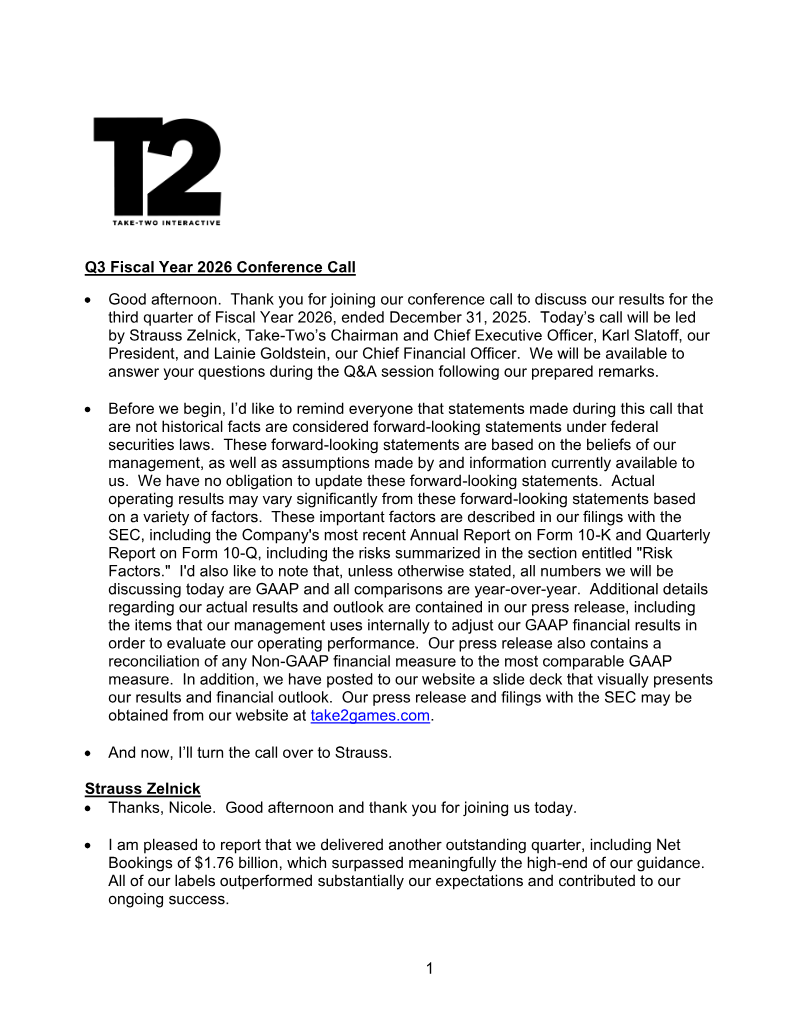
Take-Two Interactive · 2026
Take-Two Interactive · 2026