
GameStop Corp.’s financial performance for the second quarter of 2021 reflects a period of aggressive capital restructuring and strategic transition. The company successfully bolstered its liquidity, ending the quarter with $1.72 billion in cash and cash equivalents, a substantial increase from the $735.1 million held in the prior-year period. This financial fortification was primarily achieved through equity offerings that generated $1.67 billion in net proceeds, which facilitated the voluntary early redemption of $216.4 million in outstanding 2023 Senior Notes. While the company reported a net loss of $128.4 million for the first half of the year, this represents a marked improvement over the $277.0 million loss recorded during the same period in 2020.
Operational results for the quarter indicate a 25.6% year-over-year increase in net sales, totaling $1.18 billion. This growth was largely fueled by new console launches, increased store traffic, and robust demand for hardware, accessories, and collectibles. Despite these gains, the company faces significant headwinds as it attempts to pivot from a traditional brick-and-mortar retailer toward a technology-focused e-commerce entity. This transition is complicated by a broader industry shift toward digital game downloads, which threatens the company’s traditional business model, alongside ongoing supply chain disruptions and the lingering operational impacts of the COVID-19 pandemic.
The company’s long-term outlook remains subject to several material risks, including extreme volatility in its Class A Common Stock, an active SEC investigation into trading activity, and the challenges of managing a global store footprint amidst intense retail competition. Furthermore, the company must navigate potential regulatory hurdles, cybersecurity threats, and the need to maintain effective internal controls during a period of significant management turnover. While the current liquidity position provides a buffer for growth initiatives, the company’s future success depends on its ability to execute its digital transformation while mitigating risks associated with vendor dependencies, logistical constraints, and the cyclical nature of the gaming industry.
GameStop · 2026

GameStop · 2026
GameStop · 2025

GameStop · 2025

GameStop · 2025
GameStop · 2025

GameStop · 2024

GameStop · 2024

GameStop · 2023

GameStop · 2022

GameStop · 2022

GameStop · 2021
PitchBook · 2026
Skillz · 2024
UnitedHealth Group
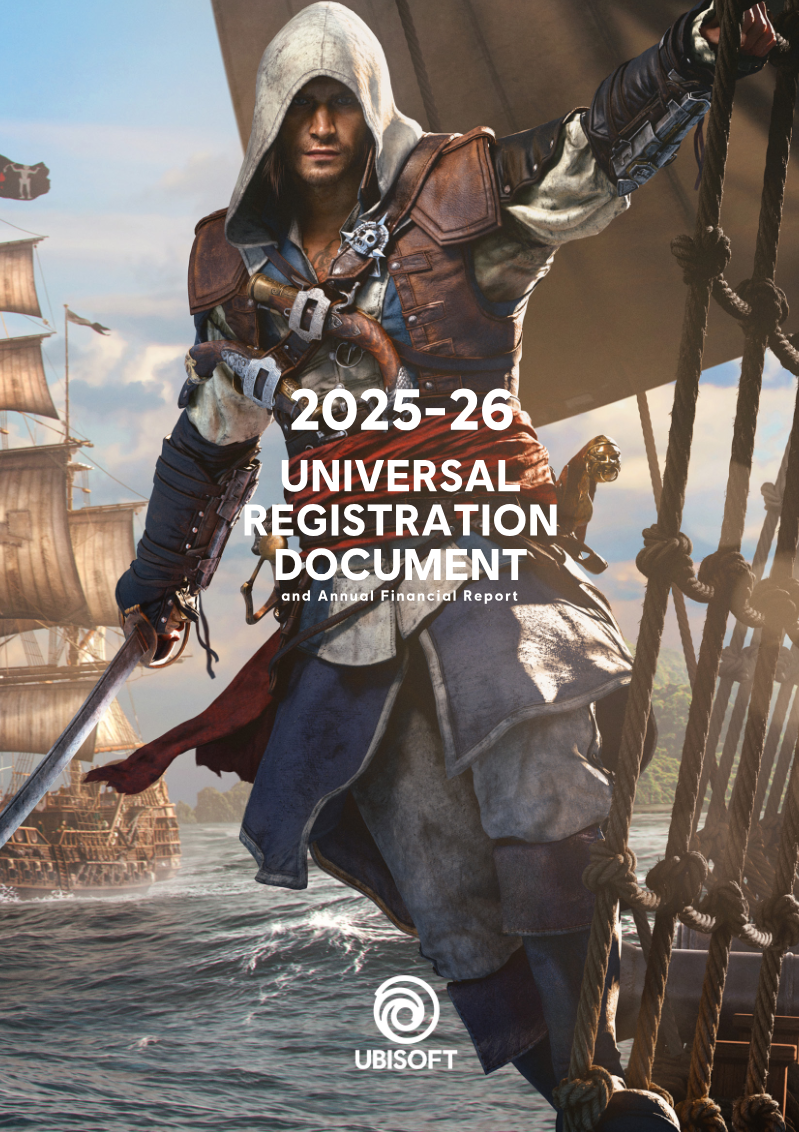
Ubisoft · 2026
Capcom · 2026
Capcom Co. · 2026
Pearl Abyss · 2026
Capcom · 2026
Sony Group Corporation · 2026
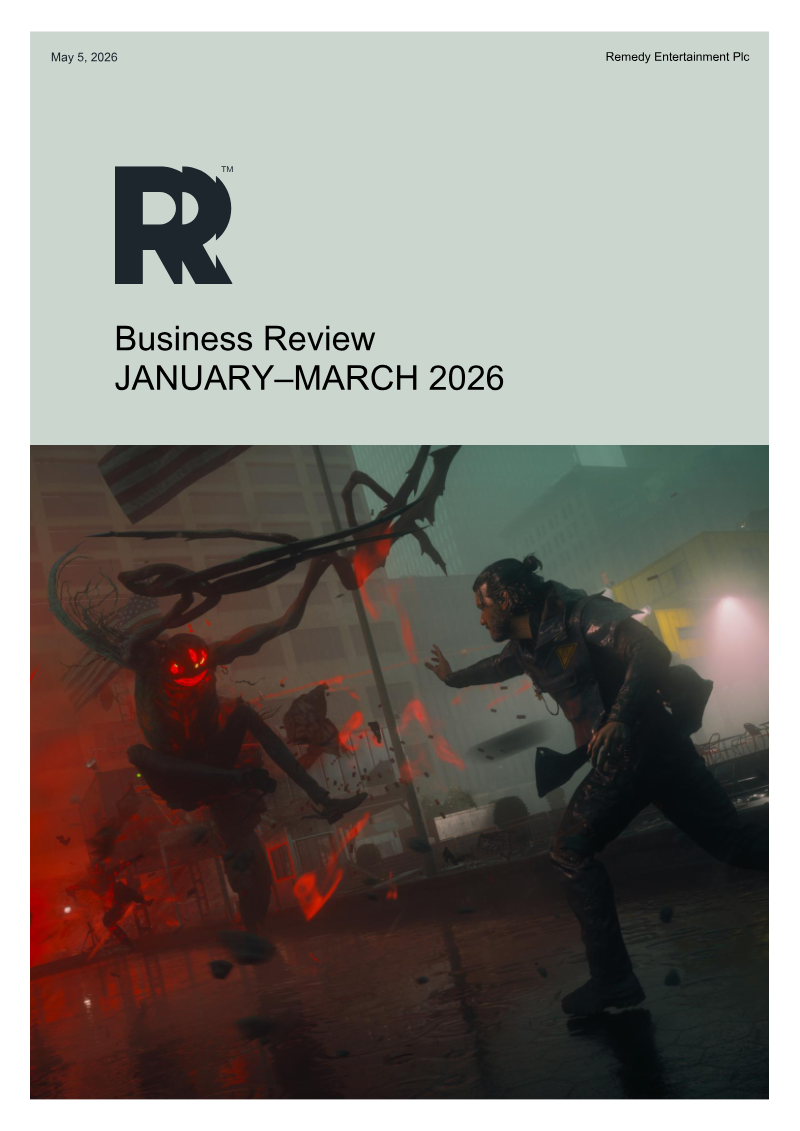
Remedy Entertainment · 2026

Giant Network Group · 2026

Archosaur Games · 2026