
GameStop Corp. concluded fiscal year 2023 by successfully pivoting toward profitability, marking a significant recovery from the substantial losses incurred in the previous year. The company’s primary strategic objective centers on achieving long-term financial stability through rigorous cost optimization, the consolidation of its global retail footprint, and the refinement of its omnichannel business model. By closing 287 stores and exiting operations in Ireland, Switzerland, and Austria, the firm reduced selling, general, and administrative expenses by $357.1 million, ultimately achieving a net income of $6.7 million despite an 11% decline in total net sales to $5.27 billion.
The company operates 4,169 stores across four geographic segments, maintaining a focus on hardware, software, and collectibles. While the firm ended the year with a robust liquidity position of approximately $1.2 billion in cash and marketable securities, it faces persistent industry headwinds. The shift toward digital game distribution, intense market competition, and a heavy reliance on fourth-quarter holiday sales—which accounted for 34% of annual revenue—remain critical operational risks. Furthermore, the company has discontinued its digital asset wallet and NFT marketplace initiatives, citing immaterial revenue contributions, and has implemented internal cost-saving measures such as the suspension of employer matching contributions for U.S. associates.
Financial oversight remains a priority, with auditors identifying the valuation of excess and obsolete inventory as a critical audit matter. The company continues to navigate complex regulatory environments, including global tax compliance and cybersecurity threats, while managing stock price volatility driven by external market factors. As of February 2024, the firm maintains a stable balance sheet with no dividends declared, prioritizing capital allocation through a newly established Investment Committee to ensure sustained operational resilience in an evolving gaming landscape.
GameStop · 2026

GameStop · 2026
GameStop · 2025

GameStop · 2025

GameStop · 2025

GameStop · 2025

GameStop · 2024

GameStop · 2023

GameStop · 2022

GameStop · 2022

GameStop · 2021

GameStop · 2021
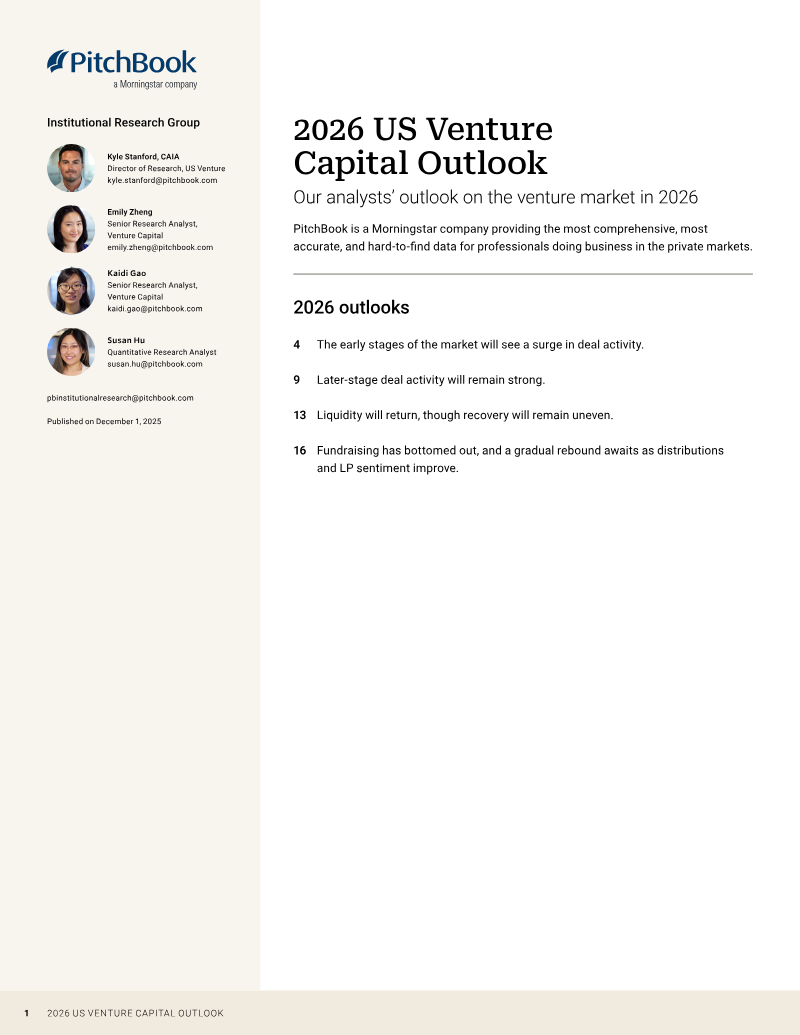
PitchBook · 2026
Skillz · 2024
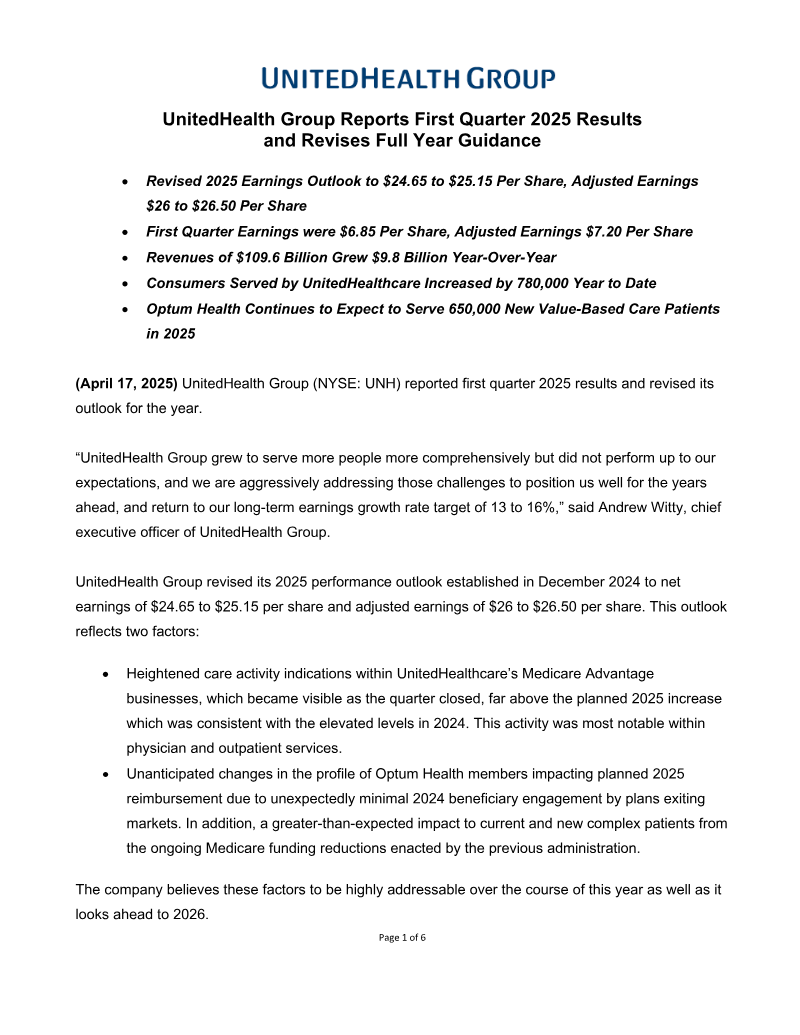
UnitedHealth Group

Ubisoft · 2026
Capcom · 2026
Capcom Co. · 2026
Pearl Abyss · 2026
Capcom · 2026
Sony Group Corporation · 2026
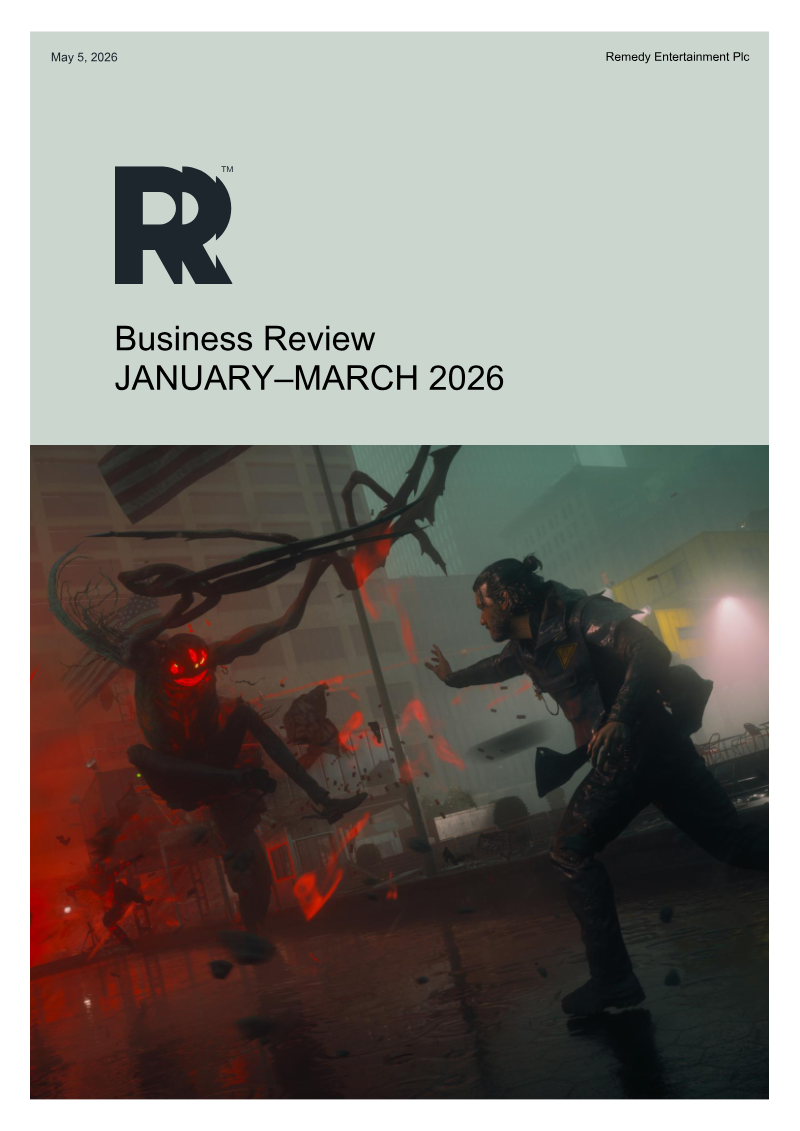
Remedy Entertainment · 2026
Giant Network Group · 2026

Archosaur Games · 2026