1 free read left. Create a free account for unlimited reading + AI research.
Create free accountWhitepaperSerious Games Society
Distilling the key insights…
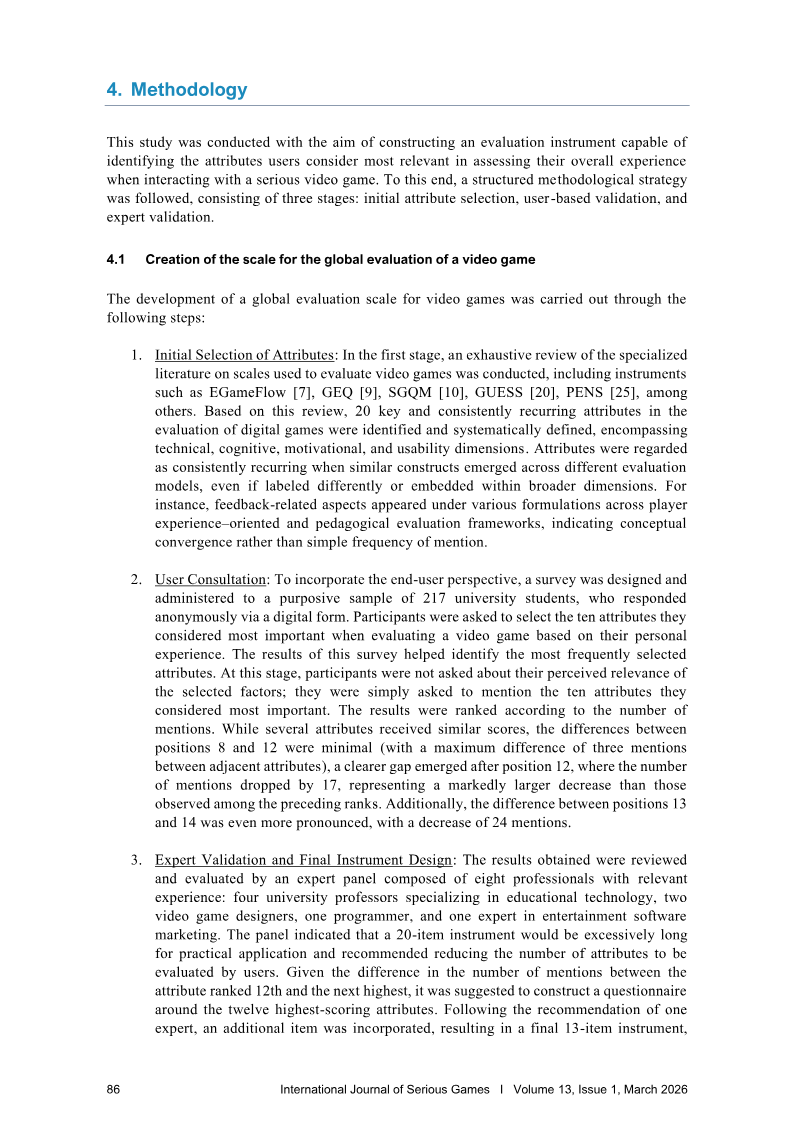
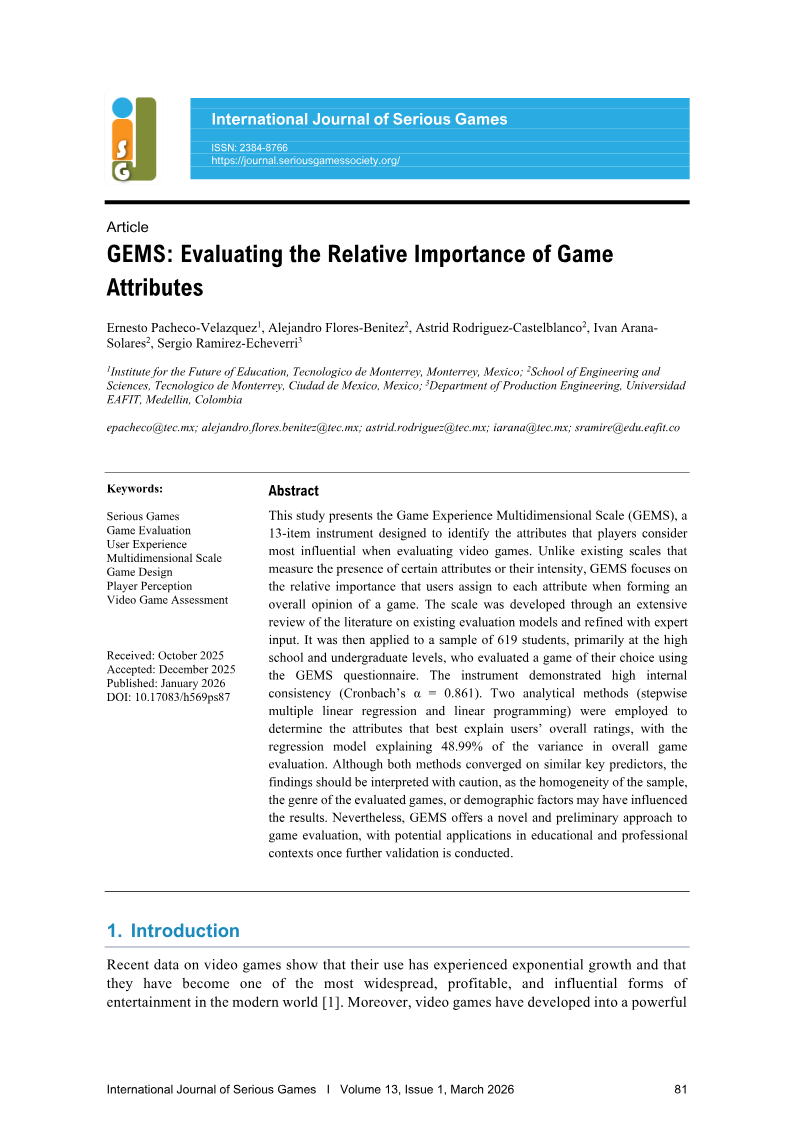
The Game Experience Multidimensional Scale (GEMS) provides a rigorous, evidence-based framework for quantifying the specific attributes that drive player satisfaction in entertainment software. By utilizing a 13-item instrument validated through a sample of 619 participants, the research establishes a reliable methodology for identifying which game features most significantly influence overall user evaluations. The scale demonstrates strong internal consistency, achieving a Cronbach’s alpha of 0.861, and successfully accounts for nearly 49% of the variance in player ratings.
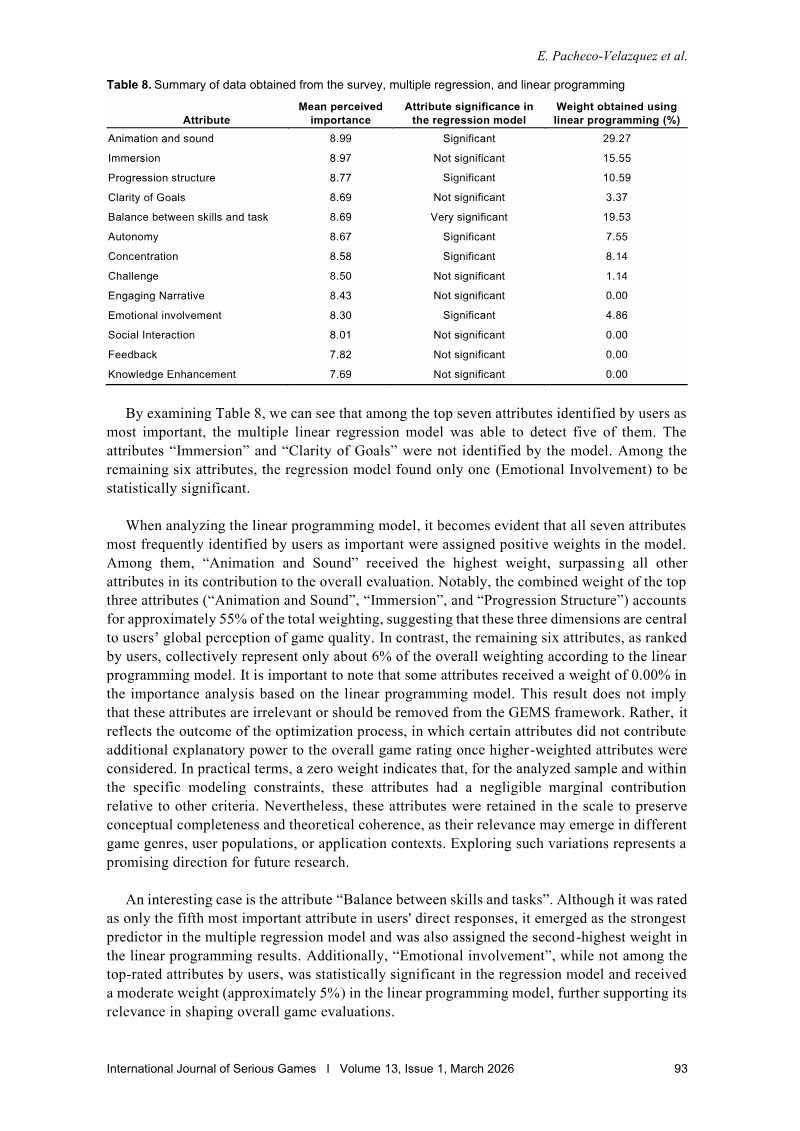
Statistical analysis, employing both multiple linear regression and linear programming, highlights that animation and sound, immersion, skill-task balance, and progression structure serve as the primary predictors of quality. These findings suggest that while aesthetic elements are highly valued, the structural integrity of the gameplay experience—specifically the equilibrium between player ability and task difficulty—remains the most representative factor in shaping user perception. The instrument utilizes a 10-point Likert scale to capture both the perceived importance and the actual performance of these attributes, offering a nuanced view of how individual features contribute to the holistic gaming experience.
While the current scope focuses primarily on entertainment titles, the framework is designed for broader application across diverse industry segments, including educational and professional serious games. Future research is intended to address potential non-linear relationships between variables and to validate the model across more varied demographics and genres. By establishing this standardized, user-driven measurement tool, the study offers a foundational approach for developers and researchers to prioritize game features effectively, ultimately aiming to improve design outcomes in both commercial and specialized serious game contexts.
Serious Games Society · 2026

Serious Games Society · 2026

Serious Games Society · 2026
Serious Games Society · 2026
Serious Games Society · 2026



Serious Games Society · 2026

Serious Games Society · 2026
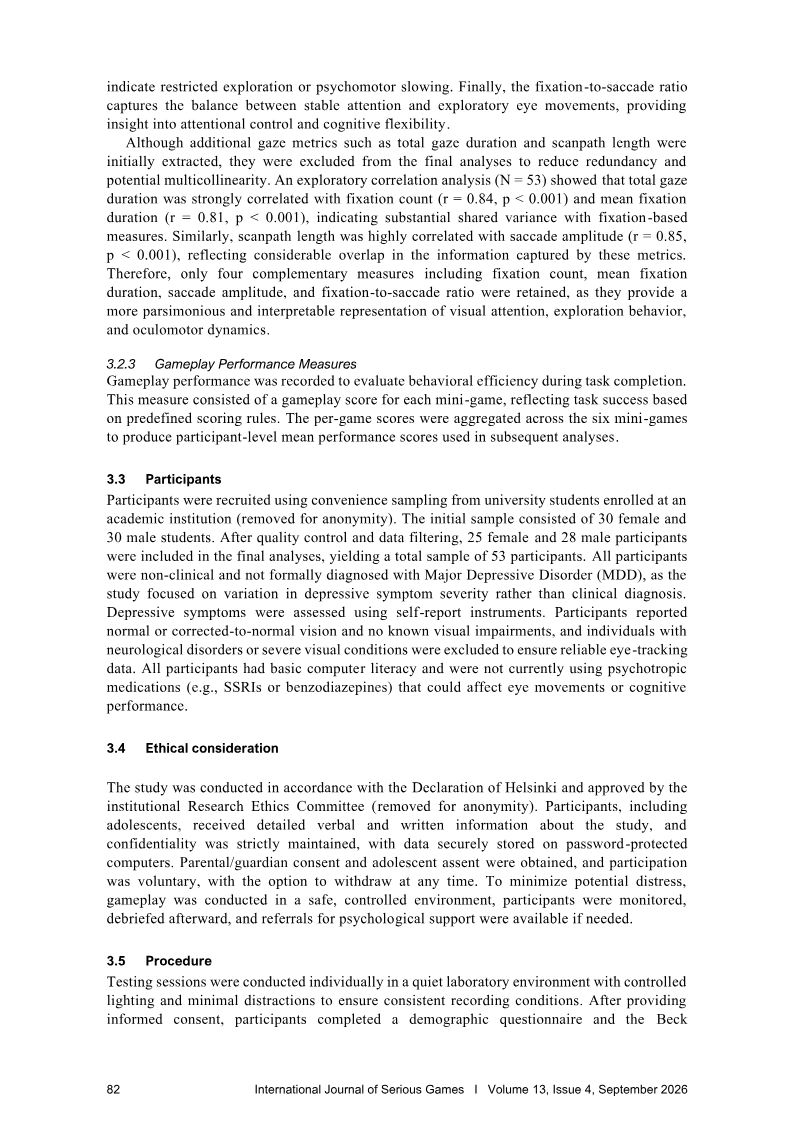
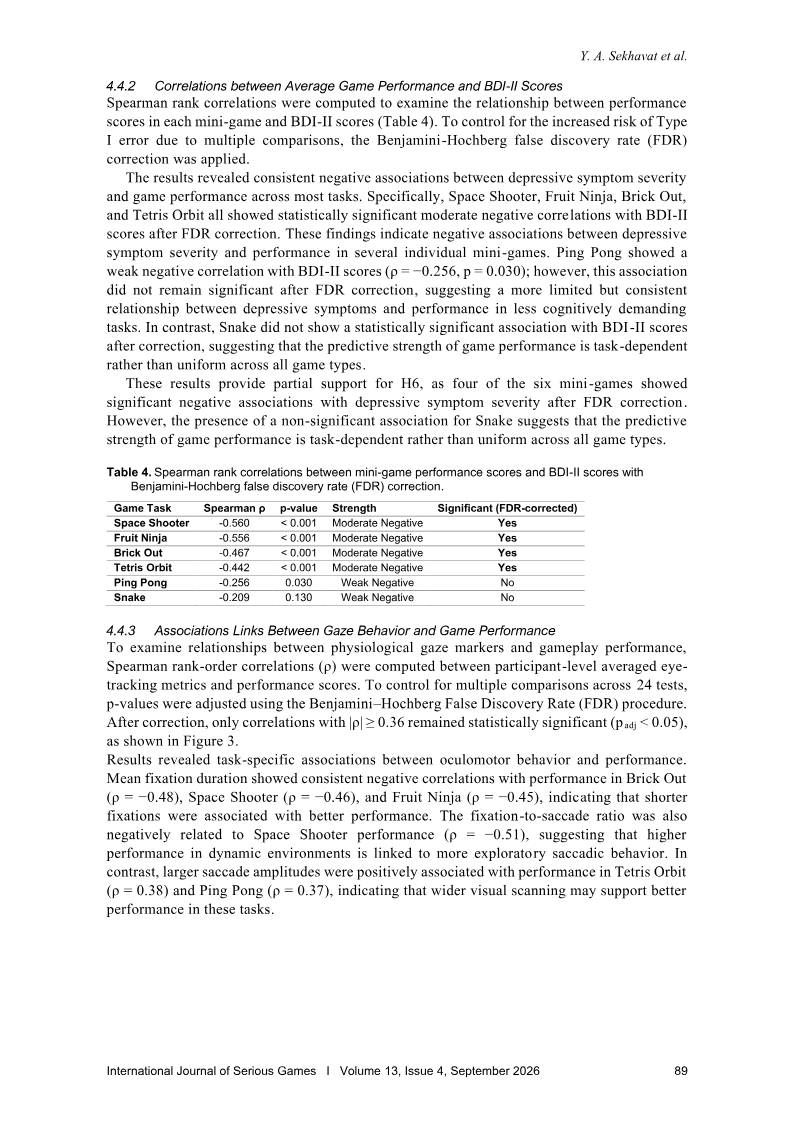
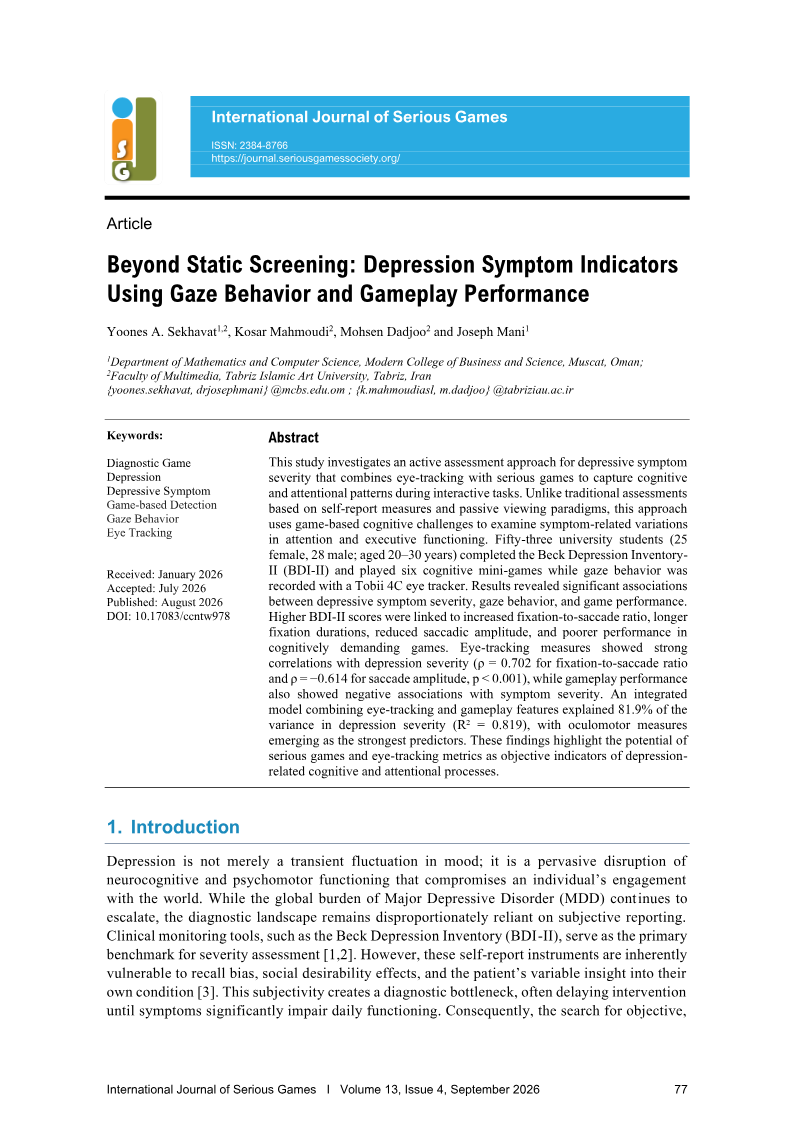
Serious Games Society · 2026
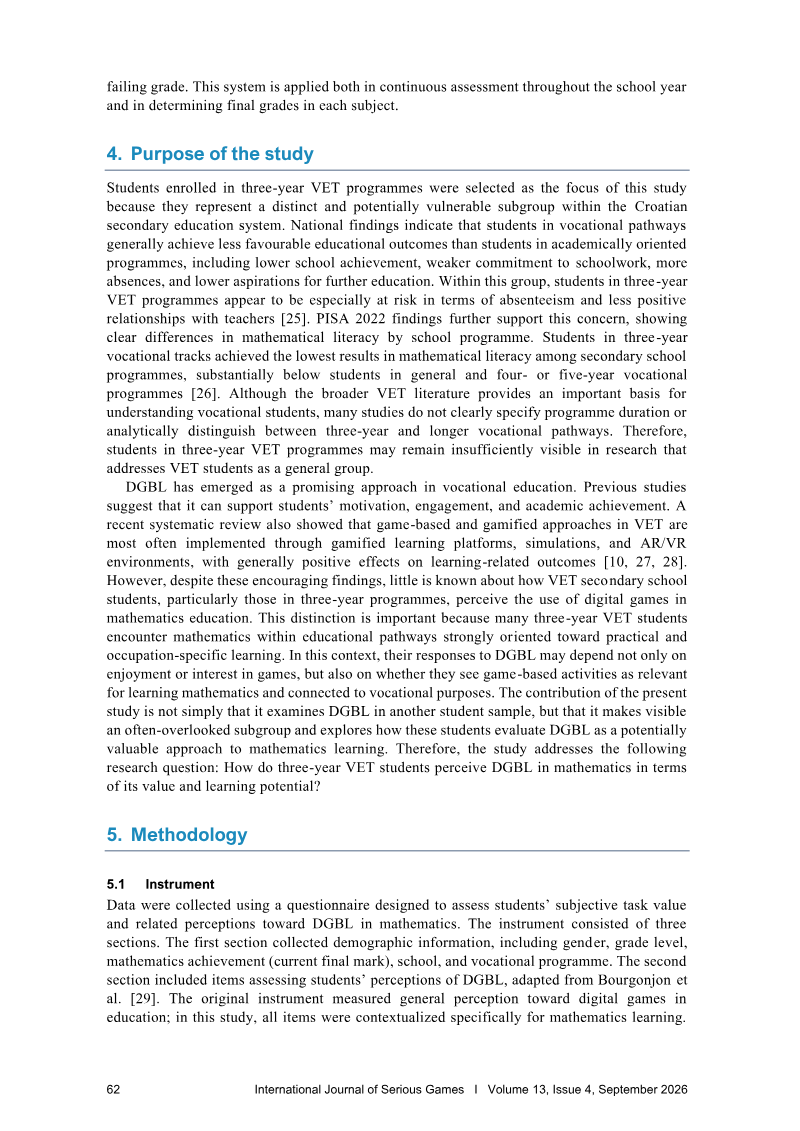
Serious Games Society · 2026

Serious Games Society · 2026
International Journal of Serious Games · 2026
Serious Games Society · 2026
International Journal of Serious Games · 2026












Comments