1 free read left. Create a free account for unlimited reading + AI research.
Create free accountWhitepaper Ludic Language Pedagogy
1 free read left. Create a free account for unlimited reading + AI research.
Create free accountWhitepaperLudic Language Pedagogy
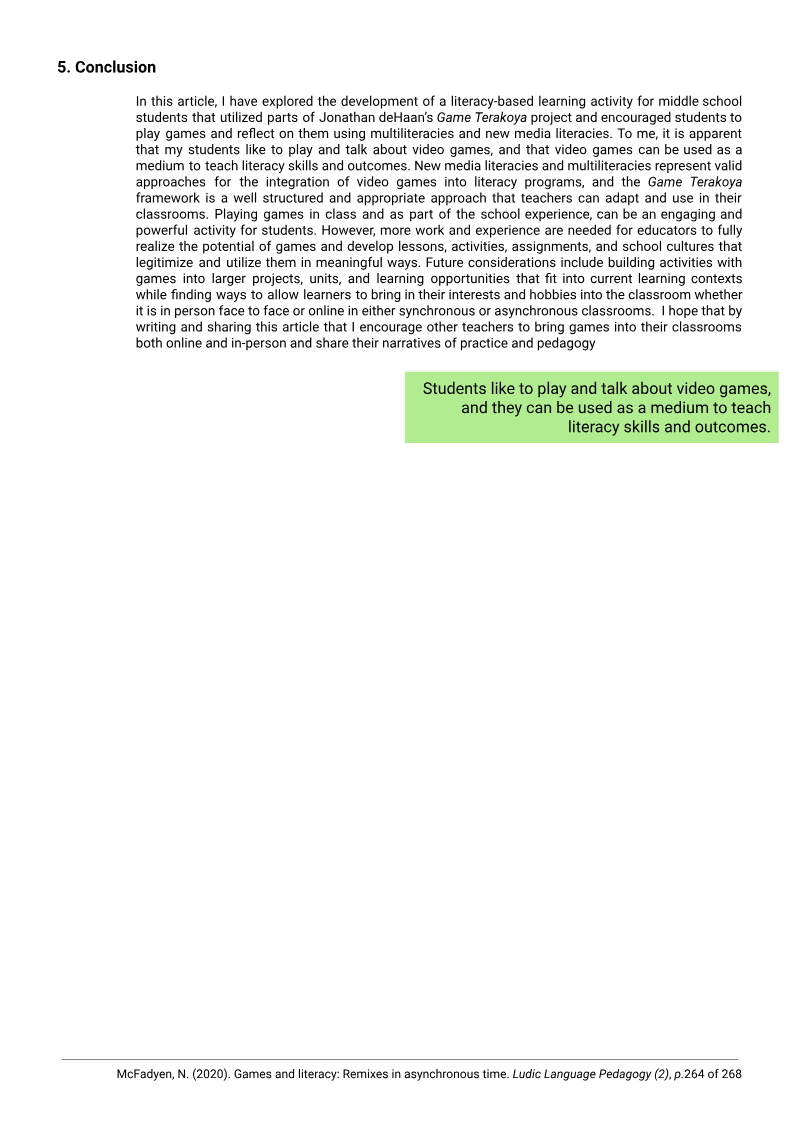
This pedagogical tool transitions middle school students from passive media consumers to active participants. It leverages their gaming habits for academic inquiry.
It's like turning a spectator into a player, giving them a role in the game of learning.
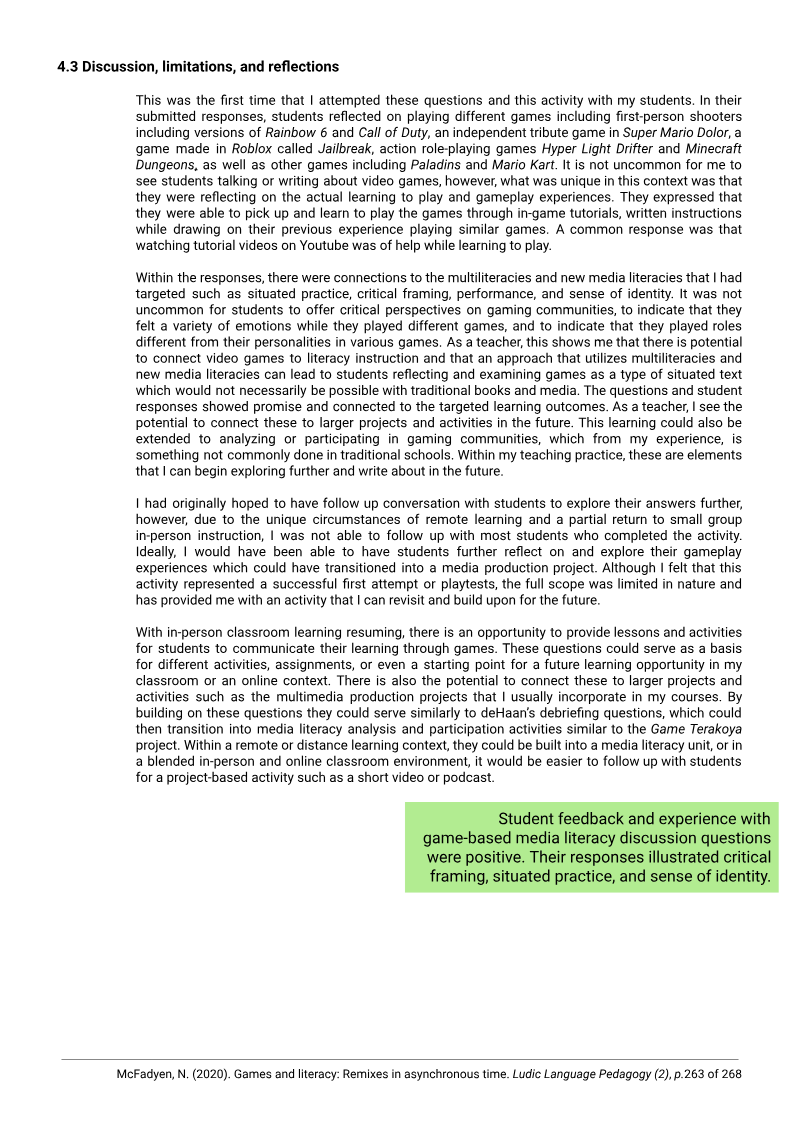
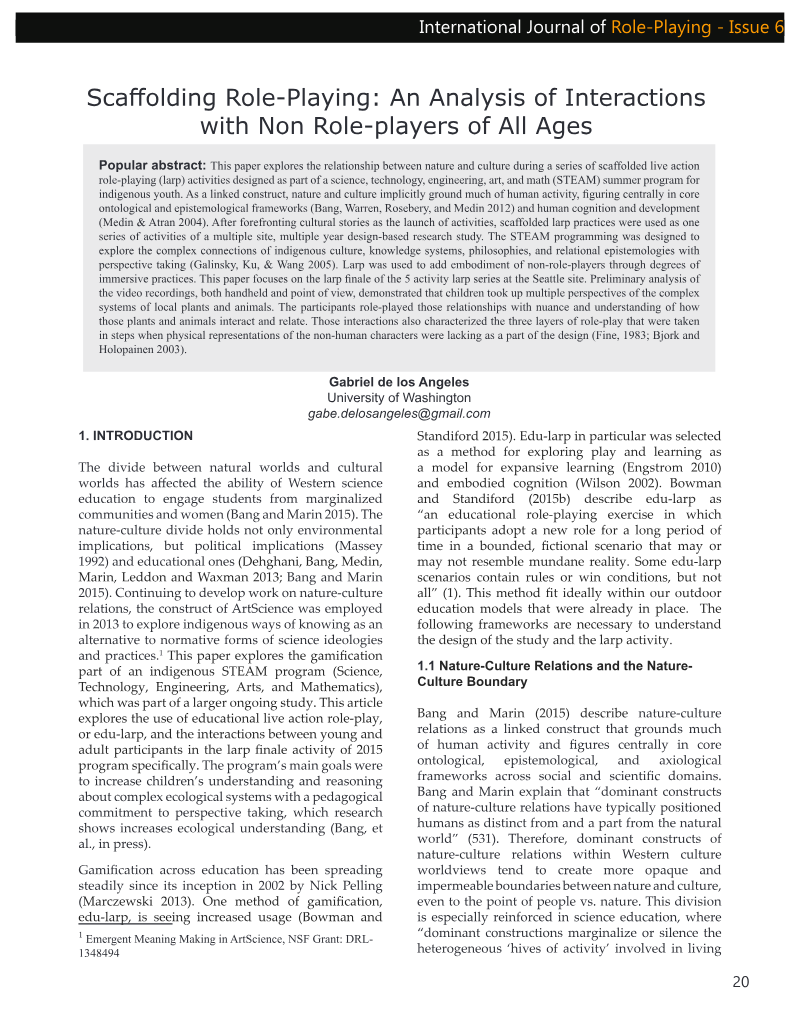
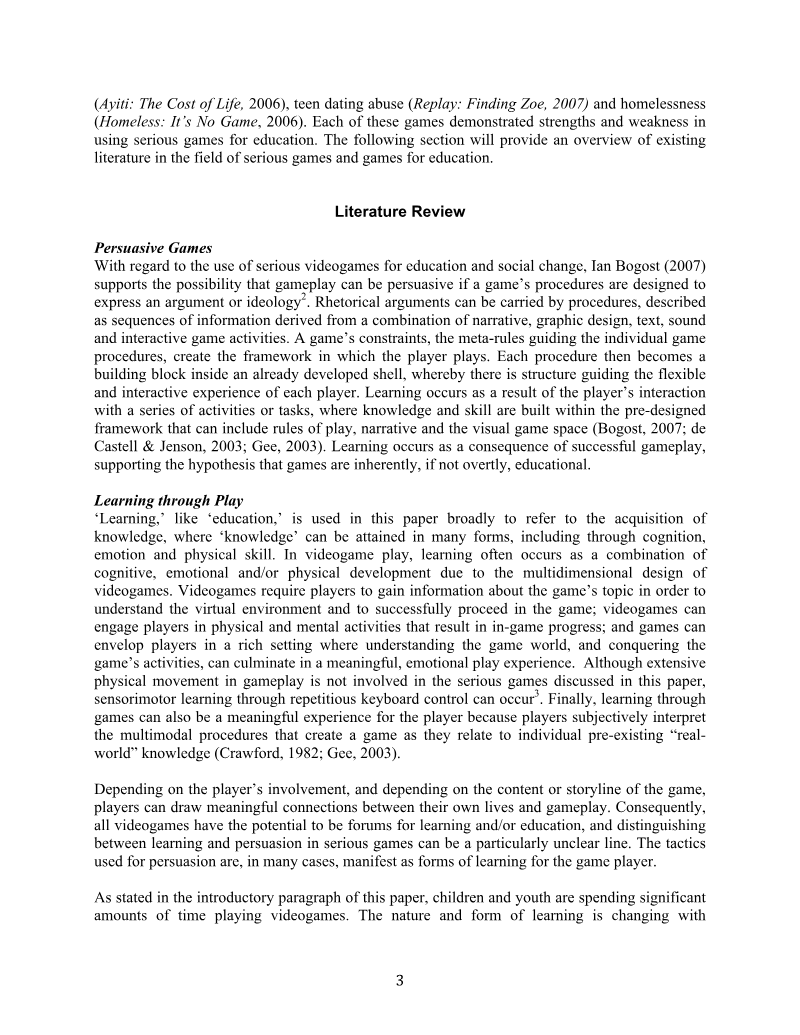
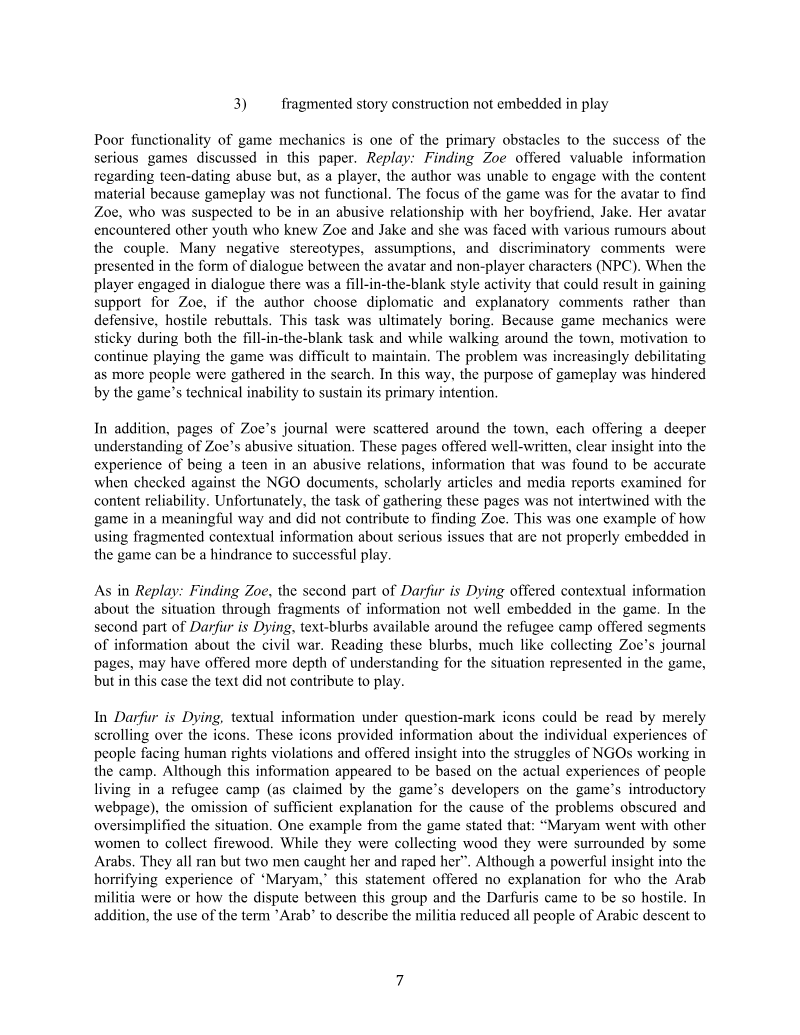
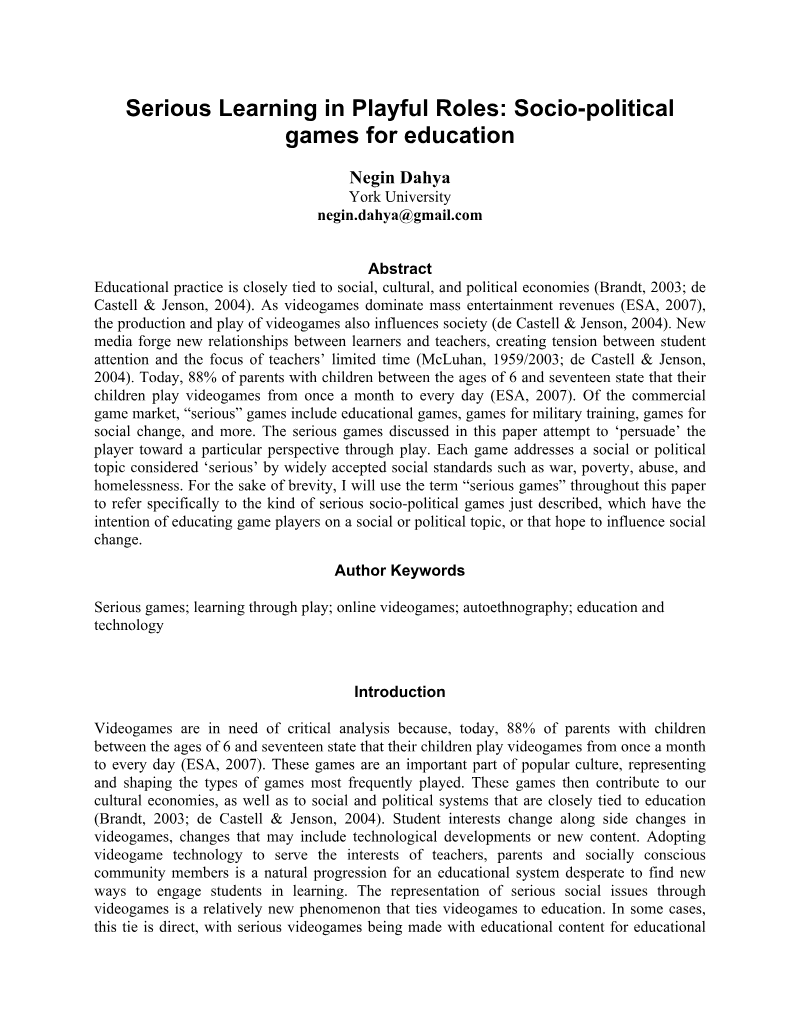
Video games serve as a potent pedagogical tool for fostering media literacy and critical reflection among middle school students. By adapting the Game Terakoya framework for an asynchronous, remote learning environment, educators can bridge the divide between passive media consumption and active, participatory culture. This approach encourages students to treat their gaming habits as legitimate subjects of academic inquiry, facilitating a deeper understanding of identity, language, and complex problem-solving through the lens of digital play.
The implementation of this framework during the 2020 remote learning transition demonstrates that structured, low-stakes reflection effectively promotes metacognitive analysis. Utilizing digital platforms to debrief gaming experiences allows students to articulate their engagement with game mechanics and community discourse, aligning personal interests with provincial curriculum objectives. These findings indicate that when students are prompted to analyze their own interactions with interactive media, they develop the analytical skills necessary to navigate increasingly complex digital landscapes.
While current results highlight the efficacy of individual reflection, the long-term potential of this methodology lies in its scalability toward collaborative media production. Integrating video games into literacy instruction not only validates the cultural relevance of gaming but also provides a robust structure for teaching essential communication and critical thinking skills. Future educational strategies should prioritize expanding these reflective exercises into larger, project-based initiatives that leverage the participatory nature of gaming to enhance student engagement and literacy outcomes across diverse learning environments.
Ludic Language Pedagogy · 2026
Ludic Language Pedagogy · 2026
Ludic Language Pedagogy · 2026
Ludic Language Pedagogy · 2026
Ludic Language Pedagogy · 2026
Ludic Language Pedagogy · 2026
Ludic Language Pedagogy · 2026
Ludic Language Pedagogy · 2026
Ludic Language Pedagogy · 2026
Ludic Language Pedagogy · 2026
Ludic Language Pedagogy · 2026



Ludic Language Pedagogy · 2026
Ludic Language Pedagogy · 2020