1 free read left. Create a free account for unlimited reading + AI research.
Create free accountWhitepaper Ludic Language Pedagogy
1 free read left. Create a free account for unlimited reading + AI research.
Create free accountWhitepaperLudic Language Pedagogy
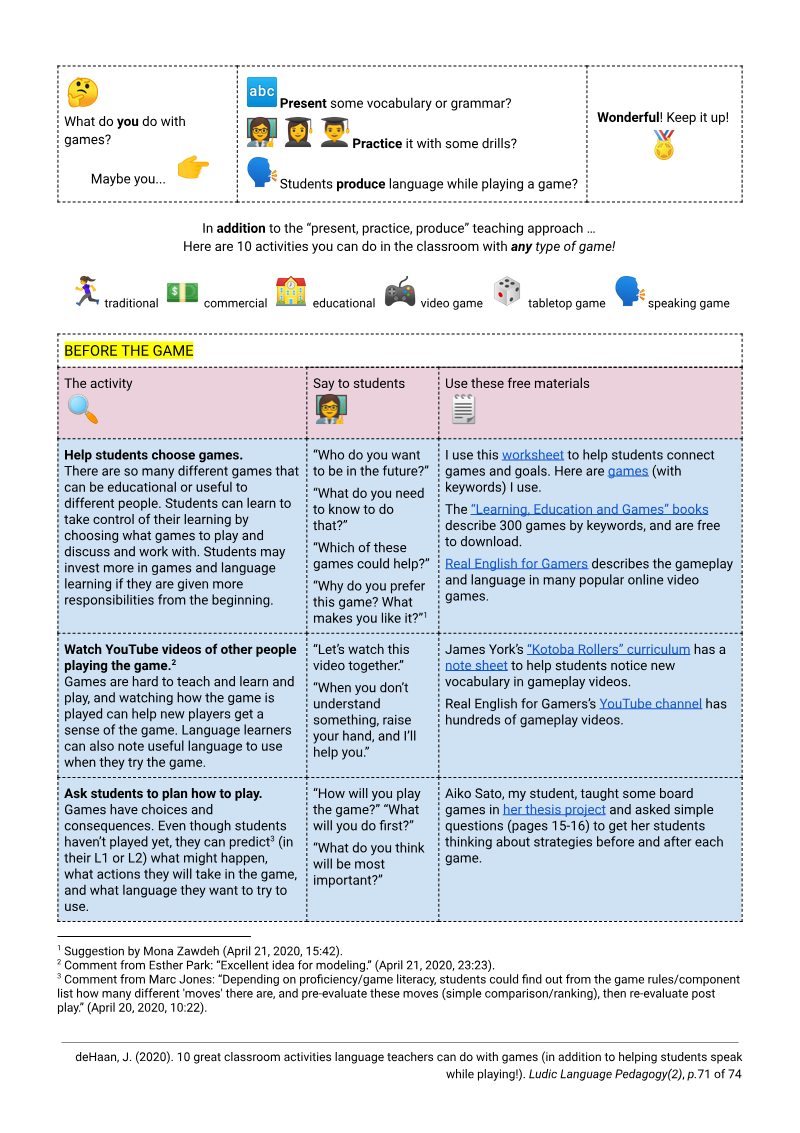
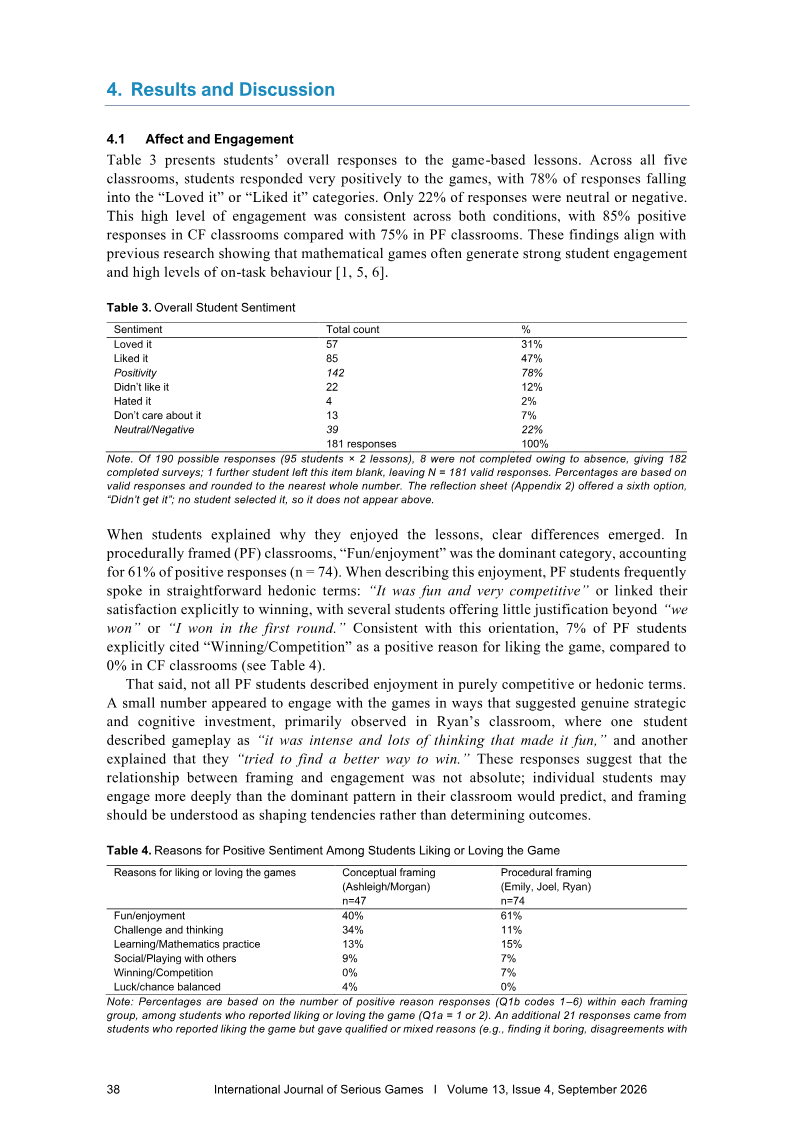
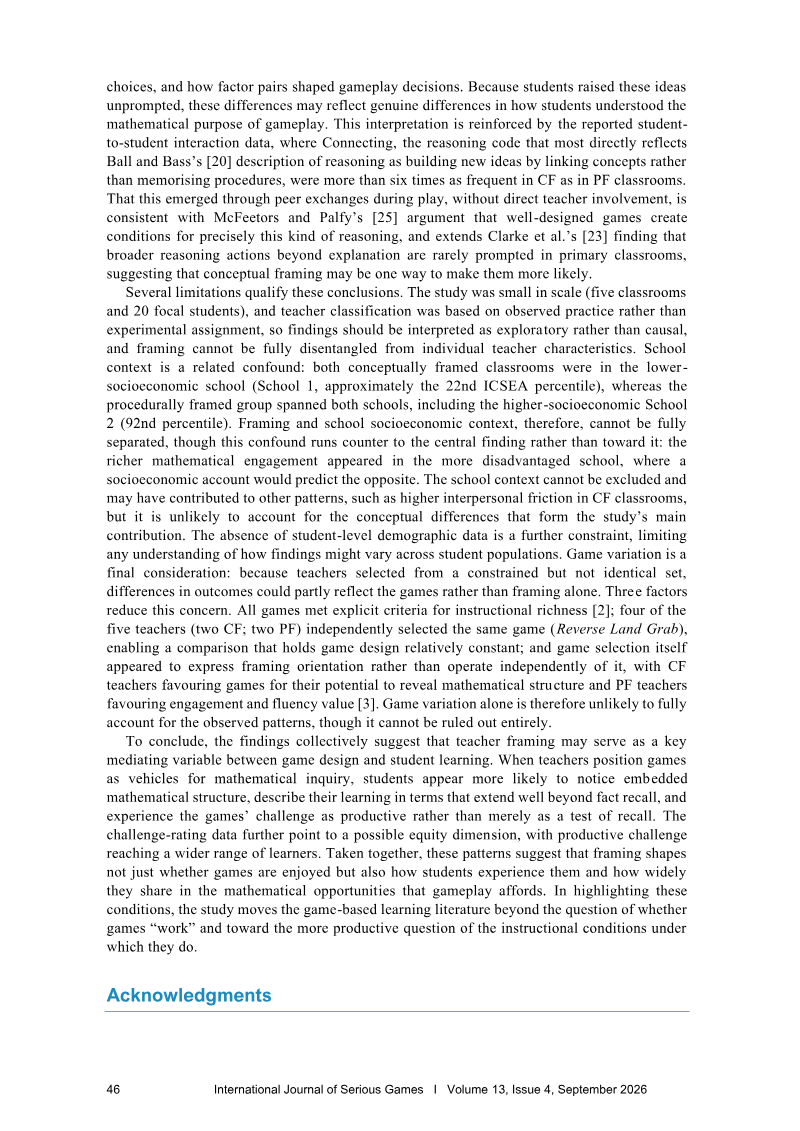
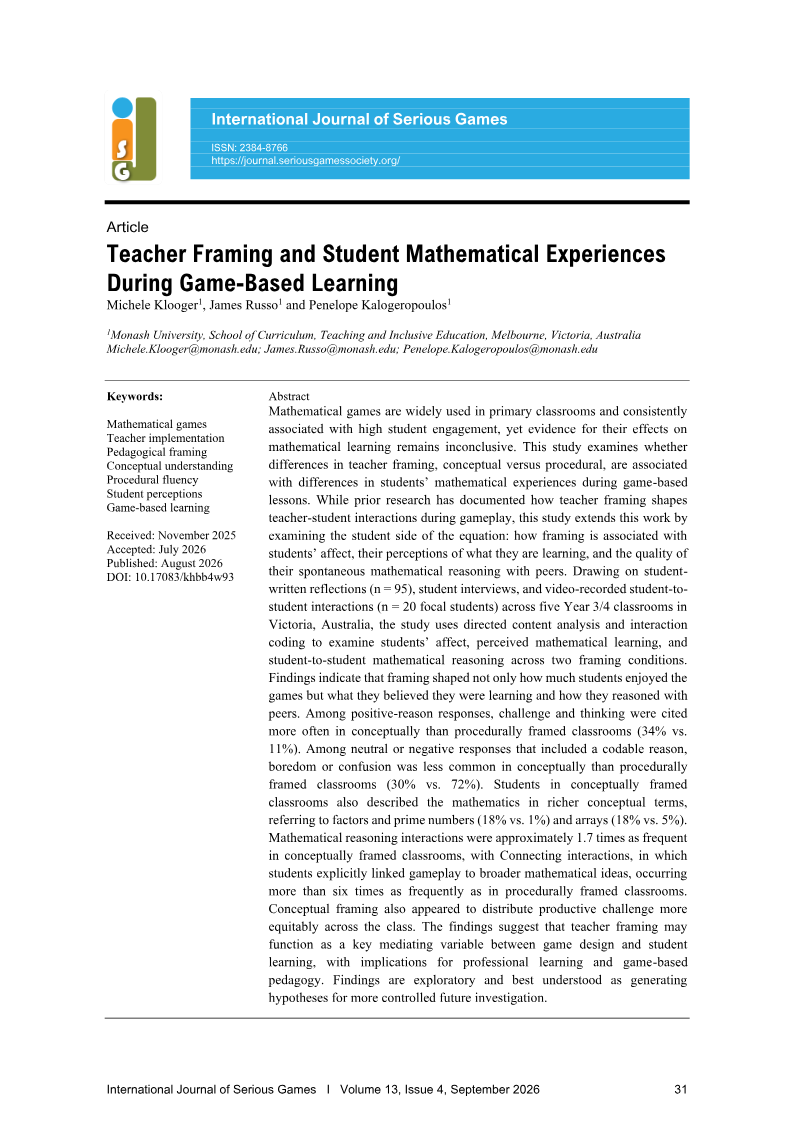
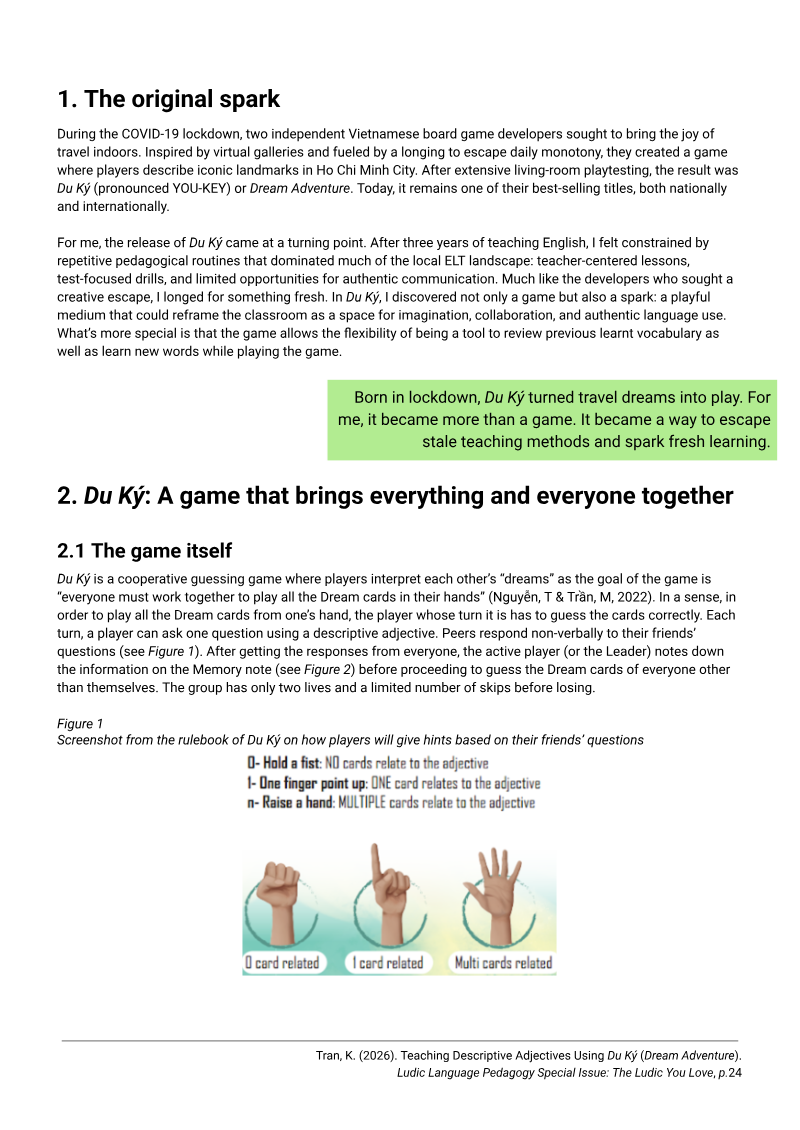
Games, including video, board, and traditional tabletop games, can facilitate deeper language acquisition and critical thinking when paired with structured activities.
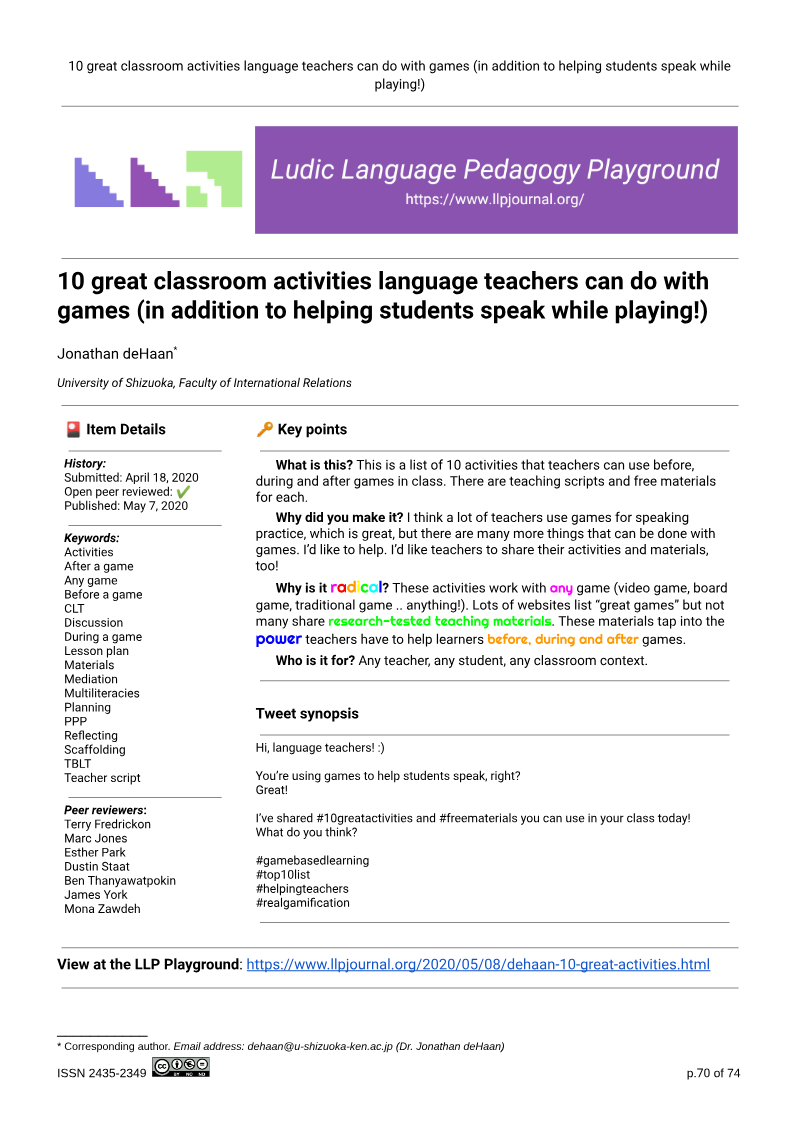
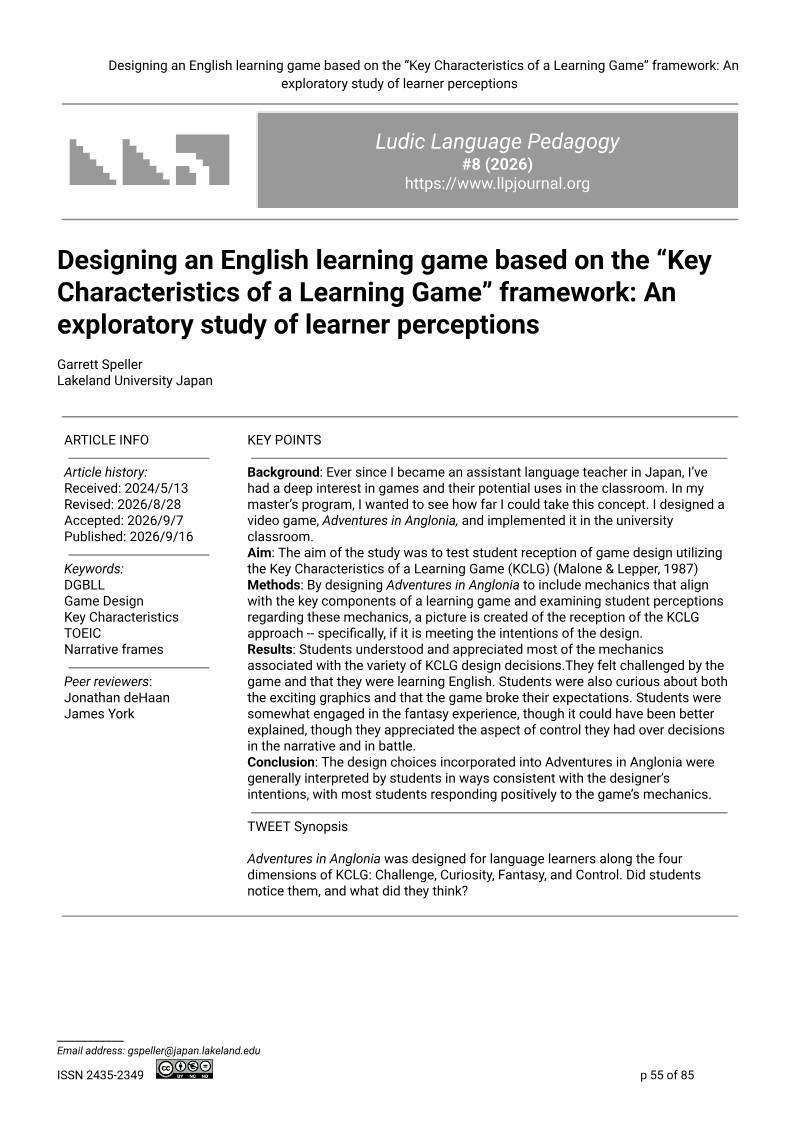
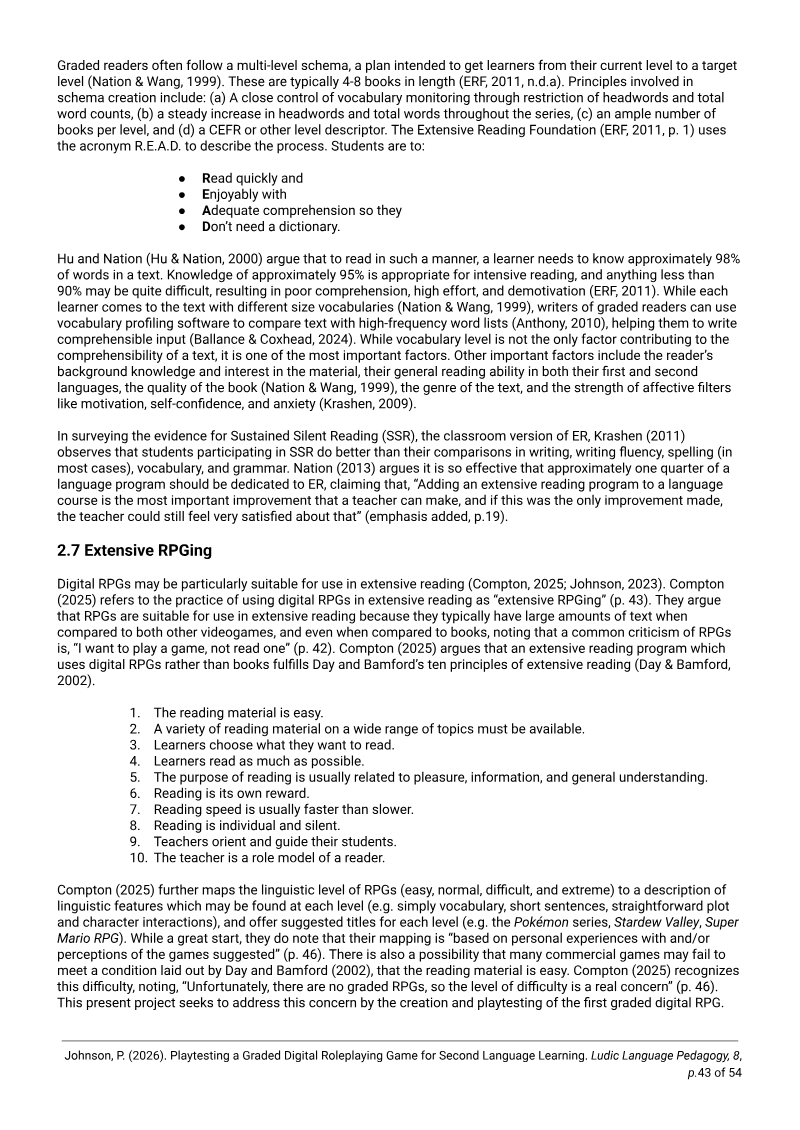
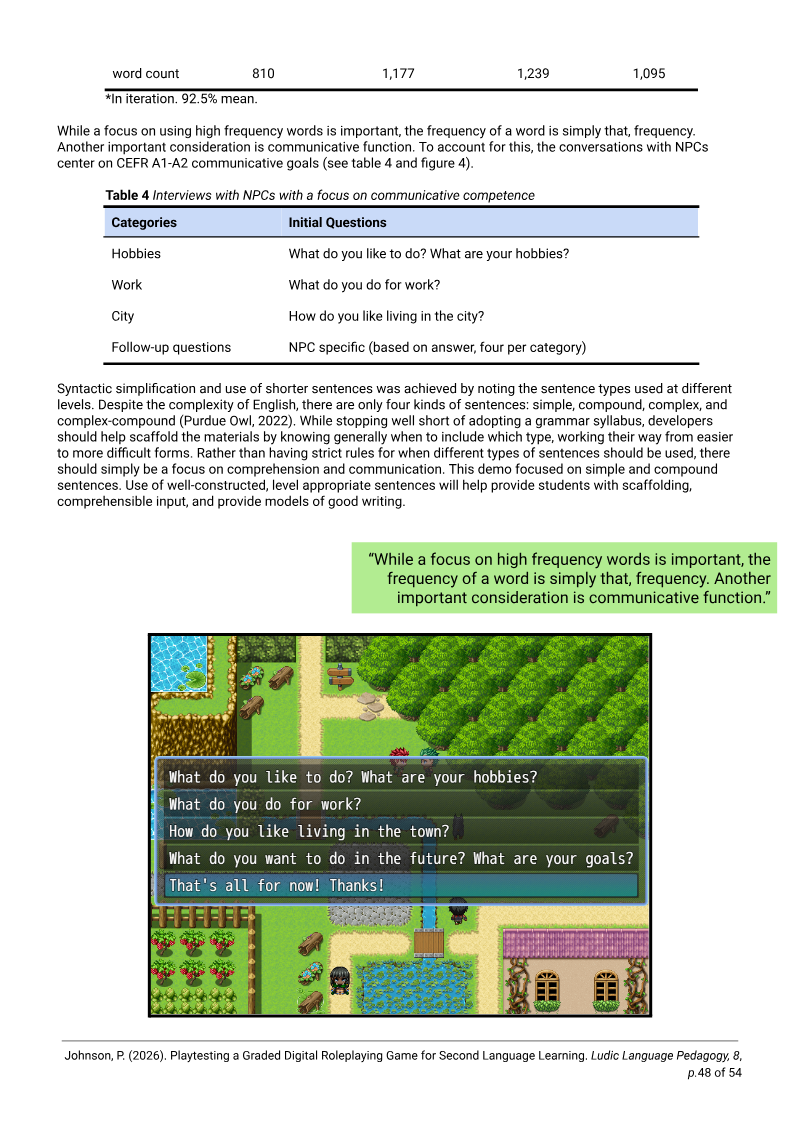
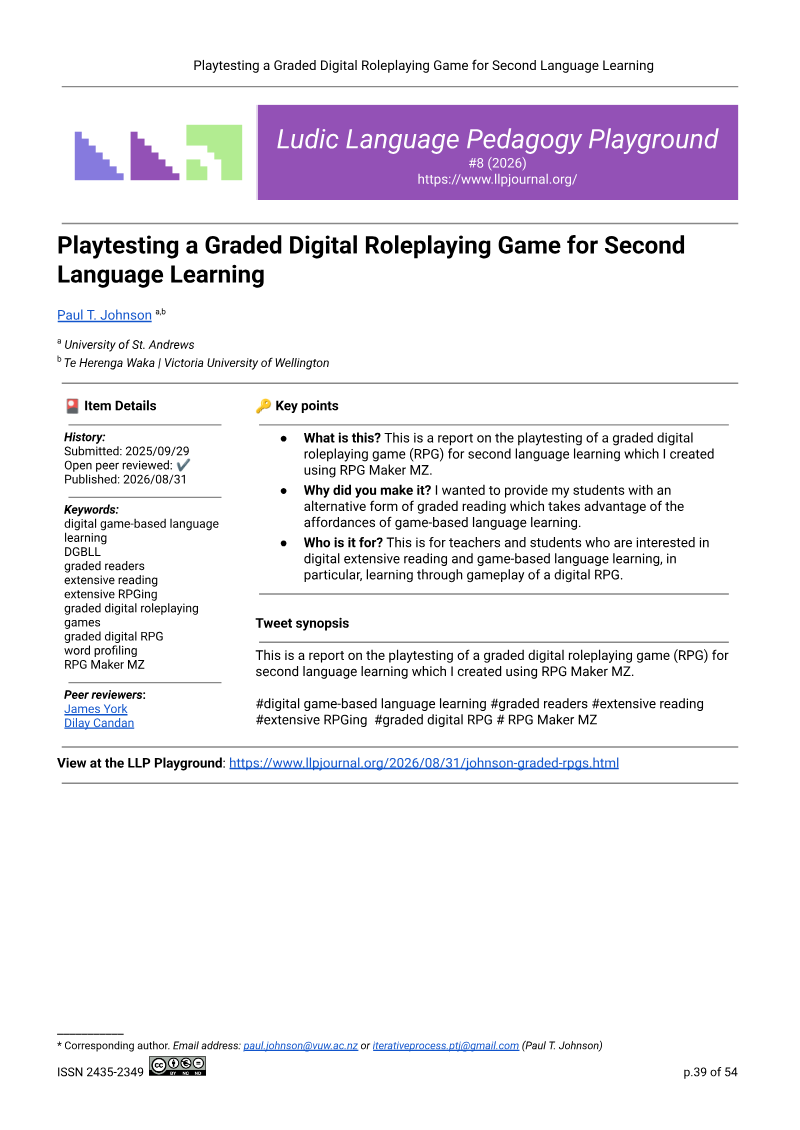
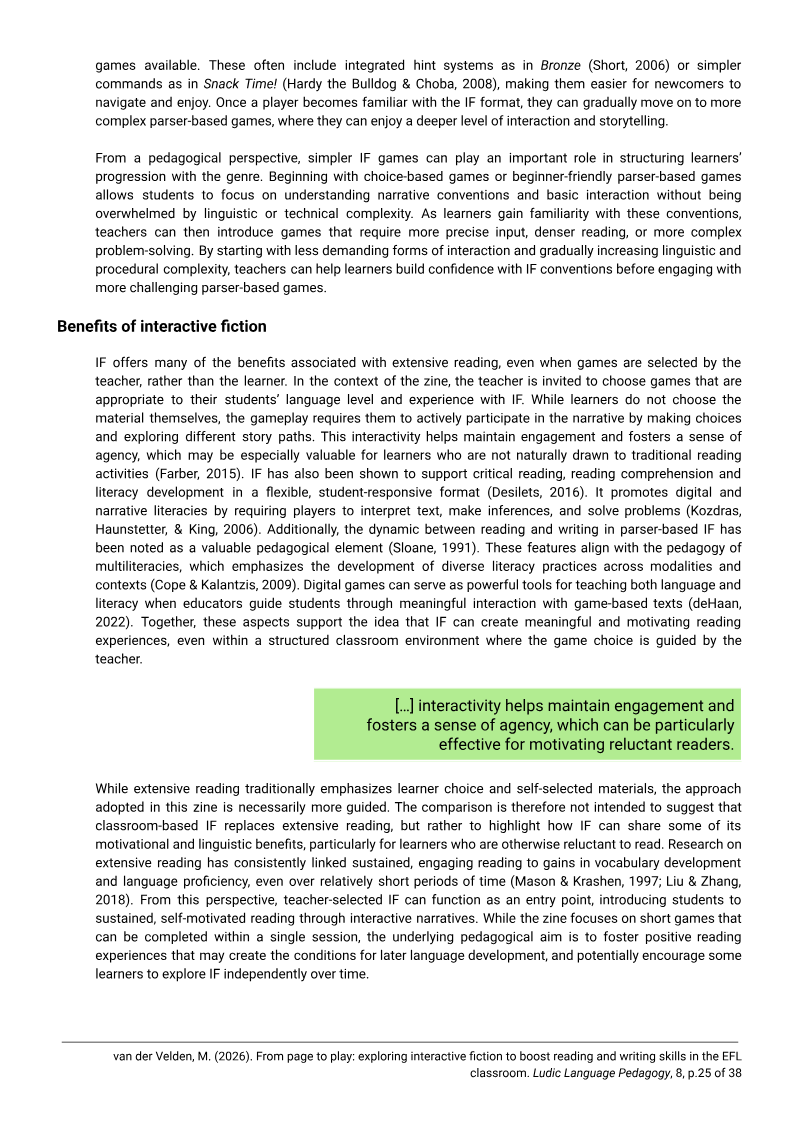
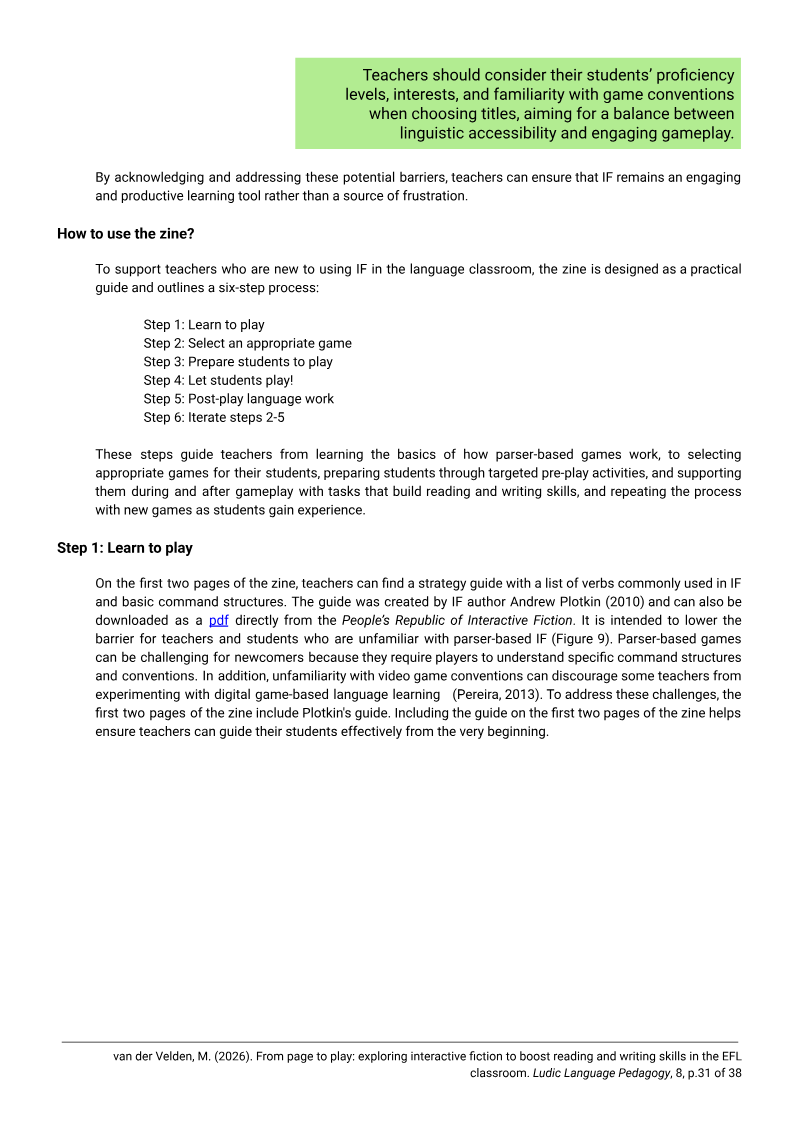
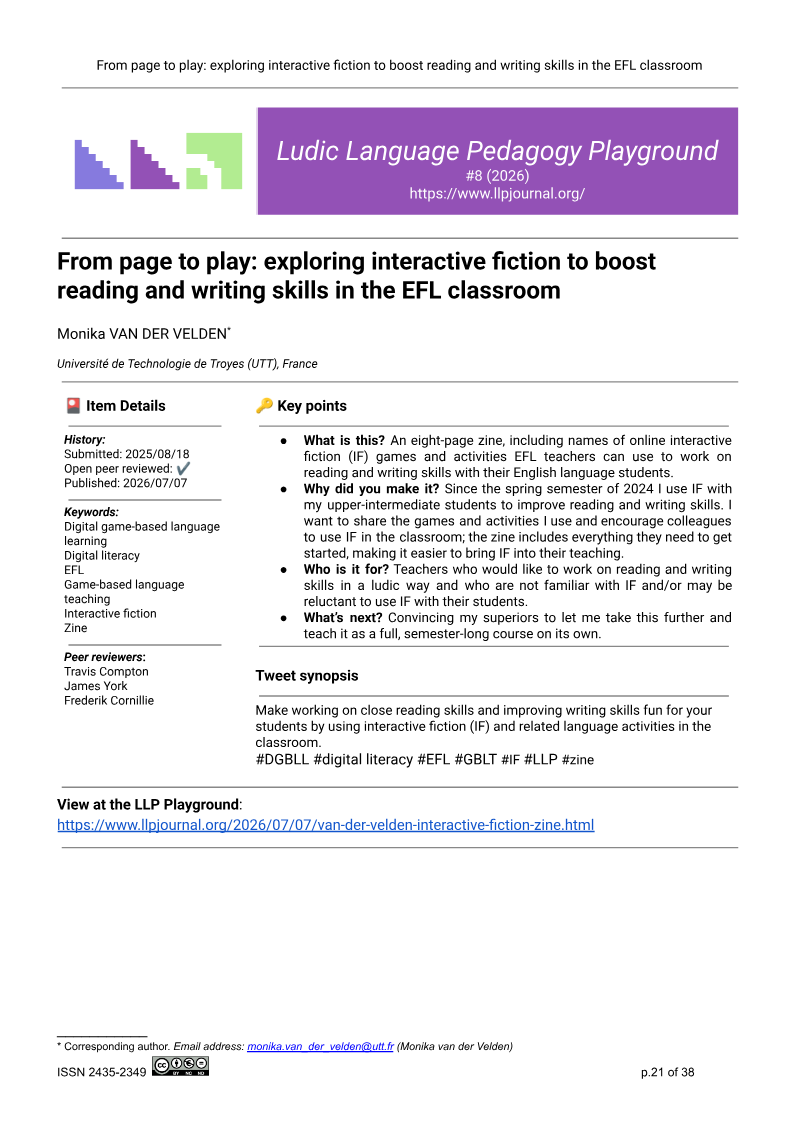
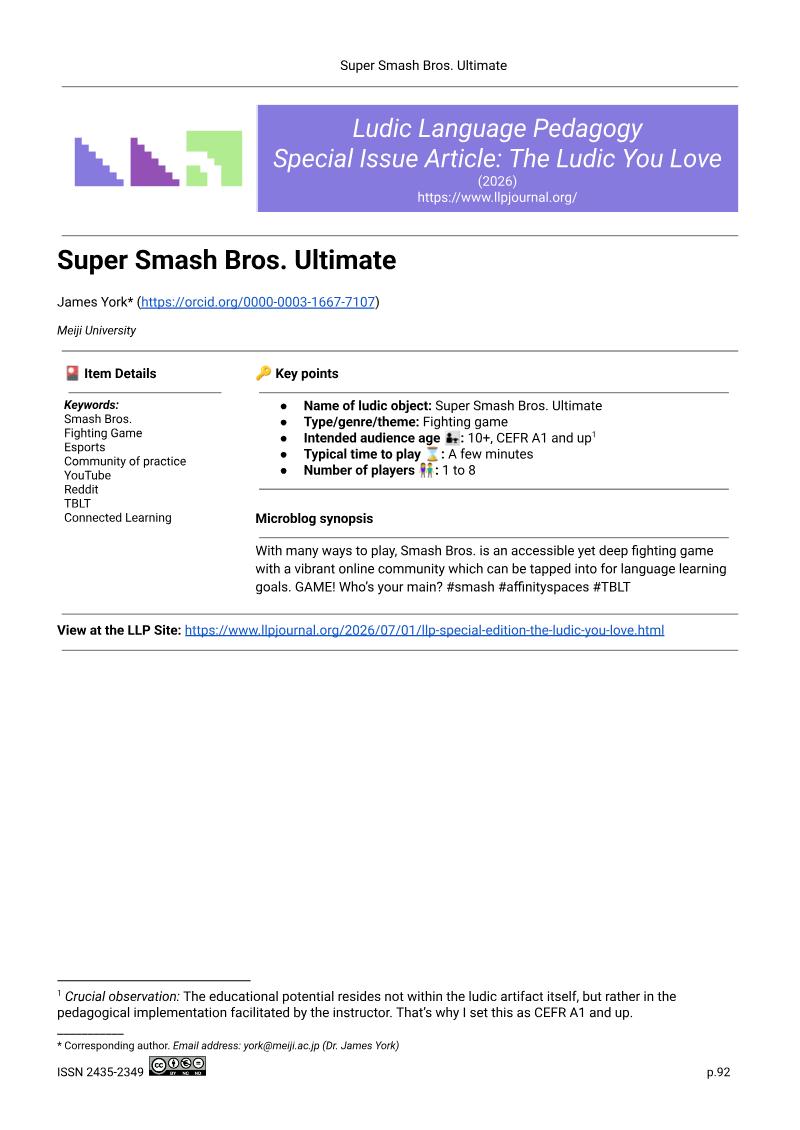
This resource provides a framework for language educators to integrate games into the classroom beyond simple speaking practice. The primary thesis is that games serve as versatile pedagogical tools that, when paired with structured activities, can facilitate deeper language acquisition and critical thinking. By categorizing tasks into pre-game, during-game, and post-game phases, the guide offers a comprehensive approach to game-based learning that is applicable to any game format, including video, board, and traditional tabletop games.
The core findings emphasize that student engagement and learning outcomes improve when learners are given agency in selecting games, predicting gameplay mechanics, and analyzing their own performance. Key activities include having students watch gameplay videos to identify vocabulary, collecting data during play to facilitate later discussion, and transcribing recordings of their own sessions to correct errors and refine language use. These methods encourage students to move beyond passive participation, fostering a more deliberate and analytical engagement with both the game content and the target language.
The methodology relies on a collaborative, open-peer-reviewed model, incorporating feedback and suggestions from various educators to ensure the activities are practical and adaptable. The scope is universal, intended for any classroom context or proficiency level. By providing teaching scripts and suggesting supplementary materials, the guide aims to move the field toward a more research-tested, resource-sharing culture. The author concludes by inviting further collaboration to expand these pedagogical strategies, suggesting that the integration of games into language curricula is an evolving practice that benefits from collective teacher input and shared lesson materials.
Ludic Language Pedagogy · 2026
Ludic Language Pedagogy · 2026
Ludic Language Pedagogy · 2026
Ludic Language Pedagogy · 2026
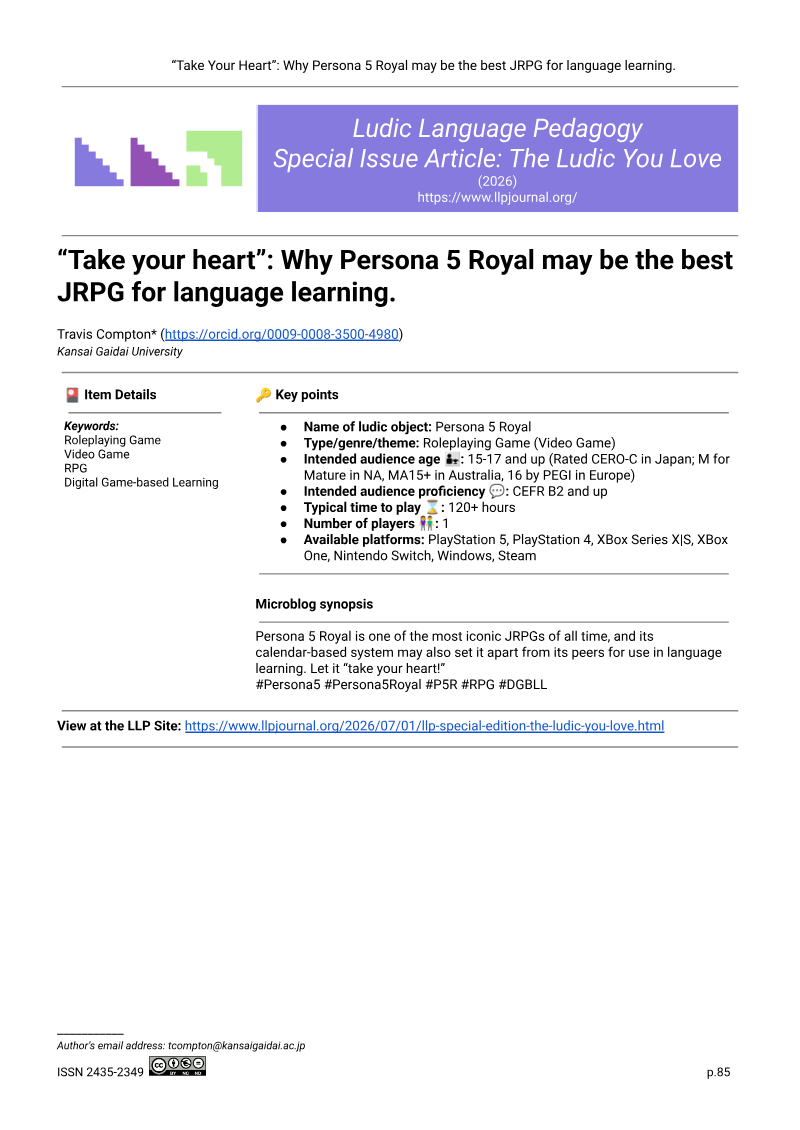
Ludic Language Pedagogy · 2026
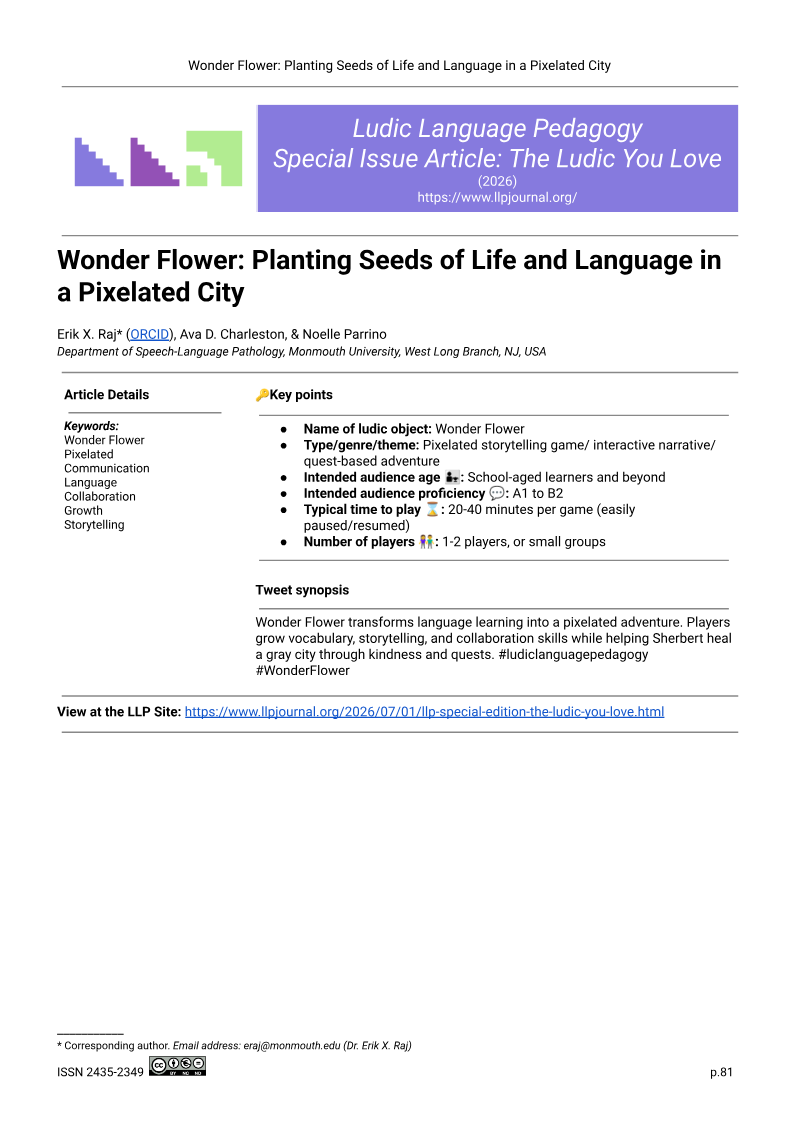
Ludic Language Pedagogy · 2026
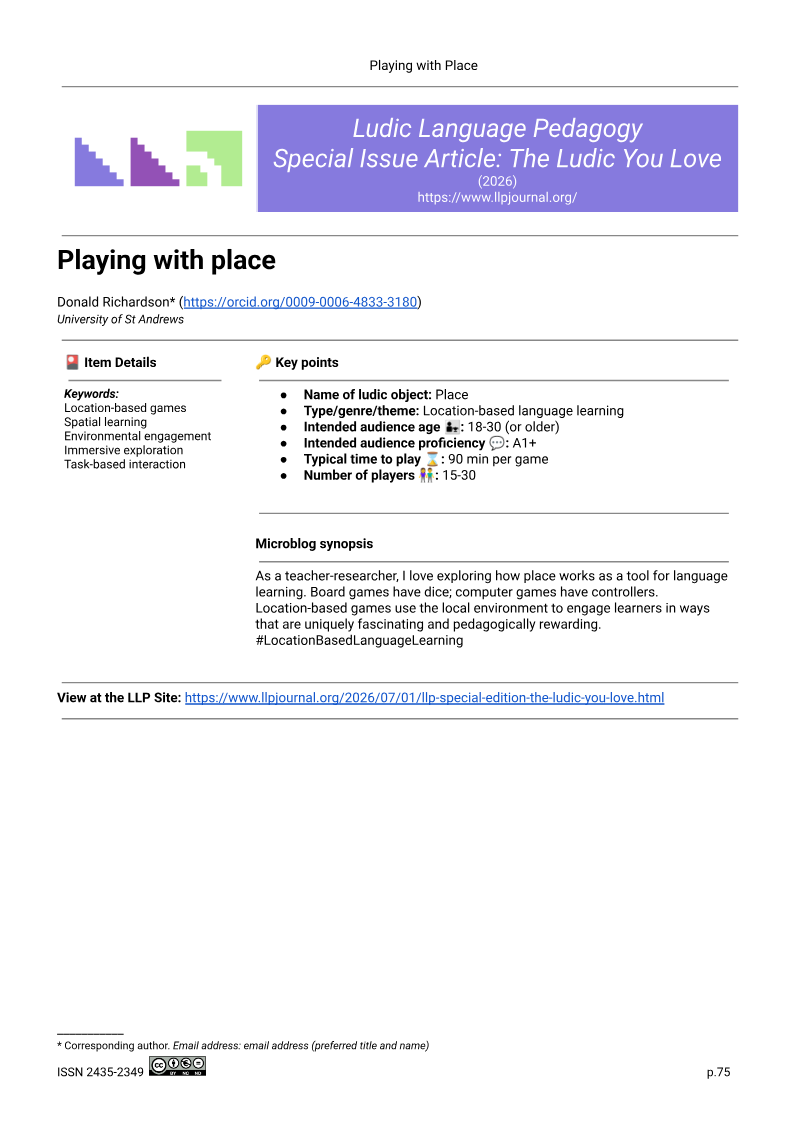
Ludic Language Pedagogy · 2026
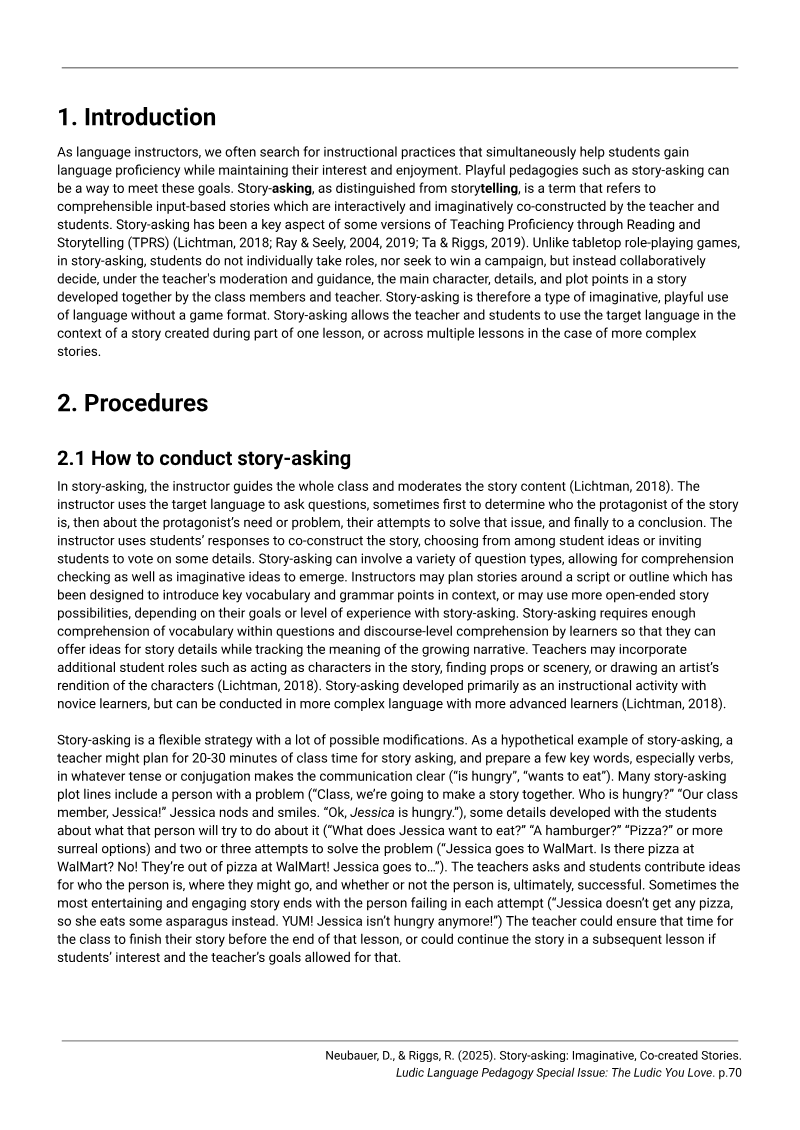
Ludic Language Pedagogy · 2026
Ludic Language Pedagogy · 2026
Ludic Language Pedagogy · 2026
Ludic Language Pedagogy · 2026



Ludic Language Pedagogy · 2026
Ludic Language Pedagogy · 2020