
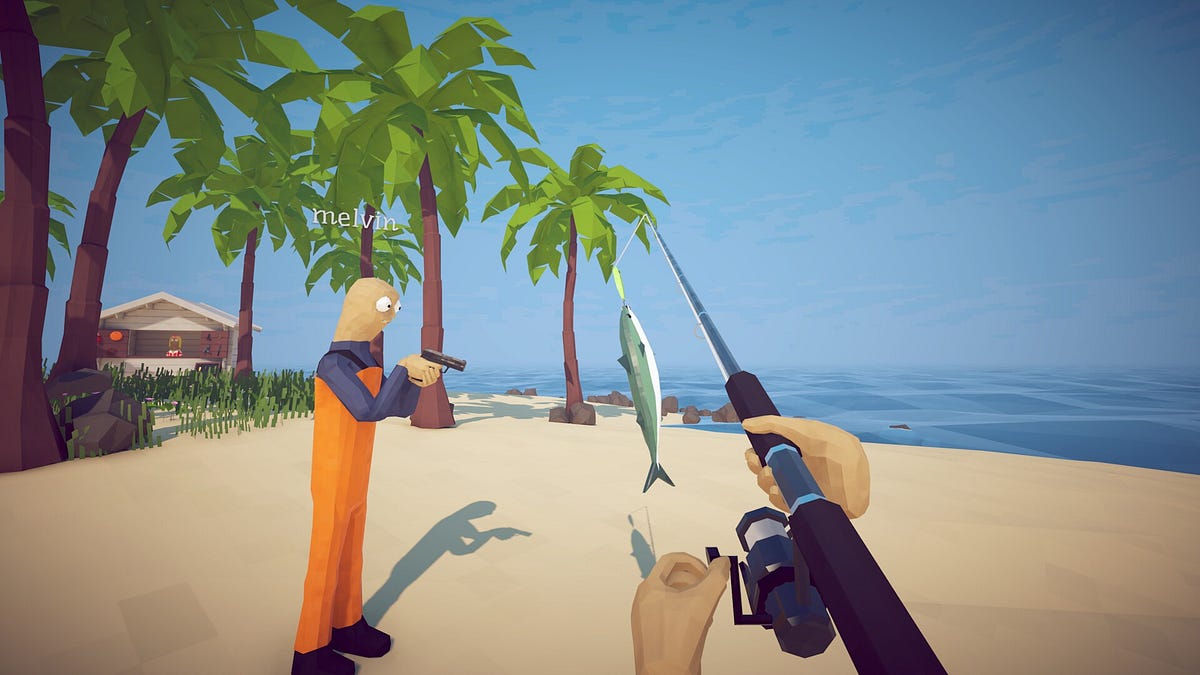
This analysis explores the disconnect between creative game development and the increasingly data-driven commercial realities of the modern industry. Through a satirical interview with a fictional developer of a non-existent "hit" game, the text highlights the absurdity of modern discovery tactics, such as extreme viral stunts and the pressure to maintain a presence across dozens of social media platforms. This satire serves as a critique of the "survivorship bias" often found in industry success stories, where luck and unsustainable marketing efforts are frequently reframed as replicable strategic advice.
The scope of the discussion extends to major corporate shifts in the global games industry during mid-2022, specifically focusing on Unity’s merger with the mobile monetization firm ironSource. This move signifies a strategic pivot toward the free-to-play mobile sector, prioritizing ad-tech and user acquisition metrics over traditional premium game development. Data points indicate that Unity already generates more revenue from mobile ads than its core engine, and the merger aims to provide a feedback loop for developers to test prototypes and scale monetization early in the creative process.
The analysis further addresses the friction between platform holders and creators, noting a controversial stance from leadership that suggests developers who do not prioritize monetization are "idiots." This perspective is contrasted with the reality of premium PC and console developers who feel increasingly alienated by engine providers focusing on "games-as-a-service" models. Additional industry findings include the success of Steam Next Fest, where top-performing demos added between 15,000 and 43,000 wishlists, and a noted slowdown in mass-market premium releases despite sustained consumer demand. The geographic and sectoral coverage spans global mobile markets, the Chinese regulatory environment for game approvals, and loyalty program shifts at Sony.
GameDiscoverCo · 2026
GameDiscoverCo · 2026
GameDiscoverCo · 2026

GameDiscoverCo · 2026

GameDiscoverCo · 2026
GameDiscoverCo · 2026
GameDiscoverCo · 2026

GameDiscoverCo · 2026
GameDiscoverCo · 2026
GameDiscoverCo · 2026
GameDiscoverCo · 2026
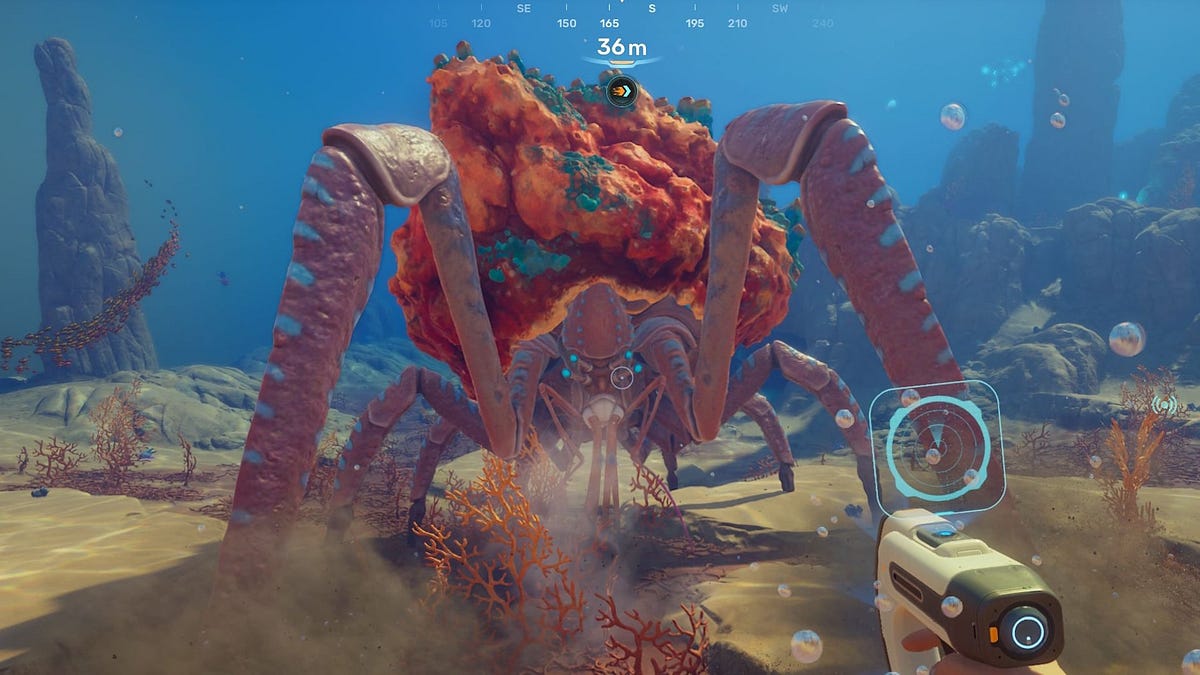
GameDiscoverCo · 2026
Newzoo · 2026
Modern Times Group · 2026
Rokky · 2025
Video Game Insights · 2025
VG Insights · 2025
Video Game Insights · 2025
DDM · 2024
Video Game Insights · 2024
Paradox Interactive · 2024
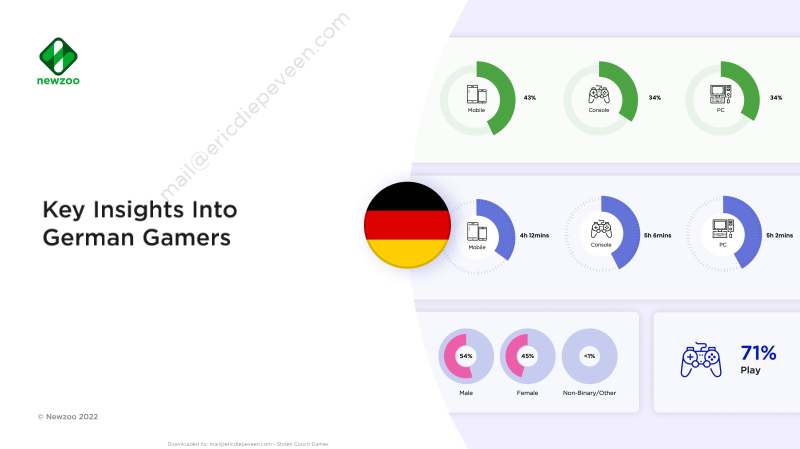
Newzoo · 2022
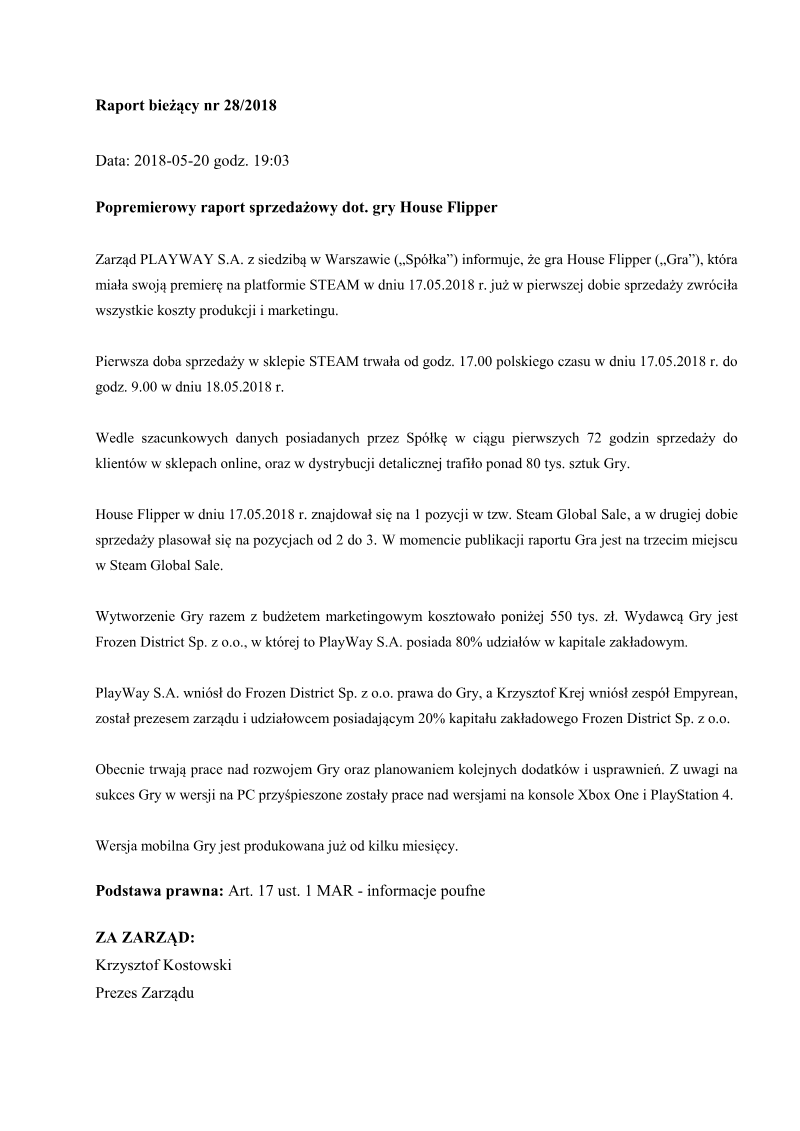
PlayWay · 2018
GREE · 2017