
This analysis explores the mechanisms behind post-release discovery surges for PC and console games, challenging the notion that a game’s initial launch trajectory is unalterable. By examining specific case studies and Steam platform data, the findings identify three primary catalysts for revitalizing a title’s visibility and commercial performance: the addition of major features, strategic 1.0 transitions, and influencer engagement.
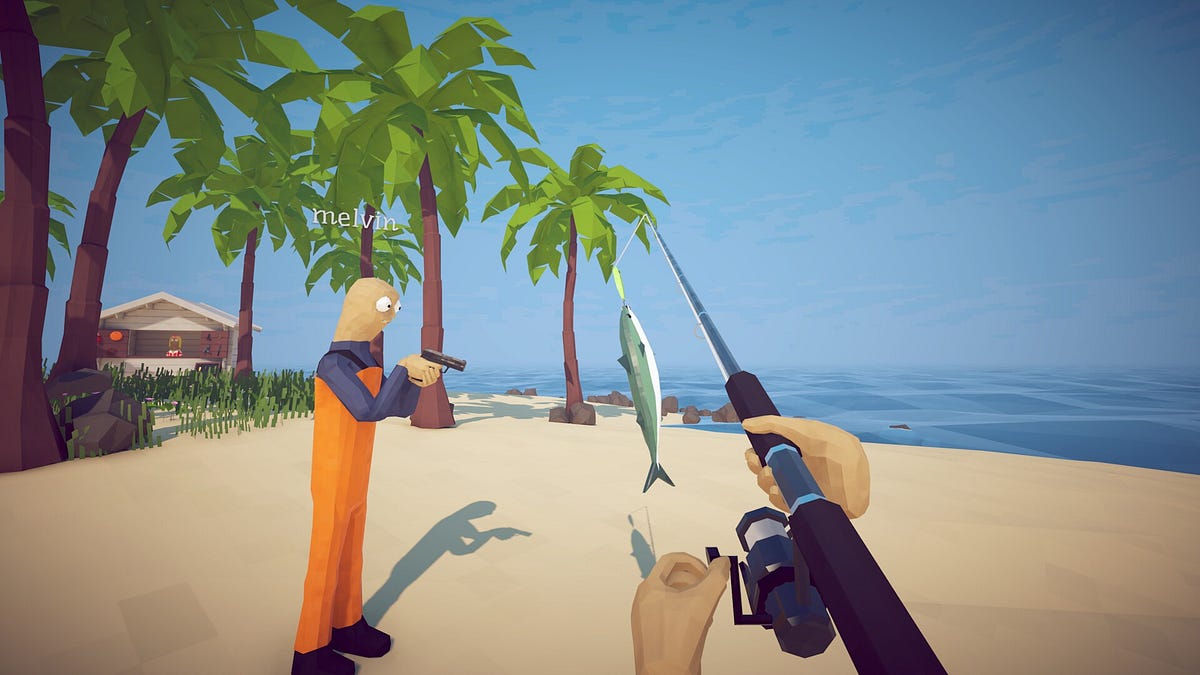
A critical driver for long-term success is the implementation of online multiplayer or co-operative modes. Data from titles like The Last Epoch and Project Zomboid demonstrate that adding social functionality can fundamentally shift a game’s reach, as players are more likely to engage with and recommend titles they can play with friends. Furthermore, the transition from Early Access to a 1.0 release serves as a vital marketing milestone. This event provides a natural "re-pitching" opportunity to influencers and media, as seen with Patch Quest. While influencer-driven spikes may be shorter-lived than those caused by permanent gameplay updates, they significantly impact a game’s long-tail sales and visibility on Steam’s front-page sections.
The analysis also provides quantitative insights into Steam wishlist behavior using data from The Riftbreaker and Valve. Findings suggest that the age of a wishlist is a marginal factor in conversion rates; instead, overall enthusiasm for the game remains the primary driver. However, "wishlist quality" varies by source. Wishlists acquired during high-traffic events like Steam Next Fest typically convert at a rate approximately 25% lower than those gained through organic discovery. Despite this lower conversion percentage, the sheer volume of wishlists generated during these festivals results in a net gain for developers, making participation essential for discovery.
Geographically, the scope includes global trends with specific focus on the Western PC market and the recovering regulatory environment in China, where game licenses are projected to surpass 2021 and 2022 levels. The methodology relies on SteamDB concurrent user charts, developer-provided cohort data, and historical platform statistics to support its conclusions on game discovery and lifecycle management.
GameDiscoverCo · 2026

GameDiscoverCo · 2026
GameDiscoverCo · 2026

GameDiscoverCo · 2026

GameDiscoverCo · 2026
GameDiscoverCo · 2026

GameDiscoverCo · 2026

GameDiscoverCo · 2026
GameDiscoverCo · 2026
GameDiscoverCo · 2026
GameDiscoverCo · 2026
GameDiscoverCo · 2026

Newzoo · 2026
Newzoo · 2022

Ubisoft · 2026

GameAnalytics · 2026
Newzoo · 2026
Aream & Co · 2026

Epyllion · 2026
Aream & Co · 2025
Aream & Co · 2025
Newzoo · 2025

Epyllion · 2025
Alinea Analytics · 2025