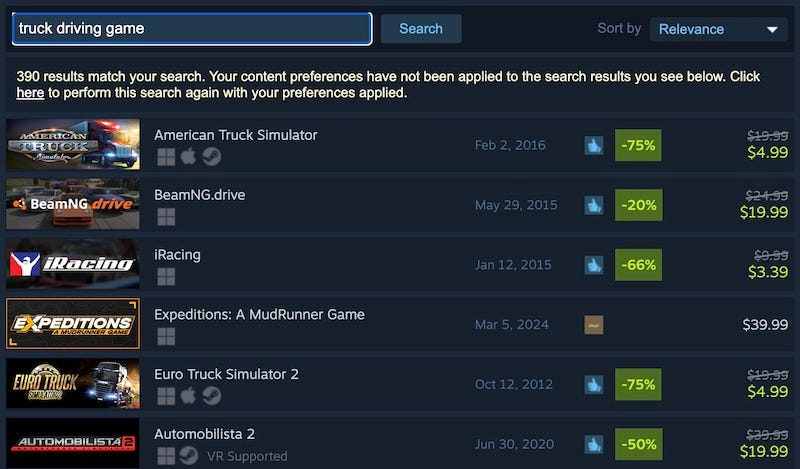
Search engine optimization (SEO) within PC and console storefronts is a critical yet under-discussed component of game discovery. While many users search for specific titles, millions of weekly queries on platforms like Steam, the Nintendo eShop, and Xbox are driven by broader keywords. Effective SEO requires strategic placement of keywords in store metadata and descriptions, as title matches carry the highest algorithmic weight. Developers are encouraged to analyze search autocomplete behavior and iterate on assets weekly based on traffic breakdown data. However, on-platform SEO is most effective for games that have already achieved a baseline level of popularity, as the algorithms often factor in sales velocity when ranking results.
Broader industry trends highlight a significant shift toward multiplatform development and long-term player retention. Data from Unity indicates that multiplatform releases grew by 40% between 2021 and 2023, with even small studios increasingly moving away from single-platform strategies. Retention is currently driven by social and competitive features, such as daily missions, achievements, and leaderboards. Furthermore, user-generated content (UGC) has become a primary roadmap priority for 27% of surveyed developers, as players report that the ability to create and share content significantly extends their engagement and willingness to purchase downloadable content.
The current market landscape shows a cooling for some traditional sequels alongside massive breakout successes for titles like Palworld and Helldivers 2. While the latter has performed exceptionally well on both PC and console, other major releases like Final Fantasy 7: Rebirth and Skull and Bones have seen lower launch sales compared to their predecessors or competitors. As hardware cycles progress, the reported development of a PlayStation 5 Pro targeting 8K resolution and improved ray tracing suggests a continued industry focus on high-end technical performance to drive mid-generation consumer interest.
GameDiscoverCo · 2026
GameDiscoverCo · 2026
GameDiscoverCo · 2026

GameDiscoverCo · 2026

GameDiscoverCo · 2026
GameDiscoverCo · 2026
GameDiscoverCo · 2026

GameDiscoverCo · 2026
GameDiscoverCo · 2026
GameDiscoverCo · 2026
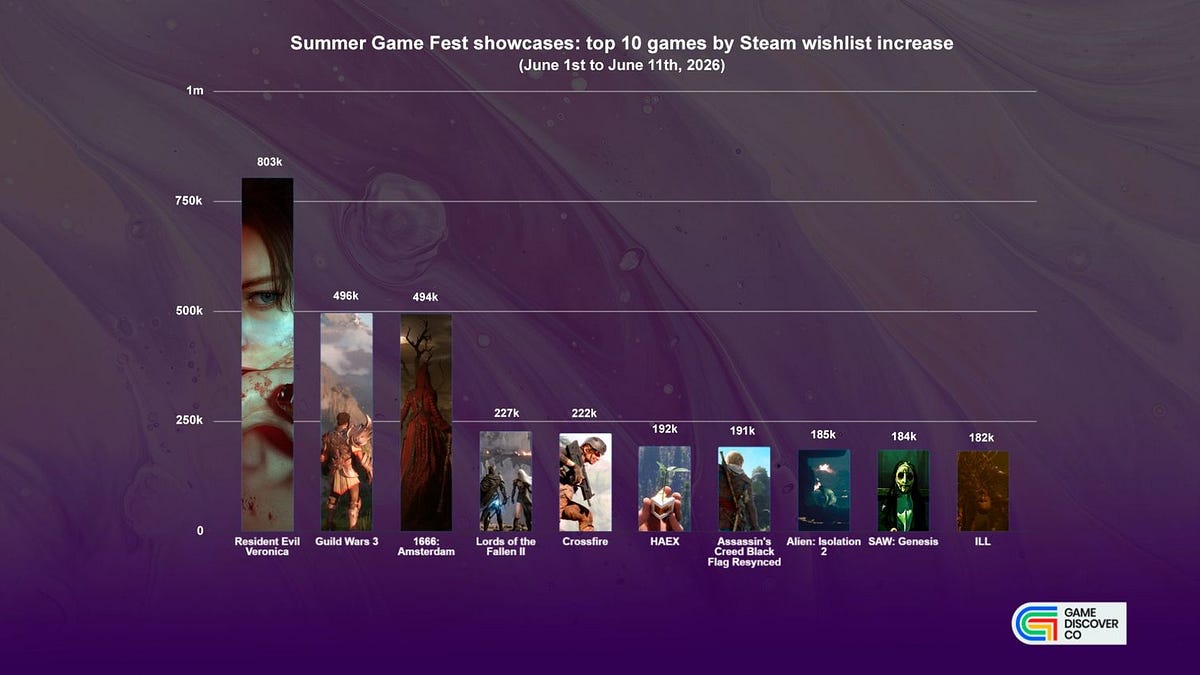
GameDiscoverCo · 2026
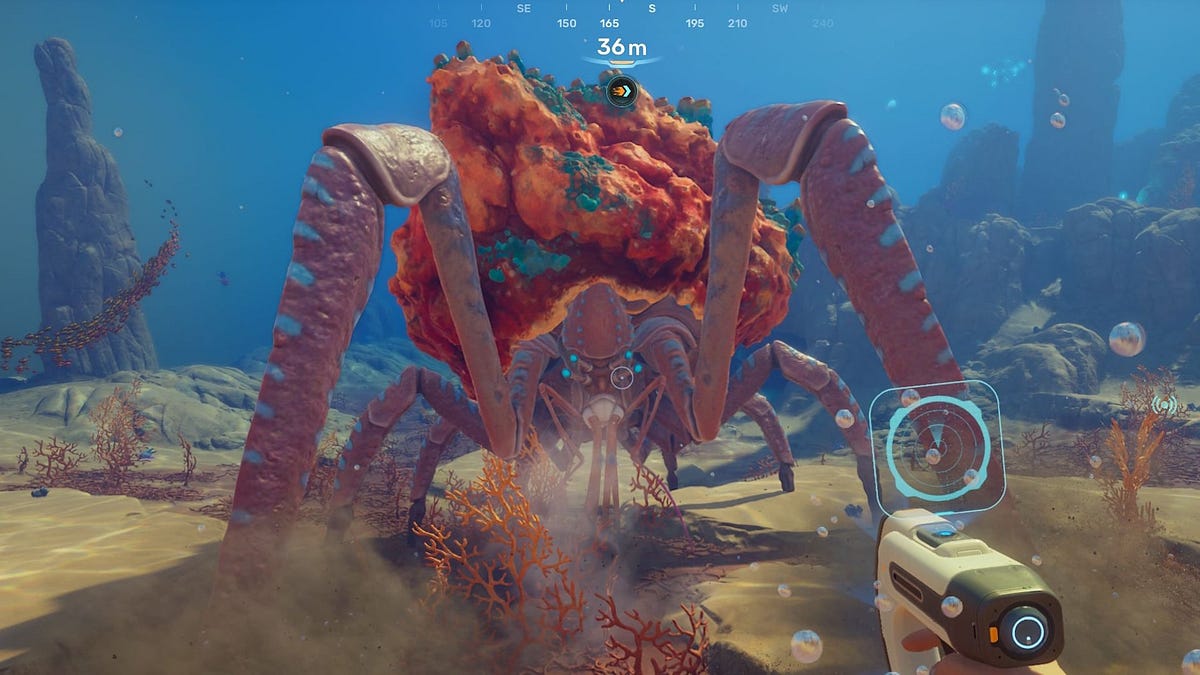
GameDiscoverCo · 2026
Sensor Tower · 2025
Sensor Tower · 2025
Sensor Tower · 2025

Epic Games · 2025
Sensor Tower · 2025
Aptoide · 2025
Stream Hatchet · 2024
Xsolla · 2024
Perforce Software · 2024
Stream Hatchet · 2024
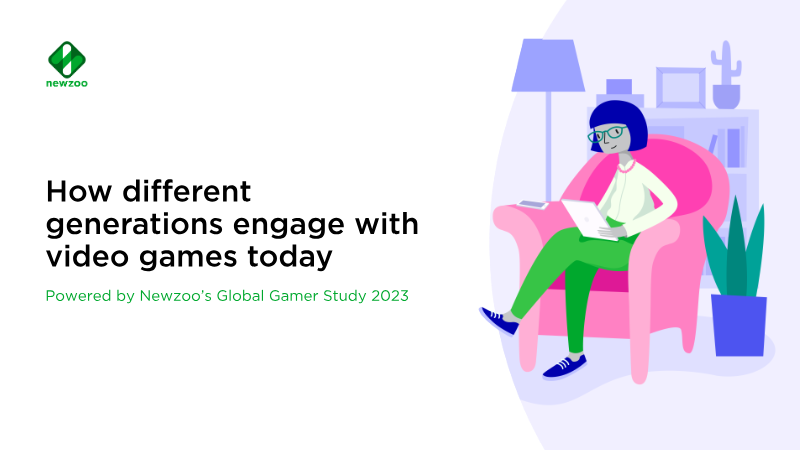
Newzoo · 2023
Sensor Tower · 2022