
Gaming has evolved into the primary entertainment medium for younger generations, with 94% of Gen Alpha identifying as game enthusiasts. This shift signifies a transition from gaming as a solitary hobby to a multi-dimensional "way of life" that encompasses playing, viewing, and socializing. While mobile gaming maintains universal appeal across all age groups, younger cohorts like Gen Alpha and Gen Z are significantly more likely to engage across multiple platforms and participate in virtual social environments. These younger players demonstrate high spending conversion rates, with approximately 60% investing in games, often driven by a desire for social immersion and diverse genres such as Adventure and Battle Royale.
In contrast, older generations like Gen X and Baby Boomers exhibit more utilitarian engagement patterns. These cohorts primarily favor casual puzzle-solving titles and are motivated by achievement, mastery, and time-saving mechanics. While 70% of younger players are "player-viewers" who consume gaming video content for entertainment and social connection, older players use video content more informationally, such as for reviews or tutorials. This generational divide extends to brand discovery; younger players are increasingly open to discovering new brands within game worlds, making the medium a vital marketing tool for reaching modern consumers.
The global gaming landscape is characterized by both universal franchises and distinct regional preferences. Major titles like Call of Duty, Fortnite, and Genshin Impact maintain a massive international presence, yet markets such as China, Japan, and South Korea continue to support region-specific hits like Honor of Kings and Lineage. Across these diverse geographies, the 2023 data highlights that gaming has become a central pillar of social interaction and brand engagement, particularly as younger generations integrate virtual experiences into their daily identities and consumption habits.

Google · 2026
Newzoo · 2026

Newzoo · 2026
Newzoo · 2026

Deconstructor of Fun · 2026
Newzoo · 2026
Newzoo · 2026
Newzoo · 2026
Newzoo · 2026

Newzoo · 2026
Newzoo · 2026
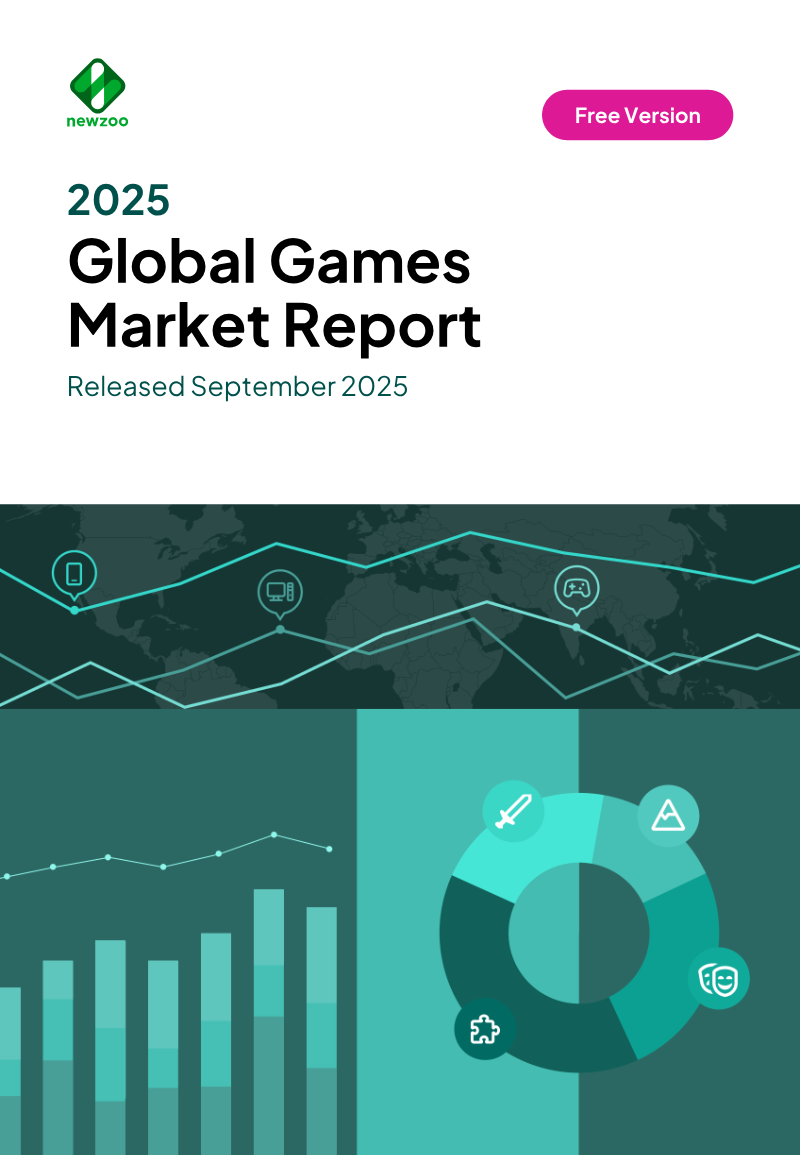
Newzoo · 2025
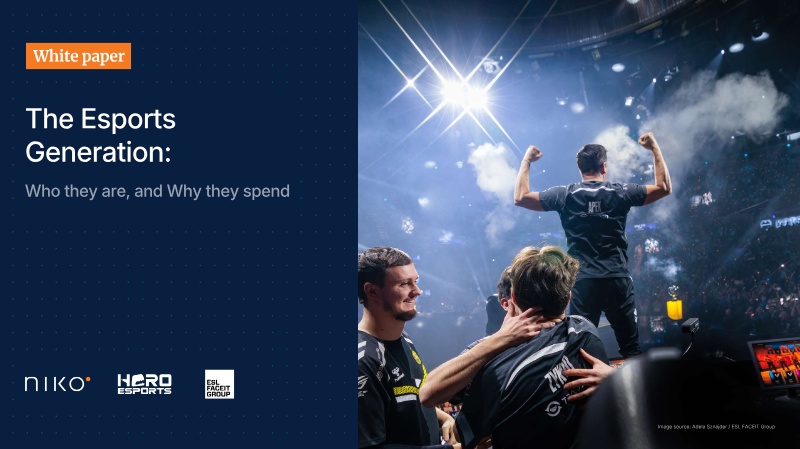
Niko Partners · 2026
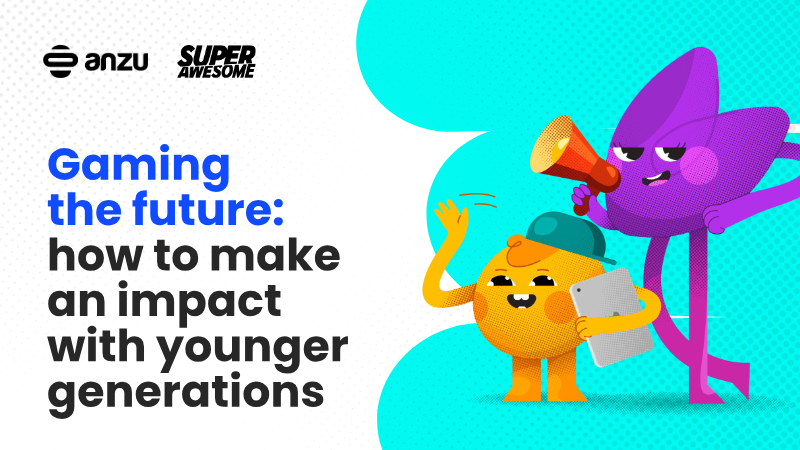
Anzu · 2026
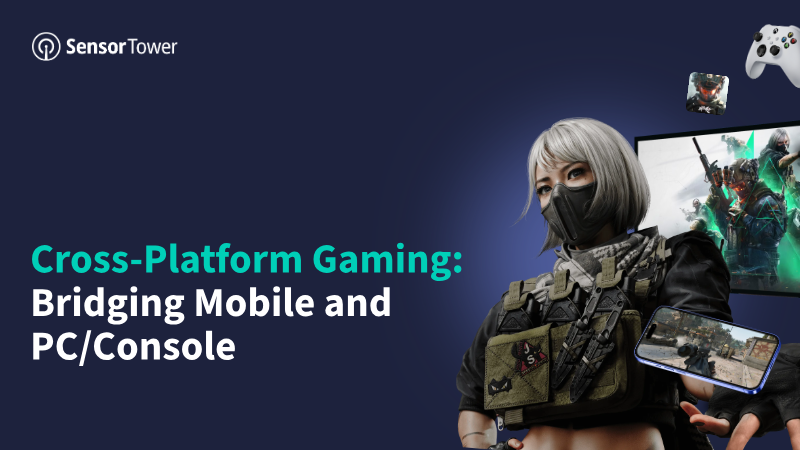
Sensor Tower · 2025
Stream Hatchet · 2025
Newzoo · 2025
Newzoo · 2025
Newzoo · 2025
AEVI · 2025

Sensor Tower · 2025
Ampere Analysis · 2025
Epic Games · 2025

Newzoo · 2025