ArticleGameDiscoverCo
State of Steam Wishlist Conversions & Long Tail: 2024
1 May 2024~11 min full read
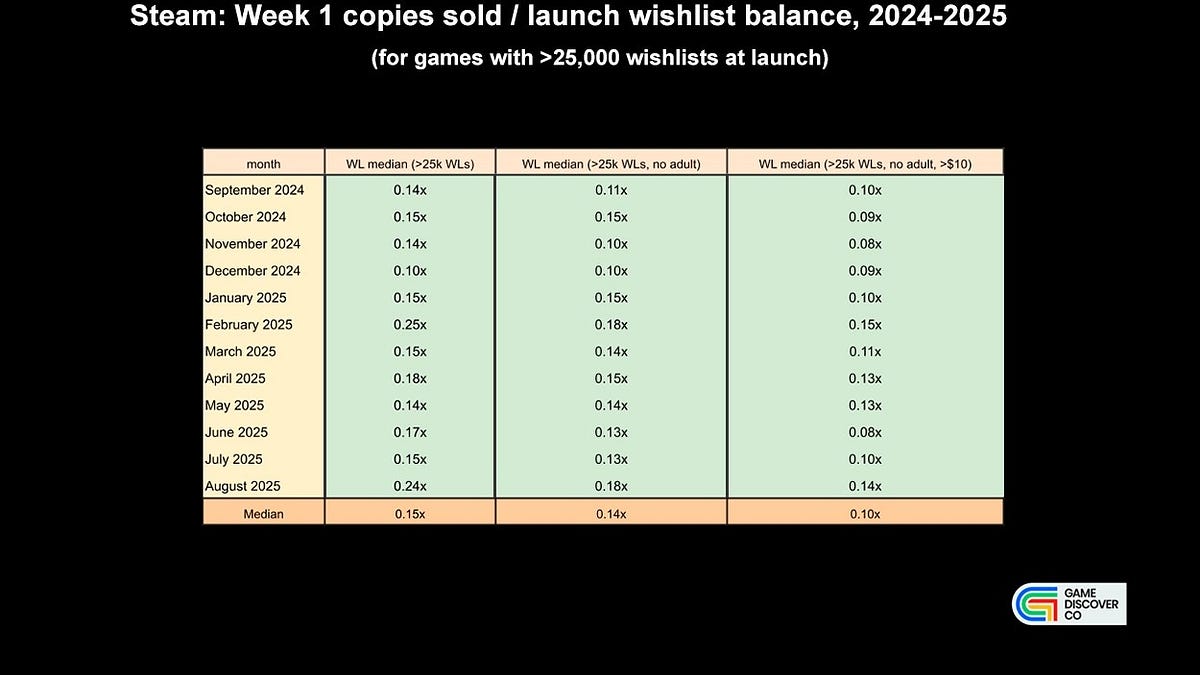
Analysis of Steam market data from 2024 reveals that core performance metrics for PC games have remained remarkably consistent since 2021, despite a significant increase in the volume of new releases. The findings are based on a survey of over 100 games launched since 2020, focusing on the relationship between pre-launch wishlists and subsequent sales performance, as well as long-term revenue trends.
The median conversion ratio from launch wishlists to first-week sales stands at 0.2x, identical to the figure recorded three years prior. While this multiplier varies significantly across titles—ranging from 0.07x for games with prior platform exclusivity to over 1.0x for viral hits—the broader market average remains stable. Data suggests that games with over 100,000 wishlists often see higher conversion rates, while titles with very low wishlist counts can easily outperform the median through organic discovery.
Long-tail revenue patterns also show high stability. The median gross revenue at the end of a game's first year is 3.16x its first-week earnings, a negligible increase from the 3.05x reported in 2021. Furthermore, the median multiplier for total revenue at the end of year two remains exactly 4.2x the first week's revenue. These figures suggest that while the market is more crowded, the fundamental way games earn money over time on Steam has not shifted significantly.
The primary challenge for modern developers is not a decline in conversion or long-tail efficiency, but rather the sheer intensity of competition. As more titles vie for a market that is growing at a slower pace than the supply of new games, the difficulty lies in achieving the initial visibility required to reach these median benchmarks. Consequently, while the ratios for financial planning remain reliable, the return on investment for many projects is under pressure due to the rising costs of development and the difficulty of standing out in a saturated ecosystem.
GameDiscoverCo · 2026

GameDiscoverCo · 2026
GameDiscoverCo · 2026

GameDiscoverCo · 2026

GameDiscoverCo · 2026
GameDiscoverCo · 2026

GameDiscoverCo · 2026

GameDiscoverCo · 2026

GameDiscoverCo · 2026
GameDiscoverCo · 2026
GameDiscoverCo · 2026
GameDiscoverCo · 2026
Video Game Insights · 2024
Video Game Insights · 2024
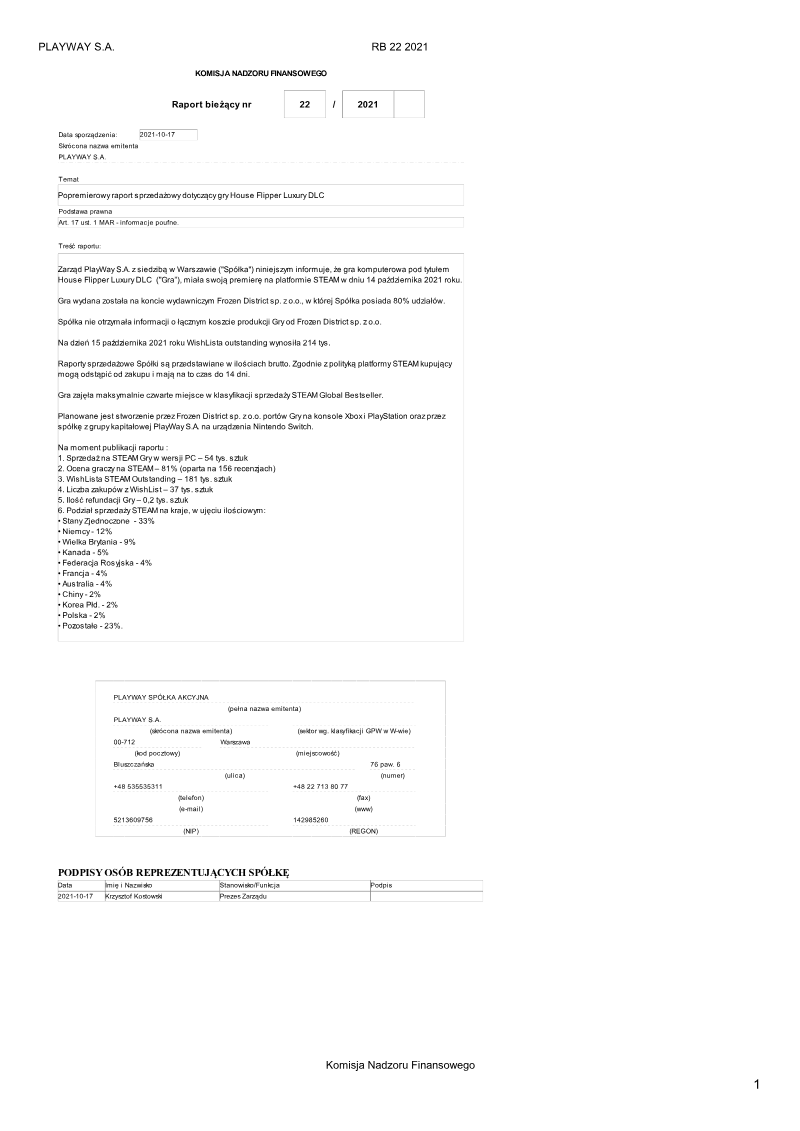
PlayWay · 2021
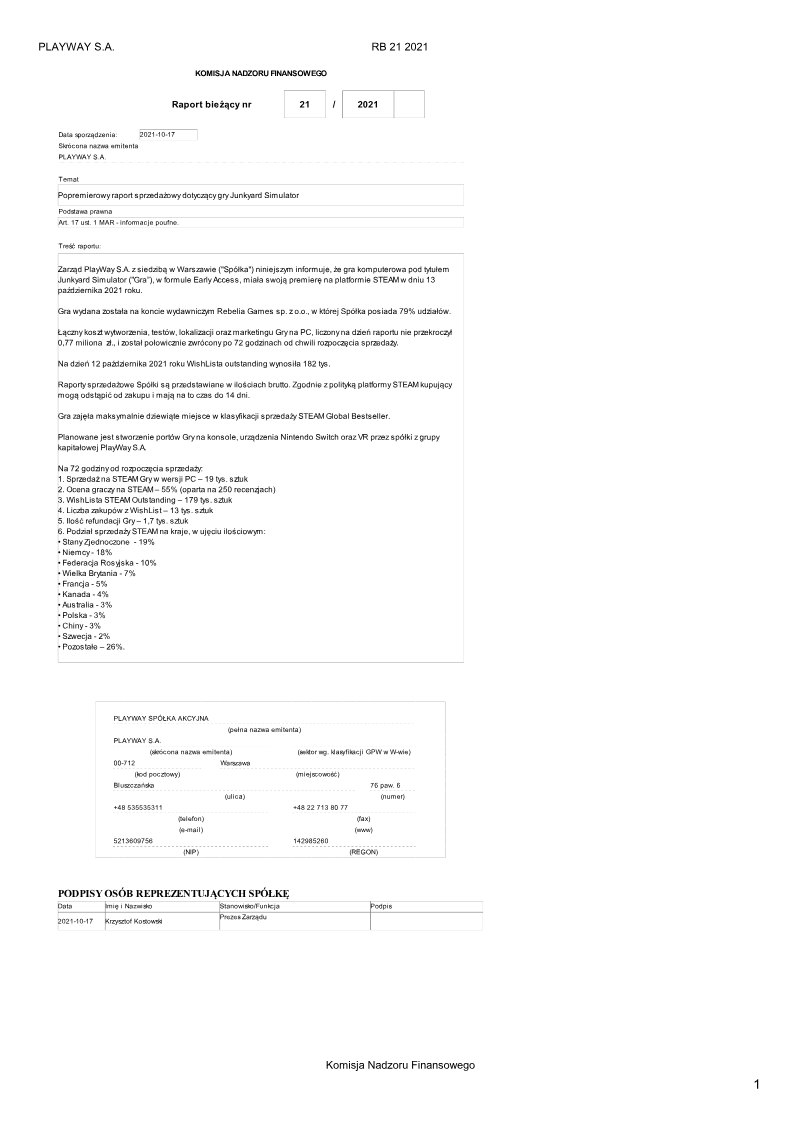
PlayWay · 2021
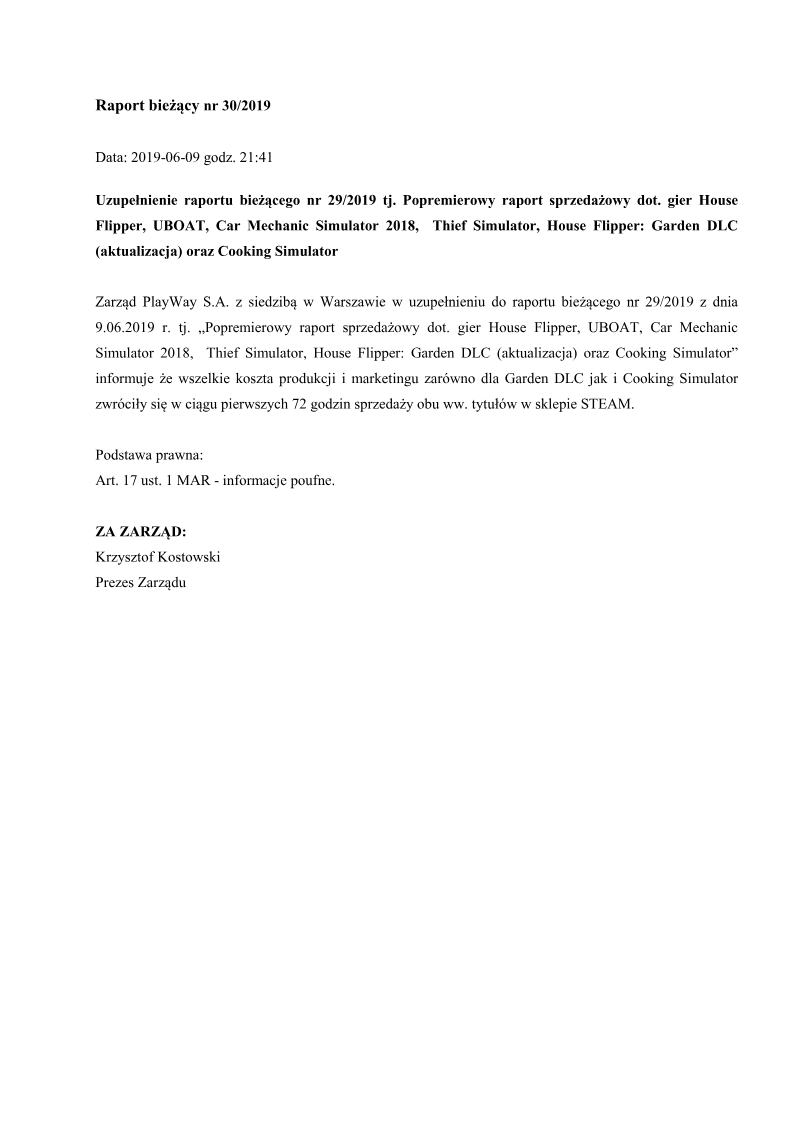
PlayWay · 2019

Almedia · 2026
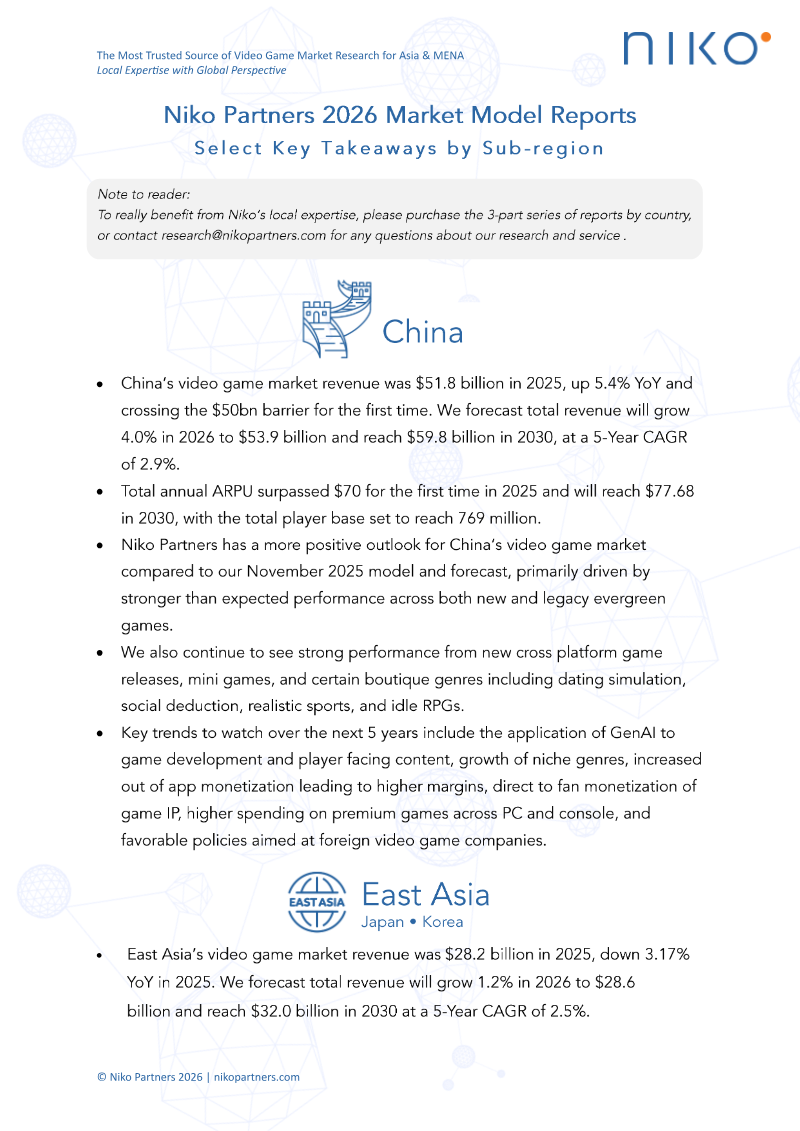
Niko Partners · 2026
Gamesight · 2026

Sensor Tower · 2026

Sensor Tower · 2026

AppLovin · 2026

Sensor Tower · 2026