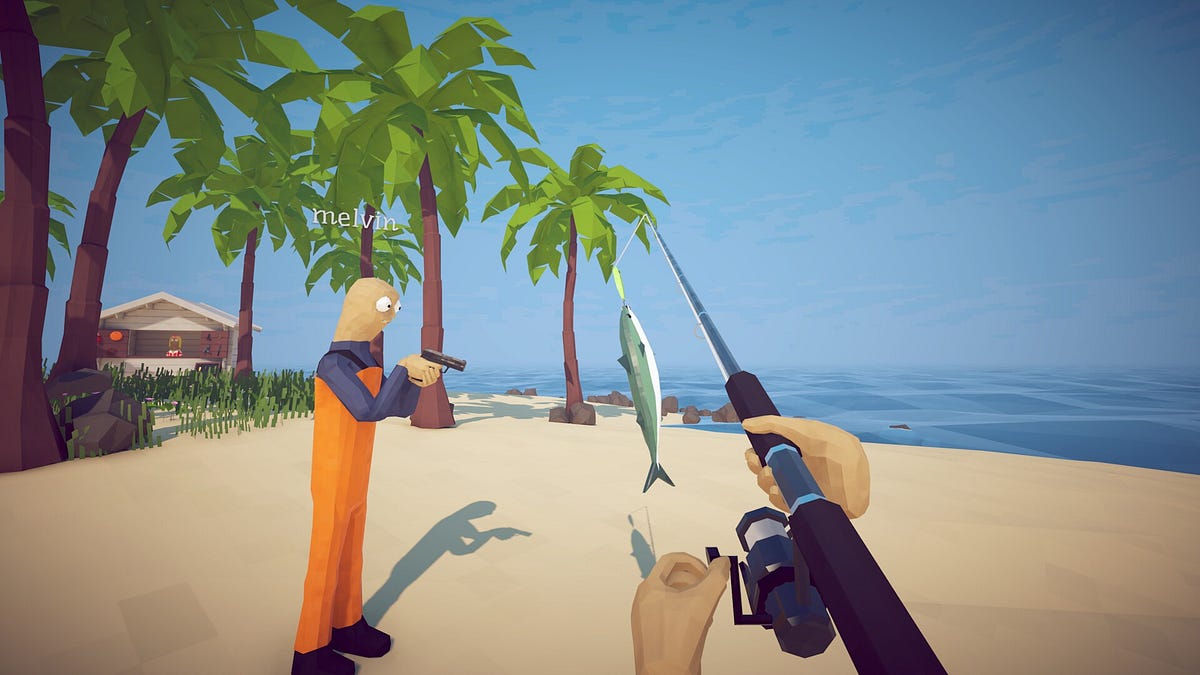
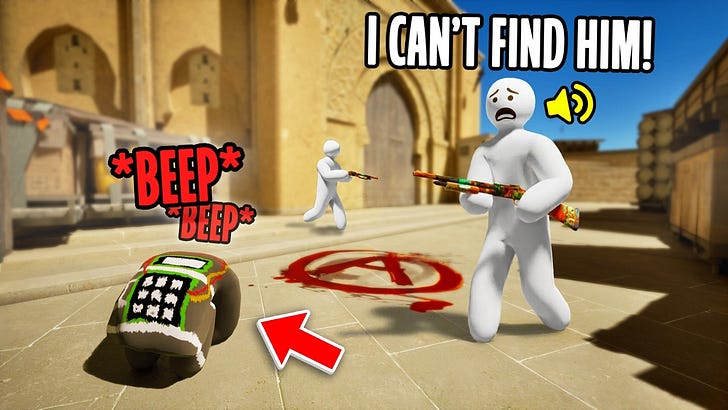
Landfall Games, the Swedish developer behind Totally Accurate Battle Simulator (TABS), achieves significant market discovery by prioritizing visual legibility, user-generated content, and unconventional release strategies. In an interview regarding the studio’s methodology, CEO Wilhelm Nylund explains that TABS succeeded largely because its physics-based interactions are inherently "easy to market." Unlike complex strategy games, the appeal of TABS is instantly recognizable in short-form video content like GIFs and YouTube clips, allowing the game to go viral with minimal friction.
The studio’s growth is further fueled by a deep integration of user-generated content and community feedback. Early alpha releases revealed a high demand for creative expression, leading the team to focus on sandbox elements that allow players to design their own units and battles. Nylund suggests that sandbox and survival genres offer smaller teams more "leeway" than traditional AAA genres, as players prioritize experimentation over the high-polish expectations found in competitive shooters or MOBAs.
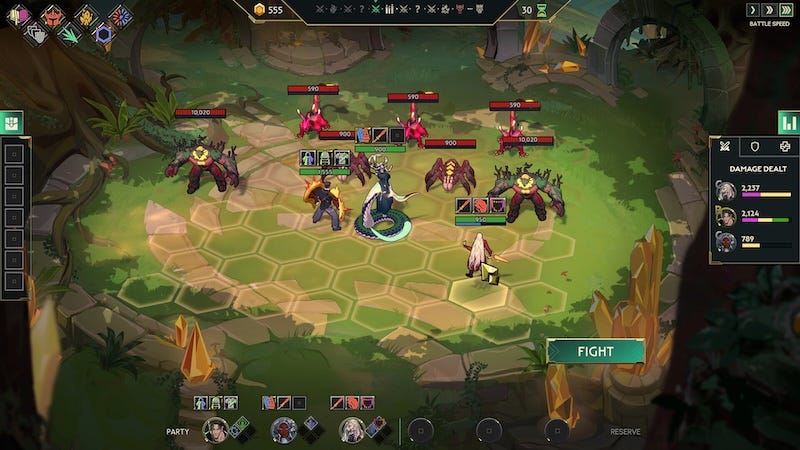
Landfall also utilizes a unique "stunt" marketing approach, often using April Fools' Day as a deadline for surprise releases. To solve the "cold start" problem for multiplayer titles, the studio frequently offers new games for free during the first 24 to 100 hours of launch. This tactic successfully kickstarted player bases for titles like Totally Accurate Battlegrounds and Knightfall, which secured three million and one million downloads respectively during their initial free windows.
Beyond Landfall’s specific case study, broader industry data indicates a shift in consumer sentiment and platform dynamics as of mid-2022. While major tech brands like Sony and Microsoft saw significant reputation gains in public surveys, the "Play to Earn" sector faced a sharp decline, with daily earnings for games like Axie Infinity dropping from $20 to under 50 cents. Additionally, market research from Deloitte highlights that 61% of US gamers now view character personalization as a vital tool for self-expression, reinforcing the industry-wide trend toward player agency and identity.