1 free read left. Create a free account for unlimited reading + AI research.
Create free accountArticle Game Studio Unlocked
1 free read left. Create a free account for unlimited reading + AI research.
Create free accountArticleGame Studio Unlocked
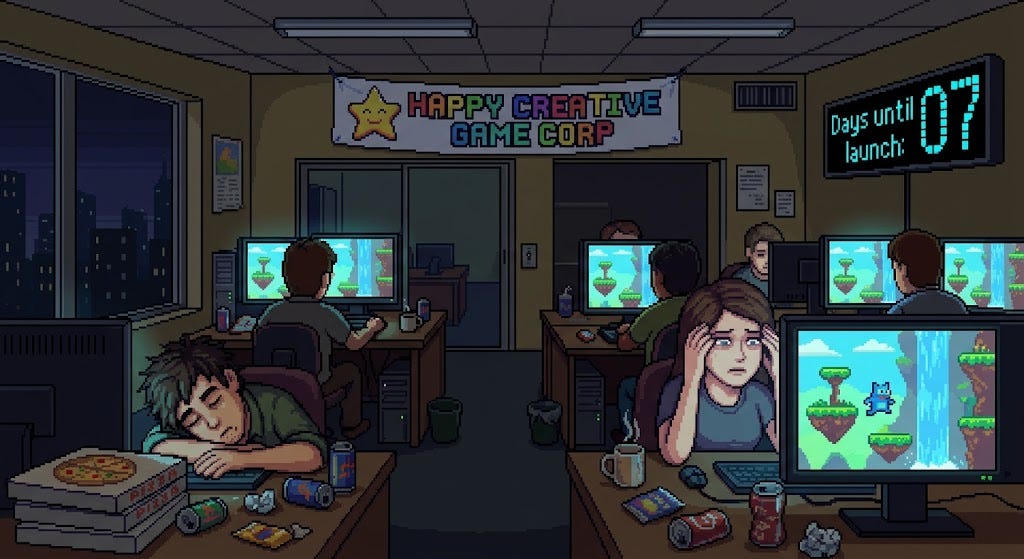
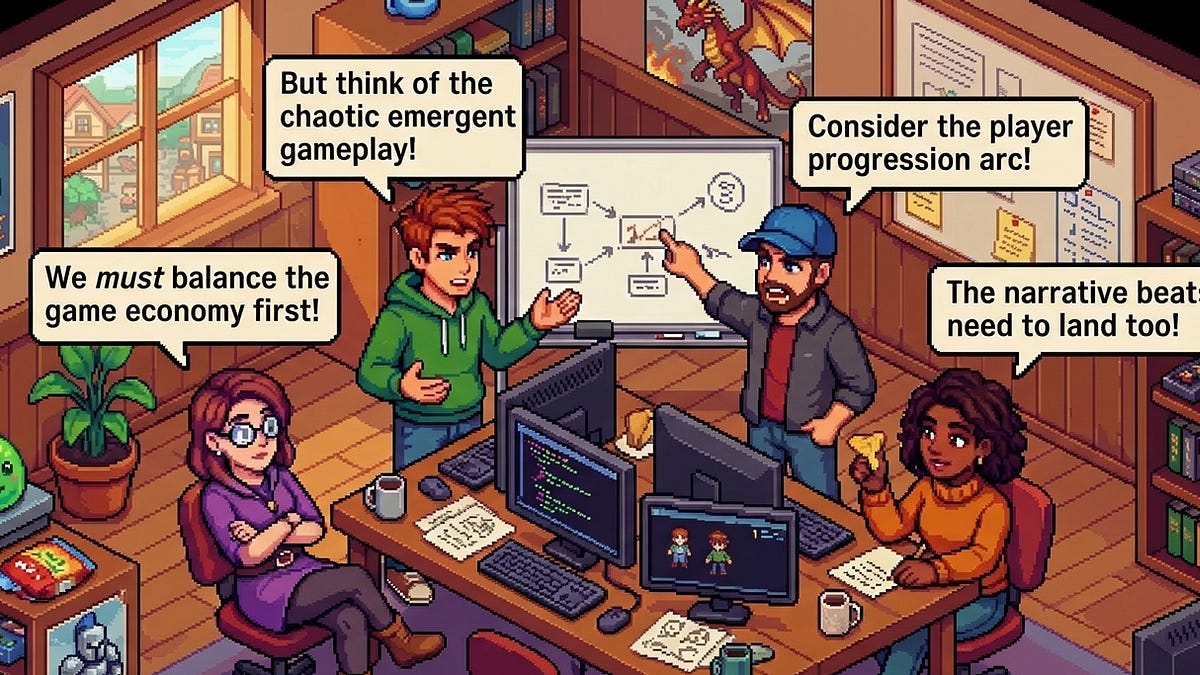
Effective game development requires a structured approach to feature prioritization to avoid the common pitfall of treating every task as equally urgent. The primary thesis is that while many industry-standard methodologies exist, small indie studios often overengineer their processes, leading to administrative overhead that provides little actual value. Instead, teams should adopt a lean, multi-layered framework that facilitates clear decision-making without becoming a substitute for necessary, difficult conversations about project goals.
The analysis evaluates several common prioritization techniques. MoSCoW is identified as useful for establishing project boundaries, particularly the "Won’t have" category, though it can suffer from ambiguity in its middle tiers. The Eisenhower Matrix is recommended for personal productivity and managing founder time, specifically to prevent the neglect of important, non-urgent tasks like team cohesion and pipeline development. Conversely, quantitative models like RICE are criticized for indie environments, as they rely on data points—such as reach—that are often unavailable or speculative for unreleased games, creating a false sense of objectivity.
A recommended practical approach combines three distinct tools: the Kano Model for classifying features by player impact, an ROI matrix for ordering tasks based on value versus effort, and the Eisenhower Matrix for weekly scheduling. This combination provides a balanced view of what matters most and what requires immediate attention. Ultimately, the effectiveness of any framework depends on the team’s ability to engage in honest, ongoing dialogue about their creative vision, as tools serve only to make implicit priorities explicit rather than replacing the need for strategic judgment.

Game Studio Unlocked · 2026
Game Studio Unlocked · 2026
Game Studio Unlocked · 2026
Game Studio Unlocked · 2026
Game Studio Unlocked · 2026
Game Studio Unlocked · 2026
Game Studio Unlocked · 2026
Game Studio Unlocked · 2026
Game Studio Unlocked · 2026
Game Studio Unlocked · 2026
Game Studio Unlocked · 2026
Game Studio Unlocked · 2026