1 free read left. Create a free account for unlimited reading + AI research.
Create free account
Superstar Session: The Future is Cross Platform
Key insights
7 takeaways- 0196% of surveyed developers in 2021 identified scalable cross-platform solutions as a critical factor for the success of multiplayer games.
- 02Development efficiency is being improved through integrated toolkits that provide unified online hosting, voice/chat services, and centralized analytics for CRM and crash reporting.
- 03Mobile developers are uniquely positioned to lead this shift due to their established expertise in live operations, free-to-play models, and microtransactions.
- 04The industry is transitioning toward a 'build once, deploy everywhere' model, allowing developers to manage mobile, PC, and console releases from a single codebase.
- 05Integrated toolkits allow developers to streamline certification processes and synchronize monetization strategies, such as in-app purchases, across multiple storefronts simultaneously.
- 06Engine technology is lowering the barrier to entry for cross-platform development by automating platform-specific complexities, despite the higher initial development burden compared to single-platform projects.
- 07Successes like Among Us and Genshin Impact have validated cross-play as a viable and highly demanded feature driven by player desire for social connectivity across hardware.
Ask AI about this video
Transcript
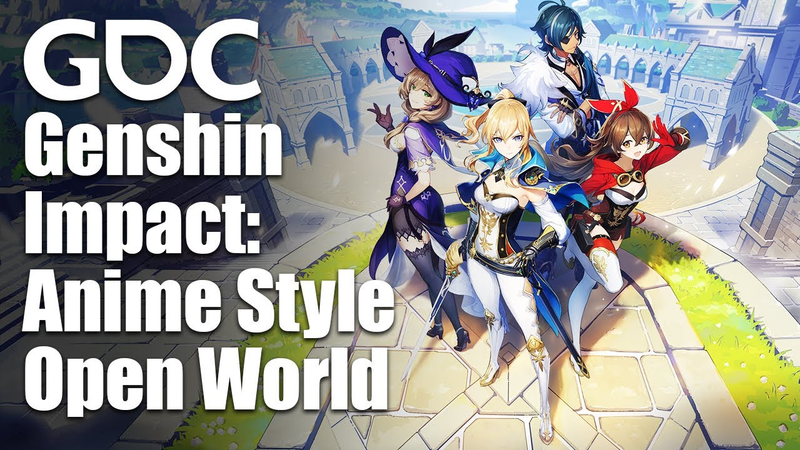
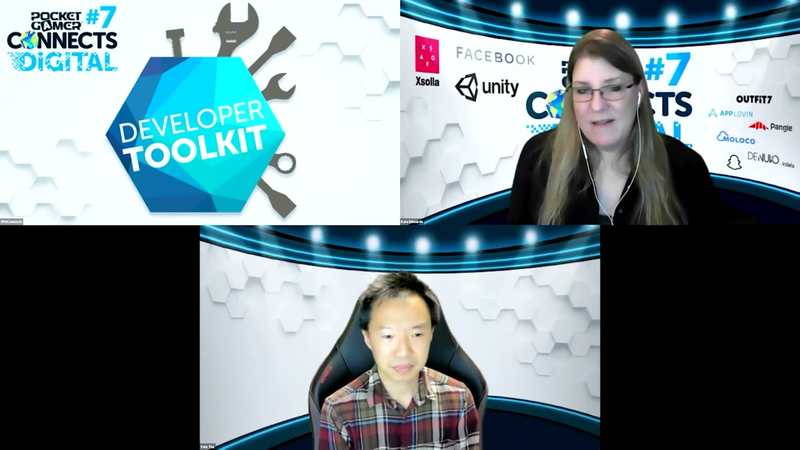
we're going to kick off this track with our superstars session which is the future is cross platform with felix day from unity technology so let's welcome felix hello kate hi how are you good good morning to you too i'm also on west coast yeah okay yeah so we're we're doing the the morning shift today so um well great well let's let's just kind of dive into this so um you know we know that players want to play they want to come together no matter what system they own i mean that's been very clear including across mobile um you know in the past there was a pretty strong divide between games that played on mobile devices those are played on hd gaming platforms like pc and console um however we're seeing especially with games like among us and and genshin impact um there's a lot of uh success that's been demonstrated through
those games that shows that cross-platform can actually work and we know that this has been a something that i think the industry's been striving towards for a long long time for decades um you know i think i even remember working on some stuff one of my microsoft days back in the early 2000s where we were trying to do this um with some limited success so um given this given that this this trend is happening so let's let's explore this a bit so what does matt multi-platform really mean for developers nowadays i mean is it only about porting a game or is there something more to it um there's something more to it i would say um porting and getting it ready is of course a big aspect of making something multi-platform but beyond that um if you're a multi-platform component by this point is online multiplayer right like the whole notion of players trying to play with their friends right now is something that is something that is going to be asked a lot more the development community will need to
do more than just creating the content but also running and maintaining and operating that content so things like services uh multiplayer hosting is one having an audio service that i can that can actually support cross-platform is another one having crash reporting and solutions that can monitor things cross-platform is another one so there's a lot of things that i think you could call it like tools and tech that are running behind the scenes but they are needed for developers to actually find the insights needed to continue to run their services for the players to enjoy playing with not one another so obviously i mean unity has become a strong brand especially when it comes to scalability so what feature do you think gives unity a clear advantage in this space there is a couple one is our hosting solution our hosting solution um is called multiplay it's a solution that
allows you to use our hybrid scalar technology so we have a bare metal fleet that we will manage on behalf of developers so developers don't have to worry about like the complexity of forecasting like how much server capacity do they need when they launch when they operate the game is my game going to be hit do i need more server capacity or i have too much we take care of all that complexities for them we also are cloud agnostics so just in case your you know game becomes a very massive hit and you need bandwidth and server capacity beyond what we already have procured we infinitely can scale into the multiple cloud providers so virtually we have you could say like the best sla the best latency and the best um uptime because it will take all of the entire internet to be down for us to get impacted right well so with mobile games becoming more and more robust because obviously with each generation of mobile we're just seeing
games that are uh un will be unthinkable some of them even five years ago um so it sounds like you feel unity is ready to support this level of robustness within the multi-platform environment um yes our multi-platform environment um like mentioned earlier is at the heart of all of the developments that we do multiplayer is multi-platform the other service that we offer is the voice and chat service through vivos which is also multi-platform and if you imagine uh those two hand in hand those are the like core ingredients that you need to support a multi-platform online community because when people play like you know and say if you play with you know if you play among us if you play fortnite a lot of these games um require a constant online connection which is why a hosting server is needed they also need um a chance for the players to
communicate with each other as they play it around so vvox has a voip service it offers voice your voice is what you prefer it has chat if chat is something you prefer so depending on the form factor of the device as well like like let's say mobile if you're in a busy mobile situation you know your ota connection is not stable busy environment or like the game by itself um is uh relatively asynchronous in nature chat service might be the one you prefer if you're playing a first-person shooter game voice chat might be something you prefer we offer all of those and um those products are multi-platform from the very beginning that's great so so stepping back just a little bit um thinking about like if you're if there's a lot of mobile developers out there who are thinking like should i go cross-platform what are the the challenges going to be what's the impact going to be um so what would you how would you convince them so like what would you say are the main advantages of going
cross-platform right from the start rather than kind of making it an after after thought when the game is done or close to being done the the beauty that i think mobile developers have the advantage of is a lot of hd games are starting to embrace the concept of free-to-play as a concept freemium if you will another term to describe it where the game itself as you basically try it out is free but over time there's a lot of micro transaction that will help support the development community to continue invest in content take um call of duty for example a franchise that i think um it is so much associated with hardcore gaming that you wouldn't imagine that they would go free to play but they did it with warzone so there's a lot of titles that basically go in this area mobile development community has a leg up because this is what we've been doing all along so as we do enter the cross-platform arena i think the expertise that the mobile
development community has on live ops micro transaction engaging a player how to make the game play through activities and events fun is definitely a pedigree that will serve them well as they enter the other side um okay so with um so basically i mean would you say that given the current state of things and especially with the tools like what unity's providing um do you think that the barrier for entry now is lower um or very low than compared to where it was maybe even like two or three years ago um or is this still an issue for consoles or how would you kind of stack up the the barrier of entry between the different platforms much lower much lower because uh one for analytics and crm for example unity provides a solution we call delta dna uh delta dna works for mobile delta dna also works for pc and hd console so uh with a single
instrumentation a single product and a single dash you can actually manage all your cross-platform releases under one window you know what's going on and uh let's not forget if we go back into the heart of unity the whole notion of unity is you only need to build it once because we support um 30 40 platforms that you can basically release to so if you have any interest in um making anything for multi-platform using a game engine like unity will actually help you manage your technology stack a lot easier because you don't actually have to worry about the different builds um the third example i would also give is a certification process for even simple things like login uh for xbox nintendo switch playstation they have different processes on how you can get certified unity has a login identity solution that we're working on that will allow you to basically uh not worry about such certification process so we are um uh one uh we have
technologies like the engine delta dna multiple and vivox that are already multi-platform and it's meant to make the development communities work easy so they need to only build it once instrument it once and it just works across but unity is also evolving with additional need that over time development community will uh want to have such as identity to help make things even more easier over time that's great um with the uh you know with the impact of covet i mean obviously it's got a lot of developers thinking a a bit differently about their games and about releasing and and especially about you know cross-platform as as another solution because we've seen that the social aspects within games were particularly emphasized during covet that the that having those social uh basically the regime of all the social interactions that you would want um and especially across platform because you don't want people to feel isolated just because of the device they use um you know so do you
think that potentially like with because that the social component of that having like these split communities like you know call of duty players on xbox call of duty players on playstation call of duty players on you know different phones and whatnot um do you think that this is going to be a way cross platform is a way to tackle the social elements that we're finally going to break through that barrier because obviously from the player's side that's one of the biggest complaints we hear it's like i cannot play with my friends you know and i cannot afford to go buy the platform that they have um so how what do you think about that in terms of the social impact i think at the end of the day uh to your point kate um people want to play with friends that's been a universal thing ever since um the early form of gaming like if you want to call it modern gaming like board games um has been invented like you gather together with in
your friend's house you play together in a single common board game because it's not really just the game that actually incites this this dopamine this fun but it's the life the laughter the the experiences or the challenges that you experience with people you know and people you want to spend time with um so one thing that i feel is going to happen over time is just generally in the in in the grand scheme of things uh there's going to be a continued pressure for um games to be made available across platform and the continued pressure is happening on all fronts like on the platform side for things to be open um on the development community for uh giving more options for players to connect with their friends regardless of which console or device they have uh with both of those continuing um again i think the the challenge that the development community will need to solve is how do i fulfill that need without actually increasing the amount of development burden
and maintenance burden on our on my technology stack and my game stack yeah of course yeah that's going to be uh some decisions gonna have to be way some priorities there um one thing i'm curious about have you happened to see so far whether or not there's been any particular regional emphasis on going cross-platform like is it a trend that you're seeing in one part of the world with developers versus another is this or do you think this is pretty universal i haven't been able to single out any specific region um so i would say i think in general this is a global trend there might be um there might be some uh regions that have a bit more uh nuanced distribution of uh platforms right like for example um um sony is a a playstation is a pretty popular platform in general but in japan they're they're definitely a lot more popular than xbox so um uh that regional distribution
might actually have a slightly different ones on how um the player community would require the cross-platform uh component uh but that also depends if you're trying to release your game locally i guess so um if you are a developer in japan let's say i think the chances are you want to release that game globally across the globe the same way that if you're a developer in north america you're trying to release your game beyond north america so as long as the word global is in your release plan i think the cross-platform requirement is going to become a more um uh and more and more need over time so out of curiosity i mean are you able to tell us like how many developers are working uh with unity right now and i'm curious like do you have a sense of like how many are creating a multi-platform game at the moment like maybe just as a general percentage or anything like that i don't have the number um right in front of me i can tell you that um unity uh unity
is the predominant mobile gaming choice um as well as overall across hd pc and mobile a lot of people are making more and more multiplayer games these days i don't have the stats right in front of me though no that's that's fine well we have um as we're kind of getting a little bit towards the end but we do have a couple of uh audience questions so uh the first question is uh is this multi-platform online always on structure another step towards the metaverse oh what a great question um um i can't make speculative uh remarks um um uh relating to anything on uh development that we're doing but what i can tell you about the metaverse is um the metaverse is is certainly something that a lot of people are thinking about right now i do believe that our as our digital
experiences are becoming more rich um call it interactive real time 3d the notion of having an ability to have a metaverse is going to become more and more real um unity we are branded as the real-time 3d technology provider so a hosting solution that we have offered in the space certainly will will give an opportunity for us to follow the trend if the metaverse is certainly there excellent um another question does the cross-platform approach work in any geography is there anything we need to keep in mind when taking this approach uh uh help me parse that question is it um um so i think like platform is that specific to any geographies was that mainly well i think it they're asking does it work in any region is it oh yeah it works in any region yeah yeah and so they're basically saying is there anything they need to keep in mind when
they take that approach and it sounds kind of it kind of speaks to the earlier question yeah it works in all regions yeah um another question that just came in how many developers do you have on their books at the moment um what percentage would you say are going cross-platform oh we just covered that um yeah we just talked about that um uh so let's uh move on another question that just came in while the pros are many what are the cons um that we should be wary about from developers from a developer's point of view i imagine sony and other platform holders have some ridiculous guidelines terms and conditions that we have to follow to do cross-platform yes um the development burden to do across platform is certainly larger but again like as i mentioned uh the you're not alone in this um unity is heavily investing our technology um to continue the cross-platform trend many of our core products if not all of them are already
cross-platform from day one the unity engine is cross-platform v-box is cross-platform multi-place cross-platform those are the three main flagship products that you need if you want to run a multiplayer game for example but beyond that we we are also continuing to invest a lot of areas that will help us launch more cross-platform services in the future excellent another question are there issues with monetization models going across platform mobile seems to have very different systems than pc or console for example yeah we we have a micro transaction um support iop sdk we call it that is connected to multiple stores so that's one area that if you're thinking about supporting your game via iap again um linking it into the top track that i made about the liveops expertise for mobile is something that you can utilize again to make development and the upkeep easy and streamlined
well as we're closing out here um just uh briefly that's that was all the audience question we had i am i am curious um so basically it sounds to me like unity is aiming to be more or less a one-stop solution for developers around cross platform i mean unity's been aiming for that one-stop solution for a long time um so how what's the advantage of that to the indie developer um that they're just dealing with with one place in order to tackle this um indie heart unity i think that's uh that's the thing that if uh but don't take my word for it just uh you know check it out on public youtube about the different game engine choices that people have and why people love unity i mean there's one element about the fact that we use c-sharp that people love because i think it's a bit more bounded it's a bit more supported but at the heart of unity it's the thing that i mentioned earlier like you don't have to worry about maintaining different code bases it's just one um especially as an indie community i'm
assuming like you want if you're talking about mobile you want to support both ios and android so you don't have to worry about like connecting micro transaction to the play store and app store single solution will do both for you and beyond um the code base the built target a single code base as a single editor will do both for you and beyond and then let's say oh never mind i want switch too you don't have to change anything it's just check boxes uh to include that platform so unity is made for the indie community to be able to extend uh their development power so you know you can punch above your weight um that's the the beauty of party technology well just just as we're closing out here we just had another question come in uh right now so they say they missed the start but uh sorry if you covered this but what is the current gold standard for a cross-platform game fortnite and among us are obvious i guess but there are are there any other specific titles that you would highlight as being great
examples to look at and to study especially indie titles indie titles um um i would say among us is a good one um i i believe um fall guys is another um for mediatonic is another good title to look at um there's there's a number of uh good titles out there but i think ultimately um um you have this content that you're trying to make the gameplay aspect of course is something that every single game developer will need to design on their own and that's something where i think looking at multi player titles game reviews by players ratings and all that will help you but as far as the tech stack i would recommend like there's a lot of samples uh tutorials and um things that are made available by unity if you want to actually think about making your multiplayer titles so beyond just the
game design how do i do this unity publish this concept game concept game because it's not really a game it's really a tutorial game called boss room you can pick your role playing character what which one you want you can play with your friends and you can try to basically just beat the boss but by playing it and then trying to decipher and peel the onion on the technology being used they can really get you help they can really help you get started on uh making your multiplayer game excellent well with that uh we're going to close out this session so thank you very much been really insightful thank you so much for your time kate yeah take care take care
Summary
The gaming industry is undergoing a significant shift as player demand for seamless, cross-platform multiplayer experiences intensifies. Historically, a clear divide existed between mobile and high-definition platforms like PC and consoles, but the success of titles such as Among Us and Genshin Impact has proven that cross-play is both viable and highly desirable. Data from 2021 indicates that 96% of surveyed developers now view scalable cross-platform solutions as critical to the success of multiplayer games. This transition is driven by a universal desire for social connectivity, allowing players to interact with friends regardless of their chosen hardware.
To support this evolution, development tools are increasingly focused on reducing the technical and maintenance burdens associated with multi-platform deployment. Key technological requirements include robust online multiplayer hosting, cross-platform voice and chat services, and unified analytics. Solutions like hybrid cloud-scaling for server capacity and centralized instrumentation for CRM and crash reporting allow developers to manage releases across mobile, PC, and console from a single codebase. By utilizing these integrated toolkits, developers can streamline certification processes and monetization strategies, such as in-app purchases, across multiple storefronts simultaneously.
The shift toward cross-platform development is a global trend, with mobile developers particularly well-positioned to lead due to their existing expertise in live operations, free-to-play models, and microtransactions. While the development burden for cross-platform titles remains higher than for single-platform releases, the barrier to entry is lowering as engine technology evolves to handle platform-specific complexities automatically. Ultimately, the industry is moving toward a model where developers can "build once and deploy everywhere," enabling smaller teams to punch above their weight and meet the growing player expectation for interconnected, real-time 3D digital experiences.