1 free read left. Create a free account for unlimited reading + AI research.
Create free account
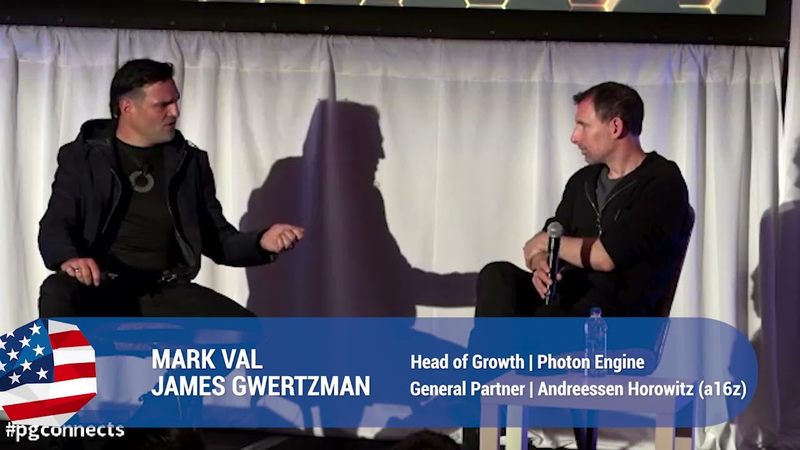
Fireside Chat: The Future of Multiplayer
Key insights
6 takeaways- 01Modern multiplayer success relies on rapid, iterative development and continuous updates rather than rigid, long-term planning or monolithic release structures.
- 02Multiplayer titles are evolving into persistent social networks, necessitating a shift in development strategy toward live-service models.
- 03The convergence of real-time engine technology with virtual environments is expanding the scope of user-generated content, while Web3 technologies offer potential for decentralizing digital assets.
- 04Cloud-native development and AI-assisted content creation are essential tools for managing the rising costs and technical challenges of modern game production.
- 05Studios should prioritize maintaining a playable build throughout the production cycle to mitigate the risks associated with the technical complexities of scaling multiplayer games.
- 06Investors view internal culture—specifically transparency, psychological safety, and a shared vision—as the primary indicator of a studio's long-term viability.
Ask AI about this video
Transcript
[Music] we're going to have james guardsman with me from a16z so obviously when you have a very awesome track record um you go up the ladder uh of the rat race let's say and uh then you can definitely forecast where things are going and and and double on it so one thing to get away from all of these talks so far is that um whatever your expectation in terms of marketing and placement it's really in
the execution that you're going to start to see what is your game for real so there's no point to you know try to do a big business plan you just released the game so thank you so much james for being here today thank you all right so we have some slide as well to come with this so there we go let's wait a little bit it's going to load up but in the meantime so this is the the last part of the photon multiplayer track and and after that it's going to be about liveops which is another subject's favorite topic so by the way the live abstract here is something that we created um like a few years ago when we were building playfab so um there we go fireside chat with james gorsman thank you so much for being here today um so as we kick this off um um so obviously when you
uh when you're when you're in the gaming industry uh for so long you you start at the beginning and as i was saying just while walking on the stage is that you have this race of being an engineer then you become a manager then you become an entrepreneur and then you become an investor right i mean it's quite a story to get there i mean like i first remember meeting james you know already you know eight years ago or nine years ago and already it was a huge story and now we're just piling up on top of it and here you are so i would love to have your take regarding like you know how do you start and get where you're at [Laughter] um yeah i'm not sure how to answer that uh i can say that there was never like a master plan i mean i i definitely uh have always followed sort of passions into uh and sort of saw wherever it took me and i've the one thread that's been
consistent through all of the different roles you just talked about was this intersection of art and technology i've always been fascinated by creating art that is powered by technology and so that's what got me into computer games it's what got me into ultimately back-end systems and and the technology that powers computer games and now it's gotten me into investing and i was not looking to leave microsoft and and leave the business i was running using azure to help build build games uh but andrew horvitz was raising it was looking to hire a general partner to help invest in games specifically and the idea of being able to step back from you know running a company to be able to look at the entire industry in all of its breath to try to figure out where it's going and predict the future and then use that that that those guesses to figure out which companies to invest in that sounded really really exciting so so you say creativity so let me backtrack even more so you know if you go back in time and like a young james gorsman is like i'm gonna create something that people will like right so
what was your belief and your assumption and what did you went through and then eventually that led to the acquisition by pubcap and all that so maybe you can start to shape up that mindset yeah yeah sure so so what mark's talking about is is when i first got started back in 2000 i had been at microsoft for five years i knew i wanted to uh i had done a lot of theater back in high school college i've done a lot of set design i want to get back to doing something more creative and so i decided to start a game studio and i knew that no one was going to hire me to make games but i was willing to hire myself and so i decided to leave microsoft and start my first game studio not unlike i'm sure a lot of us here who are indies creating our own game companies is because we want to create something and we're willing to bet on ourselves and so i took that leap and i was lucky enough to to get get you know publishing contact with sierra online and get some early work with valve and we always kind of get get something going um what i quickly realized is that there are far better people at making games than me like i'm i am there are this great much better game creators and so even though that was my passion i realized my value was not
going to be actually making games myself my value was going to be building the cultures and setting up the teams to go and create you know awesome world-changing games and so you know i was able to basically take a backseat role and then build a team and you know do the fundraising and talk to the partners and all this sort of not very sexy invisible that has happened in the back end to actually build a business as opposed to building a game and that first company escape factory unfortunately when sierra online which is our publisher of the time they went out of business around 2003 they kind of took us down with them because we did not have uh you know another game in their wings and and we lost our funding but out of the ashes of that we were able to pivot into casual games and that became frankly a far more interesting business than what was in aaa development and so we were able to build a couple uh casual games back to back one of them was getting called feeding frenzy feeding friends became actually quite a big hit and we were then a quarterback pop cap and so once we joined pop cap same thing happened you know they acquired us for our our studio and i came in to look i'm
not i'm not a great game creator but i ended up taking on the role of head of business development and sales and so i became basically traveling the world helping figure out what to do with pop caps ip pop gaps games i was lucky enough to visit china back in 2005 before free to play was being talked about in north america but i got to visit 10 cent back in 2005 when no one in america had ever heard of tencent before uh and i remember seeing them building into these casual games or monetized through item sales and thinking this is amazing casual games monetize who's selling clothing and cosmetic items that's really cool we should be doing that and of course at the time pop cup headquarters like that's crazy no one wants to do free to play that's not an interesting business model um and so in the end i did move my whole family to shanghai in 2008 to open pop cap's first ever asia game studio specifically to take our popcorn by p and build free-to-play game versions of it that's actually where i'm at uh um we didn't make until later no but but that was when i first kind of got exposed to um the world of live ops and the world of called online game operations uh and so
uh we built pop cap china up eventually ea bought popcap two years after the acquisition was i was ready to move on and that's when i decided that that you know i'd seen what happened at ea trying to launch a whole bunch of these free-to-play games internally and failing there's a game called the simpsons tapped out which launched i think it was august 2011 or april 2011 and the game launched and hit number one in the app store and they take it off of the app store five hours later because the service had all collapsed you know the back end could not keep up with the load at the time and remember thinking wow if a billion dollar company can't keep up with the load from the servers on the launch of a successful game what hope does any small studio have and that was really the inspiration behind playfab and trying to create a cert you know you need the back end a company that would build backend servers that would sort of magically scale for whatever the load is so let me get back a little bit yeah so so you are in shanghai um coming from ea and all that and then you have plant versus zombie that needs to grow in asia and and then you start from nothing
and building up this huge studio and then you added four studio ethan i believe with time um so then you move from the engineer that wants to create to getting acquired and then you become this manager that will grow an ip brands in a foreign country in a different language with different culture so what was your mind process through that because definitely you're there like okay how i'm gonna succeed uh so what was your your approach to be able to uh unlock the success in asia for plant versus zombie yeah so i knew it's a good question so china at the time was just as scary for a westerner to enter as it is now i mean china is a huge but but you know intimidating market to try to enter and i went in with a very sort of humble mindset i did not think i had any of the answers in fact i knew i didn't i didn't have any answers what i did have was a desire to learn and a desire to figure it out and a desire to try and um you know
meet the market where it was and so and a lot of western companies at that time ea included had gone into china and spent a lot of money and come in a very sort of arrogant attitude of we're going to come into this market and we're going to just you know show them how it's done and build games the western way and that's going to you know win this market and that was not my approach because all those companies had failed and none of them had had any real track record of success instead we came in and said look we don't know what we're doing but we're willing to learn and we partnered with local companies we hired an entirely local team very few expats came over with me uh most of our team did not speak english that was not a requirement to build that studio uh and and it worked we were able to you know we we in the end ended up building our first big game was plans for zombies great wall edition which is the chinese version of the game it was the first free-to-play version of plans for zombies that launched anywhere in the world we did it on mobile and we learned so many really interesting lessons about the chinese market from that game like for example you know the initial game when we first launched it i think was 100 megabit download and you know and then we kept like shrinking the download
every time we have the size the download we more than doubled the number of downloads and so by the end the final game i think was like seven megabytes it had like no music it had very poor sound effects it had much compressed graphics and it was making way more money selling way more copies than the initial version we sold which is huge and and was an example of a game built for a western market that was not finding traction in china so so you pivoted the game for asia and then obviously that led to the success of plan versus zombie in asia and a while after that so you you exit that part and then we and then we met each other in 2013 14 started playfab uh which again was you know quite quite a story on its own building that up and growing it and and that led to the acquisition by microsoft in 2018 and then you stayed as uh gm for for quite a while again and then you left a few uh like a year ago or how long is that six months ago okay there we go so um um
so true through that journey of being an entrepreneur uh again so what was the the the mind the shift that you had to do because obviously being building a startup of that scale is much different because then you're a service provider you're not anymore creator let's say so what was your what was your biggest learning of that journey yeah so so you're right going from being a game creator and being sort of the person who buys services to being the vendor who's selling services is a real shift and i was not you know i would come to conferences like i used to come to conferences like these purely to like see friends and hang out and learn and then i was coming to conferences like these trying to sell and that's not always a comfortable role because you don't be the annoying guy he's like hey what are you doing i want to sell you my services um but it's it's it's an important point and and i think again what made playfab successful or part of what made us successful was because we all came from a game creator background we were very much the attitude was never we're here to make a lot of money the attitude was we really want to make our customers
successful we really are trying to build services that will help games come to market faster be better and and and i'm like legitimately motivated by i just love tools and services i love there's something about instead of service tech that um it's like i'm a woodworker i like building things with my hands and i love i love tools and good tools unlock creativity uh in a really exciting way and given that i'm not the world's best game creator i've always had this sort of backstage role and to me an infrastructure company is the ultimate example of a backstage role where you are seeing these creative people who have these amazing ideas and you're giving them like tech and they take your your your tools and they do magical wonderful things with them and that is such a great feeling when you see someone building something you know you'd never create yourself with the tools you provide um and i had a chance to do the playfab and then once microsoft bought us and i was helping sort of position azure for the games in three doing an even bigger scale with an even you know bigger budget even bigger team but same goal ultimately helping creative game studios be more successful that's right
so one key learning is that even if you have a very good business plan a good idea it's not until you launch your product that you're going to learn what you have to do so launch as fast as possible i think is the key both for plan versus zombies and for playfab as well so let's change of subject so so obviously this is the current state of multiplayer uh multiplayer has you know been very similar to the years if we go to that you know past 20 years and now multiplayer as we see it at photon is exploding on mobile is exploding also in non-gaming for metaverse and other kind of application so so what do you think it is today multiplayer and what what should what should people think about it um so now that i get to wear this investor hat my job is to now obviously figure out which companies do we think are going to be successful and ultimately invest and investing is not just writing checks but it's also about actually trying to help our portfolio companies be more successful by busy coaching so there's sort of this
coaching role that goes with it um when we're investing we're looking for a very particular type of company to invest on the on the content side and to be honest with you almost every game studio we're investing in this multiplayer because when we part of the reason why a vc firm like andrews horowitz is investing games and we were not investing games as much say 10 years ago it's because games have suddenly emerged as this legitimately interesting asset class i mean when a game like fortnite is making 5 billion dollars a year at its peak that is an investable opportunity right and what makes games now suddenly investable and where they weren't before is as i think four or five things uh the fact that games are basically social networks now right games have you know you know the communities they have social connections they have friends they're multiplayer they are creating you know ties between people that makes them keep coming back over and over again right games that are multiplayer having just inherently higher levels of retention levels of engagement levels of monetization all the things that make for a successful business that's number
one number two games that are services or games being run as a service which means you're not just building it and shipping it and then once a player has played for 10 15 hours they're done it's again they can potentially live for 10 years or more in fact the best games do and so that ability to continue operating and investing and managing you know it's it's tied to being multiplayer it's also tied of course to be able to have a live ops model and live ops in my mind is intimately connected with multiplayer because that's what helps create fresh experiences that keeps players keeping keeping that that experience yeah definitely and we have this thing that um liveops was last decade and now multiplayer is this decade and you mentioned communities so obviously one thing that we have seen on north side is that the more you empower your communities the more value they put into them and the more they grow organically so what is a good community in you know 2022 and and where this can go uh mapping and you know it's still to be written but what's your take on that
yeah so one of the i mentioned already social networks and community uh another thing we're looking for in the companies we invest in is ugc right user generated content because when when you're empowering your players to create content and to sort of enrich the community by giving back um not only is that itself a great form of of engagement for certain players but it's actually making the community stronger because you know again it's it's it's new content it seems to keep it exciting players get to talk with each other they get to get feedback that is a form of community so back when we were um when we got acquired by microsoft there was an awesome game that you might know called minecraft and then minecraft had a super awesome user generated content system which just got released in playfab a few months ago so you should you guys should look at this to see how you can implement that in your game because it's turnkey solution and you can do it as well but communities definitely are going uh in every direction one of them
is web3 games and metaverse it's very hard to go um you know and not talk about that simply because of the amount of money that went in the last 12 months and obviously a16z put you know put a lot of tokens on that side so um uh what do you think about this current trend and and and you know where do you think this can go yeah so any conversation of web three especially in the games context is a little bit fraught because you know depending on where you sit you may think this is you know an amazing opportunity to completely disrupt the entire industry you may think this is a bunch of you know folks trying to profit from pumping and dumping schemes or something i think the reality is we have a very long-term view of web3 we are extremely bullish on the opportunities of web 3 to create um you know to basically decentralize the internet to basically you know we're big believers that what's happening and it's not as i talked about in the press and it's a little bit
behind the scenes if you're not following it very carefully is a systematic rethinking of all the key systems of the basic power of the internet and so when we talk about web 3 this really is this idea that we've you know web one was was uh you know the old old school build a couple websites and that was that was your business static pages you know web 2 was players you know you're just creating their own content and and sort of micro services web three now is completely decentralized where you have you know every every sort of aspect it takes to build you know a business you're no longer tied to these handful of sort of key centralized companies but you can now go straight to to end users so for example you know one of the most famous ones you ever talked about is nfts right and the idea that you're actually owning you can actually own digital content and i think they often you know very controversial because there's a sense of oh nfts are you know have these crazy sky-high valuations and that gets all the press what i think is much more important than the fact that these nfts have high valuations the fact that you actually can now create digital content that anyone can actually own and and provably say that's mine that that
asset actually tracks back to me in a way that is is able to go across any game any community any portal uh it's it's it's it's it sort of slices horizontally across all the different different walled gardens and that's really where i think we've touched up a metaverse here i think the real opportunity we have in gaming is to get away from wild gardens right traditionally games have been these very very close environments where everything happens inside the game is completely controlled by one company and and one company only and you know even the sense of who i am as an identity is usually different in each different game there's no way to tie it you know across these my friends network is not tied across these different games my ass is certainly not tied across these games and the ability to start to break these up and say okay i have an identity that can jump from game to game to game i potentially have assets that can jump with me if it makes sense for the game i can have friends that come with me all of these are things that can get unlocked as you move to the to the web three and so that's where we see a lot of the really exciting opportunities
and there are so many smart people working in web3 part of why there's so much buzz here is because there's a lot of people who are going to it and not not just because for the most part that's because i think this is an opportunity to make money because they actually see a wholesale revolution happening in terms of the technology and a really exciting opportunity to come in and build brand new infrastructure from the ground up uh which i think is you know it's like you're reinventing a lot of the basic machinery all over again and that's a very exciting exciting time so definitely and another key point is that um you know it's generated content user generated content which touched back pretty much the other point before is that you release something and then you figure out if it works or not but ultimately if you give the power to the end user to create whatever they want they will after that you know market themselves as well which is extremely good organically in in many ways and so the the obviously metaverse on our side we see a lot of non-gaming going metaverse um in term of webtree or should i say pay to win or have being
able to read raw money from a game uh there was the auction now story from diablo that was you know a nightmare if you go back in the days diablo and uh and a few other examples it's going to be interesting what what is what is the key sauce over there but um there's still a lot of discovery to be done so um so obviously like these are new techs uh technologies that are available but then there's so many new technologies prodding everywhere so for example there's cloud gaming there's developing in the cloud there is uh tech regarding compression uh there's the old defy movement decentralized finance that we've just talked about um so what do you see in term of tech that has been on your radar and saying huh okay that's a new take on your spin so okay so there's three tech innovations that i'm spotting that i think are really important that we should all keep an eye on the first is ai for content generation i
think that if you think about games they keep getting bigger they keep getting more expensive to build the metaverse is going to bring even more people into the world of trying to create 3d online content uh and it's expensive to build this content and and yet at the same time we're starting to see ai tools now emerging that are incredibly powerful in their ability to help create new content so um you know there's a company there called kinetics that can take any it used to be if you wanted to create an animation of a character you either did it by hand which is very hard to make it look realistic or a motion capture where they put someone in a suit with all these little you know photo reflective balls on them and have them you know move into space with a whole bunch of cameras and there's a very expensive proposition to capture motion capture data there are companies out there now that can take any video like any youtube video and just from the video turn that into an animation that you can then put into a game as a on a character animation it's it's still in its early days but it works and it's amazing and it just and this is the early days imagine a few more years down the line once it's matured i think we really will
be able to take any video and just capture animations hit off of characters um similarly three objects i've seen tech now where they can take any object a couple photographs of an object and turn into a fully rendered 3d model in a way that bypasses the need to kind of manually create the mesh so i think i think you know those kinds of tools are coming there's a the famous dolly demo from openai which is if you haven't seen it it's this amazing image generator where you tell you type in a textual description of what you want and it gives you an image and again it's just more like a proof of concept but it starts to imagine the day when the artist is not creating content by hand but working with the computer like an assistant saying give me an island and like no i'll make a little taller over here now add some palm trees now make it water no i'm going to storm i want to boat shipwreck i want and then you know the computer is working with you to create the scene until you're basically done and now you've got your entire 3d environment built out and it's all done by basically talking to the computer and telling you what you want i think we're getting there and so i think that's one whole very exciting area this notion of sort of computer as ai assistant helping
you the creator build your your game that's one color another category that i'm really interested in is rethinking the content production process by moving to the cloud and making it cloud native so i think if you think about how games get built today they're still very much built in the old school model where you download all these assets to your machine you know you build it all locally you know you check in code to maybe github or perforce or something the art assets live in a giant shared network drive somewhere you can never find the asset you're looking for you know building the game takes you know 10 to 14 hours if it's a huge game you know and it and it's an incremental process is slow i think we're rapidly getting the point where the game engine lives in the cloud all your assets live in the cloud what you're playing is simply a stream off of the cloud so you're not ever having to ever actually download anything to your local machine and build times are instantaneous you know you and you no longer have to do all those like awkward exporting of layers you take your photoshop file upload it straight as a psd file in the background it strips all the layers out on mac it turns into textures everything's managed for you it's all you know version
controlled and when you check in an asset within a few minutes it's already in the game and you know and because it's all running the cloud you can do you know configuration changes on the fly and see the updated changes in real time and then you can have potentially you know if you're on a conference call with your colleagues trying to review a game you know you're all able to watch the same game off of a single url in real time and see literally the exact same feed together uh which is increasingly important when we're in this increasingly decentralized remote workforce environment so i think that's coming i think that's coming pretty fast and i think pretty soon we're going to laugh at the fact that we ever ever had to like you know hit sync and go away for an hour and wait for a bunch of files to download to our computers before we could actually get to work each morning um because i think that's that's that's coming fast and then you have the third one you said yes and okay and the third one um is in the spaces sort of multiplayer and just the idea that um you know we we yes we've mastered a few dozen players we've mastered a couple hundred players i think we really are getting a world where if we want to we're gonna be able to have tens of thousands or millions of
players and and and obviously not every game is going to benefit from that but for the ones that do for these massive virtual environments i think it's going to be you know pretty transformative and and and and not just be not just have millions of players together in online spaces but you know be able to have computers helping us look for anti looking for toxic behavior looking for harassment looking for things that make these less safe spaces than we want to be in so mainly elements about creation creation with ai i saw some really awesome libraries working as well what i saw on my site is aiqa so so you have like your character npc whatnot that is just you know you just bombard it with ml and um and that way you can find a lot of bugs very fast in your game and then the same way to create bots that are a player like literally a player so those are growing as well super good insights so obviously when you go into those categories
which are tools that are not necessarily available today so you need to build them up make them available make sure it works so there's risk involved to it so how do you manage risk in terms of both investing in those service stories but also in those game that wants to create something that is new that never been seen anywhere before okay that's a tough question uh i know one one way to manage your risk is you know i call it kind of you know run early run often like when you're building your game and and this is probably common sense now but just have it playable from day one and make sure it's always playable and just continually incremental improvements or as you're adding innovations as you're trying new things out you're able to continually be trying them out and playing them in the game never getting too far between sort of playable versions of your game so i've seen a lot of games that end up going up the rails it's because a game wasn't playable for six months or a year because they were making some huge change that sort of
broke everything and so staying disciplined about always being able to play your own game while you're building it is a really important way so how will you quantify a company that does that very well do you do you expect them to for example give a form to their players or users to fill to tell if they're happy or not so what kind of tooling or approach that they need to implement for you to be satisfied regarding the way they'll first launch their service or product well i mean as an investor when you're talking to game studios you just ask them how often do you play your own game and you know the best ones like every friday we have you know you know for a couple hours we all like stop what we're doing and play the game together and that's pretty consistent if you see teams that are playing their own games during development and really have a good time that's a good sign you know if the teams are like oh no we don't it's not running or we can't run it or it'll be a year before we can play this game you know that's a little bit more of a warning sign and then for the games that already a lot of other companies that have games already live the ones who do you know weekly updates and are continually updating the game
you know you and i were talking in the hall earlier about a company called kabiri games you know aka fluffy fairy games they were great we loved them because they they literally shipped that update every week and and they and you know we watched that we watched backwards at playfab we would watch their mal you know their monthly active players grow you know month after month after month it just consistently kept growing because they were so focused on continual innovation continual updates to their game so that's another way to manage your risks is don't sort of wait for these massive monolithic updates that where you hope it's going to work out and if you're wrong you've just burned six months of your dev time but doing incremental updates you're continually able to measure how you're doing and see how the game is so the the game of fictionary games is idle miner tycoon and the way they were doing it is that they were releasing a feature for five percent of their players and then they were monitoring how they were iterating if they were successful and they were judged do we pull it out or leave it in for the whole crowd so that's one approach to manage risk and it's been successful for them and i'm sure it's going to be successful for
others so obviously gaming is here to stay we saw it during covin fun makes people happy right and gaming is a good vertical definitely so do you think that gaming will go beyond games meaning that obviously we you know the year 2000 we learned heard about gamification disk gamification that um what we see on our site is that education healthcare and other verticals are also being influenced by gaming but my question is really more about gaming content and devices so where do you see this going so we talked a bit about ai obviously but what's your vision on that yeah so first of all you're just going to talk about sort of gaming moving to these other industries and i think that is one of the really really important features of gaming is that i think the metaverse is coming the metaverse will be built by game companies on top of game technologies but will be used by sort of
all industries it will not be used by just gaming and we already see this we see interior design companies using gaming technology to do virtual walkthroughs of homes you know we see you know military doing game you know wargaming using gaming technologies um you know the mandalorian i'm sure we all know the mandalorian is you know sort of massive um revolution in film production or television production because the mandalorian is filmed not against a green screen as it would have been done but against a massive led wall they called the volume where they were using the unreal engine to do real-time simulation of virtual sets and so when they're filming in the camera what they're filming is the actors against a virtual backdrop but they did not have to later go in and swap out the background it was actually captured in camera which was especially exciting for men learning because his costume's so shiny if they had had to you know add reflection mapping onto his shiny you know costume later it would have been prohibitively expensive but they actually just got all that stuff for free by simply using this volume and and and the reason it's so exciting is not
only were they using you know real-time game tech on the set of a movie but what it really means is you're starting to get these new virtual uh backlots of virtual sets where you can imagine to create that you know television show they would build out the environments for all these different sets to be used for filming the show but once you've got the set done in the virtual world wanted to turn it on and let players go in there and walk around and start to now build games in those same environments or and talk about ugc open up your fan community let your fans create their own content inside the exact same environments that are literally used for filming the television show and so i think that's where we're going to start to this really interesting convergence is you know we talk about the metaverse i think the metaverse is going to be this interesting convergence point between building virtual worlds that are tied to sort of you know ips and and and entertainment properties that span games and television and film and so forth where you can open up an environment and let people get in there and start to create your own content and i think that's where things start to get really fascinating yeah definitely it's growing very fast i
mean there was an old uh old wing at the recent marketing event in las vegas that was only about xr and and multiple companies showcasing how you can do uh motion with your phone grabbing your face and implement that in real time and then there's gaming companies being poached by these entertainment businesses so definitely like for us we're game devs um we hear about all these new texts but ultimately it's about building a good game play so what would be the advice for game devs are starting today or that they've been grinding for a few years and you know they're still hoping for a success um what would be the the number one advice so obviously we've talked about a bunch of them already which is yeah launch first iterate often uh listen but um maybe we can go more on the tangent of like how to build a team and how to uh make that
successful yeah i was just going to say again putting my investor hat on when we're looking at game companies we rarely have the opportunity to invest in a company after the game's already gone live because at that point they don't need our money anymore and so we're typically investing companies before they go live which means we don't have any numbers to look at we can't make a decision based on the success of their game so the only thing we can look at is their team and so team and team culture become really the only thing we're sort of making a decision based on because ideas will change we know that we're never rarely betting on ideas we're usually betting on on the team behind the idea and so team and team culture matters a lot and so in my own career i've been ceo now of three three or four different companies when i counted and i think the the the thing i've always focused on the most is the culture of the team that i'm building and being very deliberate about that culture and really thinking to yourself what kind of a culture do i want and having a very strong opinion on that being able to explain to my employees what the culture here you know is or should be and then being able to use that as a filter when you're hiring to say okay that's a person i'm not going to hire because that's not the culture
they're not going to fit our culture and and so what does it what do you mean by good culture in my mind a good culture is transparent where people on the team are open to each other and honest and don't feel like they have to you know hide information uh safe people feel they can make creative especially when you're doing creative when you're trying to reward innovation and creativity if someone feels like they're going to get punished for making a risky creative choice you know as opposed to celebrated for for failing that's a that's a real challenge where the team really has each other's backs where instead of this notion of of i'm not going to help you because that's not my job you know the sense of oh please let me help you because we're all in it together where the team is aligned there's a very strong shared vision they're all working toward together and everyone feels like they're on the same page toward it you know you can tell when you're visiting a company that has a healthy culture because people there are motivated they're energized they're excited there's a palpable sense of energy and you can tell when you visit a company has a poor culture because there's a sense of people are not collaborating that lack of energy and buzz just isn't there uh and and and
that's that's matters and so i would say as a game developer many of us came to the game industry because we want to make games but the the the the the thing they don't tell you is to make great games you have to have great teams and so the art of making great games is really a people art not too much of technology art where the art of building and managing a team and and encouraging your colleagues and being able to kind of collaborate and communicate those are the most important skills from those come great technology great gameplay great art and so forth and and my side i saw both sides of the story which is companies failing because of culture that was just draining money out of the company and not necessarily putting it in the product versus other companies that saw that decided to pivot the company you know uh flip out thirty percent or fifty percent of their workforce to really refine our culture and then being able to go in the right direction and grow the company afterwards um fantastic advice so
so we're going to have a bit of time for questions definitely but so anderson orc was a16z it's a multi-billion dollar fund uh but you've just started a new program which called smart which is dedicated for game developers so maybe you want to talk a little bit about that before we go to sure so so smart is our version of an entrepreneur in residence program but you're not literally in residence so you almost think of as like y combinator for games through a16z so we've announced this program where we basically million dollar checks for you know i think roughly seven percent of a company uh and it is designed to be a much simpler lower barrier process than going to the official fundraising route and so uh and it's meant to be appealing to entrepreneurs who want to start a company but don't yet have the whole company set up you don't necessarily have maybe even your legal incorporation you don't have a whole team hired you're not ready for the full fundraising route but you have an idea you have a strong track record you're ready to start a company this is our program for that and so like
i said it really is almost like a y combinator but we're looking for specific game entrepreneurs so if you're looking for a good board member that has a lot of expertise and experience obviously james is here if you have a good product or a good team definitely you should talk to them and and hopefully it's going to be successful and you also have very good colleagues with you have a lot of expertise and experience that can bring a lot of advice to any company that is required to go forward so uh so we have time for some questions uh so uh please raise your hand uh we're gonna have a microphone that's gonna uh move around for you to ask questions um uh obviously we there's a lot of side that we went through the last 40 minutes but now the time is yours so don't hesitate to raise your hand you have your chance [Laughter] so okay so let me uh move forward with
that then so um um so you know like um a million dollar for seven percent is uh it's quite a lot of money right so um uh what kind of studio would fit in that um scope of uh of of uh of company they would they would like to move forward with that so i should start by saying up two million dollars yeah half a million dollars uh and uh you know the other ones it actually goes fast you know once as soon as you've hired you know a few engineers and you've you know gotten yourself maybe a space that's a year's worth of burn you know so it does go fast and um so for anyone that is online obviously can uh reach uh to james so how can we reach you how can we yeah so my emails out here you're welcome to email me directly my email is really simple it's james g at a16z.com so here we go i'm on linkedin you can find me linkedin and uh and so forth so thank you so much james for being here
today so that concludes the multiplayer track so please everyone have a random thought you
Summary
Success in the modern gaming industry is increasingly defined by rapid execution and iterative development rather than rigid, long-term planning. Developers are encouraged to launch titles quickly to gather real-world data, as the technical challenges of scaling multiplayer games often exceed initial expectations. By prioritizing a playable build throughout the production cycle, studios can mitigate risk and ensure consistent engagement, moving away from monolithic release structures toward a model of continuous, incremental updates.
The industry is currently undergoing a significant shift toward live-service multiplayer titles, which function less like traditional products and more like persistent social networks. This evolution is supported by the integration of cloud-native development and AI-assisted content creation, both of which help manage the rising costs and technical complexities of modern production. Furthermore, the convergence of real-time engine technology with film and virtual environments is expanding the scope of user-generated content, while emerging technologies like Web3 offer potential pathways for decentralizing digital identity and asset ownership.
Ultimately, the most critical indicator of a studio’s long-term viability is its internal culture. Investors prioritize teams that foster transparency, psychological safety, and a shared vision, as these human factors are essential for navigating the volatile nature of game development. By leveraging technology to empower creative teams and maintaining a humble, customer-centric approach, developers can better adapt to the evolving demands of the global gaming market. This strategic focus on agility, combined with a robust technical foundation, remains the most effective path for creators and service providers to achieve sustainable growth in an increasingly competitive landscape.

















Comments