1 free read left. Create a free account for unlimited reading + AI research.
Create free accountReport Breda University of Applied Sciences
1 free read left. Create a free account for unlimited reading + AI research.
Create free accountReportBreda University of Applied Sciences
Dutch gaming start-ups that survive roughly four to six years are typically very small and project-based. They depend on a handful of key partners.
This study examines long-run Dutch gaming start-ups, companies that have survived roughly four to six years, with the aim of understanding what keeps such firms resilient in a sector marked by high cancellation rates. Drawing on a qualitative, exploratory approach grounded in complexity theory, the researchers conducted group interviews with co-founders of 20 gaming start-ups, including firms that remain active as well as those that have temporarily or permanently ceased operations. The work is a collaboration among Dutch Game Garden, the Dutch Games Association, and Breda University's Academy for Digital Entertainment, and it seeks to supply sector-specific management knowledge that general business frameworks often lack.
A central challenge addressed is how to define and measure survival and growth. The researchers relied on accounting measures, benchmarked against sector codes using Statistics Netherlands (CBS) data, while acknowledging the limits of that data and the difficulty of obtaining company-level figures directly. Interviews with executives from 12 companies revealed firms that are typically very small, project-based, and dependent on a handful of key partners. The most common pivotal changes were shifts in core business, including product orientation, revenue models, and partnerships, which the authors position as the main mechanisms through which these start-ups adapt and endure.
Five themes of organisational change emerged among the 12 long-run companies: product or service orientation, revenue model, key partners, staffing, and scale. Six drivers were identified, with personal entrepreneurial motivation the most prominent. Among eight ceased or paused companies, poor sales and psychological resilience played major roles, while none cited changes in key partners. This suggests that organisational fitness depends heavily on the strength of a firm's network once personal motivation is not the limiting factor. The authors conclude that CBS-based benchmarking is constrained for this sector and recommend a future mixed-method study that pairs a quantitative survey with interviews.
Breda University of Applied Sciences · 2026
Breda University of Applied Sciences · 2026
Breda University of Applied Sciences · 2026



Breda University of Applied Sciences · 2026
Breda University of Applied Sciences · 2026
Breda University of Applied Sciences · 2026



Breda University of Applied Sciences · 2026
Breda University of Applied Sciences · 2026
Breda University of Applied Sciences · 2026
Breda University of Applied Sciences · 2026

Breda University of Applied Sciences · 2026
Breda University of Applied Sciences · 2026
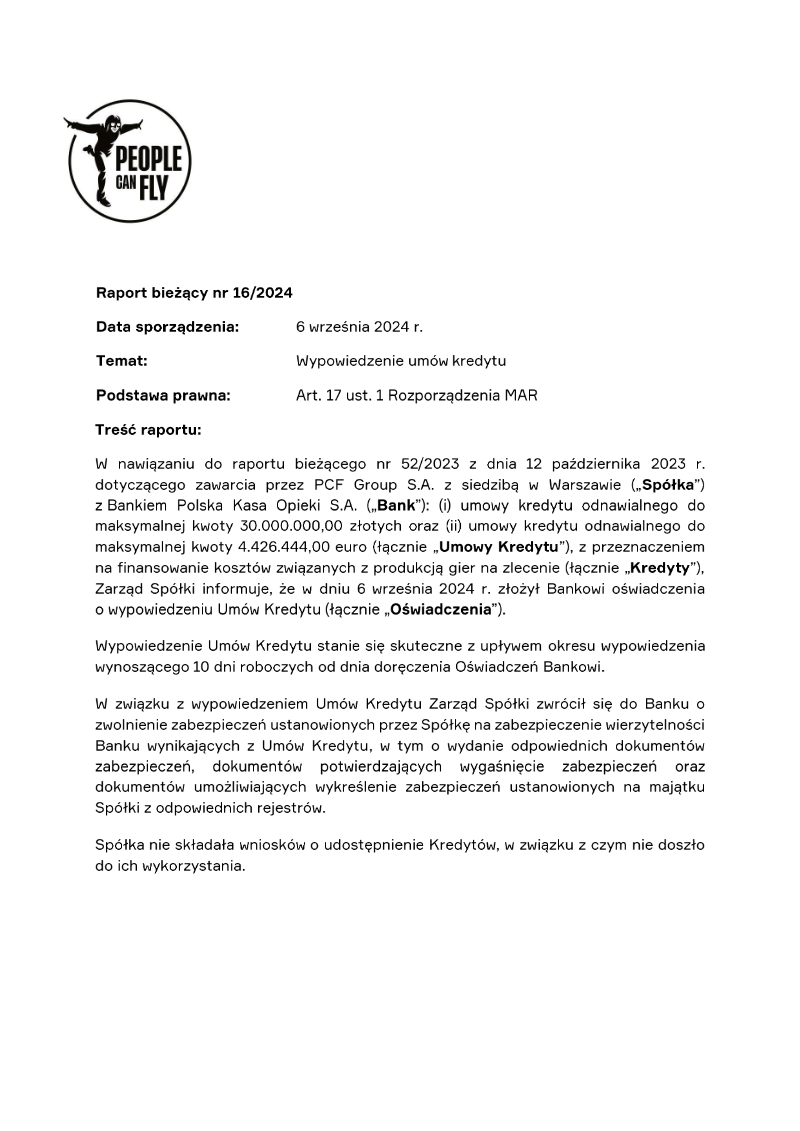
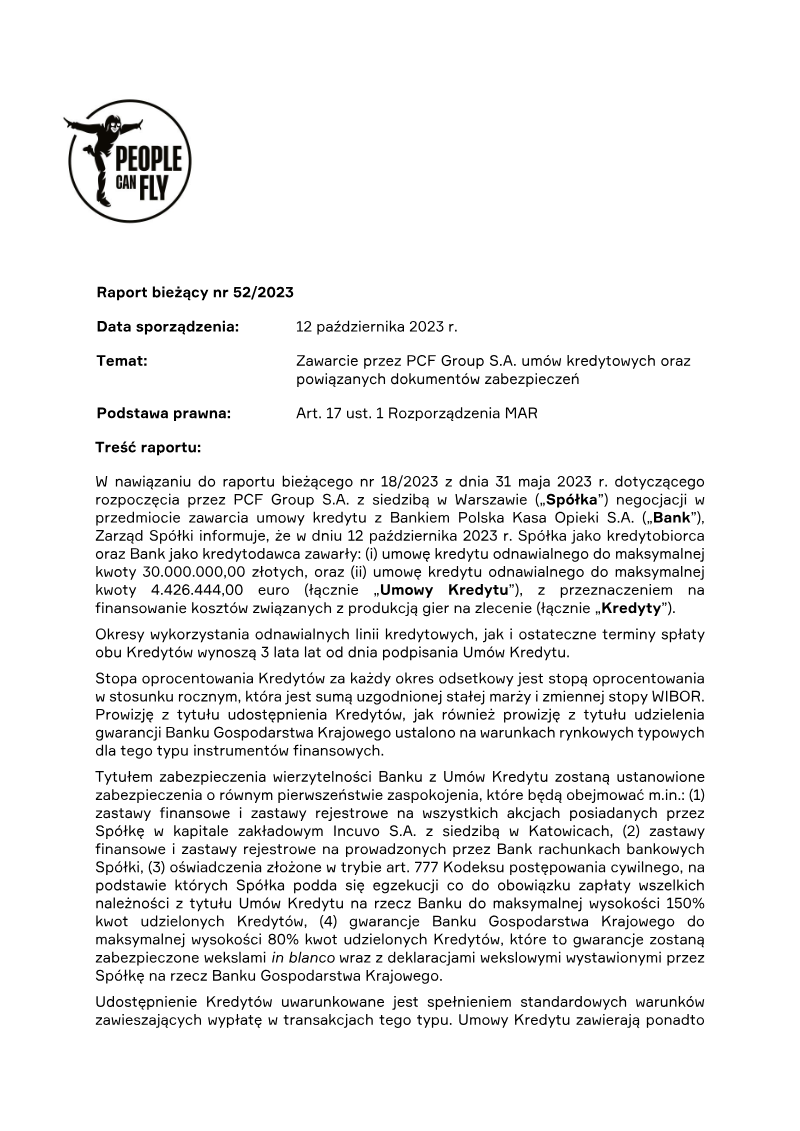
PCF Group · 2024