1 free read left. Create a free account for unlimited reading + AI research.
Create free accountWhitepaper DiGRA
1 free read left. Create a free account for unlimited reading + AI research.
Create free accountWhitepaperDiGRA
The paper covers the Unity Asset Store, Unreal Engine Marketplace (now Fab), Godot Asset Marketplace and itch.io.
The document examines the presence and representation of ancient history within prominent game development asset stores, specifically Unity, Unreal Engine, Godot, and itch.io. It aims to bridge a gap in historical game studies (HGS) by analyzing how these marketplaces function as "infrastructures of imagination" and "mediators of historical culture," akin to museal spaces that curate and present specific versions of the past. The central thesis posits that asset stores offer a "feasible antiquity," providing accessible, ready-made components for history-focused projects, particularly for independent and amateur developers with limited resources.
The methodology involves a two-pronged approach. First, a quantitative overview will be conducted, focusing on ancient Greek, Roman, Egyptian, and Norse/Scandinavian assets across the four selected platforms. Variables such as asset name, historical period, creator, date, type (e.g., weapon, architecture), style (e.g., low poly, photorealistic), store, price, and declared use of Generative AI will be collected to facilitate comprehensive comparison. This selection of historical regions and platforms is based on their widespread recognition and popularity in game development.
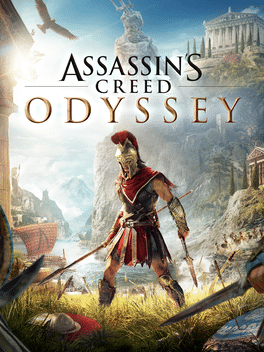
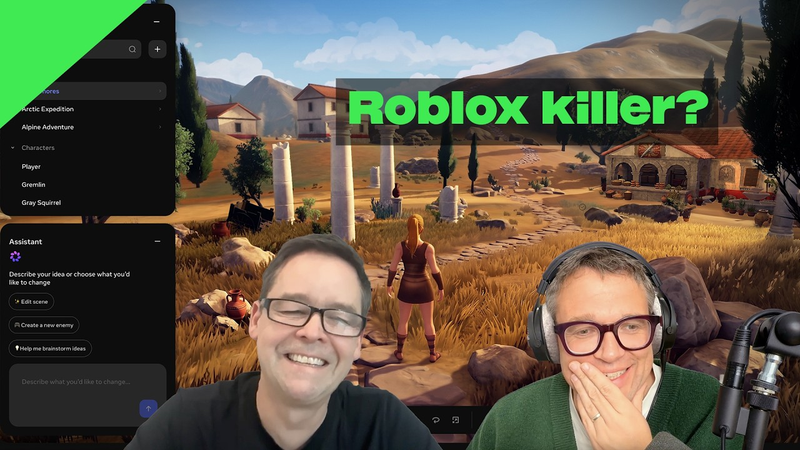
Second, a qualitative analysis will assess how history is represented through these assets and compare the "individual historiographies" presented by each marketplace. The analysis will also examine specific game titles that utilize these assets, exploring how their usage influences the historical representation within those games. Examples provided include Poseidon (2024) using a photorealistic "Greek Island" asset and Summa Expeditionis (2024) employing a "LOWPOLY - Roman Legions" asset, demonstrating how these choices contribute to particular aesthetic and historical narratives, often echoing AAA titles like Assassin's Creed Odyssey. The document concludes that while asset stores provide affordable and feasible options for historical recreations, they are not neutral, as they inherently prioritize and shape specific interpretations of history.
Each row is a game or company this document names, each column a document, oldest first. A mark means that document names it. Select a row to see those documents.

DiGRA · 2026

DiGRA · 2026



DiGRA · 2026