1 free read left. Create a free account for unlimited reading + AI research.
Create free account
F2P Sales & Merchandising | Best Practices for Mobile Games
Key insights
7 takeaways- 01Revenue optimization relies on bundle architecture and price anchoring, which use subscriptions and bundles to provide value comparisons against standard in-app purchases.
- 02Success in modern free-to-play mobile gaming is increasingly driven by sophisticated merchandising and maximizing the lifetime value of existing players rather than relying exclusively on user acquisition.
- 03The TTO framework—targeting, timing, and offer structures—serves as the core strategy for creating personalized, high-converting monetization environments.
- 04Effective player segmentation requires moving beyond demographics to utilize behavioral and psychographic analysis, including RFM analysis, k-means clustering, and machine learning models.
- 05Merchandising efforts must balance short-term revenue spikes with long-term retention by aligning sales tactics with in-game events and regional market nuances.
- 06Automated sales funnels should be deployed using either fixed calendar events or machine learning-driven, trigger-based delivery to ensure offers resonate with specific player motivations.
- 07Dynamic pricing models, such as step-up or step-down offers, should be implemented to maximize conversion rates while carefully managing the game’s long-term economic health.
Ask AI about this video
Transcript
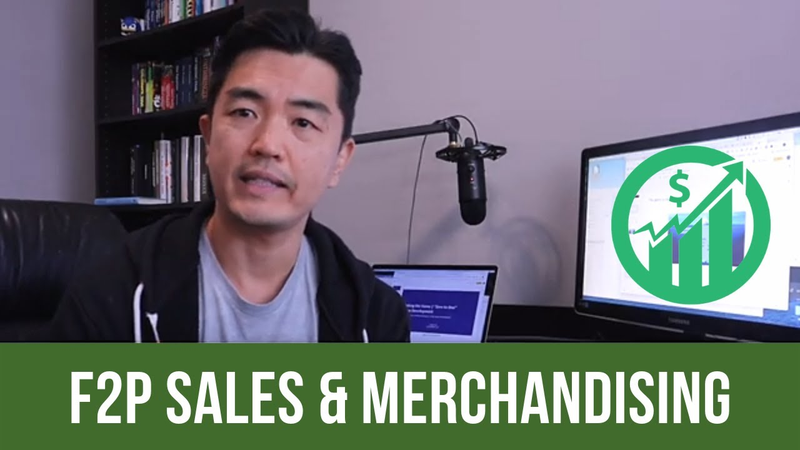
hey guys when it comes to free-to-play monetization sales and merchandising is actually one of the most impactful ways that you can help increase the monetization potential for your games at the vancouver GPM forum the games product managers forum I gave a talk on my thoughts with respect to best practices where the latest approaches and techniques as well as my own framework for how you should be thinking about sales and merchandising to break it down and to try and improve how you build the sales and merchandising infrastructure for your game so without further ado I'll take you to my talk in Vancouver right now presentation I want to give today is about free-to-play sales and merchandising and just to give you guys some context this is an area that I've been studying and I'm starting to dig into I haven't completely figured it out yet so you know it could be a very interactive session but definitely
interested to see where you guys are in terms of you know your perspectives in terms of how to develop best you know best-in-class sales and merchandising practices and just to give you guys a little bit more background in terms of myself so if any of you listen to a read the Deconstructor of fun there's also a podcast I'm one of the hosts on that podcast over the last four years I've been in mobile game publishing at NBC Universal and Sega prior to that I was at a deaf students where I worked on a game called king of Avalon and before that I ran my own dev studio but currently I am trying to be a youtuber so I have a youtube channel called game makers if you guys haven't checked that out please check it out and I'm also currently trying to found a new mobile game dev studio so we'll see how that goes but that's me so I wanted to first talk about why is sales and merchandising so important and so these
are just some quotes by a few people that I have worked with in the past but with one deaf studio you know that basically implemented bundle sales they were quite surprised when they said wow I couldn't believe that believe it implementing bundle sales increased revenue by 30% another deaf studio that I worked with implemented actually a machine-learning type of algorithm where they looked at the time between offering different types of offers and then the amount like the the actual IEP size to offer on a per user individual basis and that increased LTV by 30% and then finally there is a mobile game publisher who has actually one of the most more successful game publishers that is in the market today when I looked at what they were doing you know there are a lot of mobile game publishers that try to compete on user acquisition but this was a mobile game
publisher that was getting more of their impact and performance actually through sales and merchandising rather than through a user acquisition and the other point I want to make is that sales and merchandising I think is a very important aspect of what I believe is required to be successful and free-to-play one of the me one of the things that I tell a lot of developers that I work with is this notion that the game is not the game in free-to-play and what I mean by that is that the game is just the the top of iceberg that especially in the most competitive categories especially something like match 3 for example you not only have to have the game but you have to have all of this infrastructure underneath to be successful you have to have you know sales and merchandising budging on optimization you have to have great admin optimization as iron source can help help you guys out with live ops automation there's a lot of stuff that's
required to be successful besides just the game itself and today the aspect that I want to focus on is the sales and merchandising aspect and this is just another slide that talks about that the the time that we're in so in 2015 I think it was very possible to have a hit game if you had a good product if you had capable UA and if you had a decent live ops team but again in today's market in 2019 them the market has evolved and so what it takes to be successful today and especially for the most competitive categories is you actually need a great product you need advanced sales of merchandising which we're going to talk about you need this pretty deep technical infrastructure you need great live ops and increasingly you need your UA and p.m. teams to work more closely together to drive competitive advantage
and so just in terms of what does it mean and again going back to this point about why is sales of merchants so important I don't know if many of you guys are familiar with the story of game of war versus kingdoms of Camelot but and and there's a much you know it when we're out to drinks tonight I can tell you the full story but which is a lot more colorful a lot more interesting but one of the key things that machines owned did is you know machine machines owned basically copied kings of Camelot for the most part except the CEO at the time and one of their systems designers actually went to China and studied three particular Chinese games wart working being one of them and they copied a lot of the monetization mechanics VIP in particular and some other mechanics and the impact of that was to drive a difference in terms of the LTV of the games and so Kingdom is a Camelot at the
time had an LTV about eight to ten dollars and also at that time game of war based upon adding those additional features was able to drive over $12 an LTV now what is the impact of that difference was pretty pretty huge right like game of war literally just destroyed kingdoms of Camelot took up all the ad inventory in the market and was able to basically control the market and so I wanted to stress the importance of having the this kind of building out this kind of technical infrastructure having best practices in sales and merchandising because if you can drive that 30% difference relative to competitive products this is what you could potentially do to your competitors okay and so now I want to talk about my framework for sales and again this is just the way I think about it and I'm gonna be talking about a lot of this stuff at a high level and if we have
time we can try and go into more depth but again you know definitely want to open it up to other people here if you disagree with me or if you have questions please please interrupt me but the framework for sales that I have I call tto and what I mean by kikyo is essentially breaking down sales into three components the first is about targeting in other words who to target with different kinds of sales the second is about timing which is about when to offer sales to these different types of users and finally the offers themselves and what do I mean by the offers by offers I mean the pricing the sales amount the IEP size and the creatives used to drive those offers so I want to talk about each of these in turn so with respect to targeting targeting is inherently about segments right and so when you think about your user base you jump back over here you want to create different segments to target with
different kinds of offers and potentially again with different types of timing and so in terms of how we think about the segments they should have specific types of similarity with respect to action right they should react similarly to an offer in terms of value like those specific segments should provide similar value from whether it's a profitability perspective or an LTV perspective or a conversion perspective and finally in terms of the needs they should have the same needs or behave in similar ways the segment's should also be tractable so I'm going to move back over here because that speaker is kind of screwing up my ear so in order for you to have a tractable number of segments that you can actually do stuff with I would recommend you you have maybe like five or six different segments and not like 30 and then the final notion of with respect to segments is to make sure that these segments are me seeing what I mean by that is mutually exclusive and comprehensively exhaustive meaning that you're not
leaving specific groups out you're not combining like one user should be in one group and not in multiple groups for example and there shouldn't be people left out of your segmentation and in terms of segmentation from my perspective there's three primary ways of doing segmentation the first is the most common way which is demographic in other words meaning profiles based on a population so things like age gender location education income and the types of sources or the way that you do demographic analysis are typically things like using Facebook audience insights Google Trends or something like Center tower or app Annie and typically the cost to doing demography mcgrath ik analysis is pretty cheap right like besides maybe paying for a like center tower afghani it's pretty easy to do pretty fast to do the second type of segmentation is psychographic meaning that you're trying
to build psychological profiles of different kinds of players that play your game and this type of research is actually at least from my experience is done through specialized in-house researchers or specialized research firms and this type of analysis generally the most expensive type and then finally there is behavioral meaning segmentation based on specific types of user behavior and in my experience I've experienced kind of five types of behavioral type of segmentation the first is this notion of VIP or regulars the second is RFM the third is k-means clustering then there's sequential pattern mining and then machine learning and this is kind of in-between kind of demographic and psychographic segmentation in terms of cost ok so just
want it to go over like an example of psychographic analysis so what does this mean and so this is a personas sort of segmentation that was developed by a research firm called liquid and grit for those of you that don't know about liquid and grit they cover like slots casino puzzle games but as you can see here what you're really trying to do with personas is trying to understand the type of player and two-bucket the types of players in your game and basically create like a psychological profile of who the player is and how they would play in your game so this is an example and then now I've got a question for you guys so assuming we do that just a question in terms of for you in the audience so how many of you guys here do persona analysis or psychographic segmentation and then how do you guys use them is there is there anyone here who does do that Josh did
you talk about how you use it where's all right okay okay right now yeah okay so are you building those psychographic profiles to try to determine who to acquire or for features in the game or just so I have a better understanding of how you're using okay yeah right
yeah for sure and it's in the thing about psychographic analysis is that it's you know it's it's a lot of art as opposed to just straight-up you know data science and pure analysis so from my perspective the way that I view how to use personas and psychographic segmentation is basically you know three kinds of applications the first is ads and so when I think about ads I try to determine the personas of potential players and so like let's say we've got it we've got a game that we're launching and I'm trying to find you know the best type of ads to create well then I would try to find themes to attract those specific player types and then generate creatives around those themes and I'll provide an example in the next slide but that's one application the second application is around product features and so in this case if you can determine
personas of current players then basically what I would try to then do is based on that psychographic profile to size the persona segments by whether it's you know the active players in your game or by revenue and then if you understand the the personas those specific psychographic profiles in your games that are the most valuable to you then you can start to optimize product features around those most valuable personas so for example if there is like a I know social Sally in your game then you would want to focus more on social features or if there is you know angry Adam who's all about PvP then you want to think about implementing more PvP or battle features that kind of thing and so again the second type of applications with personas is around product features and finally is around offers and so in
this case we would try to create personas of player buyer types so when you think about who are the tie of players that are buying in your game and what what is the reason they're buying then you would create a psychographic set of profiles around those buyers you would then try to size a persona segments by revenue and again this is as much art as science and then you would try to create optimized offers for each persona type right and then you can maybe test that and so on and so forth and just speaking candidly I think you know the generally for me the biggest challenge has been trying to size the personas again it's hard to then match which persona goes to which specific like player profile type or which Speier type but I don't know if anyone Josh I don't know if you guys have a good way of sizing personas you've come up with but for me it's been
surveys yeah [Laughter] Yeah right which is social Sally comes up again because her friends recommended an occasion to play the game with them right people who came straight from an ads for example find if you search or browse those people actually have different behavior types okay they're gonna be more investment less invested right right yeah what I think
one other interesting thing for me is the the way that I've done personas in the past is actually for each of these application types I've actually done it separately so I haven't kept like the same persona type across the three different applications but it'd be interesting to see if that works or not okay so I wanted to give one example which is for ads and so you know our chair is is a game that I think everybody's talking about these days and so as an example here one of the things you could potentially do is try to you know first start by thinking who are the types of players that are likely to play this game and then to try and you know hypothesize a types of players that would come in and so we could start with power Paul who is basically someone who is going to be focused on power and big
challenge system Sam which is somebody who's like an RPG fanatic and loves like the upgrading aspect the RPG systems aspect of games action atom which is somebody who is very interested in having an arcade kind of very like quick twitch action type of gameplay roguelike Rick one of the key differentiators of our Cho is the roguelike nature of the game and so to focus on that specific type of feature and then finally a RPG Andy which is basically someone who's the Diablo fan and is looking for a lighter mobile version of Diablo and so based on like in again this is just a quick kind of conceptual way of developing these personas but then what can you do once you've developed these personas well from a top of funnel perspective from an ads perspective we can then say okay for power Paul we're going to create this this video ad where
you know this the your character is just destroying mass number of geyser there's a huge boss and you just take that boss down for system sim we're going to create a number like ads that feature upgrading and different weapons and being able to equip your character with different types of armor equipment and things like that and spells and things like that for action Adam we're gonna focus on the gameplay and showing the character move around very quickly and shoot stuff and making it like very fast and kind of fun right for rogue like Rick we're going to focus on this aspect of okay you completed you completed a section or you defeated a boss now you get to pick different kinds of abilities and again that roguelike aspect and for a RPG Andy we're gonna create a lot of creative that's focused around like making it feel or seem like Diablo right and so based on that you've got these different themes that
correspond to each of these personas and then you basically just test them and once you test them you'd be like okay well wait a minute you know like our rogue like Rick creatives aren't really working well let's kill that you know our system Sam creatives aren't working so let's forget about that but the power Paul creatives are performing really well for example then you would just double down triple down on what's working based on the themes that you come up with again that all stems from first thinking about your players from a psychographic perspective first okay now I want to talk about so that's psychographic and I now want to talk about behavioral and you know I basically just talking about this at a very high level but there's a lot of detail here but again just just want it to talk about it high level and then you
know we can kind of see if any of you guys well first maybe I can ask do any of you guys do behavioral segmentation today in your games you talk about have you done anything nothing curling in sensation started basically used to type based on a bunch of criteria so the ads that I see that's not as random as based on behaviour how many millions okay so mainly what you're doing is you're looking at your you're looking at user types and based on the user type you're modifying value exchange okay [Music]
[Music] yeah a little bit longer I guess don't wait for she always comes into the calendar right context I'm not gonna get the game sound something to game basically right encounters over they're selling this stuff in so it's a lot of his it's way more about how that's sales or since of sources in around so it's about it's about how the multiple sales they're going in the game with each other as opposed to trying to do something a nice or to three parts and analysis on it really makes well and the calendar you have a look at for example trying to sell something to somebody we can have everything in the
game and your that my sales number it's that many stuff work success it's much more about what else is happening okay and the approach that you're using is more around machine learning is that on a and so usually what happens will have a particular sales were believe they walked and available that basically allows this technology that I had given
a set of parameters around that figure out that's that that's going to overlap or also machine teacher what salmon she became a particular event that's happening doesn't necessarily have to learn you know when it's happening so that's like in that type of situation I've seen the release of it's an arrow would aim to figure out what's the most optimal way of selling here a designer would be able to figure that out so these are from my understanding the top five sorts of you know common methods of doing behavioral segmentation but the first is this notion of VIP or
regulars there's actually a great talk by Jeff Hal I think he was invited to this event but if you do a search on regular its Jeff towel and YouTube he talks about basically trying to the the high level concept is trying to determine who are the most valuable valuable and engaged players in your game and generally speaking you try to find those players that will comprise about 90 percent or more of the revenue in your game and I think in Marvel contest of Champions it well you know their definition of a regular for their game was somebody that plays their game six out of seven days or six sequential days in a row something like that and then and so that's one way there's another method called RFM which which stands for recency which is like you know how how recently did the player play frequency which is activity level and this could be a number of different different metrics based on activity it could be engagement it could be you know the number of times played since the beginning of since installing the app
but however you define frequency and then money monetary value which for us and in the free to play space would generally be LTV and then you would put and I'll give an example of this but you put users into quintiles and then you assess the different different groups by some kind of score category and k-means clustering is just like RFM but what you do is you have sort of this RFM framework so recency frequency monetary value then you map all of your users there and then what k-means does is tries to find clusters it reads like a centroid and tries to find clusters of similar users and then it'll it'll identify what those groups look like and finally not finally sequential pattern mining is basically you know once you do like let's say you do like a regular Stefon ition or if you run RFM and you find your most
valuable set of players however you define your most valuable set of players then either manually or you know programmatically you would then map out and I actually recommend you do this manually first is you map out the entire sequence of activities and events that these players your most valuable players have experienced in your game and so you just write exactly what they did what events how all of the things that they did in the game that made them into they'll put them into this group of your most valuable players you do that again and again and again and again and again until you find the patterns that's sequential pattern mining and finally there's machine learning or linear programming I'm sure you could speak to this a lot better than I can I generally work with data scientists and whether you're using like a genetic algorithm or whether you're using a random forest or there's all sorts of different ways of attacking machine learning but you know you would use machine learning to find the Venter
activities most predictive of conversion or maximising monetization for an offer but generally speaking what you would do is for all the players you would have a bunch of signals for that player all the things that they did all the things that characterize that player and then through machine learning it'll find the patterns of the things that are most predictive of what your goal is so those are the methods that I am familiar with if anyone is from familiar with any other methods please let me know but just to explain RFM so again we talked about this notion of R which stands for a recency F which stands for frequency and M which stands for monetary value and so you just put your your players in terms of recency into quintiles so you put them into five buckets and you do the same thing for your players in terms of frequency put them into five buckets
quintiles and in terms of monetary value or LTV same thing so now you've got your players bucketed against three this is a recency frequency and monetary value and then you just map them right and then you can call like you know your most valuable players would probably would be like five five five right and then once you map them you can then look for interesting clusters of like well you know there's a there's a cluster of players here why there's a cluster of players here why and then can you can you try and move players from one cluster to another for example and this is k-means and basically again the same thing so you have your your RFM axis but instead of putting them into quintiles you just run k-means through whatever you know analytics package that you have
there's some analytics services that will do this for you as well and then again it tries to create these these centroids it actually doesn't look like this it looks more like a if for those of you not know what a centroid looks like it tries to create best fit centroids around clusters of like players and that is a k-means methodology and so that is targeting so again as far as I know in terms of how you do targeting those are the different approaches that I have thought about that I'm trying to develop in terms of you know segmenting your player base so that they are targetable with different types of offers and timing in terms of timing the way that I think of timing is well before I do that maybe I should ask you guys so when should you send offers to your players how do you know when
they want them so yeah there's uh there's that approach I call that the trier approach right you just you kind of send stuff to players see what happens you try different patterns of when you send off for some players and see what see what you know whatever patterns work the best then you try to replicate that the one limitation of that approach is you're you're basically assuming that you know the your entire population will react the same unless you're doing that on a per segment basis but that's certainly one way are there any other ideas of yep yeah yeah for sure another best practice which is you know events like legendary is famous for this right you've got really a hardcore very grindy event coming up and so you send
them an offer to help them get through that event yeah for sure yeah I know I totally agree yeah calendar-based the timing as well [Music] progression yep right right yeah those are sorry first time off that's right yep yeah starter packs okay
what's an example of that he'll write me yeah got it okay so like a schedule type of offer that people can expect yeah like that radio that I got okay it's basically triggers basic trigger base offers okay got it right right [Music] right
it's too here for my ego okay gotcha cool so the way that I generally think about offer timing is basically four types so the first type is just fixed timing which I so general which is like you mentioned starter packs which is a limited time offer from the beginning VIP promo which kind of kicks off at a specific time re-engagement promo if you've lost somebody then this will just happen and so this is just fixed timing the second is based around game events or trigger based timing so you know I think a really good example of this is in clash Royale so every time you go up in arena level then you know it's like hey you feel good you've just gotten to the next level you feel like there's gonna be a challenge ahead and so you give the player an off offer because that's when they feel like they're going to need it so right so these are Auto
triggered based upon progression but it could be any type of progression and then there was also mention about events but yes pre or post in-game event good example this is legendary so you know when you launch an event you know pre or post that you want to give an offer and these are what I call game event based timing or and basically a type of timing is trigger based there was also mention about holidays or special days calendar timing so holidays or because of game achievements hey guys we achieved 1 million users here's an offer game this is our fifth anniversary of the game or other special days and so there's the third type I define our calendar base and then finally which is per player based timing where you would use machine learning to actually deliver an adhoc timing and so this is I mentioned in the beginning where there was a developer
that actually studied the average kind of purchase time between purchases and then based on that use machine learning to kind of optimize the exact right time to send an offer on a per player basis but you could do that based on average purchase time based on a difficulty analysis right this player we believe is starting to have difficulty in the game send them an offer or just other machine learning patterns which we don't know about right but you because we've instrumented you know 50 different signals for the player that through machine learning it will tell us oh give this player an offer at this time based on these specific events that are tied to you know some of the signals that they use that you instrumented so these are the four at least from from my perspective ways of thinking about timing with offers and then finally I talked about the offers themselves and
so here I talk about what constitutes an offering in my opinion and again please feel free to I'd love to hear your opinions as well the way that I break down offers is really around three things pricing the amount of discount that you give and then the type of creatives that you use right and so pricing is really about how big of an IEP should we be offering the customer should it be five dollars should be ten dollars should it be one dollar and the typical strategies for pricing that I've seen in the marketplace it's just general discovery like you just use you know art your your PM sense your gamer sense of playing the game it's like I think you know five dollars seems to be a good amount for this or two dollars or whatever and then you just try those different price points and you would a be test them and see what happens the
second type which is popularized by scope lis is called step up step down which is more of a per user based pricing you would offer players you would start them off at say five dollars they don't convert you bring it down to dollars you bring it down one dollar they convert you bring it up ten dollars they convert you bring it up twenty dollars and then if they don't convert you bring it back down so that's called step up step down the third type is called this is basically just segment similarity right so if you have based upon the segmentation that we talked about before if you have your players and different types of segments then you try to see what is the pricing that is popular amongst the segments that this player is in and you give them that pricing and finally try which is just sequential experimentation I think we talked about that you just try different things and see what sequel works right so that is
my understanding in terms of pricing and then in terms of discount that's the second piece which is you know sometimes players aren't going to convert unless they feel like they're getting good value on the sale or the offer that you're giving them and so how do we come up with the amount of discount to offer a player well for me there's four different types one is a scheduled discount which you know every month you offer a certain a specific discount and so people can wait for that discount and there's different schools of thought on whether this kind of scheduled discount is actually good or bad right I mean the the school of thought that says it's bad is that people will learn to wait for that scheduled discount they won't buy anything until they see that that discount that they can expect and so then the other approach is random and so you can just you know randomize the discount that you give players and just
offer it at very random times the next is sequential increase that every you know it could be random or on a specific cadence you just keep increasing the amount of discount that you're offering a player until they convert and then finally there's machine learning so class all right so why do you get a 3x discount and he gets a 5x discount well there's actually machine learning in the background determining why and when you get 3x versus a 2x versus a 4x versus the 5x yeah yeah
people bonuses like this weekend rates priceless yeah you know I also think it depends on like your like the the player expectation that you set up like with clash Royale they mix it up so much where if a player was like hey I got a 5 X discount in the note there says I got 2x then they'll say well just wait and eventually you'll see that right and so like depending on I think you can set its kind of player expectations for discounts as well and then creatives is the final part and so we've talked about for ads you know creating psychographic profiles around specific oh go ahead
there's also your content if you know your concepts I think I know particularly if you know the mean we're basically blowing out a little content so it's the same things buoyed up in twenty fifteen months right and so the yeah yeah and yeah and the one thing I haven't talked about is sort of the economic impact of discounts which is also very important you know I mean I think for for like an idol game like yours you don't have to worry too much because those type of games absorb inflation really well but if you're like clash royale or if you're another game and you're giving massive discounts you might just be pulling forward revenue rather than increasing overall revenue so that's something else to think about I haven't addressed it in this but there's definitely specific types of analysis that you should do to make sure that when you are discounting that you're not totally up your economy so that's that's definitely good
point and then with respect to creatives you know this is all about trying to understand what kinds of creatives will actually optimize conversion right and sometimes for people in the ad space know pretty well is that sometimes the weirdest crap actually converts the best you just don't know and so there's there should always be sort of this experimentation mentality when it comes to creatives and you're in your game but you should be thinking about your creatives in your game for your offers and discounts just as much as you're thinking about ad creatives to bring players into the game and so whether you do the same type of analysis in terms of trying to come up with psychographic profiles and themes and whether you're employing a be test against your creatives or preferably for for those of you who are into multi-armed bandit that is in my opinion the the much better approach I'm actually not a fan of a be testing not not the application but the
specific approach and then finally it's just competitive benchmarking if there are similar games in the market you can kind of go out and see what are the creatives that you know your competitors are using to convert their sales and their offers in their game and so this is how I basically think about offers okay so that's a lot of what I wanted to talk about did I miss anything so I'm actually just to give you guys more context I'm in the process of specking out a sum sum you know basically some features and technology and stuff like that to actually implement this stuff for the new game studio that I'm going to develop so you know for me this is as much of a open conversation in terms of from a high level what am i how am I thinking about sales our merchandising and what are the kind of tools and services that I'm about to build so I'd love to like hear your thoughts in terms of like you know how I thought about this and whether I
missed anything or not content this yeah right and I I did mention like bundle sales right I mean there I probably should talk I should have talked about I should have covered bundle sales for sure and yeah to your point also this some of the some of the things I didn't talk about that are important are things like price anchoring right and so like for example you know one of the great thing things about bundle sales is that they are a price anchor against your I ApS right and so you can have a very high AP but then why do bundle sales convert so well because people look at the bundle sale and they feel like they're getting a tremendous they're getting a tremendous deal and then one
level below that and why subscriptions are working so well now is that that's actually a double price anchor right so you've got your IEP then you've got your bundle fail then you've got your subscriptions and so it's kind of a form of price discrimination but definitely something I should have talked about yes absolutely right right yeah yeah yes so I think if I were to give this presentation again I should definitely cover that what you're calling content but basically that value exchange part right yeah for sure you had a comment sorry yeah sorry regional pricing yeah ah you should do it I don't
have a great approach for that besides unless I mean the one way to approach that is to treat each geo as a different segment but yeah I don't have a great approach for that I know there are some services out there that actually do dynamic pricing based on different Gio's and that seems to provide some incremental benefit but yeah that's a good point [Music] right yeah that's right yes
yeah yeah proposition yeah the more you give the more value extend them and also trying to create
your principal sources running advertisements either no I actually think the point you make is a very critical point which I totally missed right and like for those of you who are familiar with for example game of war they would actually have so the other thing that I miss is just how you tie events to sales and so in game of war they have weekly to build events and they have weekend like battle events right and so basically what they're doing is they're designing a system in they're designing events around to drive sales around sources and sinks so you're trying to drive that you're trying to sync currency so that it drives the demand to buy currency for example but
yeah that's a very critical point which which should probably be discussed as well yep right I mean I I've heard a lot of you know I mean I've anecdotally heard about players that get upset about you know different different segments getting different offers but at the same time I don't know I've I've done it and it hasn't been a big deal for me so i i i don't know and i mean if like some of the some of the bigger games will you know for for the whales they'll actually
like they'll actually give you an ability to buy currency off of the app store right so you can just buy directly and things like that so i don't know i for me i because i haven't experienced any major negative backlash against that type of thing i it hasn't been a concern for me but i don't know maybe that might get me in trouble in the future who knows basically said yeah tomorrow my skinny it's another consideration many fathers themselves but it's actually just the patient success afterwards so quite a phrase the NATO allies use about lacking metrics you really want to look at
transactions as well that's really the key to understanding their system yes Yeah right and so like yeah one piece I should probably have talked about in are the different types of analysis you can do to try to determine impact on economy and then impact on overall like for example lltv right and so ultimately you're trying to maximize LTV not just bring revenue forward well I see what you're saying I see what you're saying okay
yeah fancy so many like tigers standing very heavily okay so I am right at a time and so in conclusion again that context is I'm actually trying to develop this now in terms of the spec for what we're trying to build for my new studio so I'd love to get more feedback if you guys have any thoughts please ping me afterwards if you disagree with anything I've
talked about or if there's something I totally missed please let me know and I've already you know kind of have more and more thinking based on the conversation we've had and if anyone wants to collaborate hit me up and that that's basically it thank you very much [Applause] [Music] [Music]
Summary
Modern free-to-play mobile gaming success increasingly hinges on sophisticated sales and merchandising infrastructure rather than relying solely on user acquisition. By shifting focus toward maximizing the lifetime value of existing players, developers can secure a significant competitive advantage. The core strategy for achieving this involves the TTO framework, which emphasizes the precise alignment of targeting, timing, and offer structures to create a personalized and high-converting monetization environment.
Effective player targeting requires moving beyond basic demographics to utilize psychographic personas and behavioral segmentation. Methods such as RFM analysis, k-means clustering, and machine learning allow developers to categorize players into distinct groups, such as high-value power users or system-oriented players. This data-driven approach enables the automation of the sales funnel, ensuring that marketing creatives and in-game features resonate with specific player motivations. Once segmented, developers can deploy offers through various timing strategies, ranging from fixed calendar events to machine learning-driven, trigger-based delivery.
Optimizing revenue further necessitates a strategic approach to pricing and bundle architecture. Techniques like price anchoring, where subscriptions and bundles provide a value comparison to standard in-app purchases, help guide player spending behavior. Developers should also employ dynamic pricing models, such as step-up or step-down offers, to maximize conversion rates while carefully managing the game’s long-term economy. By aligning these sales tactics with in-game events and regional market nuances, studios can ensure that their merchandising efforts drive sustainable growth. Ultimately, the goal is to balance short-term revenue spikes with long-term player retention, ensuring that every transaction contributes positively to the overall health and longevity of the game.