1 free read left. Create a free account for unlimited reading + AI research.
Create free accountWhitepaper Springer
1 free read left. Create a free account for unlimited reading + AI research.
Create free accountWhitepaperSpringer
Distilling the key insights…
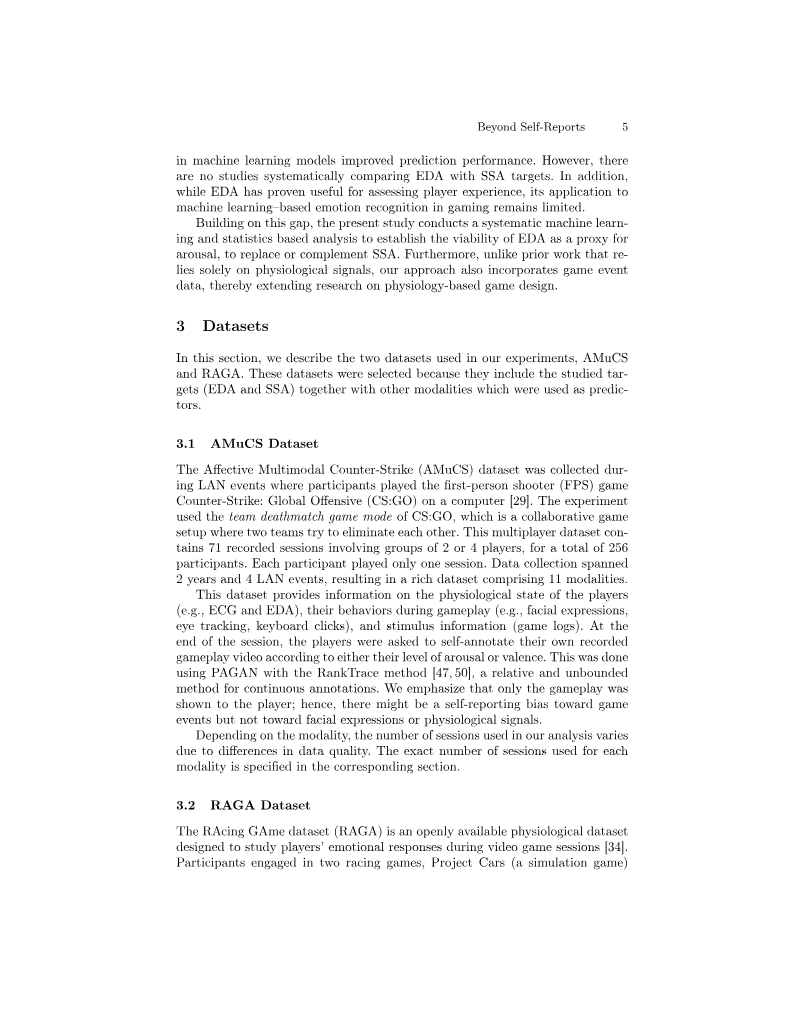
This analysis explores the application of serious games as a tool for cognitive retraining in Dutch adolescents to prevent substance abuse. The primary thesis posits that while evidence-based cognitive bias modification (CBM) and cognitive control training are effective in reducing addictive behaviors, their repetitive, long-duration nature often leads to low engagement among younger users. By integrating these training paradigms into gamified environments, researchers aim to increase participant motivation and adherence to therapeutic protocols.
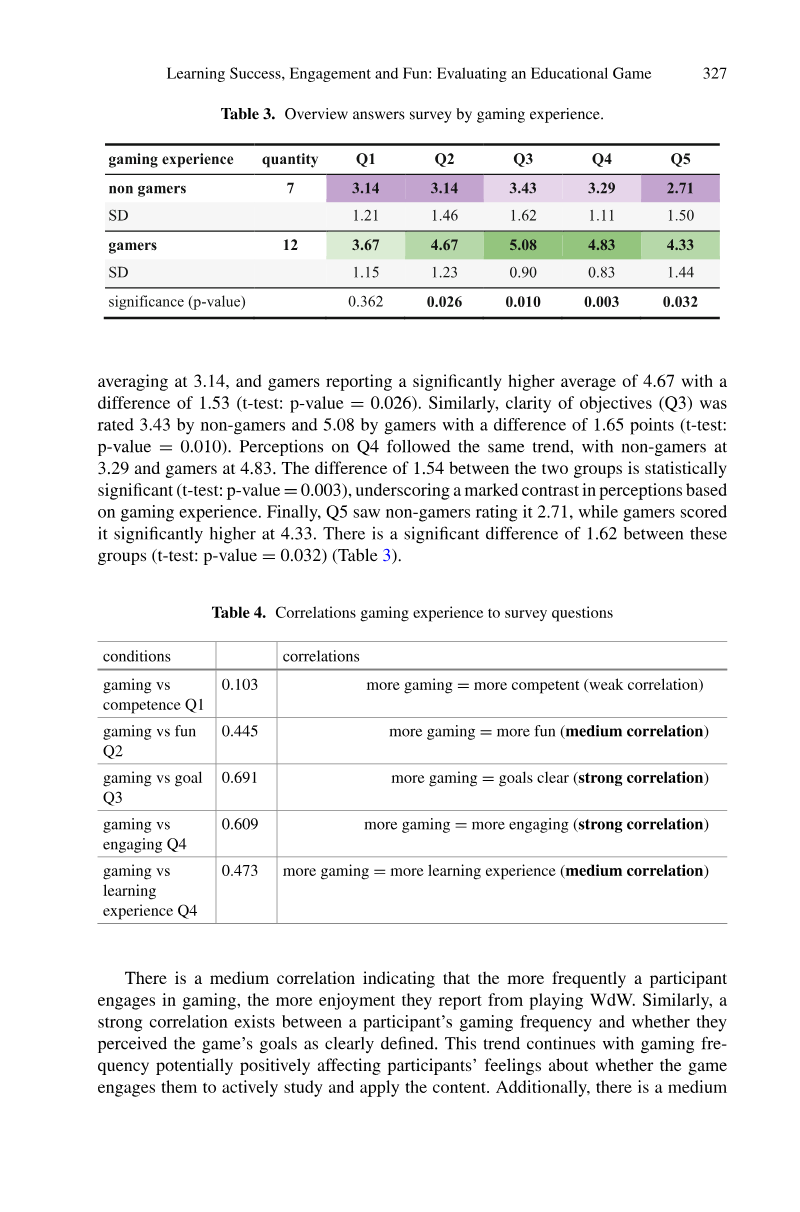
The research highlights a six-step gamification model, ranging from maintaining original, evidence-based tasks with extrinsic rewards to creating fully immersive, intrinsic game experiences. Key examples include the CityBuilder game, which uses a shell-based approach to overlay cognitive tasks with city-building mechanics, and the Shots Game, which embeds attentional bias modification directly into a slot machine interface. Another example, the Ninja Mouse game, incorporates response inhibition training into a scrolling arcade-style environment. Preliminary findings suggest that these gamified versions significantly increase user motivation compared to traditional, static training tasks.
The scope of this work is focused on adolescent populations in the Netherlands, specifically targeting the prevention of alcohol and drug misuse. The methodology relies on adapting established psychological paradigms—such as the Visual Probe Task and the Go/Nogo Task—into interactive formats. While initial results are promising, the authors emphasize that gamification alone may not suffice for heavy users who lack an intrinsic desire to change their behavior. Future research is directed toward validating these modified paradigms to ensure that the addition of game elements does not compromise the clinical efficacy of the underlying cognitive training.
Springer · 2026
Springer · 2025
Joint International Conference on Serious Games (JCSG) · 2024
Joint International Conference on Serious Games (JCSG) · 2024
Joint International Conference on Serious Games (JCSG) · 2024
Joint International Conference on Serious Games (JCSG) · 2024
Springer · 2024
Springer Science and Business Media LLC · 2024
Joint International Conference on Serious Games (JCSG) · 2023
Springer · 2023
Springer · 2021
Springer · 2020
European Conference on Games Based Learning (ECGBL) · 2026