1 free read left. Create a free account for unlimited reading + AI research.
Create free account
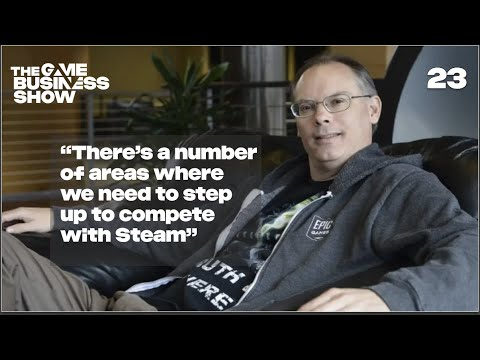
Economy of the Metaverse | Fortnite CEO Tim Sweeney (Exclusive)

Key insights
6 takeaways- 01The industry is currently shifting from standalone titles like Fortnite, Roblox, and Minecraft toward creator-driven economies that rely on open standards to remain competitive.
- 02Current mobile storefront commission models of 30 percent are significantly higher than the actual service provision costs, which are estimated to be between 5 and 7 percent.
- 03The metaverse must transition from isolated, proprietary gaming environments to a unified, open architecture that supports technical interoperability for assets and code across diverse virtual spaces.
- 04Achieving an open ecosystem depends on establishing store parity, which ensures third-party storefronts and payment processors have the same system access as platform gatekeepers.
- 05A sustainable and equitable economic framework for the metaverse requires platform fees to settle through market competition, ideally within the 7 to 12 percent range.
- 06Platform owners must implement contractual firewalls and transparent data practices to prevent the unfair use of proprietary user data to compete against the developers within their ecosystems.
Ask AI about this video
Transcript
hello everybody today we are super excited to have a really amazing guest with us likely no introduction needed but we are joined by tim sweeney the ceo of epic games and we'll be talking about the metaverse and certainly fortnite is being held up by many people as indications of what the metaverse may eventually look like however the specific focus of what we will discuss isn't so much what the potential incarnation of the metaverse could possibly become but instead if the metaverse is the next frontier if this is the next big platform then how do we build an efficient and fair economy for this new platform so just to kick things off tim and by the way thanks again for being here and just go straight into it could you talk to us about what you mean when you talk about building the
metaverse as an economic sphere sure you know first of all nobody knows exactly what the metaverse will be we have a lot of fictional references on it um some parts of it most of it was written before like social networks even existed um and so we're really improvising and guessing a lot about this but you know the metaverse is going to be some sort of real-time 3d social medium where instead of uh sending messages and pictures to each other asynchronously you're together with them and in a virtual world and interacting and having fun experiences which might span anything from purely games to purely social experiences um the other critical element of the metaverse is it's not just built by one mega corporation right it's going to be the work the creative work of millions of people who can each add their own elements to it through content creation and programming and design any other way of adding value so it will be a massively participatory medium of a
type that we really haven't seen yet and even though you know fortnite and minecraft and roblox each manifest some aspects of it i think we're still pretty far from having the thing um but yeah the talk about this thing is it's not just the work of one company it's not just one company's product or revenue stream right we're talking about a mass participatory media which needs to be an economy if there's not an economy underlying this thing then companies won't be able to form to create content that uh builds out this world people won't be able to profit from the work it would just be yeah another big tech company extracting money from yet another business um and so the critical thing with this effort is to build out not just a 3d plant platform and set of technical standards but also a fair economy in which all creators can participate make money and be rewarded um in an economy with both principles ensuring that customers are treated fairly that there's not you know massive fraud or scheming
or scams but also one um in which um companies have the freedom to release their own their own content um and to profit from it um you know they say something is only a platform when the majority of the profit is made by uh by creators rather than the company that built the thing right windows is a platform um you know gee is ios a platform um not sure actually it's looking more and more like apple's oil contraption um android's certainly a platform uh there's you know dozens of app stores and different things um but the goal is to build out this thing as a platform right um and and figure out rules of an economy that about uh protect the consumers participating in the media but also uh ensure that there's robust competition and all spheres so the best creators can succeed and they can really profit from their work and they can grow businesses around it and tim when you think about the economy are you or should we be most concerned
that there's just enough economics for the different you know people in the value chain that are delivering the service and for creators or is there something else about the economy that we should be worrying about when you're talking about something like the metaverse um the economy should actually be fairly complex and robust um right you have a lot of different companies who can provide services um that play a role in this um if you look at the web economy the economy is just around the world wide web you have some websites uh there are commercial businesses you have an advertising economy you have a payments processing economy um you know and there's a big supply chain behind this right if you have a website that takes money then you can work with paypal and you know there's a really competitive infrastructure there where all the payment processors compete to earn clients business and there's many of them and some very robust systems to enable that um you know in the case of the metaverse you're also talking about huge shared
online experiences that means somebody's going to be hosting millions of servers that are running all of the simulations that contribute to these metaverse experiences whether they're games like fortnight or social experiences or streaming video or anything else and you know that's going to require huge cost somebody's going to have to spend billions of dollars voting data centers on these uh you have to support all this activity or using existing data centers along those lines and so you know there will be consumers spending a lot of money to buy you know great items and purchase great consumer experiences they can enjoy but there also be a lot of companies and a lot of costs behind it all um and so you know as opposed to creating something artificial that's just entirely managed by one company like you know facebook is artificial facebook makes all the money from facebook ads you create a facebook page facebook might make millions of dollars from ads from your page you won't get a penny then there are things in between like youtube has ads creators can earn some money from ads but still the economics
are you know wildly tilted towards youtube but i would hope that the metaverse as a future medium can be a much greater engine for economic efficiency um than any of the closed uh systems exist today um and that we'd ultimately get to a point where a much higher percentage of the profits go to creators um than with any of these other platforms that currently exist um and that when money is going to people who are not creators it's really done through competitive dynamics to ensure that their costs um you know and their profits are very very reasonable relative to the service they're performing you know like mastercard and visa processing payments charging two and a half percent you know they probably make one percent or half a percent of profit from that um and good for them they deserve that um as opposed to you know a platform like ios or android taking 30 and probably pocketing 28 of that as profit for themselves right
so economic efficiency is going to be a key driver of it and economic efficiency is essential for this thing to really work and to grow where wherever you've had a any form of commerce dominated by a single company that monopolizes and controls the flow of revenue and access to customers they just use it to extract their uh you know their profit and other companies don't grow and i think the metaverse as an open platform could ultimately be an order of magnitude larger than any one company including epic could build entirely on our own as our own proprietary plaything so in terms of this point about the platform not being owned by a single company then is there anything that we need to be doing now so that because when we do look at some of the big platforms whether it's you know apple or google or amazon that because they kind of built the the platform that they kind of own it how do we collaborate or what do you think should be done so that it doesn't become you know owned by a single megacorporation to your point
you know i think developers we've learned a big lesson over the past 15 years we were scammed right we were but we bought into a lot of things um you know platforms run by big companies on the expectation that they were open and that we'd be able to participate fairly in it and it just turned out in a lot of cases that's not true you know brands that put their page on facebook and were able to post messages that all of their uh their followers could read suddenly found that oh now brands have to pay money in order to post messages the people who decided to follow them wanted to read um right and so you have these intermediaries playing this big trick and they played it over and over and over you see signed up a platform with really loose rules like when a google play uh first launched as a service for installing software you didn't have to use google payments lots of companies implemented their own payment systems and then they came in and they changed the rules google said from now on if you have a game or any
sort of digital purchase google has to process your payments and they took that 30 um you know apple did that from the beginning um but you know apple many years into the platform after the developers thought that they had signed up for this thing and that they knew the rules apple started putting ads in front of everybody's searches search for fortnite the first thing that pops up is not fortnite might be pub g might be minecraft it's whoever paid for that ad they're putting some random ad ahead of the actual thing the actual customer is searching for that's super anti-customer anti-consumer and it's also against the interests and the partnership with all the partners that participate in the ecosystem and so i think as developers all of us all million of us uh developers large and small need to resist and refuse to continue cooperating with these platforms um which you know intermediate and obstruct us and you know are basically holding our business hostages to larger and larger ransom over time
that's one thing um we also have to work proactively to define new standards and also connect all of our systems right i think the most possible way the metaverse is going to rise isn't from one company even epic building this thing and forcing everybody to use it right it's going to be from more and more companies and brands connecting their products and services until you have a much much more open thing um that everybody participates in you know like uh the epic game store the store we launched and one of the things we've done is we've supported direct purchasing integration with every other pc game store that's rolling now we also support third party stores like got uh accessing the epic library and being able to be an alternative launcher for the store we're trying to work with more and more partners to connect our social systems and our account system so that you know epic friends epic's friend system that you build up for playing fortnite connects with other services friends system so you have all of your friends everywhere you go
i think interconnecting systems is a great way to um to move forward with this i think you know all the big game companies um and even many of the ecosystem companies have come to the realization that they're never going to be the one monopoly that dominates the whole thing and so it's in everybody's interest to really interconnect and standardize over time um and to build this more connected world and to all benefit from it side by side with no one company dominating and on the technical side i think what i'm really arguing for is for a series of incremental improvements we make every month um month over month until over the course of several years they accumulate um and and leave leave us with something that does resemble the metaverse right interconnection of social systems you know we have epic game social system we have xbox live we have steam there's a nintendo switch um there's the playstation network there are a bunch of these disconnected system right systems we should start connecting them together um we have several different game engines
um each you know competing really robustly but we need standards that we can start agreeing on and there are already some great really great ones like the pixar usd scene format for interchanging 3d scenes that's one your standards for materials we need standards for networking so you can have a multiplayer game in which some people participating are using a client vote in unreal engine and some people participating are using a client that's vote in unity like really being able to create standards for interoperability so that everybody can have access to this in the future is going to be very interesting so tim speaking about you personally because it's not lost on me that you're actually a conservationist it's been publicly announced that you've salvaged a lot of forced land and things like that and so is it fair to say that you probably as a conservationist think more about ecosystems and the environment more than the typical person and so from a personal perspective is it fair to say that perhaps your personal focus in terms of metaverse will be more around
the environment the ecosystem making sure that it's it's a fair and vibrant sort of place to be yeah absolutely you know an ecologist will tell you something quite different about ecosystems right uh you know wolves always eat deer a deer never eats a wolf right it's a it's a very unfair place in the real world it's a very harsh you know survival of the fittest environment and you know it's the law of the jungle that rolls out there and i think mankind does better right we have laws and principles that we operate under you know going back to the ancient greek philosophers and the renaissance thinkers and the enlightenment thinkers who you know formed a large body of modern human rights that governs you know most of the western world and i think we have the ability to create ecosystems built on principles they're enduring and fair and lead to much greater efficiency
and you know economic efficiency not only means you know a better environment for companies to do business but also means a much fairer environment for consumers where everybody's competing to offer you the best product at the best price um and you have lots of uh robust actions to to foster that uh you know as opposed to a monopolized system where one company just dictates the roles to everybody else you it's like remember remember the cable tv industry i guess it still exists right yeah i don't i haven't had one for a decade a cable tv signal coming into my house but you know an old industry like that where the business terms are set by essentially oligarchs or oligopolies dealing with each other uh you know to screw the smaller smaller players um just think of how much more robust like the pc software economy is than that and how much better even still we could build the metaverse as a as an environment not
just where everybody's running a common operating system but everybody is in a shared 3d environment in which all these different software components can interoperate in one scene together in real time 3d to create entertainment experiences that go far beyond anything we have now got it and so in speaking of the metaverse is as a you know probably going to be some form of creator platform and you had talked about making sure that creator economics are viable how should things be architected to make sure that creators do have a have viable economics is it really the platform fee are there other things that we need to be thinking about well you know there are a lot of components to it um a key realization here is that um there's actually a lot of operating costs in this um you can't compare it to like when epic knows the operating cost of a store you have um payment processing costs two and a half to three and a half percent you have uh cdn bandwidth which you buy from akmai or amazon or others um
about one percent revenue goes to that um you have customer service and one or one and a half percent revenue does that so a store can operate with a cost of you know five to seven percent um and you know anything that they charge they make above that is profit we charge twelve percent um but when you're talking about something like the matter risk you're talking about um hosting farms with millions of servers serving user content and doing real-time 3d simulations involving potentially realistic physical physics simulations and things like that so you're talking about entirely new components of cost and i think what's most important there is transparency and competition right you know right i think we have to we have to also be comfortable getting to this destination incrementally right because fortnite minecraft roblox aren't these open platforms built entirely on standards and i think our best hope to get there is to adopt more and more standards um and open up the economy more and more to get to this open state as opposed to
trying to throw this all out and start from scratch and invent some blockchain thing or whatever it is right we have we have some really great products that are already heading in this metaverse direction we should just support um steering them in in the direction we want them to go um but you know i think ensuring that everybody who is a potential supplier of critical components in operating this thing should have a fair chance um to compete for everybody's business um if you look at like much of the game industry other than the supply side the you know apple app store and google play um you have actually a very very robust economic competition if you want an engine you can choose unity with a one business model it's based on a perceived license cost or you can choose epic which is free to use but carries royalty um on profit or you can use like the godot engine which is free and open source and you can use it for anything you want not pay a penny and you can contribute your changes back to the community um so you have great great competition
in the engine sphere and then you have online services you know there's a huge variety of microsoft offers some amazon offers some game lift and game sparks and you know then you have steam and then you have epic online services where we're also competing and the great thing about this whole market is as a game developer you can go around and you can choose the best of all these different components you can use epic online services or game sparks or whatever you want you cannot use unreal or unity and there are no unnatural barriers saying oh if you use unreal then you have to use our online services and you have to ship on our store we don't say anything like that you know every one of epic services is open to interoperate with every computing service and imposes no licensing technical or business restrictions against that happening and i think it's really critical as we build out the metaverse and build more and more open platforms out of you know what are currently just one company's game um that we should ensure that we're
opening up all parts of it to competition ensuring that the best competitors can survive and win you know even if they're competing directly with some core business of epic or others right so it kind of sounds like when we look at the current creator platforms there's like roblox which is kind of a closed system it sounds like the vision that that you're kind of supporting is one in which the the basic ecosystem is defined in some standardized way and you you just want to see competition at each like every every point in the in the value chain or ev every component of the value chain that there is a healthy competition there is essentially is that what you're advocating for yeah exactly healthy competition at every point um and facilitated by technical interoperability standards right i mean unreal and unity compete but what you're really doing is you're licensing one or the other and you're building your game in it and your game is either based on unreal or unity and
they're totally different apis you can't just move your unity game to unreal or vice versa um but you know as we talk about the metaverse as an open platform we actually have to evolve to the point where we have portability of assets and eventually code um you know between any engine that could could run the thing you know we're talking about different suites of creation software for 3d modeling we need file format standards for exchanging data so that you have the same data moving back and forth it's not just enough to have competition but you have to have enough interoperability that developer can actually pretty seamlessly move from one supplier to another without losing all of their work right and so maybe we can actually um talk about the dangers and not having that which is the dangers of having more of a company that does become that mega corporation has monopolistic power and you know it's no secret that you've been a critic of app store taxes and the potential for
that kind of of monopolistic organization to create restraints on trade potential for new ideas to flourish potential for new business models to emerge so maybe you could talk a little bit more about that in terms if we don't have these open standards then what's the danger what could potentially happen to the metaverse well you know i think the real risk is that um these these creator-based platforms are hijacked for the benefit of a corporation and the corporation ends up ultimately extracting more profit from creators work than the creators make themselves and you know the apple and google story is one you know warning from history of the perils of that right and apple is really particularly interesting you have one of the best businesses and most honest businesses in the world which is selling people phones these cell phones they don't profit from your data or surveillance or any adversarial
practices towards user when they're selling you a phone they're competing by selling premium priced phones which are awesome value and they succeed on their merits you go into a store and you can choose between an android smartphone and apple phone and apple gets an awful lot of that business and it's completely earned by them and deserved by them because it's 100 apple engineers and hardware makers and uh you know suppliers that they contracted to to make their platform but they also run one of the like you know one of the most manipulative businesses in the world which is hosting a store that prevents all other stores from existing on their platform and it strikes a 30 percent tax from all commerce demands that you cannot process payments in games other than through us and um you know that 30 percent is a killer uh for most game companies apple is making a lot more profit from their game than they're making themselves um apple's 30 tax is almost entirely
profit to apple i bet their underlying costs are in the five to seven percent range the other you know 25 or 23 percent um all goes to profit and that's money that's not being reinvested and making better games it's money that doesn't need to be reinvested in building the hardware because they're already funding that from i think the most profitable hardware business that's ever existed in history which is the iphone iphone business right and so it's interesting to see that bundle of contradictions you know one company with two businesses and one is so extractive from other people's work and the other is so um you know so entirely customer focused and well-deserved um you know it's a warning from history and i think the really critical thing is as developers are making decisions about what platforms is for basically what kind of game you're building it what kind of game you're building and what you're building it for right now your decisions are you're building a mobile game for
google play in the app store or you're building a pc game for steam in the epic games tour or you're building a console game and maybe you're doing pc and console together right i think we the world needs a plethora of additional options you should be able to build a game within fortnite and that should be such an attractive prospect financially that a lot of developers consider it a lot of highly acclaimed developers who could make a lot of money from the app store or from from console which is instead to make their game in fortnight and that needs to be facilitated by us uh building an economy to achieve that and same thing with minecraft and roblox and you know the other the other upstart efforts um to build uh games as platforms right and so when you talked about how you determined the kind of revenue share for epic store it sounded like you just determined the cost and determined a fair markup it's kind of like a cost plus model and so is that in your opinion what apple and google should be doing should apple and google's platform be
fee be like 12 as well oh yeah i think first and foremost these platforms should be truly open to competition you can come in and say the revenue sharing should be x or y but really the core problem here is that the revenue sharing is not determined by free market competition if the revenue sharing is determined by free market competition then maybe apple and google can charge a premium if their services warrant it but right now you just have a rates are completely disconnected from any competitive barometer and uh so they're you know not honest rates um and they're distorted and for different reasons right you know apple says you can't have any other stores on ios and you can't process payments other than through us and so it's very clear on apple the only way to do business on ios as a game developer is through them in their app store unless you're building a website or something which is you know in nowhere near competitive and capabilities um
google is in a different position because they built android is an open platform but then they built a type maze of business dealings with carriers and with oems which make it de facto closed it's kind of i've called it a fake open platform the android software is an open platform the google services suite that everybody has to take in order to use any of google services they're all forced bundled together in one massive package you have to take it or leave it um it really locks down the platform so that you can't install a store and have it a third-party store and have it operate on par with google play you know and you can use the fortnite installation experience as a comparison right to buy an app on google play you click the google play icon type the name search maybe scroll past an ad that they put in front of you and then click one button and you're playing the game fortnite it's something like 12 steps and 12 to 20 taps on your screen to get there go to our website fine you search for fortnite you go to our website
you click the get fortnite button and if this were windows there would be two more buttons and then it would be installed on your machine you could play you know windows is an open platform that has good user protections to prevent malware but it's easy to install stuff whereas on android you have to go through this incredibly complicated series of screens uh some epic explaining what to do on the next screen and then some design you know by google has awesome ux designers and so when there's a really bad user experience or ui screen in a google product you know it's intentional right because they're better than that um and you know you just have to click through a whole bunch of these screens to give it permission to give it permission finally it downloads fortnight um and then every time we have an update uh you know there's potentially more more construction screens and if we try to open up the epic game store on android then every time you install a new app go through another series of scary dialogues each one of which is designed to scare the user off right so an open platform like android should be and was is advertised as being um
all stores should operate at parity right once you've decided to install another store like the epic game store it should have equal access to the system software as google's own store has um so that it should be able to see install and update software as seamlessly as google play does i mean that's just a basic principle of competition if you allow other stores but you make them really really suck then that's just fake competition they're creating um and there's no question you do this mac is almost like this all stores operate at a slight disadvantage to apple's store but not much windows is totally uh store parity um steam epic game store operate just as well and actually in a lot of cases better than microsoft's own store uh you know the windows uh the microsoft store and windows um you know and uh we need to get to that point on all of these platforms you know there's no question every platform needs to be a real open platform supporting stores side by side but also even in the in these stores
which have you know 99 plus market share or 95 or whatever and excluding china at least these stores need to be opened up open to let each developer choose which components to use in their software they want to use epic's friend system they can use epics forensics and they want to use paypal instead of apple payment service they should be free to use that um so i mean really two principles number one is real open platforms where users can install software and developers can release software without permission of a mega corp um and yeah number two is just this ability for apps from any source to be able to use services uh of their choosing and not be forced uh you know through compulsion and tying um to uh to use you know especially use the non-competitive services like the ios app store i believe that this 30 your original question was about what okay 30 is too high what should the number be and i think that number should be set by competition i think if competition
settles in it's going to be set somewhere and uh you know seven to 12 percent range yeah epic is able to operate our store on a 12 percent fee um and you know on the train we're doing a lot of marketing and things and other forward investments um that make the store you know dis economic as long as we're paying you know hundreds of millions of dollars for various rights and things i mean marketing campaigns however the core economics of the store the transactional economics are profitable right now we make a i think it's about five percent profit from each transaction we process at 12 fee and that's without huge economies of scale i think epic has processed it's more than a billion dollars of direct transactions um with customers um so far but far less than a app on google and with massive economies of scale like they have who knows what the the numbers could be right so given that you guys are in the driver's seat for delivering a metaverse so is it fair to
say that we could expect metaverse platform fees from you guys if you guys were doing it to be in the seven to twelve percent range well i think what we need is a component economy because you can't compare this directly to an app store it might cost us more than 700 just to run the servers the thing right so i think and we also have to approach this gradually because we have this game that works called fortnite um we need to turn it to an into a much more open system um that still works and we need to do that without ever breaking it right if we do something that causes all the fortnite users to leave then by the time we build the best the new system we've lost them and uh yeah the whole effort will have been for naught and you know maybe some other company maybe facebook will have taken over the space and so we have to transition from where we are to where we're going um i think my point is as we do this we need to do it in a way that ensures that all major cost centers of the equation are opened up in due course to
competition um so that there's complete transparency of where your costs are going and users developers have the right to choose among the different components if you look at roblox i heard from a roblox curator who was complaining that roblox um only pays creators 20 of revenue right i was getting really mad about that but tonight actually backed up and thought was what is their revenue what's their operating cost for building out their game and their tool set and what's the cost of operating servers um i don't know but i'm not sure that their economics are wrong right um but and but there's no transparency so you can't really know right but if it turns out that uh a low monetizing game um that has a huge number of users might have operating costs that are you know leave it with a 20 profit margin and if that's uh the case then i think the key is that the economics be completely transparent
but also that you know if some super high highly efficient game has low server costs and high monetization is able to you know make an 80 profit margin then that's great too um yeah but i think transparency and open competition there are the critical elements of it and just speaking about cost now we've seen that with new platforms like google studio for example costs and business models seem to be stymieing the potential you know proliferation and the popularity of that service when you think about cost and business model for the metaverse are there any specific concerns you have in terms of cost categories or business model well you know i think if you itemize all costs associated with operating a game you get a big list and it has a lot of items there are small costs but when they add when you add them all up they're pretty high right um you know you have everything from
download bandwidth for updates to server hosting costs to the database costs for operating the thing you have a customer support team you have operations teams that make sure the servers are running you have payment processing and if you just look at the agreements that visa you sign when you become a visa or mastercard merchant you don't actually sign with just one vendor you have a whole repertoire of different services that are all part of that processing a credit card transaction there's a little insurance component that might take 0.2 percent to insure against fraud and there's you know lots and lots of different services um you know pertaining to accounting and bookkeeping and tax and everything else and uh you know i think the the key is setting up a market where developers can choose among components with full awareness of their costs and can choose and competitors can provide their own components that compete on cost is it's the key thing that keeps businesses honest right whether you're running an oil refinery or
a vegetable stand knowing the cost of all the different components going into the business are key to you know ensuring that it operates smoothly so one question i actually wanted to ask you about when we're talking about the dangers of monopoly and something that's actually kind of relevant in the news today is really around this this issue about information and data and so one of the big dangers of monopoly ownership of a platform has been the potential abuse of platform owners to compete against participants of their platform using customer data so the game industry we've seen ad networks compete against our customers potentially having used customer ad and user acquisition data amazon's been in the news also reportedly having used customer data to compete both from its sort of corporate venture fund as well as using seller data to compete against those sellers on amazon.com and to some degree and you know um there's a potential
obvious obviously i don't think it happens but with epic as well unreal engine epic publishing and epic store whether there's that danger of misusing data to compete against customers as a risk and so in terms of the metaverse and information and data or even even in terms of the current industry market could you speak to how we should be thinking about the potential of information and data as is a risk yeah you know this is another area where the big platform companies googled us um you know they uh they got game developers to sign up for facebook uh and use ship facebook's uh plugin in their apps and google's plug-in and their apps because it provided some nominal service developers but it turns out what they're really doing with those plug-ins is tracking everybody using your app and then selling access to your customers to your competitors and not paying you anything right that's that's the the core of their business model as
intermediaries um i think everybody's wised up to that right you see more and more game developers removing all of these nefarious plugins from their software um and recognizing the extent of the data leaks when you use you know google or facebook components on your web page or in your mobile app um and exactly what they're doing and exactly how it's against your customers rights and also against your rights as a game developer um but yeah everybody's rising up um i think the really critical thing is for companies to have principles on data security and really clearly state them i think apple does a great job of there in terms of that in terms of customer privacy and where they explicitly tell you we are not in the data business we don't want your data we are never in a position to profit from accessing or selling your private data um and you know they have a business model it's based on profiting by selling smart funds which they mark up awesomely and they deserve their too so they don't
need it you know and google is in a different position and facebook's in a different one still yeah i think especially when a supplier facebook google apple epic is in a position of serving multiple customer bases and is in some cases in a business that's competing with customers like we haven't we have an engine business but you also make games our customers make games and so our games are competing with other customers games to the extent that you know all games are competing with each other i think it's really really important to have not just publicly stated policies but binding agreements governing data privacy you know for example we have epic online services that we've launched recently that hosts two kinds of data there's epic accounts and friends which are epic data like if you use our friend system then you have access to all the friends connections the one that more than two billion friend connections have been built out through fortnite and when your players add their own friend connections they go into the
system and epic and all that developers using the framework have access to that and benefit um from it so that's one part of the service the other part of the service is data that we host on behalf of game developers that data is owned by the game developers epic has only has the contractual right to access for the point of for the purpose of providing the service to them like and so all the metrics data associated with all these games using the epic online services are off limits um to epic to use for any um you know company purposes we can only use uh we can only serve ubisoft's data to ubisoft and you know and uh we're barred contractually from using using data for for other purposes and those kinds of agreements are critical you know amazon i think amazon is a good example you have different parts of amazon amazon web services is absolutely um you know operating and the role is a trustworthy um
you know data provider where they provide services and amazon does not rummage through your data stored on aws uh to analyze your customers uh behavior right they do not have access to it and you know if somebody at amazon access that they'd probably be in jail uh right so having those sorts of agreements more pervasively throughout the other parts of the business they expect it um it's going to be really critical um you know and uh i think that that's that's an area where companies need to do a better job especially these big tech companies they're in lots of different markets and explaining and contractually committing to firewalls between different parts of their business and where there's no firewall being really explicit about that and what they might do with the data got it so i have one last question for you tim which is in terms of other companies that could potentially deliver the metaverse besides epic who do you
think about as potential leaders in in terms of that that opportunity and then also when do you think the metaverse could potentially be delivered in an economic and commercially viable way yeah there's a there's a really wide spectrum yeah there's i think fortnite minecraft and roblox are pretty widely recognized as the big contenders each and a different each is strong in a different area i think robot robots has the best extant um economy um or the most robust accident economy of all of the games um and that you know there's a big market of creators building content and earning a living from it minecraft has done the most with user generated content um with all these worlds that build users who build up fortnite creative is you know is interesting in that respect too and then fortnite has the most compelling core game experience which is
a really critical element people keeping people coming back by really entertaining them while they're in this thing because just pure 3d social doesn't really work right you need fun to frame your social experiences um you know those are the big contenders right now there are a lot of upstarts probably a dozen um each working on their own takes on creator economies and platforms i think they're going to be very interesting um you know they don't all necessarily have to be these massive 3d experiences i think there's like probably a 2d sprite based version of this with retrographics it could be a 100 built 100 million user ecosystem in the future i think there are in really endless possibilities there but you know there's also the prospects of new startups that we don't even know about haven't heard of haven't seen their games and what they might do in the future but you know i think i think we're going to really see gradual move um in the direction of these becoming more less and less stand-alone games and more and more platforms for years of content and more and more economies and
competition forcing these economies to be really fair and robust and competitive um so i don't think you know it's like i go way back right in the 1990s every all the politicians were talking about the information super highway and it was how it was going to connect people and uh they didn't really put the one and two together and realize that we already this internet thing this weird unix platform um they've been existing for about 20 years was actually going to become that thing because we didn't have the web we didn't have video it was a pretty goofy nerd uh nerd technology at the time um but you know the end the uh the internet became that thing and i think when we talk about the reverse what we're gonna see is uh something that's not quite what we're talking about now but it has many elements of it and uh we don't even know what it is until uh more and more parts of it have emerged um i think that's going to be the really exciting part of it um over the next five and ten years is watching this medium take shape and uh seeing how it evolves
and how it comports with like the science fiction from the 1980s and how it totally diverges and does unexpected things um you know i think that the rules of this whole new medium have only partially been written so far all right well thank you very much for joining us today tim and i just wanted to ask if if you have a final message for our audience at all well thanks you know i think as a as game developers and game players you know we're all going to play a part in creating this thing in the future i think we should all be advocates for the world that we want um because if we we aren't forceful and and fighting for the world that we want as gamers and game developers then we're gonna get a very different world and uh by the time it's set in stone and uh you know it's going to be too late to change it and so i think uh now is a really critical time there's a lot of conversation about open platforms and app stores
ironically largely taking place in the context of you know kind of just these 15 or 20 year old store platforms um you know while there's the advent of a new medium that's just starting to shape up now um what happened in this previous generation of platforms that everybody's working desperately to undo is kind of foreshadowing what could go wrong here and so be vigilant and don't be afraid to speak up and speak your mind um in in transforming the world into a better place it's the only way uh we're going to succeed in this together actually i do have one last question for you jim when do we see apex version of adventure i i saw that you had actually that's one of the few games you completed and you were working on that when you were younger well you know actually this game i released in 1991 called gzt was uh i started out to build a text editor and i just got bored by that and so i turned the cursor into a smiley face and turned the characters you could type in into walls and you built this world out of it right but it's kind of a
the original atari adventure style of uh of simple iconic uh you know graphical uh exploration of the world and it's amazing playing a game like that with such low fidelity graphics like ggt or zelda or anything else what your mind projects into it and the dreams and memories you have of that which have nothing to do with what's actually uh actually on the screen but you know i think even then even in 1991 and even in like 1985 we saw the potential for virtual worlds everybody who was developing games or playing them saw that oh wow when you connect a bunch of players together into a multiplayer experience um it's a 3d world and users can contribute their own content to it as the early mods pioneered and other games have done then you're going to get something magical that's a it goes way way beyond a bulletin board or a social network or a traditional game and you know it's funny that gosh 35 years later we're still all working on it but we are so close now it's it's really uncanny how close
we are all right well that's it tim thank you again for your time and thank you for being so ambitious with epic and for supporting small indie developers i i think everyone in the industry definitely has a lot to thank you for so appreciate the time yeah thanks everyone for listening bye [Music] me
Summary
The metaverse represents a critical evolution in digital interaction, transitioning from isolated, proprietary gaming environments toward a unified, participatory economy. This shift requires a fundamental departure from the current walled-garden models maintained by major tech platforms. To achieve a sustainable ecosystem, the industry must prioritize technical interoperability, allowing developers to move assets and code seamlessly across diverse virtual spaces. By fostering an open architecture, the metaverse can evolve into a truly interconnected digital world where user-generated content and multiplayer experiences thrive without the constraints of restrictive, platform-specific silos.
A central obstacle to this vision is the prevailing rent-seeking behavior of dominant mobile storefronts. Current commission models, which often extract 30 percent of revenue, are disconnected from the actual costs of service provision, which are estimated to be closer to 5 to 7 percent. A more equitable framework would rely on market competition, where platform fees naturally settle in the 7 to 12 percent range. Achieving this requires store parity, ensuring that third-party storefronts and payment processors can operate with the same system access and ease of use as those owned by platform gatekeepers.
Ultimately, the transition toward an open metaverse depends on the industry’s ability to implement binding contractual firewalls and transparent data practices. Platform owners must be prevented from leveraging proprietary user data to compete unfairly against the developers who populate their ecosystems. As platforms like Fortnite, Roblox, and Minecraft continue to shift from standalone titles toward creator-driven economies, the industry stands at a pivotal juncture. By advocating for open standards and resisting monopolistic control, developers can ensure that the metaverse remains a competitive, efficient, and creator-centric environment that fulfills its long-standing promise of a truly immersive virtual society.