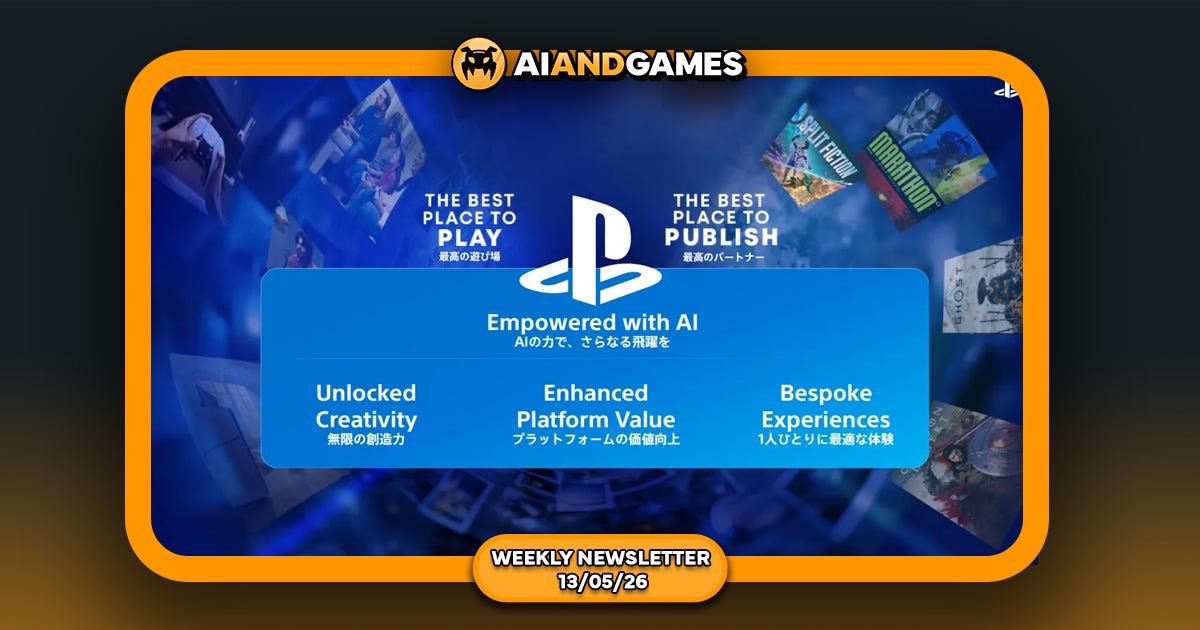
The integration of artificial intelligence into the gaming industry presents a complex paradox, characterized by rising production costs and significant ethical friction. While AI-driven component shortages are currently inflating hardware prices across the sector—impacting upcoming platforms like the Nintendo Switch 2—developers are simultaneously navigating the moral implications of synthetic media. A growing movement among creators, exemplified by Red Hook Studios, emphasizes the necessity of ethical boundaries, particularly regarding the unauthorized replication of deceased performers' voices.
Sony is actively balancing these macroeconomic pressures with a strategic pivot toward AI-assisted development. By deploying proprietary tools such as the Mockingbird animation system and PSSR upscaling technology, the company seeks to maintain the high-fidelity standards of its first-party franchises while mitigating the escalating costs of modern game production. This approach reflects a broader industry trend where AI is utilized to streamline internal workflows and curate content, rather than replace human creative labor.
Despite these technical advancements, Sony maintains a cautious public posture to mitigate potential consumer backlash. The overarching strategy focuses on leveraging automation to enhance efficiency within established, high-quality intellectual properties. As the industry continues to grapple with the dual challenges of memory scarcity and the ethical deployment of generative tools, the focus remains on balancing technological innovation with the preservation of brand integrity and creative standards. This evolution underscores a transition toward a more automated development landscape, where the primary objective is to sustain long-term profitability and production stability in an increasingly expensive market.
AI and Games · 2026
AI and Games · 2026

AI and Games · 2026
AI and Games · 2026

AI and Games · 2026
AI and Games · 2026
AI and Games · 2026

AI and Games · 2026

AI and Games · 2026
AI and Games · 2026
AI and Games · 2026
AI and Games · 2026

Google Cloud · 2025
Game Developers Conference · 2025
Konvoy · 2024
Informa · 2024
Drake Star Partners · 2024

Perforce · 2024
Frontier Developments
Modern Times Group

InvestGame
GungHo Online Entertainment
Ubisoft · 2026
Poki · 2026