More from Kinephanos
View all


Whitepaper
Plateformisation du Jeu Vidéo: Comment Roblox, Fortnite et Minecraft Façonnent le Temps de Jeu
Kinephanos · 2026
Article
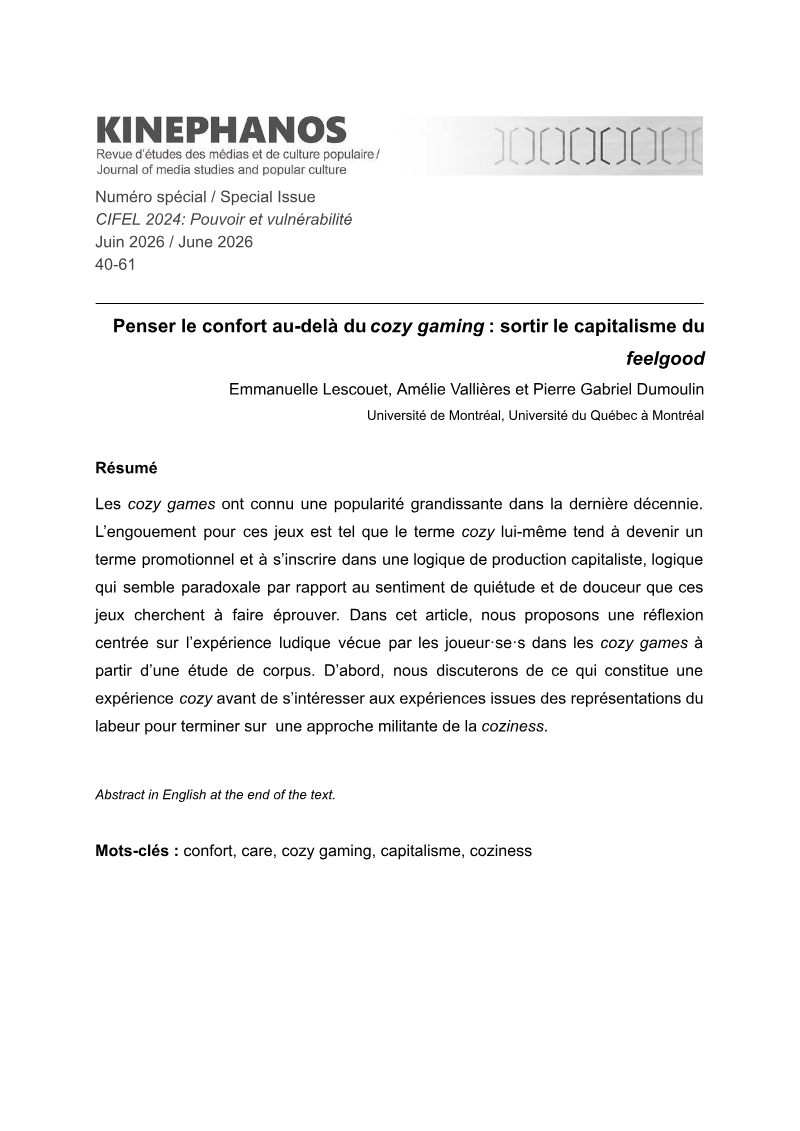
Penser le confort au-delà du cozy gaming : sortir le capitalisme du feelgood
Kinephanos · 2026
Article
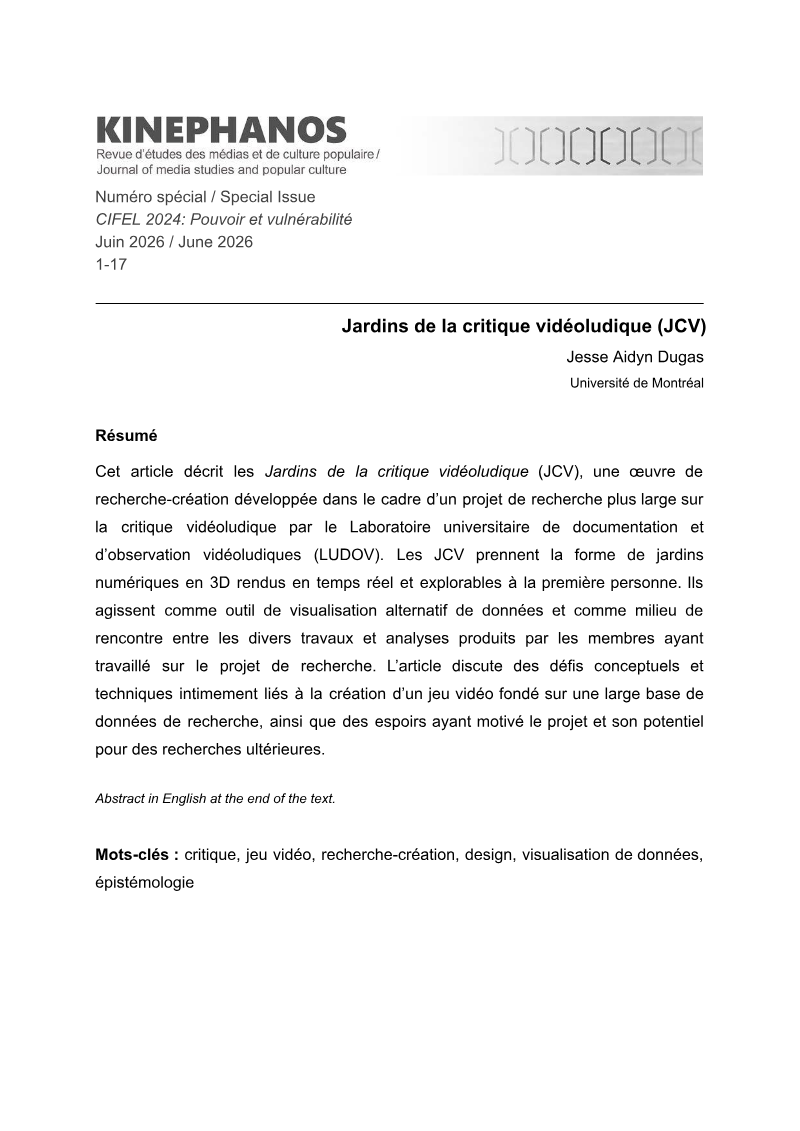
Jardins de la critique vidéoludique
Kinephanos · 2026
Whitepaper
Otaku Creations: The Participatory Culture of Fansubbing
Kinephanos · 2025
Whitepaper
Dissolution de toute altérité: Le morphing comme figure absolue de la continuité
Kinephanos · 2025
Whitepaper
Épître aux Geeks: Pour une théorie de la culture participative (1)
Kinephanos · 2025
Whitepaper
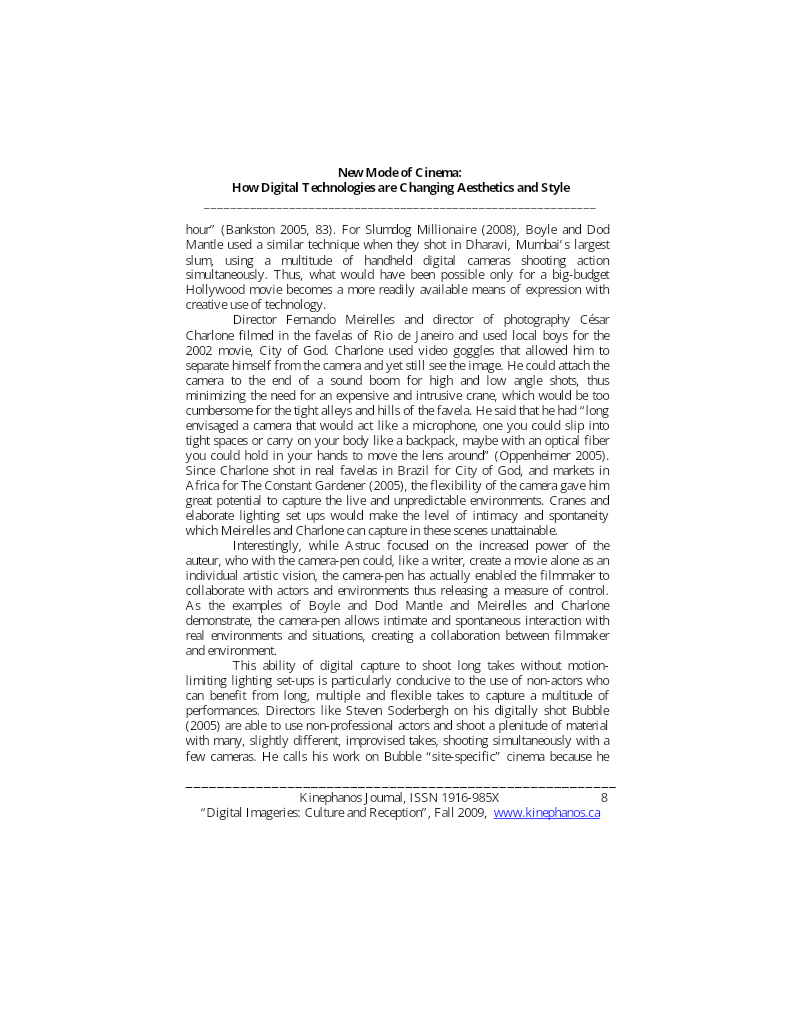
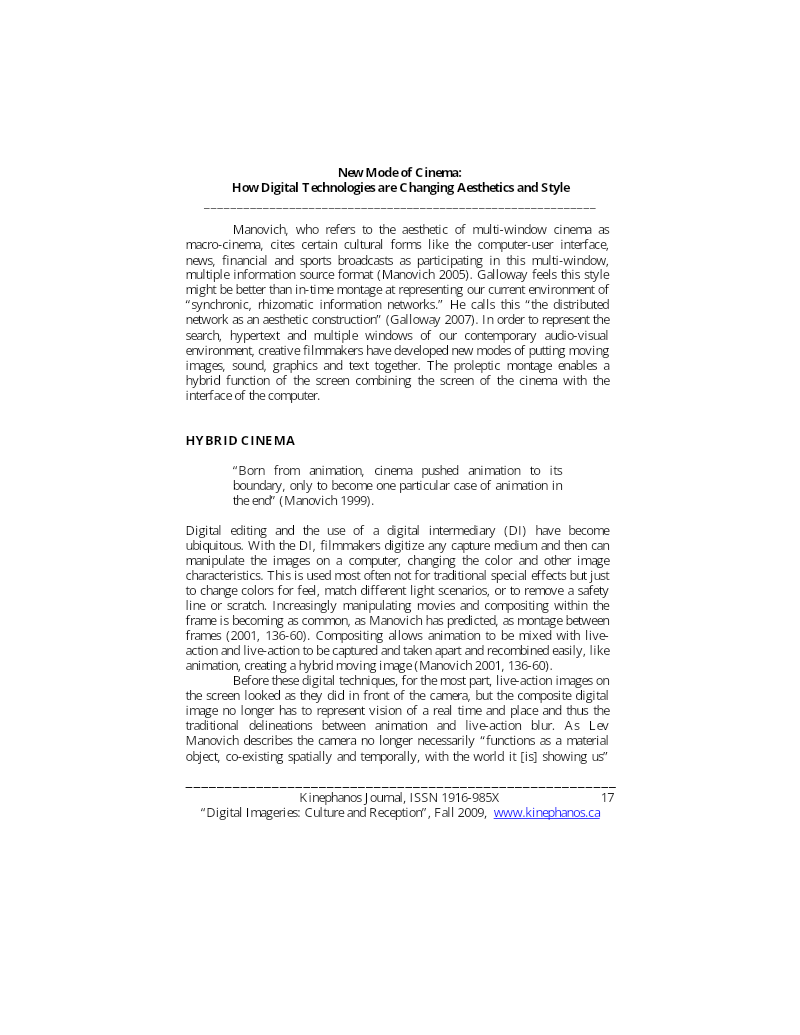
New Mode of Cinema: How Digital Technologies are Changing Aesthetics and Style
Kinephanos · 2025
Whitepaper
Marcher sur les platebandes des autres: Le processus de design d'environnement vidéoludique
Kinephanos · 2025
Whitepaper
Identification et utilisation des métaphores dans le cadre du concept art d'environnements
Kinephanos · 2025
Whitepaper
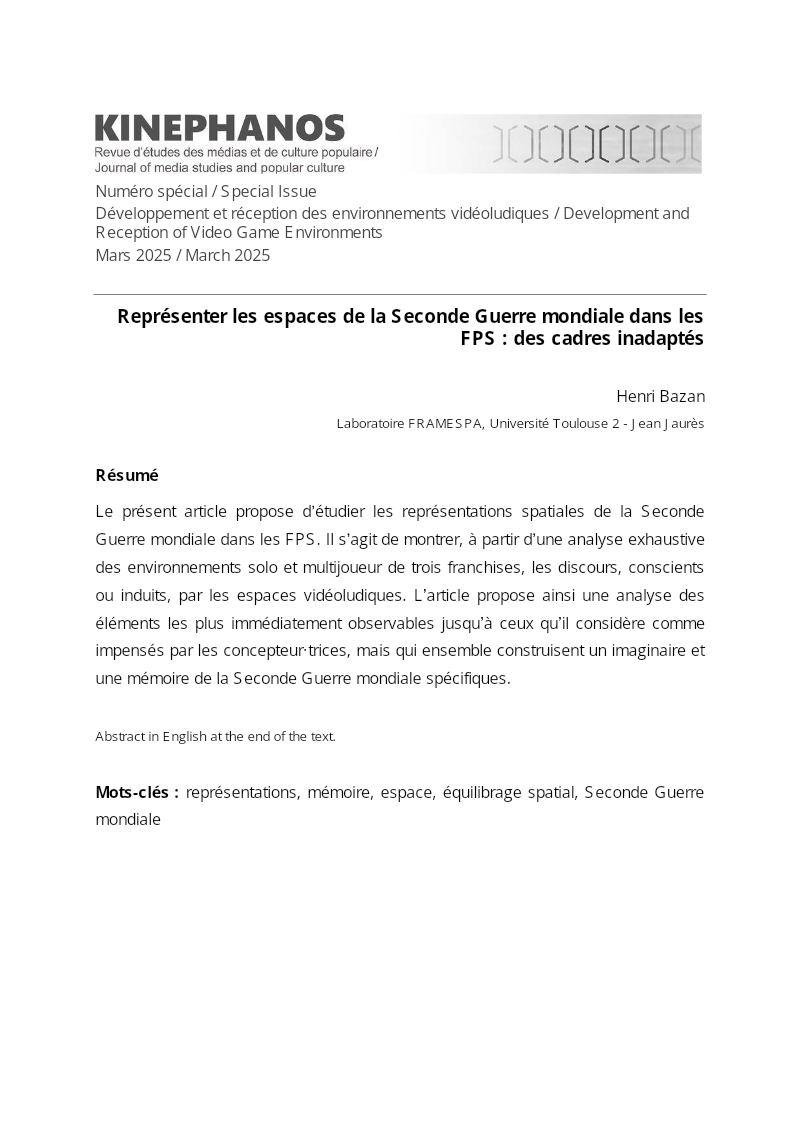
Représenter les espaces de la Seconde Guerre mondiale dans les FPS: des cadres inadaptés
Kinephanos · 2025
Whitepaper
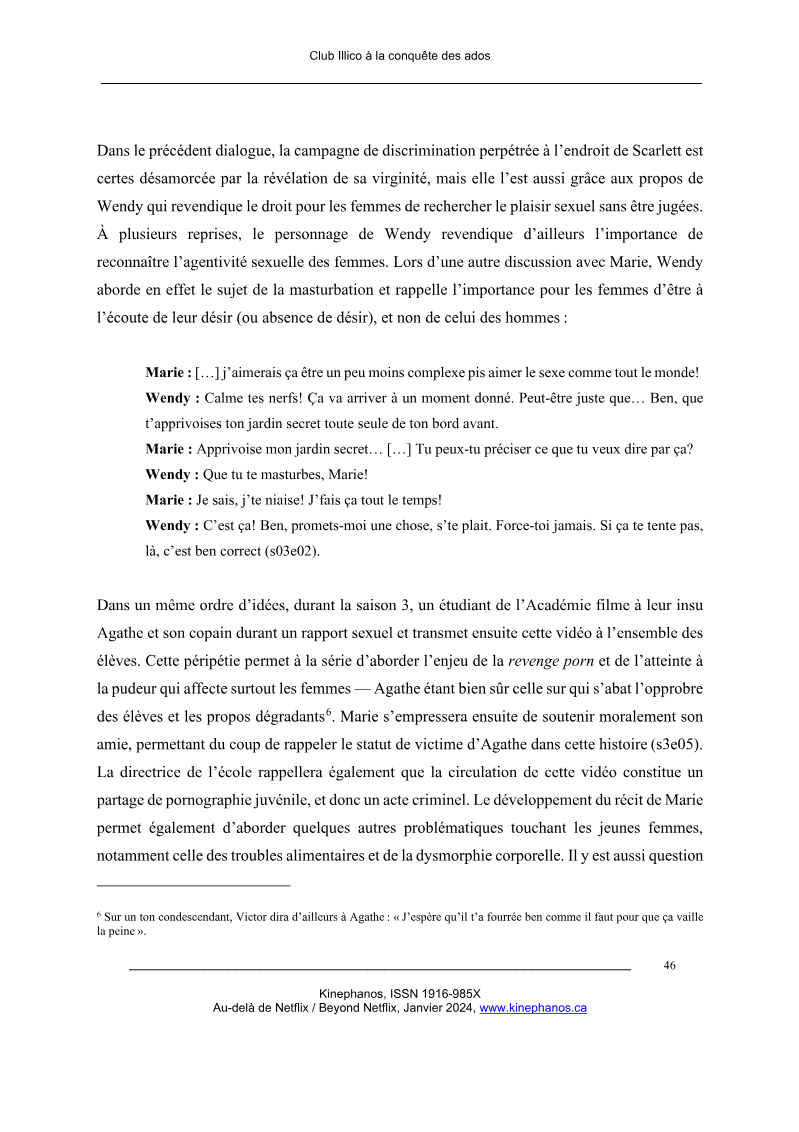
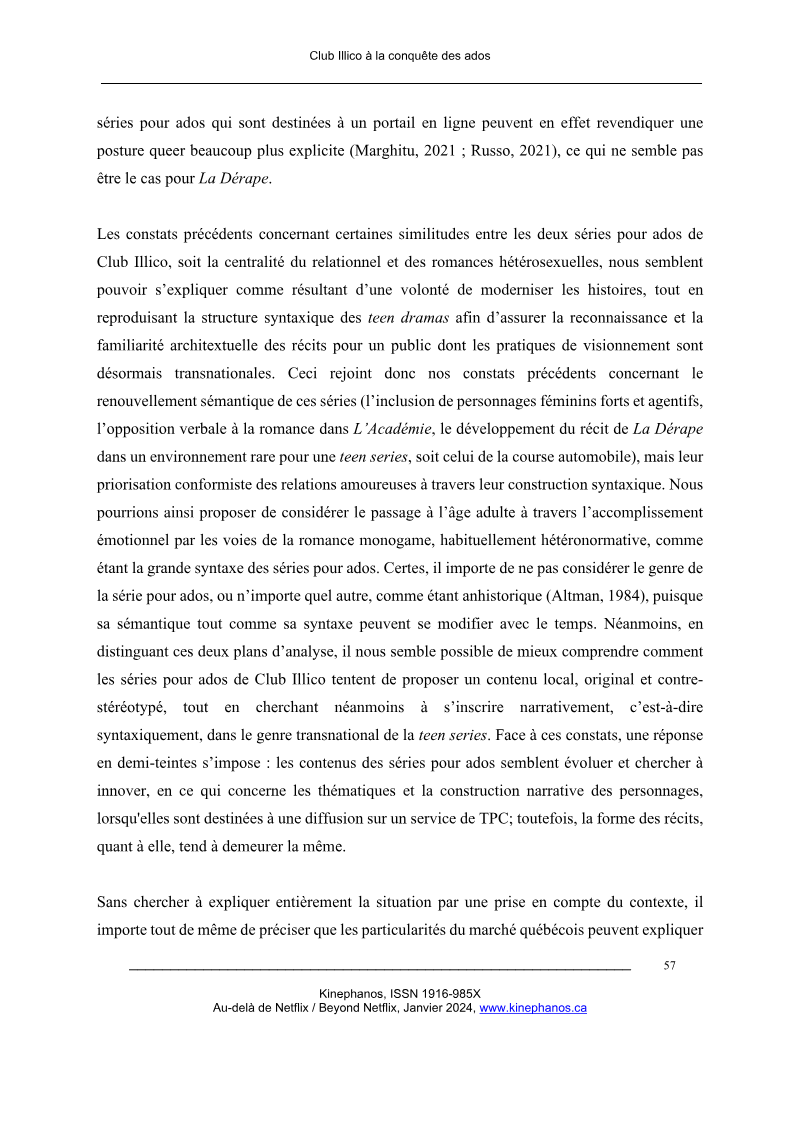
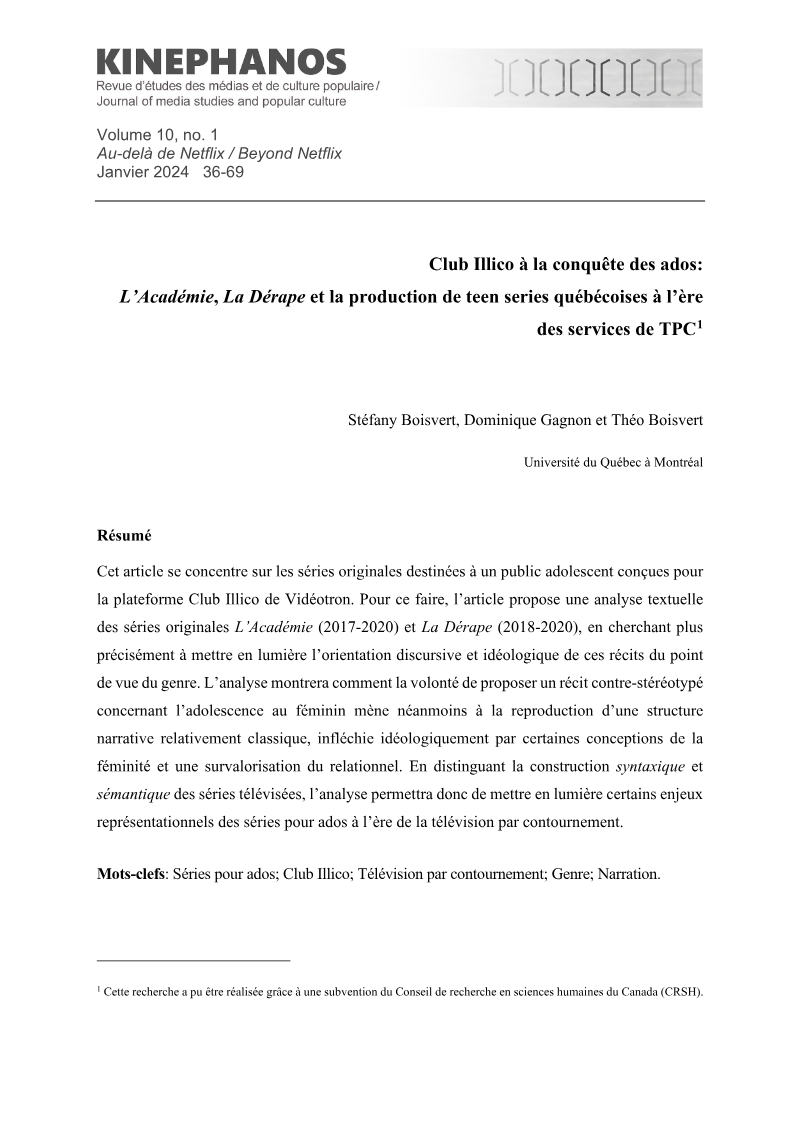
Club Illico à la conquête des ados: Production de teen series québécoises
Kinephanos · 2025
Article
Will Fans Blend: Issues of Access and Participatory Culture within Online Visual Effects Tutorials
Kinephanos · 2025