Key insights
6 slides
Player choice
Only a small fraction of Mass Effect players chose the female Commander Shepard.
Just 18 percent of the player base opted for the female iteration of Commander Shepard.
1 / 6
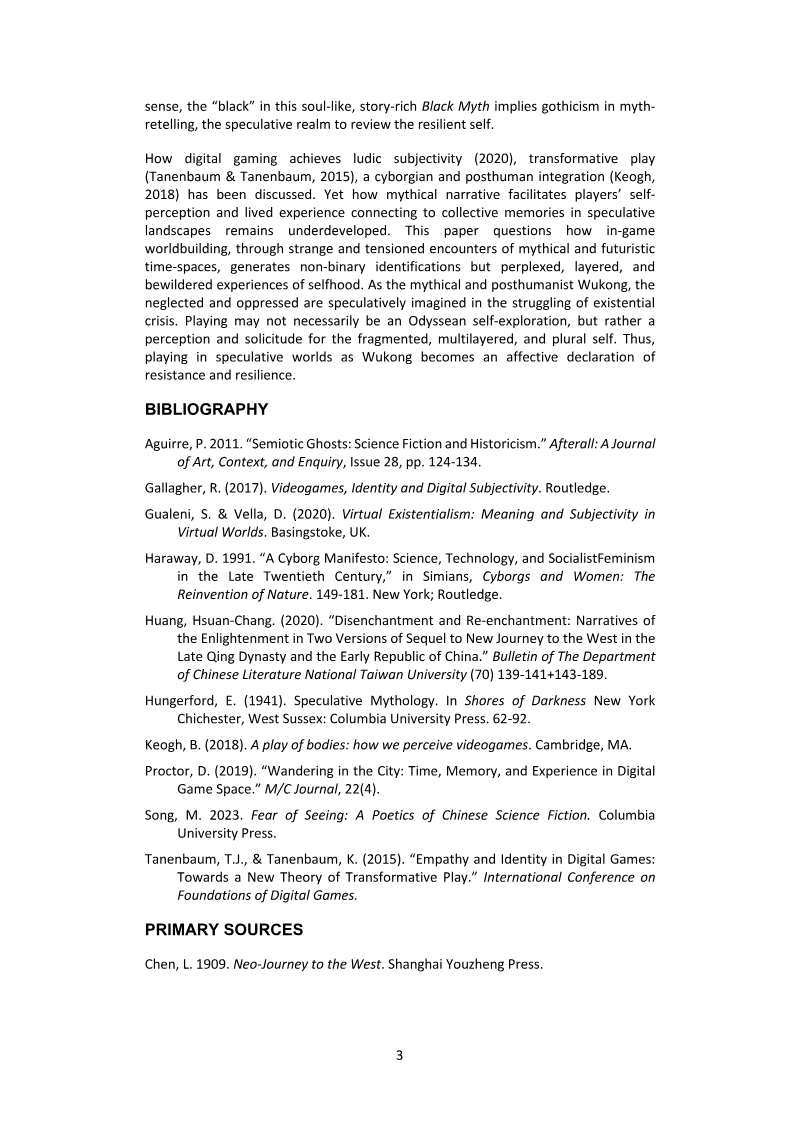
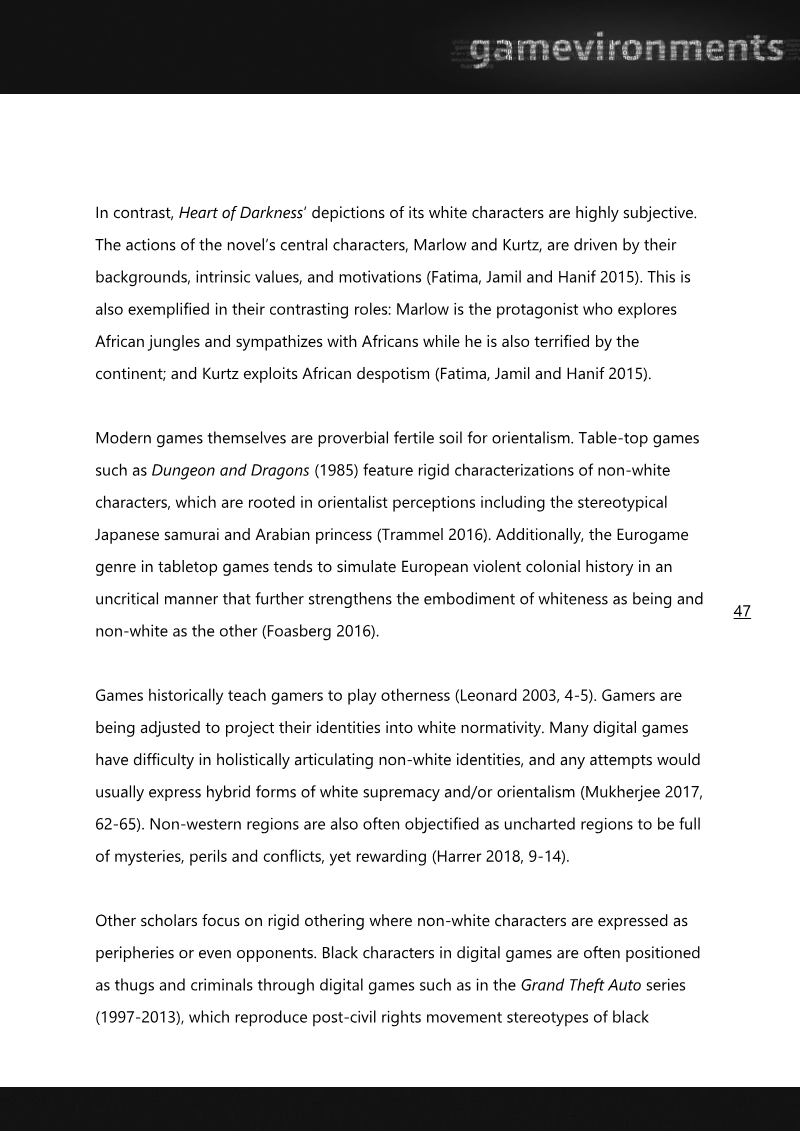
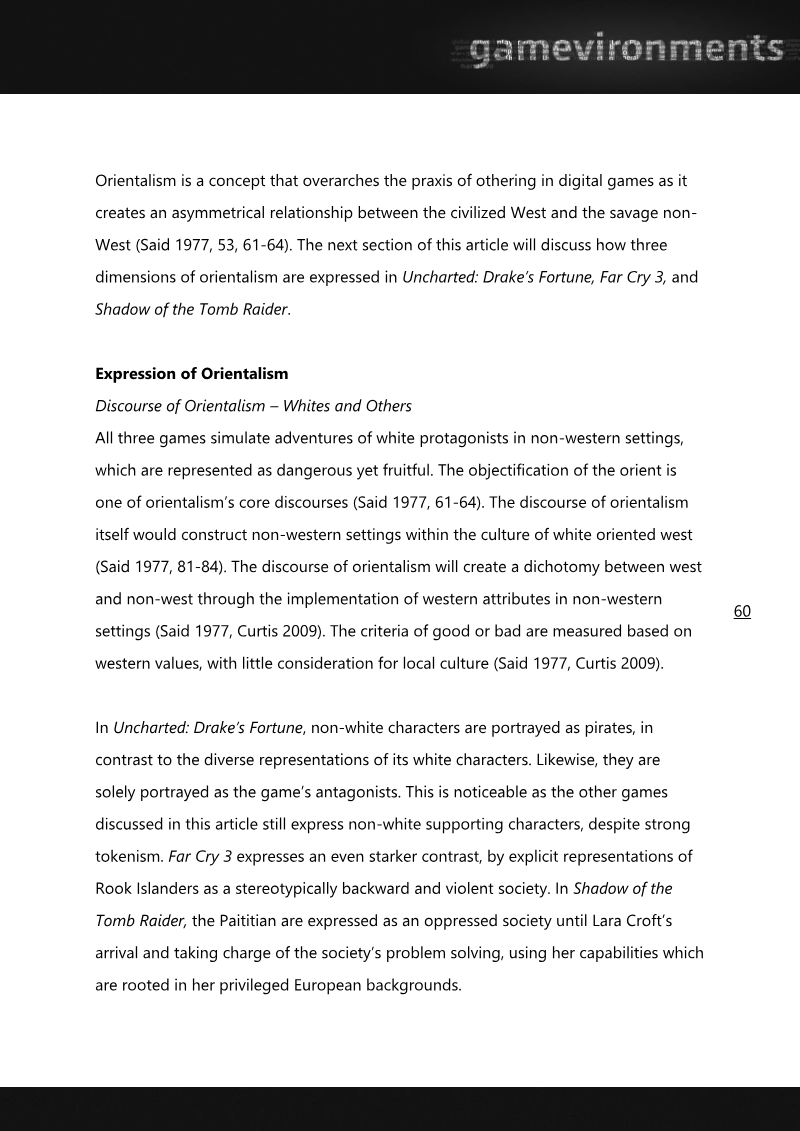
- 01Only 18 percent of the Mass Effect player base opted to play as the female iteration of Commander Shepard, illustrating the niche status of the character within the series.See it on page 2
- 02BioWare’s marketing strategy frequently relegated FemShep to a secondary status, often utilizing superficial beauty-focused campaigns that prioritized heteronormative standards over genuine representation.See it on page 11
- 03FemShep was originally designed as a gender-blind copy of the male protagonist, sharing identical narrative arcs and animations rather than being built with a distinct female identity.See it on page 7
- 04The character serves as a subversive figure that challenges early 2000s hyper-sexualized gaming tropes by successfully blending military authority with emotional depth.See it on page 17
- 05The game’s design framework treats the female protagonist as an optional feature, reinforcing a structure where female identity is defined primarily by its proximity to or deviation from the male archetype.See it on page 7
- 06Despite structural constraints, FemShep provides a platform for players to deconstruct rigid gender norms and resist traditional, passive, or objectified roles for women in action games.See it on page 19
Ask AI about this report
Summary
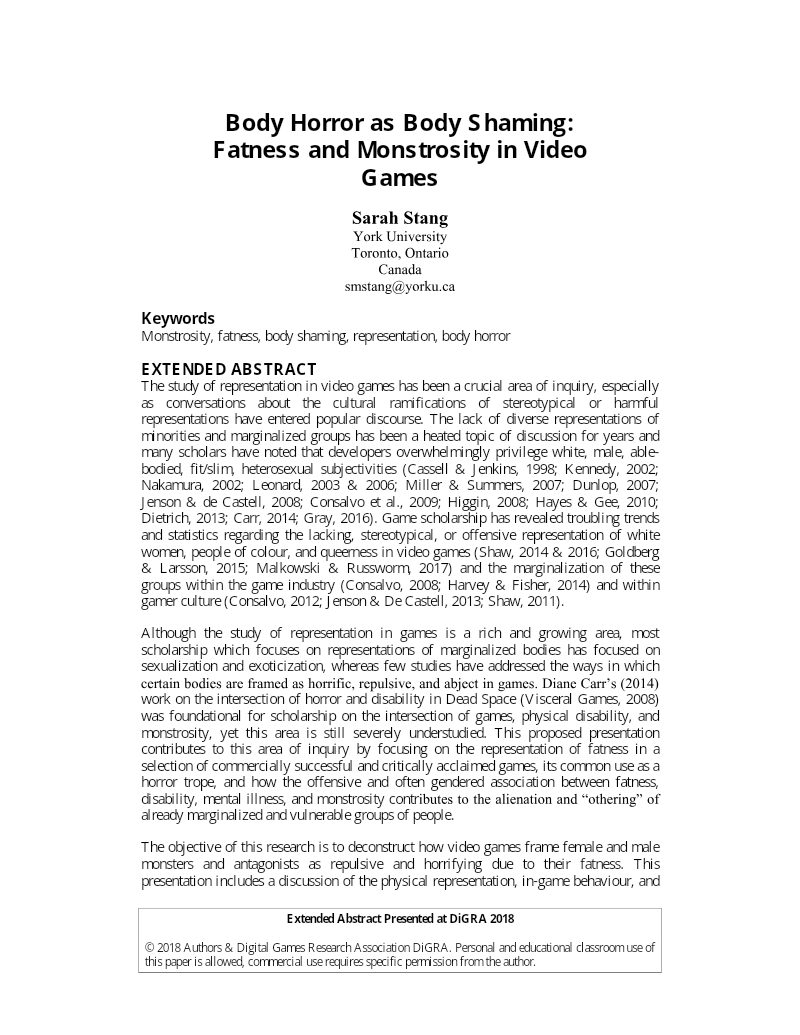
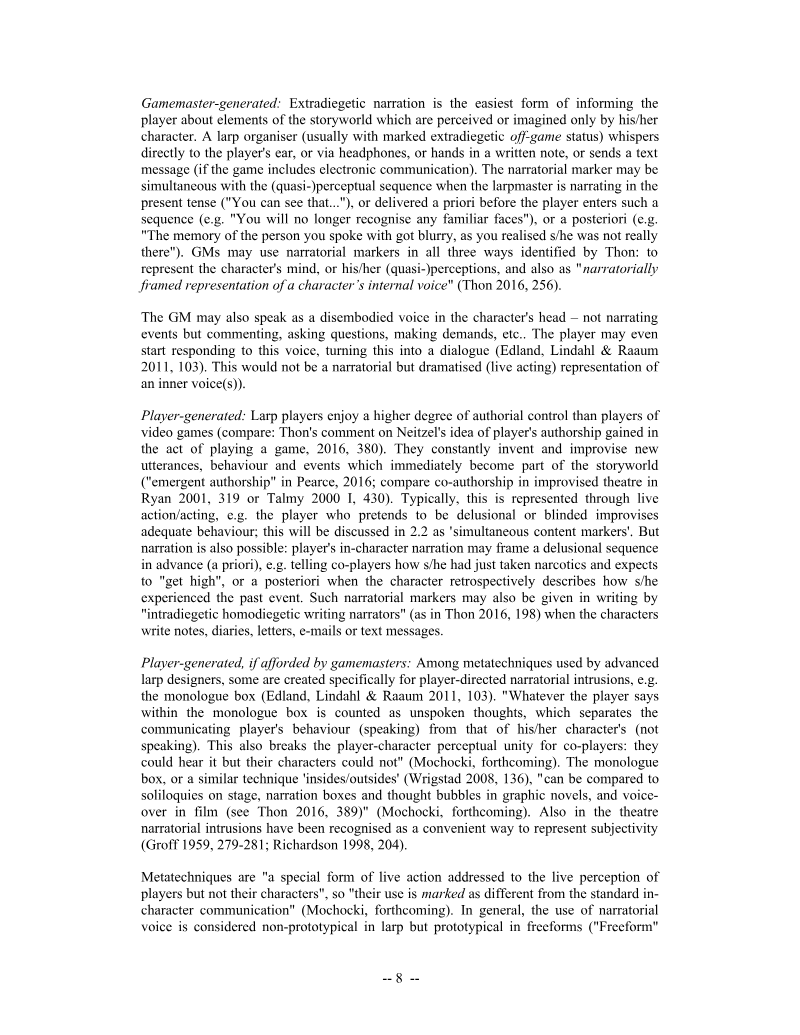
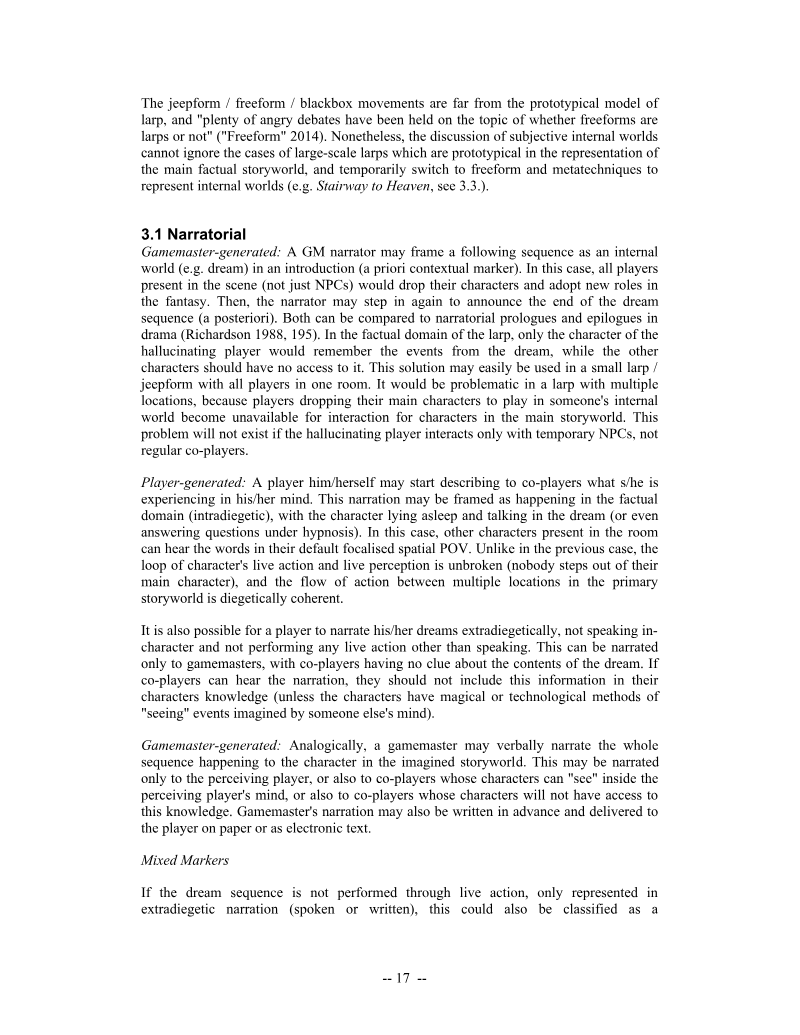
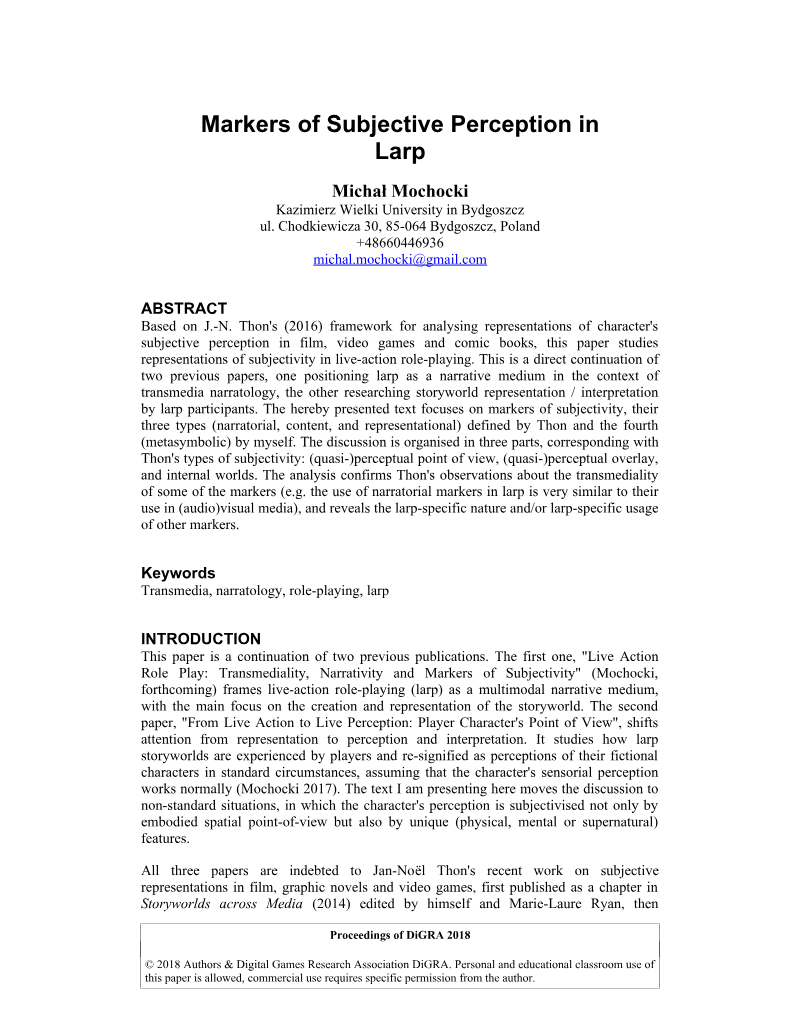
The character of Commander Shepard, specifically the female iteration known as FemShep within the Mass Effect series, occupies a complex position at the intersection of gender performance and industry-standard design. While the character was initially conceived as a gender-blind copy of a male-centric protagonist—sharing identical animations and narrative arcs—she has emerged as a significant site of critical discourse regarding the representation of women in action-oriented video games. Although only 18 percent of the player base opted for the female avatar, her reception highlights a persistent tension between the industry’s reliance on militarized masculine defaults and the potential for subversive, non-traditional female heroism.
BioWare’s marketing strategies frequently instrumentalized the female body, often relegating the character to secondary status or subjecting her to superficial beauty-focused campaigns. This approach reflects a broader industry tendency to prioritize heteronormative standards, where the inclusion of female protagonists is treated as an optional feature rather than a commitment to genuine diversity. By framing FemShep as a secondary choice, the game reinforces a structure where the female identity is defined primarily through its proximity to, or deviation from, the male archetype.
Despite these structural limitations, FemShep functions as a subversive figure that challenges the hyper-sexualized tropes prevalent in early 2000s gaming. By blending military authority with emotional depth, the character provides a platform for players to deconstruct rigid gender norms. While the game’s framework allows for the bypass of these queer or non-conforming possibilities through optional mechanics, the character’s existence remains a pivotal case study in how players can actively resist traditional tropes. Ultimately, FemShep represents a multifaceted identity that, while constrained by the heteronormative design of the series, succeeds in offering a performance of femininity that transcends the passive or objectified roles typically assigned to women in the medium.