1 free read left. Create a free account for unlimited reading + AI research.
Create free account
Did removing Gears of War from PS5 backfire? – Mat Piscatella on consoles, Game Pass and GTA 6

Key insights
7 takeaways- 01Several major titles were moved out of late 2025, crowding September and October while leaving November open for GTA 6, a Zelda remake, and World of Warcraft, and the speakers suggest GTA 6 competes more with Fortnite, Minecraft and Roblox than with other premium releases.
- 02Record purchase intent for GTA 6 among console and PC players is highlighted as a notable signal, though its effect on console hardware is uncertain given higher hardware and game prices than the GTA 5 era.
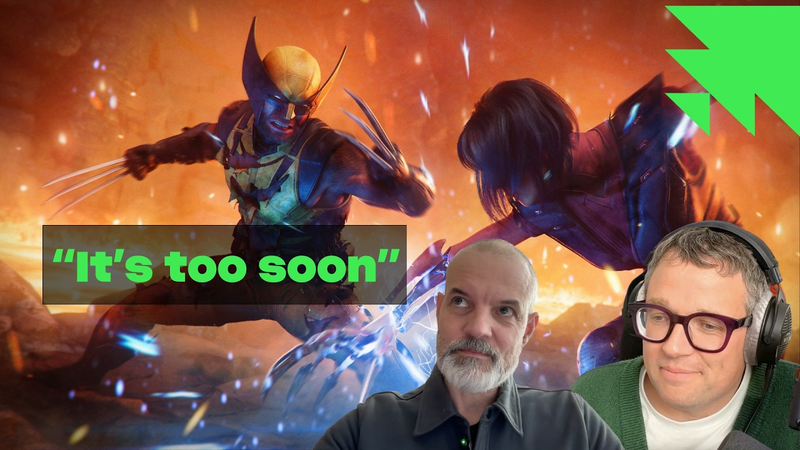
- 03Gears of War's exclusivity did not appear to lift Xbox hardware, which fell in the UK, while Marvel's Wolverine lifted PS5 hardware and accessory sales in September as Xbox and Switch declined.
- 04On Xbox, removing Call of Duty from Game Pass on day one roughly halved same-day player engagement, from about 28% to 14%, while the speakers attribute Call of Duty's weak momentum mainly to games that have not resonated with fans rather than subscription changes alone.
- 05Switch 2 held up well in September despite a price increase, and subscription spending showed a rare 5% year-over-year drop.
- 06Mobile spending has declined, and the industry relies on big releases such as GTA and Zelda to offset weak early-year months, with publishers reducing sales transparency as they move toward fewer, larger releases.
- 07The speakers flag rising piracy and jailbreaking moving into the mainstream, and argue disabled players form a large, loyal market where accessibility features are best planned early, while AI does not yet match human-written audio description.
Ask AI about this video
Transcript
This week we talked to video game legend Bing Gordon about his new book. US data leader Matt Piscatella [music] chats GTA consoles and the state of the games industry and we find out about making games better for blind people. Hello and welcome to the Game Business Show. So, I came across this saying a few months ago, which is if you're not paying for it, then you're not the customer, you're the product. And then it's all in reference to social media and media, right? Ultimately, a lot of modern media is about traffic. It's about attracting as many people as possible to reading this article, watching this video, or listening to this podcast, also they can deliver for their advertisers. The advertiser is the customer, not the reader. So, I kind of really love this movement we're seeing towards media charging the reader or the viewer, whether it's via Substack or Patreon or whatever. I think I think that's a good because then suddenly the onus is on these writers and creators to produce stuff for the audience primarily and not worry too much about having to have a clickbaity headline or write something that's a bit sensational or misleading just to get a click.
And that's kind of what we're about, the Game Business. We do have advertisers, but we limit it and we really want it to be about you. That's That's what we're all about. And that's why a year ago we introduced a paid tier to the Game Business Show, which includes an extra podcast and newsletter every week, plus access to our sort of live events for no additional cost. Now, we're sort of doing okay when it comes to paying subscribers, but it has stalled in recent weeks. So, if you're a fan of us, if you like the show, please do think about becoming a paid subscriber. I know that that's a lot to ask of people right now and a lot of people it's just not realistic and that's actually why we do our main shows for free because we're trying to help the business and not a lot of people can afford things right now. So, that's why our shows are free. Now, if you're a part of a company, this is expendable in a lot of places. And actually, if you're a leader in one of these companies, you can buy group subscriptions and share it with some of the team at a discount, and you can find out more about all our subscription options at the gamebusiness.com. Of course, you we sponsorship options as well. That's not really my side of things. George Corner on my team handles that and we only
allow one an episode. Um, there isn't one in this episode. There isn't one in the next episode. Um, so hit up George on [email protected] if you're interested. Now, before I dive into this week's episode, just a reminder that the Game Business Marketing Awards is a thing we're doing. Uh, you can submit your entry to the awards via our website right now and there's links to doing so in the emails. Um, also there's some more details on what it's all about. We just want to celebrate uh cool marketing campaigns. I used to do it a lot on MCV when I used to work at MCV magazine, but we don't really talk about it these days since the end of retail and I thought it'd be cool with there's been some interesting campaigns this year. Right. Now, this episode, uh, we've got a bunch of stuff going in it. We've got uh interviews with Bing Gordon, Matt Piscatella and Jenna and we're going to begin by talking about Bing Gordon, the VC and former Chief Creative Officer at Electronic Arts who's written a new book with his daughter, Chloe. The book is called Everybody Wins. It is out this week and I had a chance to chat with Bing about it. Now, the interview was long. It was well over an hour and we will release the full thing, don't worry. However, as the book is out this
week, I thought I'd best share some of the interview with you today. Um, I asked Bing, "What is this book about? What can we learn from it? What can we expect from it?" And this is what he said.
I think you're I've done probably maybe 40,000 notes-giving sessions in my business career.
Mhm.
And a lot of the same themes come up.
Mhm.
Um, so the book is organized around themes. So, Everybody Wins is the title of the book and that's one of the themes that it turns out most people are not motivated by competition, they're motivated by cooperation. At EA Sports, for example, with Madden, we thought it was all about, you know, I'm better than you are and I can prove it, which was the tagline once upon a time. And then we found out when we started getting older people and um um, more emotionally sensitive people into the games business that for most people losing has a lot more emotional weight than winning.
You know, my first example of an everybody wins game was in football. So, we'd build a football game um, to basically prove who could win and that's a teenage boy thing. But, your teenage boys when they lose, they go, "Yeah, I'm now I'm going to get even. I'm going to man up." But, a bunch of people when they lose, a Words With Friends player when they lose, they go, "Just like real life." And they stop playing. So, one of the lessons in, um, a big arcade football game was, yeah, I just scored a touchdown, but you can come up and punch me out and get away with it because there were, you know, there were no penalties. So, we could both win on the same play. I get the points and you get the emotional satisfaction of wiping me out. And so, this this whole notion of, uh, I think I think career scores or that kind of thing. So, in Fortnite, you can finish 99th and still win some points.
So, that I find an awful lot of times when I'm giving notes, I start out trying to take it back to consumer behavior. You know, so often people, uh, when they're designing or they're strategizing, they do it in a vacuum and I try to get it to tied back into what they would actually do with their mom or their brother or their kid in real life. So, everybody everybody wins is another idea called, uh, win fast, win first. We learned that in the mobile business where you got to get somebody to level up a few times in the first session or they won't come back. We also learned that in Madden Football, there was a year where competing, um, with, uh, Sony game. And at one point, I think Chip Lang, who was a young prodigy in EA Sports marketing, said, "Have you actually counted the number of seconds it takes to run a first play in Madden?" And I go, "What do you mean?" He goes, "Well, just try.
Put a you know, put a stopwatch on it." We realized that people get the game, you know, they would unwrap the shrink wrap, they'd install the game, and then they'd look at nothing but menus for a couple minutes. And we realized again and again and again that in life, as in games, um most people want to front-load a sense of victory. They want to get a sense of confidence to build resilience before failure. So, anyway, so that that that's the book I found myself taking a collection of in-person notes and speeches that I've done and tried to to figure out how to make it into a single artifact that people could consume, that I could hand out. And as I said before, I'm kind of a fanboy of authors. And um there was a time in life where I thought that's what I wanted to do as be a writer. And then uh as a broke kid, I finally made enough money to afford some time
off and uh and a typewriter. And I kept dithering and dithering and dithering. And after about a week of that, I thought, "You know, I forgot writing is really painful. And writing writing writing is really painful. It's so much easier to create content in an interview format and then get a transcript and then edit it so that that first draft creation is so painful." Which is another interesting thing about AI. AI is in the business of uh much easier creation of shitty first drafts. And creating a shitty first draft as a writer is really hard, especially if you're self-critical.
What do you think is one of the key takeaways from it? Do you think there's like a over overreaching sort of
Yes, for different customers. I think it's for um people who have gamers in their lives they don't understand this gamification is a high life skill and applied
everywhere. And hey moms, if your if your child is off gaming when they should be doing homework, you know, think about that as a a parental life enhancing moment and understand how what they're doing connects to real life one way or another. I think it's um for game designers, um I hope people who are worried about employment in the game industry realize that gamification broadly is an enormous growth business. And um you know, the companies that I work with in education and medicine and health and fitness and commerce and agentic [clears throat] design, all wish that they had game makers on the team. And I I used to tell um companies back in the early 2000s, if
you don't have somebody in the executive suite who grew up playing Nintendo, you're probably not as good with consumers as you think you are. And so I I think that's still the case. I think that um people who who channeled game making lessons are more valuable than they think. And so that's that's kind of an unlock. It's the the the glorification of game making skills and how how it can be applied everywhere. And so many people think about games as you know, this this narrow lane as movies as a narrow lane. So game vacation is to video games as storytelling is to books or storytelling is to movies. And storytelling turns out to be a wildly valuable skill.
Thank you to Being There Everybody Wins by Ben Gordon and Chloe Gordon is out
this week. Now, onto my favorite topic, which is video game sales. The US September games data has come in from Circana and it was a big month for video games. There were lots and lots and lots of new releases and there were some really positive numbers in there. And some negative ones, too. The PS5 sales spiked a little bit on the release of Marvel's Wolverine and Xbox sales were down. Switch sales were down. There were lots of new games in the charts including the likes of Onimusha and Fire Emblem and Blood of the Dawn Walker and surprisingly Halloween. And to talk me through the numbers but also what we're expecting around the launch of GTA now that we're a little bit closer to release, I've invited Circana's games chief Matt Piscatella back on the show. Matt is of course a regular and I know that you all love him. And so here he is. Hello Matt, welcome to the show.
Hello, it's good to talk to you again. I don't know if you've noticed but the the business is a little crazy at the moment.
I was quite calm. I don't I don't notice anything. The
it's [laughter] yeah, yeah, oddly I oddly just before this call had a chat with Shawn Layden, and we were talking about how this period of utter...just we've just gone through BioWare, we've just gone through all these sorts of quite shocking stories, and then I think everyone's looking at GTA, playing, "Please save us." The no no pressure but please save us. Well, I mean I've just had this Circana press release come in. Apparently one in three US console and PC gamers plan to buy GTA 6. Which confused me cuz I'm not quite sure what the other two are planning to buy but the um And, that sounds like a lot.
It is a lot. It First off though, congratulations that you've been on a hell of a run with guests and uh with uh you know, your your appearances in person in places. I don't know what happened this week, but um like been really great uh watching everything you've been doing these last few months here. Um so, just congratulations on everything with the show. Um and my other question for you, that wasn't a question. This is my question. Have you In all of your experiences and all of the time you've been doing this, has anyone ever worn a
suit better than Shawn Layden? That man can wear a suit. That is like he is clean every time I've ever seen him in person.
Well, all the interviews I just did with him as well, he had an orange t-shirt and a baseball cap. And I was like, I like this version of Shawn as well. It's uh it's but he still pulled it off with
The guy's got swag, man. I I love that. Um but yeah, we we had to get in on the action of all the G the Grand Theft Auto fun when it comes to public press releases. I don't know if you saw the other one floating around yesterday about that work tracking company saying they've seen this huge increase in the number of planned work absences for the day. We're going to see just a whole bucket of press releases come out. But yeah, ours was around purchase intent in the US. It is at a record high for Grand Theft Auto 6 because of course it is. Uh you know, it's rare to see purchase intent for any game, you know, exceed the mid-teens. Uh this thing is, you know, on a whole 'nother level. Of course it is. And and of course purchase intent is
just a vibe check at a certain point in time uh based on what players are feeling. And that can always change based on marketing or reviews or influence or whatever. But you know, coming into this launch, um absolutely off the charts in terms of historical intent among uh those people who play on PC and console.
Now, I've read some of your comments. Um so, I kind of know what I expect you're going to say here, but what are you advising companies to do? Are you saying like don't bother? Don't don't put don't put your game out anywhere near this thing, or are you saying hang on, there's you know, there's 60 60, 70%of players actually who aren't necessarily looking to get GTA.
Uh well, no one asked me before they moved all of their games. Everyone just got out of the way of this game out of Yeah, you know, I'm sure it's well thought out and and planned and and considered very carefully, but really at at its core, I think it's more fear than anything.
Um and in that respect, like everyone's moved their games into the same windows that have become more competitive on their own. So, by trying to get out of the way of Grand Theft Auto, they've just gotten into the way of several other titles that are coming out. Like when you look at the September uh sales charts or even release charts, like that was just such a crammed month of releases. October was also pretty tight. It's loosened up now, of course, because now everyone's moved out of this window. So, what what they've left is this huge open space in November for Grand Theft Auto 6, Legend of Zelda: Ocarina of Time remake, and World of Warcraft forever. And those three things which are, you know, on different platforms entirely, like now they just have this window, which
Yeah.
cool, I guess. I mean, but really like if you have a cozy sim or, you know, you have a a first-person shooter, is Grand Theft Auto 6 really your direct competition? Or, you know, or is
Fortnite still your competition? I I don't know. I get it, but I I think it's been more irrational than rational, but people disagree.
Interesting. I had Call of Duty on the show recently, and they talked about, you know, with Call of Duty, a lot of the things that it's about people hanging out and playing together online, and GTA 6 isn't about that. GTA online is about that, but GTA 6 isn't about that. And so, they sort of see themselves as playing a different role. But, and by the way, Zelda and GTA now call the Ocarina of Crime. That's the uh
Okay, is that it?
Yeah, yeah, yeah, yeah, yeah.
Okay, that's that's actually pretty good. All right, that's fine. [laughter] The um
But, I think a lot of it's down to coverage, and I don't know how important it is these days. But I do know that, like the, the what's left of the press is just going to be, you know, you're you're putting out press releases about GTA because everyone's talking about GTA and everything. You know, the BBC interviewed me recently, and they were doing some preparation for a lot of coverage they're doing around GTA, and it's the entertainment team, and I said it's all GTA for the next few weeks. So, I think there's a probably an element of, well, you're you're going to struggle for coverage, but I think certain games won't, and I think that's, you know, I think that's what you're basically
saying. You know, if you're different, you're going to you're going to still find those groups of people. You know, the RPG specialist websites aren't writing about GTA; the Nintendo websites aren't writing about GTA. Do you remember the Red Dead Redemption launch? I don't know we were warned at the time, I can't remember where you were, but the impact it had on like Alan Wake and all that kind of stuff. I think ever since then people have been quite terrified of Rockstar and what happens if you go too close to it.
Um fly too close to that sun.
Correlation, causation, I don't know. Um certain games just don't have the mass market appeal of others. Anyways, we could go into whole rabbit holes about that. I mean, I'm just I've I've always been after 20 years of over 20 years now looking at this stuff. Uh there's a lot of audience that has a lot of different tastes and and wants and needs. And, you know, we're not a monoculture in gaming, haven't been in a long time. Uh there's opportunity for games to find audiences. It's very difficult. It's getting harder all the time. Um you know, but I think for the vo-the vast majority of games, Grand Theft
Auto's not your competition. It's still Fortnite, Minecraft, Roblox, and that's never going to alleviate anytime soon. So, I I don't know, but you know, people have their own takes on all this stuff, and I get it.
Well, and this is the question that the question nobody has answers to is will GTA 6 boost the console sales beyond launch? Will it lift the market for everyone and boost sales of other games or will it just suck all the oxygen out of the room? Will lapsed players or even new players come in for GTA 6 and stick around and play more games or just drop out at that point? These are all questions we don't have answers to, but give us Do you have a best guess?
Yeah, so I mean, you can look historically, right? If you look at 2013, which was forever ago. Uh but when Grand Theft Auto 5 launched, there was a moderate bump to hardware sales. It wasn't Yeah. Earth-shattering or massive. It wasn't It was moderate, you know, teens bump over baseline. They had some people showing up that have an hadn't invested in PlayStation 3 or 360 at the time.
Um so, you know, you look at that and go, "Okay, well, maybe we get a moderate bump this time." Um the challenge now is of course, you know, back then you could walk into a store and pick up a bundle for cheap. And now you've got to pay six, seven hundred dollars for a new box and then you got to pay, you know, eighty or a hundred dollars for the game. So, the costs are are far different than they used to be and back in the day or in 2013, you didn't have the big live service games, you didn't have the competition from mobile like you do now for attention and all of these other areas where people are focusing. So, maybe it's less. So, you know, we had that reveal, right? The Netflix reveal.
Mhm.
And you know, we saw a moderate bump on PlayStation in the US hardware unit sales according to Circana data around that time. It was the same time NBA 2K was doing some stuff, so it's kind of hard to parse out exactly what percentage of any lift is from one game or another if there's competing games out there. Um but at the same time that
happened on PlayStation, Xbox sales fell. So, do people not know the game's coming out on Xbox? Is Are Xbox's bigger problems kind of dwarfing uh potential incremental demand because of GTA. Like that's we don't know. Like those are questions we also don't know the answer to, but you know, generally [clears throat] I think, you know, we're going to see a moderate increase. But because of the price points, because of the availability, because of how different the market is now than it was back in the day, there certainly is more. There's certainly more uncertainty. I think that's something you could say.
Well. Yes, uh anyone said Well, thing with GTA 5 cuz I went obviously access it about a year ago when when GTA was coming out last year. Um and I was looking at Oh, what could it do? Thing is with GTA 5, GTA 5 was the second GTA on that platform, right? So, GTA 4 was the first on PS3 and 360. So, if there's going to be a GTA which drove users to a console, the second one might have some impact, but it would be the first one for...But even that was hard for me to work out, um, looking back at that, cuz we're now
we're going back nearly 20 years and you're sort of getting to a point where you're going,it "it's a completely different ecosystem," and GTA's obviously a GTA's a bigger beast today than it was in in in that time. And obviously there's been this build-up and hype. That's what I mean. We don't know. I think there's a lot of anticipation, a lot of waiting for it. We haven't had a new GTA on a console since um well, two generations ago. So, it's um it's mad to think, really.
Yeah, and Grand Theft Auto 5 has been a best-selling game for 13, now 14 straight years in the US. Online's uh online had the third most players in the US on both PlayStation and Xbox last year. So, like the property hasn't gone anywhere. So, the question to me is like, okay, Grand Theft Auto 6 launches, does it have the biggest 2 weeks in gaming history and then completely fall off because, you know, there's no online component or recurring component, or does that pull in more people over time?
And if it does fall off, do those people buy them down now put their console back
under the TV, or do they, you know, play James Bond or Call of Duty?
Or they do they start up online, right? Like do
start playing Grand Theft Auto online and they they start building shark dollars or whatever?
I think the work for the data analyst at G yourself really begin after the end of the 19. Well, I mean, talk about Xbox. It really so it's same same thing happened in the UK, by the way. So, I know the difference in the UK and the US numbers for September was that the the the data window is different, by the way. That's the other thing. But, um PlayStation 5 did did pretty well. Nintendo Switch 2 did pretty well in the UK, but not so well in the US. I know the price rises around that point. But, with Xbox, I was surprised at how much it was down both the US and the UK, because that's the Xbox is strongest market, those two. Um and so Um I don't know. But, it I did wonder if there was another reason why those numbers might be the way they are outside of the fact that it's just been a bit of a brutal time for consoles in general.
I mean, it's just it seems to be just on another level with Xbox. And everything you're very doing, all of the new
programs they're putting in the place, at least in the sales and engagement data that I look at, I'm not seeing that have any positive impact. Like, the disc-to-digital program hasn't changed their sales of new physical software trend at all. Um no matter what they do in terms of the console side, saying like Gears is going to be exclusive, that hasn't made any difference in terms of the hardware trend. In fact, like the hardware trend keeps getting worse. Um you know, they've lost some distribution in the US. So, like it just seems like everything they're doing is not having a positive impact. And now, you know, they took Call of Duty out of Game Pass on day one. And, you know, in the engagement data I'm looking at through our player engagement tracker, I mean, basically, you just you know, you lost a ton of engagement on Xbox because it's no longer on Game Pass day one, and you got no benefit. Like It it's just
Mhm.
I I don't know what they do. It's just
uh there it's really hard to find any signs of positivity or hope on that platform right now.
Gears of War, obviously half a billion dollars it cost to make that game. So, I'm I'm sitting there going did it do anything? In the UK, cuz they got their hardware data in, Xbox was down 2%over September and 22%down over October last year. That's the Xbox hardware sales. In the In the month they finally released an exclusive Xbox game, finally given that I don't know what the engagement numbers are. I don't know how many more people turned on their their Xboxes or something. But, in terms of hardware sales, not only did it not move the needle, the needle went down. So, um you just feel like the the momentum so against that it's almost like they're trying to push water uphill and they just can't do it. Um maybe for the next generation, I don't know.
Yeah, the the $1,200 [laughter] Xbox console.
Yes, yes.
I don't know. I don't know what you do. Um they're still the biggest publisher around.
Oh, of course.
But, for how long? Like, I don't know. Um everything they're doing
seems to be, you know, I mean, it's getting Twitter likes from the most passionate part of their fan base, but other than that, uh in terms of the actual results, I'm not seeing anything right now.
Yeah.
And I'm looking really hard. And you know what? Gears is beautiful. What a It is a gorgeous game. That is a Gears ass Gears of War game. And it looks great. Uh but yeah, you you kill the you make it exclusive, you kind of chop the legs out from under its potential as an individual title in order to try to boost your platform, and that I don't know. At least in the short term, it hasn't made a difference.
I'll be honest, one of the key things about Xbox they've always said, and I I don't mean this like they put out lots of good games. They've not put out a lot of great games, you know? And they This year, I think Gears, this is what I'm reading, is being as a great game. I think Modern Warfare 4, by the sounds of it, is a significant improvement on on where we were last year. World of Warcraft forever from people in the beta telling me that this is a pretty special thing. So, it certainly feels like Microsoft anyway, Xbox is as a sort of a
whole as a publisher are getting there [clears throat] with the quality of the games. They are obviously the same old franchises, which um I wonder if that's part of the problem, but that's always have been the key thing for me. You can talk about business models, we can talk about um all that kind of stuff, but the key element in video games as we know is the game's got to be you got to do something you got to create a stuff Sonic whenever I asked him like what's your secret? He goes, you make hit games. Like it's a really really dull answer. But Xbox hasn't made many hit games and I don't know. I was quite pleased to see that these they getting some good review scores and some good ratings from fans as well, but I'm not seeing anything in the numbers as of yet. Um I guess it's a long-term play what they're going through, but go go go you you say what you're going to say.
Uh uh no, it just reminded me of the um mission statement when I first joined Activision in 2005. It was we make great games that sell. And then later on they turned it into this really long convoluted engagements and delights and all this stuff. But really like ultimately yeah, like those very basic statements still tend to work
out. But anyways, go ahead.
What I was going to ask if there's any early indicators around Call of Duty because the only indicator I've got is I've got the physical weekly sales for the UK.
Mhm.
And it was basically the same as last year. Last year as we know was a disaster. Switch two version didn't do much at all um in the UK. In fact, Final Fantasy Resonance is that the year new Final Fantasy game sold more copies on Switch two than Call of Duty did. Um so um that didn't seem to do anything. But I don't know if I don't know if you saw any early indicators.
I was just looking at this this morning. We have our player engagement tracker, which you know, we have a a large panel of players and you know, we we snapshot what they're doing every few minutes and then aggregate all that information to see what they're playing for how long and where. Um anyways, I was comparing the launch window like the public launch window, the full launch window, not the early access or whatever. But like hey, here's the games all available to everybody uh year on year. And so, last year uh, you know, we had with the Game Pass day one launch, according to our US engagement tracker or worldwide
engagement tracker data for Xbox, we had about 28%of players last year on Xbox who turned on their Xbox on that day and played Call of Duty. So, good shot, right? This year, on the same day the game was fully released, that was 14%. So, that engagement rate was cut in half because the game wasn't available on Game Pass on day one. Now, on Sony, it was very it was very similar. Uh, a point different. Um, just slightly lower than last year, which makes sense. You know, that wasn't on the game it wasn't on PS Plus day one last year, it's not this year. relatively similar engagement. Uh, and PC was actually boosted a little bit in terms of our Steam tracking. Uh, I think it was somewhere, you know, um, on a much lower scale because PC's a whole different thing when it comes to engagement rates, but that we did see the increase in engagement on Steam. So, ultimately, you know, uh, the PlayStation platform in terms of the percentage of PlayStation players
playing Call of Duty on launch day was higher than it was on Xbox in terms of the percentage of Xbox active players that day playing Call of Duty. So, like PlayStation's returned to become like this lead platform for Call of Duty because they've pulled it off of Game Pass. And you know, last year there was all that conversation. You remember it? Like, "Oh, you know, Call of Duty we lost uh, 300 million or some crazy number uh, because the game was on Game Pass on day one." And you do the backwards math on that and you go, "Okay, what they probably did was take the total number of people who played on Game Pass and multiplied it by the cost of the game." Like piracy math, which whatever. But, in any case, like we've seen this dramatic downtick in terms of the daily engagement rate on Call of Duty year-on-year on Xbox cuz it isn't on the subscription service. So, we didn't see a whole bunch of Xbox players buy the game this year because it wasn't available. Maybe there's a gap there because, you know, still four or 14%of
people played, so you had some gap there. Um but it wasn't like they maintained the player count and all the people who played on Game Pass last year went out and bought it this year. That just doesn't look like that was the case at all. So, what did it buy you? Like all this really does is in in in my opinion looking at this is like you've hurt the the value proposition of the one key differentiator of your platform, which was Game Pass. So, you've you've removed some of that value proposition there. You haven't improved the value proposition anywhere else, and you've raised the price significantly a couple of times. Like that's a bad combination. Uh especially leading into a holiday.
Is it an indication that more people might have bought it this year or is it a bit too early for that kind of
We'll have to see. Like I don't have that data in yet.
Yeah. So, we had Call of Duty on the show and actually when I asked them what went wrong last year, they said the game wasn't good enough. That was their Well, not good enough. It just didn't connect. That's the you know, that's probably the
the more accurate sentiment. That was their analysis of it. Like it just wasn't what fans wanted. And when I asked them and it was quite a good answer actually, when I asked them um what would success look like this year and they said, "Look, it might not be you know, they didn't say it exactly like this, but the numbers might be whatever the numbers are." I said, "But really what we've got to do is put out a good Call of Duty so that the fans aren't disappointed in us anymore and then we can rebuild that trust and regain that enthusiasm and build over time." And obviously they're talking about Modern Warfare 4 being an end of an era and they're being doing new things for the future ones. And I thought it was quite good answers and to that to that sort of a question. I hope that it does that does the case, but I I think I agreed with you when you said it earlier in the year. So, I said I think there's bigger problems at Call of Duty than isn't Game Pass. And um you know, you can see that in the dropping engagement figures, the amount of players they're getting in a month-to-month basis. You can see that it's um it's losing momentum. It's still obviously a juggernaut.
Oh, absolutely. But like the bouncing around between the studios, kind of the the all that, you know, the other studio didn't do it right. We're doing it right
this time and boots on the ground and oh, we're getting boots off the ground. Like in this back and forth over the years and kind of sniping at itself as a franchise. Like And and look, man, I got like a personal interest in this. Like I was at Activision the day we launched Call of Duty 2 on Xbox and like saw the numbers coming in and went, "Oh my god, this is like, you know, the the 76%or whatever attach rate we had on that." So yeah, I like I've got this game in my heart. And when I hear like that kind of things happening or like, "Oh, there's a Call of Duty tax from journalists on the reviews or whatever." It's like
That was in my interview, yeah. [laughter]
Come on, man. Like what are we doing here?
I did feel a little bit I I did surprise about that cuz I basically I spoke to a journalist who I said they don't cover Call of Duty as much they used to. And I asked this you know, it's Andy Robinson at VGC and he said, "Well, we do cover it." He said, "But, you know, I don't cover it as much as you used to because sort of influencers have been that they've been the domain of Call of Duty." You know, they've become such dominant force in terms of sharing that news that yeah, Activision I guess have
leaned into that. And I brought that up in my interview. And I wasn't having a go at like, "Is it that the place space where you go now for that kind of thing?" And then they brought up this Call of Duty tax. And I was like And then I looked back on it. And actually, Call of Duty reviews generally pretty well. Like Pretty well. Last year's didn't Well, last year's didn't as well as high as usual. And the Modern Warfare no, Black Ops What was the one Oh, was it 7?
7, yeah.
That that that didn't. And then Modern Warfare 3 didn't. So those sort of those sort of quick sequels that they did didn't do quite as well. But the ones after beforehand did. So I wasn't quite sure.
great. Like it's reviewing extremely well. People are really into it. Um it's just very strange.
They have to have to have seen to be like swinging from where so back where so well. But anyway, hopefully hopefully you know what they've got a new plan they've got a movie coming out and they say we hope they do really well. But it's a bit early I guess to tell tell how this one does. Well, let's just talk about Switch 2 quickly because we talked about how you didn't think necessarily that the Netflix reveal had a big impact on PlayStation 5 sales. Did you see
anything on the Switch 2 sales around Ocarina? I'm guessing you didn't based on the Ocarina Direct meeting based on the fact that Switch 2 sales were down in September.
Yeah, I I nothing that jumped out at me. And of course like when you're looking at like a weekly sales number or whatever like it's very hard to kind of pick out the components of what would influence that, right? But nothing jumped out.
As I asked the question I realized it was kind of a stupid question cuz obviously they showed a new Switch 2 special edition that isn't out until November.
Yeah, when that shows up, I'll see something.
Yeah.
Like when Marvel Marvel Wolverine's PS5 showed up. Like we you see that in the sales. It it pops. Like when a special edition shows up and people actually buy it. So and there people are going to buy the hell out of the Zelda one and and I'm sure on eBay you'll be able to find one for four grand if you want.
I bought a third Switch 2. [laughter] Well, that Zelda thing. I'm I'm the very much that target audience. I was disappointed to see the Switch 2 drop and mainly because it did quite well in the UK. So in the UK it was up 17%
year-on-year in September over here. But at the same time that should be no surprise to me cuz I think the price rose from September 1st. So
And like early on early on in the Switch 2's life in the US like stock was never a problem. It was widely distributed. So like we still have that elevated early yeah, like early run for Switch 2 we're comping against. Like it's no longer the fastest selling console ever. I think it's I don't know the number. I don't know. I don't even want to say it because then I'll see something on a message board. But it's no longer the fastest selling in the US. But it's still doing very well. But yeah, our the comps are weird on Switch too because it's rare that such a successful device in its first year in market is widely available and doesn't have supply constraints or whatever. I'm not seeing anything to be concerned about in the Switch 2 numbers at all and I'm sure it's going to pop with Zelda. But yeah, the price increase took effect took effect. What they did was pretty smart. They dropped the world bundle and they went to a standalone skew, maintained
the price point. So effectively on shelf there wasn't a significant price change. But yeah, it's less value in the box. And so yeah, that's going to have an impact especially in like a short-term window following that that implementation.
Yeah, I was I did wonder if was there a new Mario Kart world bundle that showed up as well at the end? I wasn't sure if I had somebody was telling me about that. So
I didn't see anything.
No, maybe not. Well, like the so tell me was an old mix I thought. There was a new IP like Watch Dogs obviously took a lot of people by surprise. Blood of the Dead I did think was going to do well and it did do well. But Halloween [laughter] What what was that about? It's just It was And it was worldwide by the way. It wasn't just in the US.
Yeah, and it's cross-platform. Like it wasn't even just a Steam thing. Like that was a it was a console thing too. It just had a nice pop.
It was right in there on some on some platforms globally in the top five. If there's one thing that took caught me off guard I didn't know Control Resident Evil and Silent Hill wasn't wasn't up there. But then it was towards the end of the month that game but those games. But yeah, seeing Halloween do so well
I did wonder if what what is there some sort of secret from it? You know, was it particularly incredible price? But I mean it was at a slightly budget price. Um
But if you look at the whole list, right? You look at the top 10 list from the US where you have things like Ace Combat, you have Dawn of War, you have I mean the variety like a bunch of new games moved into into September, right? Because they wanted to get out of the window for GTA like we're talking about earlier. But all of those games they were different. Like it wasn't all of the same game. Different genres, different for It was It was beautiful to see the variety of different types of experiences and all of them found audiences. Like that's what we should be focusing on. Like every big publisher is like, "No, we're just going to do fewer, bigger." And to hell with like EA, to hell with racing. We're just going to make sports and and Battlefield like Man, like there's so much opportunity there for these smaller ones. If If you can control your costs, which of course is the problem.
Which is the big question, which is
every which is honestly all we've been talking about now for 18 months is how can you make a game, sell a million copies, and that be fine, you know? But people are finding ways, you know? You go back to Star Wars Jedi Company in the August, you know? Okay, it took a little longer to get to a million than some Onimusha, but it got there. Onimusha did very well. Brothers in Arms Hell's Highway did very well. And again, you say variety. And actually in fact, going into the month where I did a little bit on the show, I said, "The thing is, people are going to talk about September being highly competitive and congested." But a lot of these games are targeting different groups. I don't think Fire Emblem Fates Wii fanatics are um are choosing that over
Watch Dogs? [laughter]
Yeah, it's it's the it's the secondary audience, right? So if you've got an audience of people who really want Fates Wii, they'll get it. But if they if they're maybe also like Western RPGs, like Brothers in Arms Hell's Highway, or maybe they're choosing one now and getting one later, maybe. But it's only a secondary audience. I think primary audiences are going to go with the games they love. Maybe there's Halloween and Silent Hill. Maybe Control and uh Wolverine. There's there's some sort of crossover in that sort of area. But broadly speaking, there was a lot of different stuff. And I thought And I agree with you basically. It's it was a And it was great to see so many of them
do well. Um Uh it wasn't like, you know, we thought maybe one might emerge as Well, one did emerge as the successor, but like one would particularly come out of it on top. Actually, lots of companies I think would have come out of September with a bit of a smile on their face. Um
Yeah, it's it's it's encouraging in a market that's lacking encouraging things to see. But you You also kind of showcases this shift that we're seeing away from the traditional big publishers towards
Yeah.
You know, the the mid-tiers are Well, now the big ones like a a Capcom, I don't think is a mid-tier anymore, but but you know what I mean? Like these publishers that aren't the Ubisofts, EAs, and of the world, because you know, we're we're kind of seeing those types of companies going through all kinds of things. Whether it's, yeah, EA, Ubisoft, now Warner Brothers is apparently going to be going through the wringer, uh, because of its acquisition. Um you know, there's opportunity there for like you said, like some of these smaller teams and smaller games to really thrive and that is encouraging
although also depressing at the same video games.
Yeah, yeah. Well, you talk So, when you talk about that, it's the big AAA companies like the Microsoft and Microsoft and EA are the best two examples they've done it recently where they're going, "Right, we're going to focus in on the big bets, right? The big plays." I'm not entirely sure focusing in on franchises that might be past their best is the ideal scenario, but I completely, much as I hated what happened to BioWare and Mass Effect, you go look at EA, look at, you know, EA Sports FC doesn't get out of bed for the sort of money that Mass Effect sort of would probably make them. And that is where they're going, "Right, that's our bet." But that leaves all these other companies to go, "Okay, then we'll we would get out of bed for that money, actually." Quite happily. And then I think what I'm I've talked about it on the show a couple of times. I'll be really fascinated to see if companies like EA and like Microsoft go, "Well, maybe we should open our brands up for licensing opportunities. Maybe we should can you know, cuz a lot of these smaller double-A studios with double-A budgets, I don't think the double-A quality necessarily. These sort of smaller teams that go,"You know what? We're struggling for attention, we're struggling for cut
through and our game is quite similar to Dead Space, right? And you know, maybe what if we could EA could we do a "we'll fund it" and could we have a...I've always wanted to. We had people like D'Avan Studios come on and talk about that, and I just think that'll be an interesting opportunity for those franchises that are dormant. Fans love them, and there's probably a lot of passion at game studios out there that are independent that would take that and probably do it, working out ways to get those games out faster and on a cheaper budget but still delivering on the quality. And, um, sorry, I've gone off on one.
Well, no. It's, it's, it's similar to, like, the Disney model and how they shifted when they, you know, when they stopped doing things like Disney Infinity and started partnering with teams that wanted to make games. And, you know, things like Galactic Racer, um, are the result of that reaching out they did to smaller teams, and, "Hey, you know, we have the IP, bring us your ideas." And we've seen some of the benefits of that and so it would be beneficial, but like with the big publishers, it's what every 10 15 years we get this we get this like, oh, we're going to do
smaller bigger bets. And then it's a few years later it's like, oh, no, we're indie friendly now. We want to fund teams. And then a few years later, oh, we're going in bigger bets [clears throat]. It's like golly, like this back and forth we've been doing for 20 years.
It's very true. Um let's talk about the number one game, Marvel's Wolverine. I know it's difficult to get a read without knowing what Sony was expecting, but it's bigger than Yotai, right? Um smaller than Helldivers 2 uh for launch. You obviously you've got the numbers. Were you sitting there thinking, "Huh." when you saw that? Or were you Do you think it did well?
I think I think I think that's good. It sound like, "Whoa." and it sound like, [laughter] Yeah.
Okay, that's going to make a really tough headline, Matt.
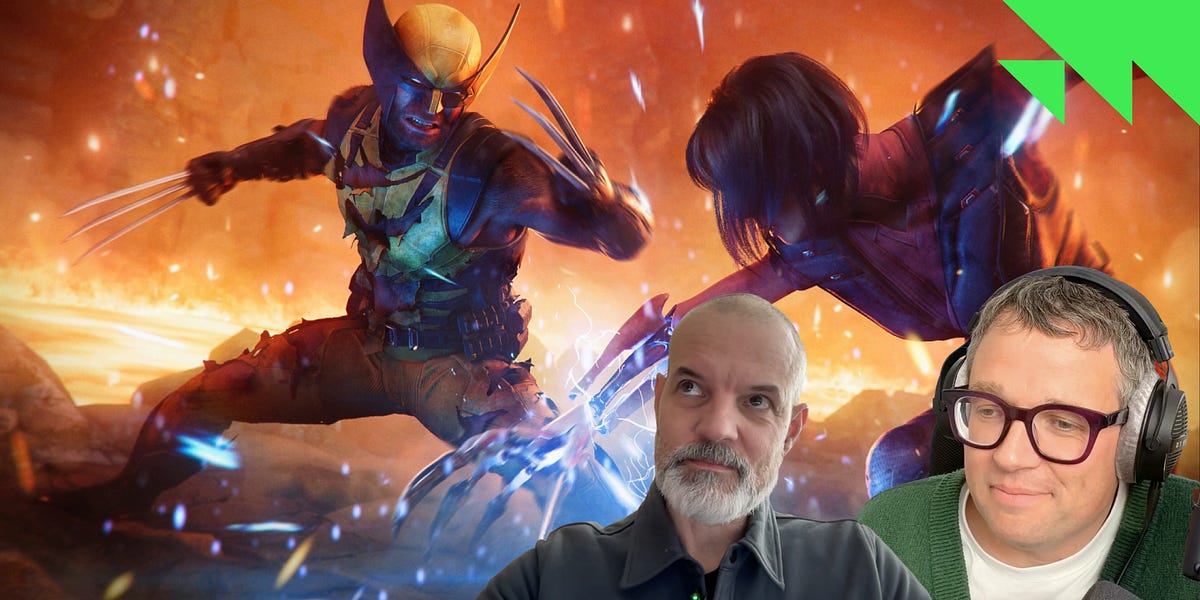
Yeah. I mean, if you look at you know, if you look at the weekly sales cadence of things like accessories and hardware, like the the Wolverine DualSense was the best-selling accessory of the month. Um you know, we track those by individual SKU, so that that Wolverine controller best-selling accessory, the
bundle sold out. Uh there wasn't huge quantities, but they sold it out and that really helped boost PlayStation 5 sales that particular week. So, in terms of like an old school, here's an exclusive game and we're going to sell some consoles, we're going to sell some accessories with it. I think yeah, I think it's about as good as you could hope for for an IP that you know, isn't the level of a Spider-Man. No, I don't know. I thought it was I thought it was fine. I thought it was like
Yeah, well
good for them.
It didn't review as highly as it normally as you would expect from the Sony first party. So I guess certainly if yeah, so I mean
A lot of that's also like especially from like the influencer community was very mistargeted and and overblown on it. But of course it is cuz that's just kind of what they do to drive that engagement which is fine. Uh but from a general player perspective like it seemed to do the trick. Like if someone just wanted to run around and slash things and have a good time. It you know, a popcorn movie uh video
game. So
Yeah.
Sure. It's fine.
I'm with you. When I have people say to me, "It just tells you where to go all the time." I'm like, "Oh, good." It's good [laughter]. It's like yeah, great. I could do with that actually. I'd have a Thank you. Thank you for holding my hand. I could just do with a I could just tell tell me I I did that with Spider-Man 2 to be honest. I just went where do I need to go? Show me the direction because I'm a I'm a 40-year-old and I don't have time to wander around aimlessly and look under every barrel. But um
Yeah, sometimes you want Elden Ring and sometimes you're like, "I just want to go hit this button a lot and drink this half bottle of wine and try to forget." [laughter] In that respect, hey, it worked out pretty well.
Um what happened to subscriptions?
Yeah.
You you every month I'm getting used to these subscriptions are up, subscriptions are up, but they weren't in September. They're just down 5%. First drop in 18 months plus. What happened there?
Yeah, the first year-over-year drop in a while. Um tough to say. It was it was pretty broad in terms of the down tick in spend.
Okay.
So is this a you know, um people adjusting their spend? Is it a you know, waiting for certain things to happen? Is it some subscriptions that people started up a year ago, they decided not to renew or something like is is there some Call of Duty's not going to be on Game Pass day one impact? Like I not super clear yet. Um we're going to need some more time to see the trends and see if it was a blip or or something more. Um you know, consumer dollars are in a real pickle, especially in the US at the moment. Uh between all of those cost of living factors that are impacting everyone globally. Um And so we're starting to see consumers in the US really focus more on essentials, um shifting their dollars around. Things like you know, if you look at the mobile numbers from Sensor Tower.
Yeah.
They've been hit pretty hard both from a combination of people changing spend, but also because of those storefronts opening up and some
dollars entering the ecosystem from outside the in-app purchase environment. Not my wheelhouse, uh but that's what my friends over there are telling me. So like yeah, and of course you know, Grand Theft Auto and Zelda are going to you know, make that problem disappear for a couple of months. But what happens in January and February? And I think that's when we're really going to see things where things are netted out including subscription.
I think it might take a little bit longer as cuz actually February is the other month everyone's run away to from that GTA. They haven't
Fair enough.
There's the people that move forward and then there's like the God of War, Tomb Raider, whatever February which also seems like a mess. And actually those do seem a little bit less variety there. There's a lot more crossover.
Yeah, cuz what what big AAA studio brings games up, right? The people bringing games up are the ones that are a little bit more uh agile and and budget conscious, I guess.
Yeah. Um I think we've gone through most of it. Um is there any like data point
that you think that you know, I'm not talking about or nobody's talking about and we definitely should be.
Oh my I mean I mean look at my notes here. I wrote some notes down [clears throat]. Uh well, okay. The only other thing I thought we might get into is the whole decompiling, recompiling, jailbreaking
Mhm, I'm going to talk about that next week, but okay, go on.
Are you doing that next week? Okay, well, I'll let you get to it next week.
No, no, no, no, no, no. I'm interested in your take on it. Go on.
Uh it is terrifying. [laughter] It is very concerning. I don't know how you stop it if you do. Um and what, you know, the average player like right now it's very much isolated to like the core group of sickos who are really into it, but if that does break out in the mainstream way if people go, "Well, wait a minute. Why am I buying this game? I can just play it in a browser through this Vibe decompiled, recompiled version of this game?" Uh that could have pretty big implications that I don't
think anyone's got their heads around yet.
It's an interesting question and so I have I have not to spoil next week's episode too much. I have been speaking to the anti-piracy groups in the industry a little bit and they are being some of them are being quite corporate their answers. Some of them are being a little more candid, but it's weird. They're looking at that and going that's a concern, but cuz the lead is on piracy in a way. Like is in it's happening. It happens, but since the R4 days, they've managed to they've managed to keep a little lid on it. They seem to be an element of like, well, you know, people just aren't pirating, right? In on the on a mass market scale. And what you're saying there is what if they start doing that? But at the moment they're not and so I think that they're more their biggest issues are people like bot farming and all that kind of stuff is there is there sort of where their things are. They are concerned. Um what I'm trying to get sense if there's any panic coming from the platform holders. Obviously cuz the PS5's been jailbroken now and I and it's not surprising it's happening in an AI era. But what was interesting was one of the answers I got I got I'm ruining next week's episode. So, if you don't don't skip next week's episode, please do.
There's a There's one of the answers around what AI might be doing to help combat it. But, um but yes, it's an interesting um it is an interesting topic. Cuz then Xbox and out of Xbox Labs, which seem to be sort of um uh leaning into that rather than uh anything else. So, um
Yeah, led by led by Scott. Yeah. Like Scott in the email. Look, who's Scott? Okay, I later found out who Scott was.
I emailed them as when they sent me it to me, they sent me like an like an early embargo version. And I said, "Great, who's Scott?"
Yeah, Scott Well, Scott's got it. Great. Thanks. Scott Scott's on the case. Wait.
I'm like, "From Star Wars? Uh Star Trek? Is that a Is that
Oh, come on, Xbox. Just like come on.
But, what I liked about that is I I I'm being mean. I I I I I think it's a cool thing they're trying to do, but I did think to myself, surely Xbox Labs, which is experimenting with AI tech, I'm like, surely you already had a division that experimented with AI tech. And but is it just another press release excuse? But, I guess to them any disruption in the market might be seen as an opportunity for them to to find a a place for them
in platform wise, which is um um it might be interesting for them. See, I mean, see, last time you came on, you announced that you would you were moving to this model where you had the charts we're putting out had like uh What's the word I'm trying to find?
Projected volumes?
Projected volumes, I think. Projected volumes, isn't it? How's that gone? Have you had a few like companies having a little bit more secretive with their data at the moment? That's what That's the vibe I'm getting from any charts I'm receiving these days.
Yeah, and and it's global, and it's the the the big publishers, the big traditional publishers that are moving to a fewer, bigger model, uh, and are limiting their slate; so they no longer really need the deep, detailed benchmark looks because they're not, you know, they're playing in some very defined spaces, usually the ones they own. So, you know, it's happening here, it's happening in Europe. Um people are getting a little bit cagier about that stuff. Now, in terms of like, well, we're doing feel pretty good about it. I mean, anytime you project anything, you're going to have a range of error.
Yeah.
Your output's going to be dependent on the quality of your input. Um in video game projections in particular, there's a lot of art that goes with the science. No one's told me that the projections we're doing are shockingly wrong. So, I take that as a positive. Um and I think relatively speaking in terms of the rankings, I think we're pretty close. Um or as close as one can get. I know there's a lot of folks doing this kind of thing out there. Um Ampere is the most vocal, I think, with specific projection numbers out there. We're not going to do that. Um but in terms of the rank
I think it's more of the alienness.
Oh, alien. Yeah.
Yeah. Yeah. Yeah. Yeah. Yeah.
But uh in terms of like um that kind of thing, we're not going to do that. But in terms of like a projection, a relative rankings Uh it's going okay. Um it's going to get dicier over time as physical becomes less and less important, as trying to find engagement to sales correlations becomes tougher to do. Uh you know, it's just the nature of the beast with numbers. You know that.
I just Yeah, I just I always drives me
nuts this industry, because all we can never really And I guess it's because we're such a disparate industry that do so many different things. We can't seem to align on certain It's the same with the piracy thing. Now, again, not going to spoil next week's episode too much, but you know, some of the anti-piracy people said to me, everyone's got slightly different It's difficult to like make do certain things to combat piracy, because some publishers care more than others. I've got this thing with with data in that. You know, in the movie industry, not only do we know how well films do at the box office. We also know how many how much it cost to make the film. Like I get it. Like it's weaponized by fanboys and and idiots online that want to go,"Hey, haha, your con your game didn't sell very well." Like like that that like kind people like to do. But it also shows us all, "Oh, this is Oh, this is where we need to be looking. These are the budgets we need to be aiming for for a title this type and this you know it get so useful information I think for the for particularly this rising number of small and mid-tier game company developers out there. Well, maybe not rising but increasingly important and I don't know. I hate the fact that we're this
secretive with our with our data.
of like you know we have a secret sauce we don't want people to know about. There's also like well we want to protect the stock price but also a lot of these companies are going private now and you know they're just pulling back because they just don't have to or not they're not interested in the other data in the marketplace and then you have you know the ESA which hasn't really filled that particular role of trying to provide that level of guidance as they focus on their lobbying efforts. So like you know the IDGA was doing some stuff around this a while a long time ago. I don't know if they're still you know doing that kind of thing for helping folks around but yeah it's it's way too secret it's it's way too secretive. There are there are lockdowns on every piece of information like you know the reason you know we've never shared digital sales from our panels because you know we're not allowed to. It's just one of those things, right? So it would be great.
But it gets out there anyway. That's the thing is that oh we don't want to share
it because blah blah blah this will happen. I like, but then some, then but then you get the projections out there like the Eleanias of the world that are happy to share all of it and all the Ampere's that do it as well, but via me a lot of the time. And you can just get the information that way, and I'm sure it might not be completely accurate, might not be completely correct, but it's still the the headlines are still happening. I don't know. I don't think it I don't think it's it's great I guess for the data companies. [laughter] Gives you a reason to exist but um in a in a in a positive I mean you know Sicano always did but like you some of the some of the more estimated ones. But I I I don't know. It's frustrating.
That's the funny thing though is like all the data that's public is usually estimated and so therefore by some measure in some increment incorrect just because of range of error on projections and the data that's real isn't public. So [laughter], like it's one of the challenges like I like I I always feel like I have to be so cagey online where I'm like, "Well, that's not quite how it is, but I can't actually say it's 16%." Because, you know, then
then I'm not saying anything to anyone soon after that. Um anyways, it's it's a really kooky dumb business world that we're in here.
Years and years ago, Shuntaro Furukawa talked about um doing the digital stuff because he was trying to reassure retail. He said, "Look, I'm going to share all the data with you. So, you can see and you can work out what to do with your business and how we can work together by showing you how many of our sales of box games are are digital." And then Nintendo are the least open with with that [laughter]. And it it was like, "Well, that wasn't that intro anyway." Anyway, sorry Matt, it's my my usual rant. Um I just find it hard oddly since launching the game business, data is is a lot more data out there, but I find it harder to actually work out. You know, I want to know how well how well certain types of third-party games perform on Switch too. Not because I want to stitch up Nintendo, but because I know that Nintendo are trying to push that. It'd be interesting to measure that and see what games are working, which ones aren't working and and where audiences are. I think that'd be really useful for readers, but um
Who knows?
Yeah, no, I get it. I mean, part of the reason I'm I'm out there on social doing stuff is like I want to try to bring some level of like, "Okay, you're on the right or wrong path here. This is the better track." But because I can't be specific with a lot of this stuff, you know, uh
I get I get I did the same thing. I used to do it occasionally on X and I would sit there and go, "Well, you know, um
That's worked out well for you sometimes. I've seen
Yeah, I've Yeah. I I mute conversations and I sometimes I post something and then immediately mute it. Like it's just like I I want to I don't want to know. But um, I don't I don't I don't Ah, there's been a few times I've got the uh information wrong. But, often it's when I get a center report and they've put the data wrong in the report. And then I've and then I've gone Oh, wait, that was okay. And then I get an email from them and then I have to go sheepishly. But, now I just make sure I anything that I say will be published on the Game Business Now. I'm not putting it out on social media.
Wow. I should think about that.
Yeah, but, um, [laughter] The famous one is everyone was saying
all of Horizon sales in Europe were basically the bundle and everyone's just getting a cheap PlayStation bundle and then nobody's actually buying Horizon. I was like, well, I've got the bundle split here in front of me and I and I know that okay, the bundle has done well, but I can I can tell that that's not true. And so I'm trying to sit there, but I can't share that. It's not my data. So, I'm sitting there and I'm trying to sort of and they go,"Why won't you just tell us the numbers?"I'm like, loud."And but, um, but trust me, you're on the wrong path on that analysis. But, um, well, he's partially on the wrong path. But, um, anyway, sorry, I've gone off on one. Um, matter of fact,
No, it's it's nice to hear uh the similar kind of pain points uh in from my own life cuz there there are very few of us out here talking about this stuff, right? So, it's nice to know you're not alone in some of these things.
Well, um, it's pleasure having you on. I always love having you on. Um, and uh I'm sure we're going to get a lot of angry fanboys about everything we just said. Um, but the um but uh I think you know that we we love all games consoles and um and we're only
this all comes from a place of trying to help the market succeed.
Yes.
Yeah.
Want everyone to be successful and everyone to be employed and everyone to have the games they want to play and be happy and any C-suite executive that wants to hit me up on LinkedIn about how purchase intent doesn't equate to sales, I know already. You don't have to send me that DM. Thank you [laughter]. Uh I understand and and so I keep saying purchase intent is a vibe check, so don't yell at me about where we rank your game on purchase intent charts. Thank you very much. Okay, that's saying that's does yeah.
There's your caveat. There's your little There's our There's our terms and conditions at the end. And and Matt, thank you so much for joining us. Um look, we're going to be the day is going to be really followed I think over the next couple of months. So, I'm sure we'll be talking again soon.
Right on. Thank you.
Right, thank you to Matt there. Now, for one more thing. At Gamescom, I met up with Jenna, who is a prominent video game accessibility expert and also producer for live and interactive audio description at Descriptive Video Works,
which is a subsidiary studio at Keywords. Now, I spoke to Jenna about video game accessibility in particular around uh blind and people with low visibility. Now, I think this is a surprising conversation. I think it's an area where I imagine a lot a lot of people think about um particularly when it comes to building their games. And so, I'm going to be sharing this with you now. Here is Jenna. Hello Jenna, welcome to the show.
Thank you.
You have quite a unique job, right? Tell us about it.
It's a little unconventional, yeah. So, I mean in short, we help make video games more accessible for blind people. But, in long, Descriptive Video Works, which is a Keywords studio, helps add audio description, which is a narrator that talks between any of the existing dialogue to describe the visuals that are on screen. Most of what we do is for TV and film, but I am our resident expert on video games.
Is there much demand for it? Are you getting an increase in it? Is there a lot of it?
Yes, actually, yes. I mean, technically, the demand has always been there because
course.
blind people have played video games for as long as video games have been a
thing. It's just It's never been easier to be a blind gamer when the game itself isn't itself a barrier to playing it. And the more that that demand and, if you'll excuse the pun, the visibility towards blind gamers increases, uh the the more those accessibility features get added to new titles.
Is there a common misconception about it? I must I assume there is.
I mean, I I I often run into the misconception that blind people or that by extension players with disabilities just won't play games or won't even try to play games. It's in reality the opposite is true. People with disabilities are going to buy games, they're going to try games, they're going to play them. It's not a matter of will a disabled person play my game, it's more a matter of when they do, how much is that title going to disappoint them. And our job is to make sure that it disappoints them not at all ideally. But there are many common misconceptions that people with certain disabilities
won't play games or won't be interested in certain titles or won't even want to try a game when that couldn't be further from the truth. In in reality we want to bring as many games to as wide of an audience as possible and that includes the world's largest minority, people with disabilities.
What I was just going to say like I get I obviously this is a very it's a very good thing today.
Of course.
there actually a good business reason for it? Is there like a big addressable market?
Definitely. Yeah, consistently when there have been surveys conducted between people of the general public who self-identify as having a disability versus gamers who self-identify as having a disability, gamers are comprise a larger percentage of the population of people identifying as having a disability as compared to the general public. So there are more disabled people playing games than those who aren't. It is a very large market share and even though I'm sure video game studios have
the data on which people are using which accessibility features, how often they're turning them on, how many of them they're using. Unfortunately as I'm I'm sure you know studios are rather opaque with data like that so that doesn't normally get publicly released but we can infer what that data says by looking at the development habits of studios who have intentionally built in robust accessibility features and then looking at what they do with subsequent titles. And in every single AAA studio that that I've worked with and that I've seen, every time they have chosen chosen to continue and increase the breadth of accessibility features that are in their games. We can read into that a little bit and infer that what that means is that the features that they built in with their last game made them more than enough money to justify expanding those accessibility features. We have yet to see or I personally have yet to see a studio regress in the offerings of their
accessibility features.
What are the biggest roadblocks? What's potentially putting people off sort of doing these things? Is it is it the money?
For some it is. I mean, I I'd be remiss if I didn't mention that. It it does often times cost a little bit of money to get over the initial hump of getting these accessibility features in the game, but the advantage of it is that if you are working with the same engine between titles, often times you only have to build in a lot of features like mine once. You only have to build in the infrastructure for it once and then you can just keep doing that. And that looks great to players, and it builds so much loyalty because players with disabilities are, unfortunately, very accustomed to disappointment when it comes to trying new titles. Because even though we've seen an increase in accessibility features over the years, it the fact remains: the vast majority of new titles are still closed off to a lot of players with certain disabilities. But that means that when they find a
studio who is willing to ensure that their needs are met, that they can actually play the game, you are going to have an unending loyalty from that fan base, and they are going to buy every single one of your games and every single one of your expansions from there on out.
What stage should developers, studios, publishers be thinking about doing it? Is it from the start or is it something they can do at the end?
Yeah, it's it's a good question because my the accessibility feature that I helped build in is a little unique in the sense that audio description normally comes very late in the development process, but that's not the norm. The vast majority of accessibility features should be considered extremely early in development. There are specific features that we know from experience are an absolute nightmare to effectively retrofit. Things like a screen reader, control remapping. There are some things that are much easier to do it if you do it early. I'd recommend engaging with an
accessibility QA service or an accessibility consultant, preferably a wide variety of consultants, to tell you what your game might need even if you're at the early concept building stages. They will be able to give you more pointed recommendations for things like ideally audio description, which is written very very late in the game because by the nature of our work it has to be done when visuals are at or almost completed.
Yeah.
And but I don't I don't want anyone to think that oh yeah, I can wait until 3 months till release and then I can start on accessibility. No, that's the vast majority of that has to happen really early.
Of course, there's so many games are live service these days, constantly being updated all the time, changing. Is that I guess is that an added complication for you or does it not change as much as it as I imagine it does?
No, it's it's a boon actually. It is it is nice because it is a great opportunity for often times older games to build in new
accessibility features that maybe they didn't necessarily have time for prior to release. So, we've seen this with the The Elder Scrolls Online, we've seen this with Sea of Thieves. Both have put a very uh noble and concerted effort into building more accessibility features into their live service, which also just makes good business sense because it is effectively expanding the game to audiences that previously just couldn't play it because every single accessibility feature added is a barrier removed for someone out there. It's a new customer out there who is subscribing to that live service model. Every time they make updates, that's a a new chance to remove more barriers.
Can AI help? Is AI tools that sort of help enable some of this?
It's a bit of a It's a It's a complicated question. I think yes, potentially it could, but it's not there yet. Um in my field, in audio description specifically, there have been quite a few attempts at generating or at writing an AI model that can
generate and or voice audio description. Uh and we've reviewed a number of these attempts. There have been uh some studies. There have been uh some large tech giants that have tried it, but none of them have really come close thus far to the uh the quality and the knowledge base of human narrators. In audio description specifically, there's a lot of rules, um and AI models, for some reason, are terrible at adhering to those rules. That's not to say it can never happen. Um that I we are very open to the idea of an AI-assisted workflow in the future, but it's just not there yet. And until we get to that point, it is extremely vital to maintain quality for our audiences.
Well, you can obviously smaller studios have less resources, let's say, and capabilities to do these sort of things. What would you recommend for them in in doing this sort of thing?
Yeah, I mean, uh I I am I am going to quote an accessibility giant in the industry in that we already we only have so many blueberries that we can put into
our blueberry muffins. So, sometimes you do have to decide uh where those blueberries go and how many how many resources you have effectively. There is an entire game accessibility conference talk on that that's available for free that I would highly recommend. Um but smaller developers just do what you can with the resources that you have available and you'd be surprised what you can achieve for something that is low to no cost or low to no effort using tools or resources that you already have in the game or that you already have available. You just have to ask the right people and the right people are disabled consultants who will be able to point you in the right direction.
What would you like to see I guess this is quite a broad it's I imagine I imagine I know what the answer is but where would you like to see sort of not just the stuff that you do but accessibility accessibility features in general where would you like to see that in 5 years? What what do you maybe where do you think it will be in 5 years?
Ooh good question. I mean uh the the future is bright um in in my line of
work we've seen a steadily increasing interest in audio description and by extension a steadily increasing interest in making games more accessible for gamers who are blind or low vision. Um but ideally I want to see some games come out where it's not even a question whether it's going to be accessible. Uh it's just a matter of myself and all of my friends who are blind get the privilege of getting excited about the same game at the same time because we know we're all going to get to play it. And that's a privilege that we normally don't have access to. Normally when new games get announced players with disabilities have to temper their excitement because you can watch a trailer and you can get super hyped about it. You can watch it with any amount of of interpretive services to ensure that you can digest that trailer and know what's in it. But you can't let yourself get excited about it because you know deep down in your heart you
might not be able to get to play that game. I want there to be a game or a series of games or a franchise or something 5 years in the future where during the first announcement, we all know we're going to get to play that game and we can be excited about it.
I think that's not a unreasonable ask. Jenna, thank you so much for your time.
Thank you so much. I you you've been a lovely interviewer and I I I adored being able to chat with you. Thank you.
Lovely. Thank you. Lovely. Thank you. Thank you to Jenna there. Certainly lots of food for thought from her and indeed from everybody in today's episode of the Game Business Show. It's such a packed show I don't really have time to do our news roundup, but the news roundup will be in the newsletter attached to this show. So do read that if you want to remind yourself of all the goings-on from the last week. But thank you for tuning in. We will be back of course with more news, analysis, insight, and interviews in the days and weeks ahead. If you're not a subscriber to the Game Business, paid or otherwise, you can become one by going to the gamebusiness.com. And every time we put out a new episode, you'll get an alert
about it. But that's it for me today. Until next time, thank you for tuning in.






Comments