1 free read left. Create a free account for unlimited reading + AI research.
Create free accountWhitepaper DiGRA
1 free read left. Create a free account for unlimited reading + AI research.
Create free accountWhitepaperDiGRA
The paper reframes AI-controlled mechs as co-acting subjects whose decisions directly shape what the player can do.
This paper examines how contemporary mecha games embed AI into the machines players pilot, treating AI-mech units as sites of "hybrid agency" in which initiative, responsibility, and risk move between human and non-human actors through rules, automation thresholds, and representational cues. Rather than treating AI as enemy routines, scripted companions, or background coordination systems, the author argues that these games position AI as a co-acting subject whose decisions directly shape what the player can do.
The analysis centers on three titles that span different genres: Titanfall 2 (first-person shooter), Daemon X Machina (third-person mech action), and BattleTech (turn-based tactics). Each depends on collaboration between a human pilot and a semi-autonomous war machine. The method combines close reading of gameplay sequences, combat systems, assist functions, and UI messaging with examination of paratexts such as fan wikis and community guides. This material is interpreted through actor-network theory, Haraway's cyborg figuration, Braidotti's posthuman ethics, and Bogost's procedural rhetoric.
Three recurring design concerns emerge across the cases. The first is how initiative shifts between pilot and machine, whether through mech takeovers, automated follow-ups, or quieter reallocations via turn order and accuracy thresholds. The second is how these handovers are made legible through voice protocols, animation, alerts, and damage feedback, so that system interventions read as overrides, protection, or sacrifice rather than neutral computation. The third is how genre-specific systems assign different default roles to the AI partner, from vigilant guardian to demanding collaborator to procedural representation of risk.
The paper concludes that AI in these games functions as a situated collaborator whose authority depends on context, redistributing control and sometimes unilaterally closing options to satisfy system parameters. Its contributions are conceptual, offering hybrid agency as a tool for analyzing how games distribute action and vulnerability; methodological, operationalizing posthuman approaches through concrete handovers of control; and empirical, mapping a design space in which AI companions are procedural partners rather than invisible infrastructure or independent characters.
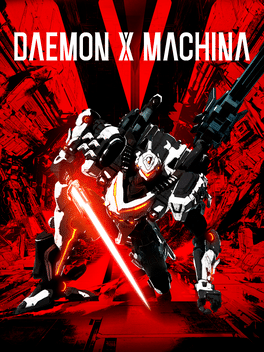 Daemon X MachinaGame · Marvelous First Studio · 2019 · 4 documents
 Titanfall 2Game · Respawn Entertainment · 2016 · 12 documents
 Respawn EntertainmentCompany · United States · founded 2010 · 17 documents
 Paradox InteractiveCompany · Sweden · founded 1998 · 25 documents
 Marvelous Inc.Company · Japan · founded 2011 · 4 documents
 Electronic ArtsCompany · United States · founded 1982 · 459 documents
 NintendoCompany · Japan · founded 1889 · 1,635 documents
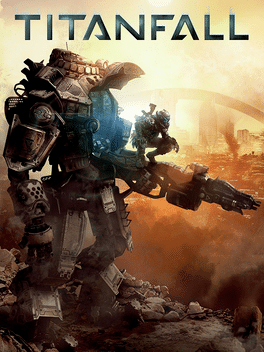 TitanfallGame · Respawn Entertainment · 2014 · 21 documents
Each row is a game or company this document names, each column a document, oldest first. A mark means that document names it. Select a row to see those documents.
DiGRA · 2026

PocketGamer.biz · 2026