1 free read left. Create a free account for unlimited reading + AI research.
Create free accountArticle GameMakers
1 free read left. Create a free account for unlimited reading + AI research.
Create free accountArticleGameMakers
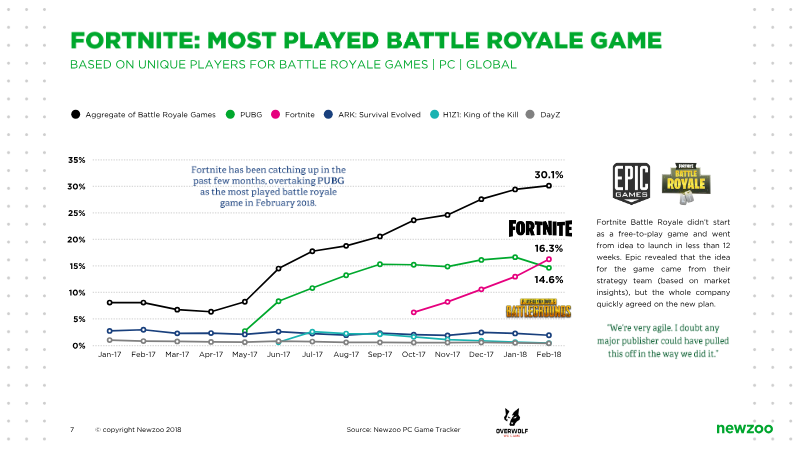
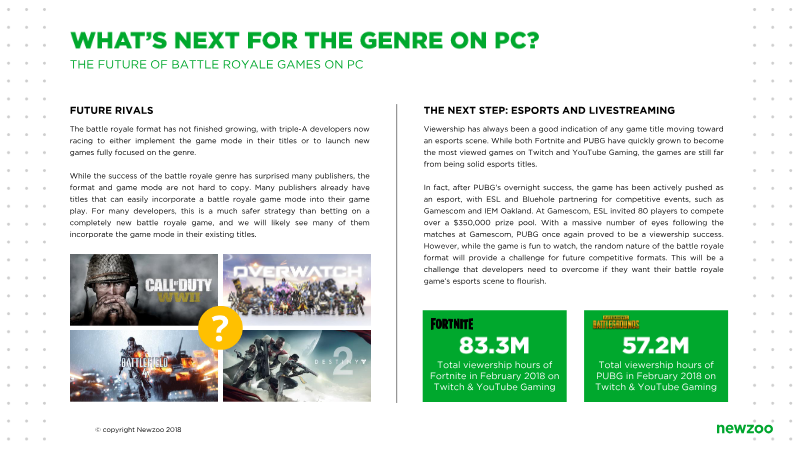
Delta Force Mobile outperformed PUBG Mobile by 75% on that day. This marked the first time a mobile shooter significantly challenged PUBG's dominance.
The mobile gaming landscape recently witnessed a significant shift as the title Delta Force achieved a historic revenue milestone, outperforming the long-standing industry leader PUBG Mobile by 75% on September 20, 2025. While PUBG Mobile maintains a massive lead in lifetime revenue—totaling over $9.2 billion since its 2018 launch—Delta Force generated $6.48 million in a single day compared to PUBG’s $3.68 million. This surge represents a 6x increase over Delta Force’s typical daily revenue, driven primarily by the Delta Force Invitational esports championship and sophisticated LiveOps strategies, including tournament-linked wagering and specialized in-game stores.
This performance is particularly notable given the disparity in user scale; Delta Force achieved this revenue peak with significantly lower daily active users than its competitor. The data highlights the extreme concentration of the Chinese market, which accounts for 97% of Delta Force’s $224 million in lifetime revenue. This reliance underscores the challenges Western studios face in accessing the Chinese market and the growing impact of a fractured digital landscape on global gaming operations.
Beyond this specific competitive development, industry analysis suggests that the perceived success of a "Take-Two mafia" among mobile studio founders is largely overstated. Evidence indicates that successful mobile ventures attributed to Take-Two alumni are more accurately linked to the specific organizational DNA of Peak Games, rather than a broader corporate influence from Take-Two. Consequently, the industry is encouraged to focus on the specific cultural and operational practices of high-performing studios like Peak Games to understand the drivers of repeatable success. Finally, the importance of talent acquisition is emphasized, with recommendations to treat the recruiting pipeline as a product, applying systematic customer journey mapping to optimize candidate touchpoints and secure a competitive advantage in the labor market.

GameMakers · 2026

GameMakers · 2026

GameMakers · 2026

GameMakers · 2026

GameMakers · 2026

GameMakers · 2026
GameMakers · 2026
GameMakers · 2026

GameMakers · 2026

GameMakers · 2026

GameMakers · 2026

GameMakers · 2026
Deconstructor of Fun · 2026