
ArticleGameMakers
Your Validation Passed. Your Players Hated It. Here’s Why: MAG #10
17 Nov 20251 pages~15 min full read
The primary thesis of this analysis is that game development validation is an art rather than a science, requiring a strategic balance between creative intuition and data-driven feedback. Many studios fail not because they lack data, but because they rely on flawed methodologies, over-intellectualized frameworks, or incorrect assumptions about when to prioritize player input versus visionary leadership. The core argument posits that while player data is effective for optimizing existing mechanics, it is often detrimental when used to guide radical innovation, as players can only evaluate concepts based on their current frame of reference.
The analysis introduces the Pyramid Design Model, which categorizes validation into two distinct approaches: top-down judgment by tastemakers for novel concepts, and bottom-up data collection for refining established models. Key findings highlight that "invisible" failures—such as incentivized surveys that produce garbage data or abstract psychological frameworks that offer no operational utility—frequently lead to the illusion of rigor. Furthermore, the text emphasizes that validation predicts user interest but cannot guarantee successful execution, as evidenced by high-profile projects that tested well but failed due to poor development management.
The scope of this guidance covers the entire game development lifecycle, from pre-production to hard launch. The methodology relies on observed industry patterns and case studies rather than academic research, serving as a mental model for studio leadership. The conclusion stresses that quality consistently beats quantity in early validation, recommending that studios focus on small groups of target-persona players who can envision new concepts, while reserving large-scale behavioral data for later stages like soft and hard launches. Ultimately, the success of any validation strategy depends on the ability of leadership to distinguish between actionable insights and academic fluff.

GameMakers · 2026

GameMakers · 2026

GameMakers · 2026

GameMakers · 2026

GameMakers · 2026

GameMakers · 2026

GameMakers · 2026

GameMakers · 2026

GameMakers · 2025
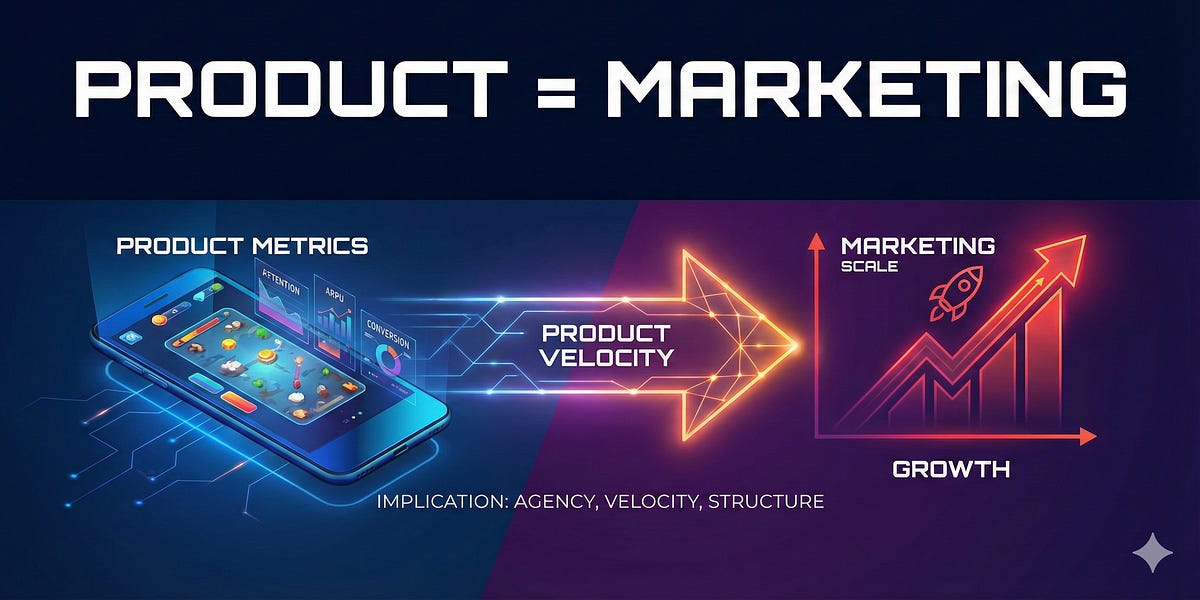
GameMakers · 2025

GameMakers · 2025
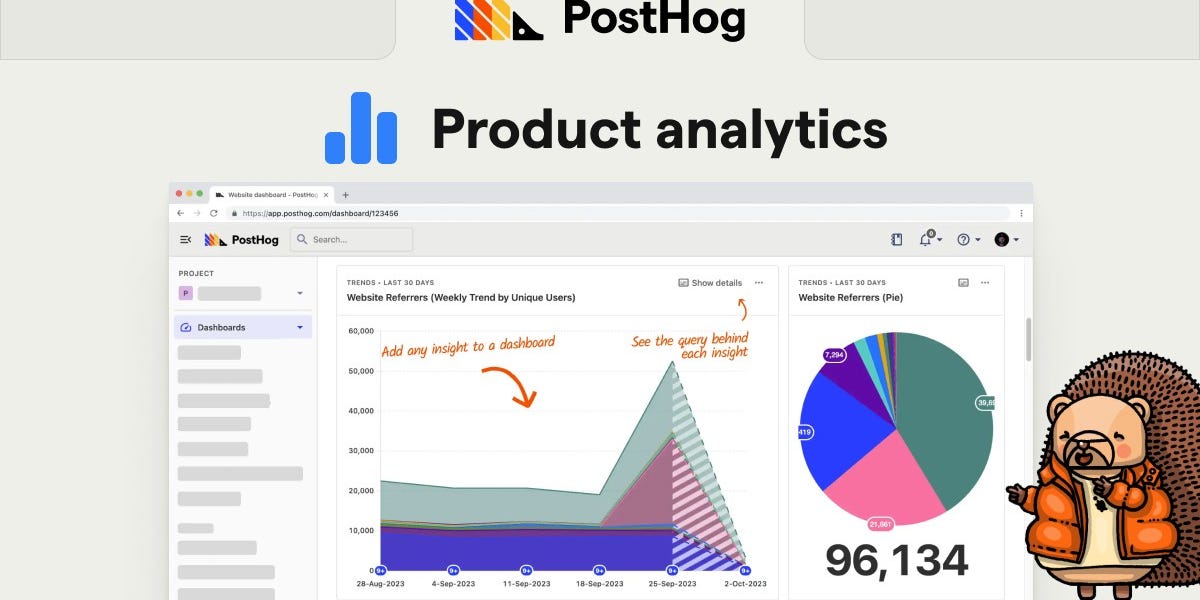
GameMakers · 2025

GameAnalytics

modl.ai · 2025

Room 8 Group · 2024

East Side Games
Poki · 2026
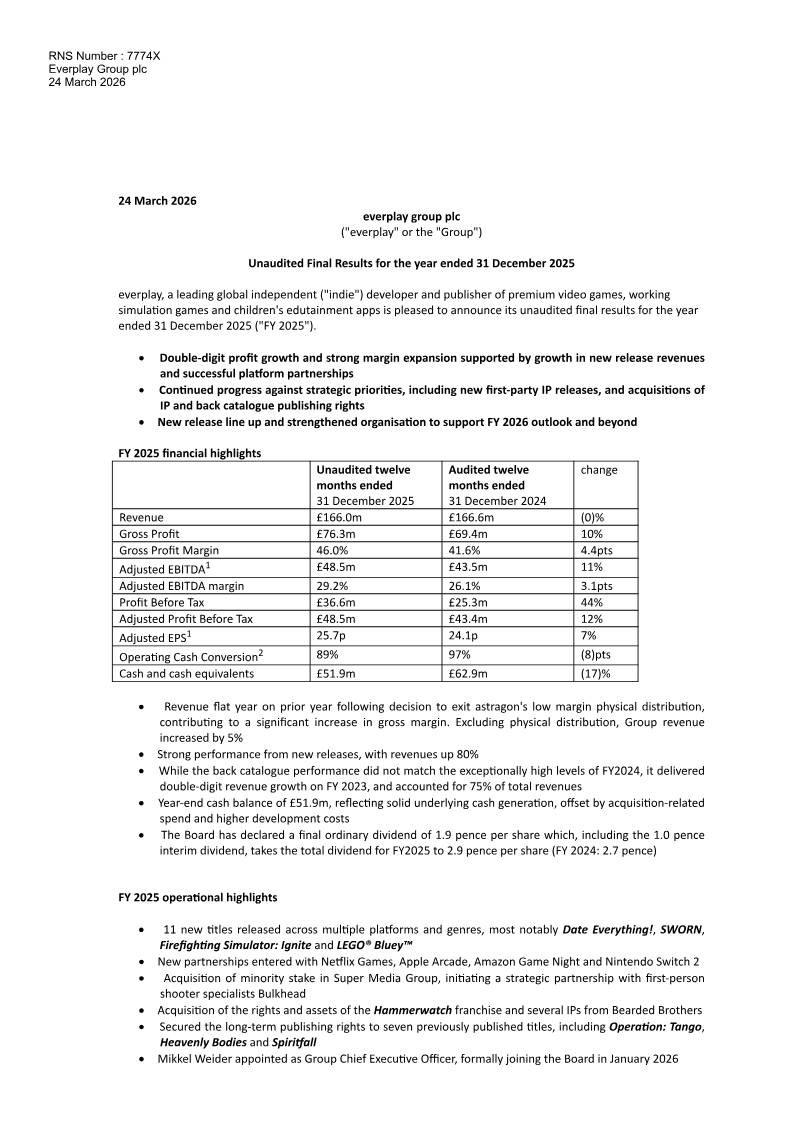
Everplay Group · 2026
BITKRAFT Ventures · 2026
Take-Two Interactive · 2026
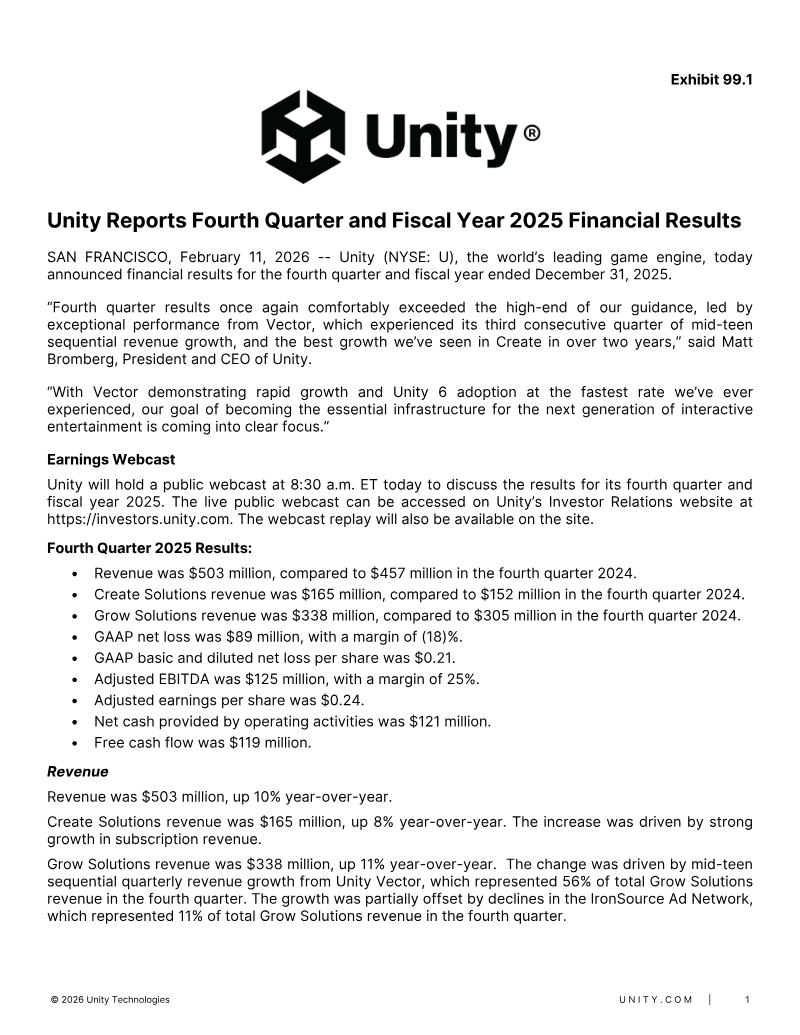
Unity · 2026

Sensor Tower · 2026
Poki · 2026

InvestGame · 2025