1 free read left. Create a free account for unlimited reading + AI research.
Create free accountWhitepaper University of Copenhagen
1 free read left. Create a free account for unlimited reading + AI research.
Create free accountWhitepaperUniversity of Copenhagen
Distilling the key insights…
Procedural content generation in match-three puzzle games, specifically within the context of titles like Lily’s Garden, can be effectively addressed through the application of Conditional Generative Adversarial Networks. The primary objective of this research is to determine whether machine learning models can automate the creation of functional, aesthetically coherent game levels while adhering to specific design constraints such as map shape and piece distribution. By leveraging these architectures, developers aim to reduce manual design labor while maintaining the structural integrity required for player engagement.
The comparative analysis of WGAN-GP-PE and CWGAN-GP architectures reveals that the latter provides a more robust framework for generating puzzle levels. The CWGAN-GP model demonstrates superior proficiency in approximating complex level shapes, maintaining symmetry, and minimizing the occurrence of non-functional or broken game pieces. Despite these advancements, both models encounter significant challenges in accurately mapping piece-distribution vectors. The current inability to perfectly align generated content with specific game design requirements suggests that while the models can replicate structural patterns, they lack the nuanced understanding of gameplay balance necessary for production-ready content.
Future development in this domain should prioritize the refinement of the CWGAN-GP architecture, with a particular focus on how conditional vectors are integrated into the network. The findings indicate that the current methodology for defining these vectors may not fully align with the practical requirements of puzzle design. By re-evaluating the relationship between conditional inputs and game mechanics, researchers can improve the reliability of procedural generation, ultimately moving toward systems that produce levels with both high structural fidelity and optimal color-island distribution.
Each row is a game or company this document names, each column a document, oldest first. A mark means that document names it. Select a row to see those documents.
University of Copenhagen · 2026
University of Copenhagen · 2026



University of Copenhagen · 2026
Association for Computing Machinery · 2024

University of California Santa Cruz · 2024
University of Copenhagen · 2024
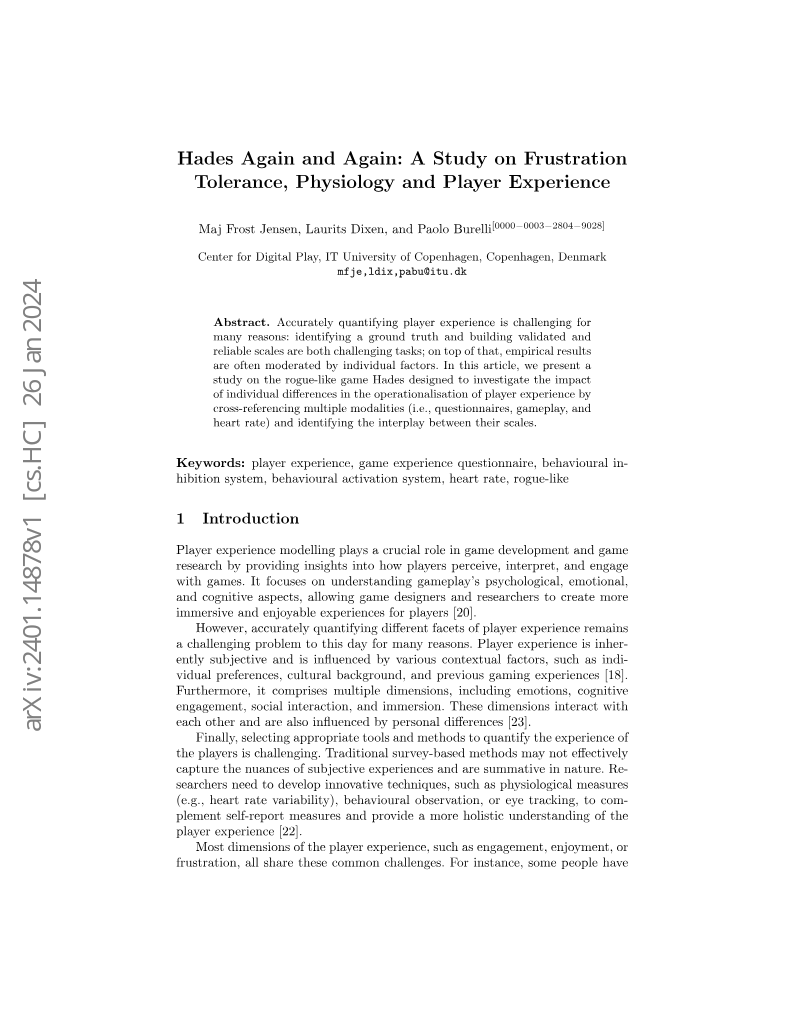
University of Copenhagen · 2024
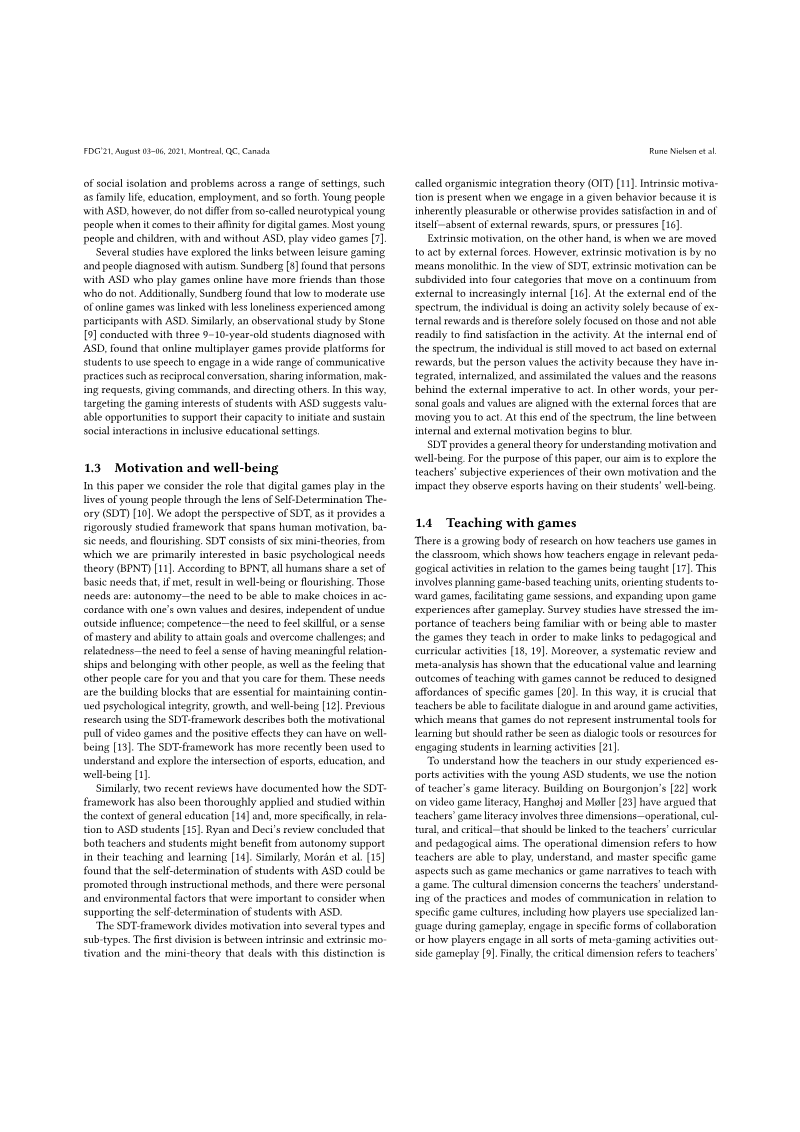
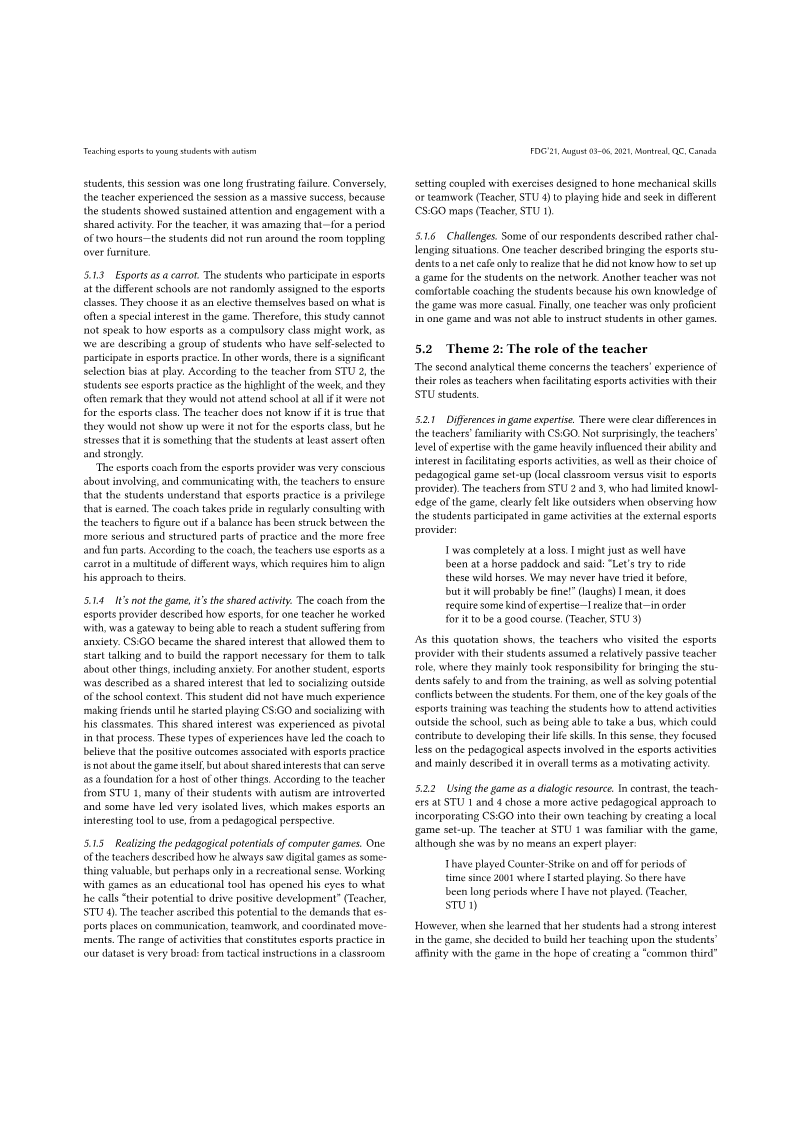
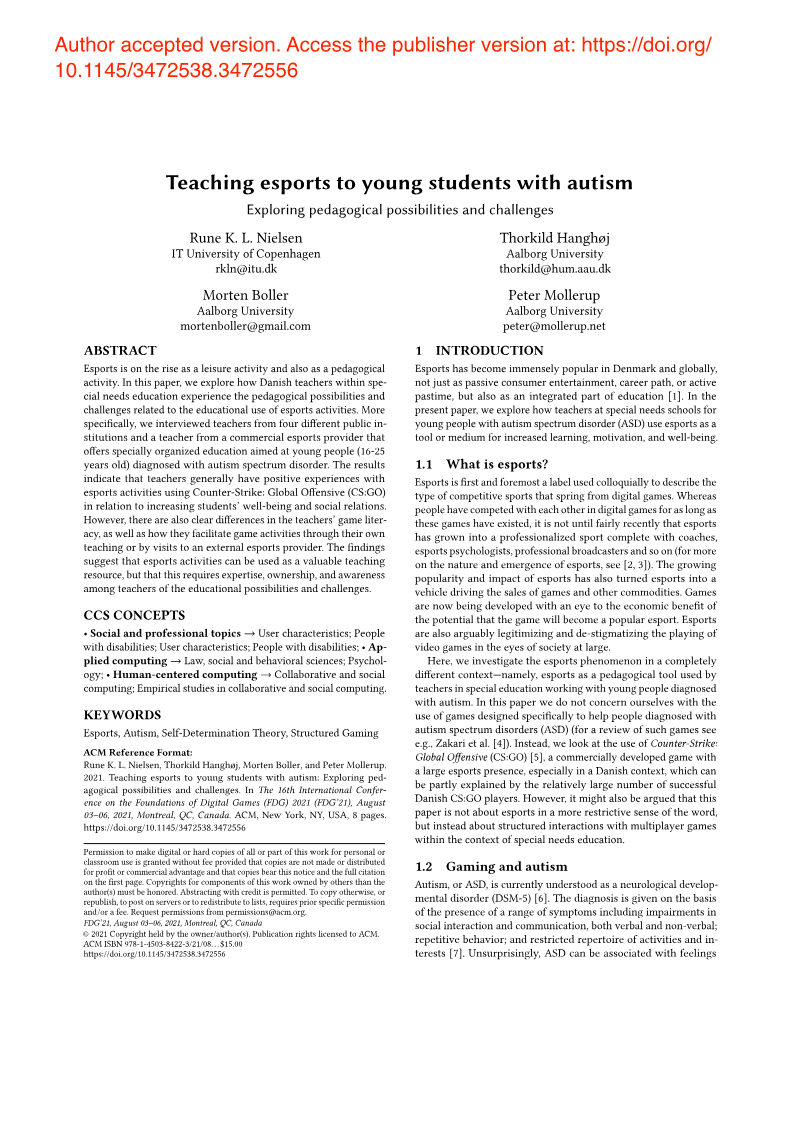
University of Copenhagen · 2021
University of Copenhagen · 2021
University of Copenhagen · 2020
DiGRA · 2020
DiGRA · 2020