1 free read left. Create a free account for unlimited reading + AI research.
Create free accountWhitepaper University of Copenhagen
1 free read left. Create a free account for unlimited reading + AI research.
Create free accountWhitepaperUniversity of Copenhagen
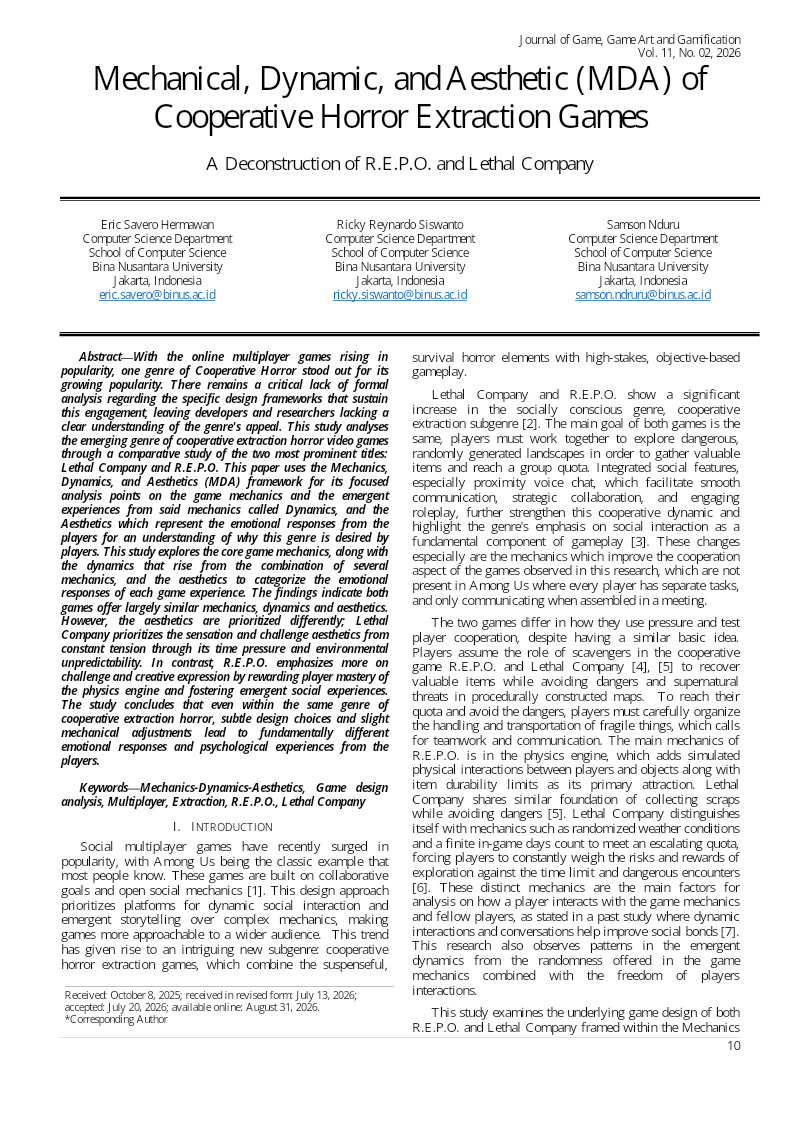
This study investigates the influence of individual differences on player experience within the rogue-like game Hades. The research aims to determine whether variations in frustration tolerance and psychophysiological responses—specifically heart rate—can be effectively measured and correlated with subjective player feedback and in-game performance. By cross-referencing self-reported data with objective metrics, the study seeks to address the limitations of traditional survey-based methods in capturing the nuances of player engagement.
The methodology involved a sample of 20 participants, primarily students, who played Hades for 30-minute sessions. Researchers collected data through the Game Experience Questionnaire (GEQ), the Behavioral Inhibition/Behavioral Activation Scale (BIS/BAS) to assess frustration tolerance, and Polar H10 heart rate sensors. Gameplay performance was tracked through metrics such as the number of chambers cleared and total defeats. The analysis utilized Pearson’s correlation and linear regression models to evaluate the interplay between these diverse data points.
Key findings indicate that while self-reported frustration tolerance did not show a strong correlation with player experience or behavior, heart rate dynamics proved significant. Specifically, heart rate variability emerged as a moderator between player performance and self-reported competence, with high-performing players exhibiting greater heart rate standard deviation and lower time spent at minimum heart rates. This suggests that the capacity to regulate heart rate in response to game challenges is a meaningful indicator of engagement. The study concludes that while frustration tolerance requires further investigation, physiological monitoring offers a promising, granular approach for future player segmentation and experience modeling in the action game genre.
Each row is a game or company this document names, each column a document, oldest first. A mark means that document names it. Select a row to see those documents.
University of Copenhagen · 2026
University of Copenhagen · 2026
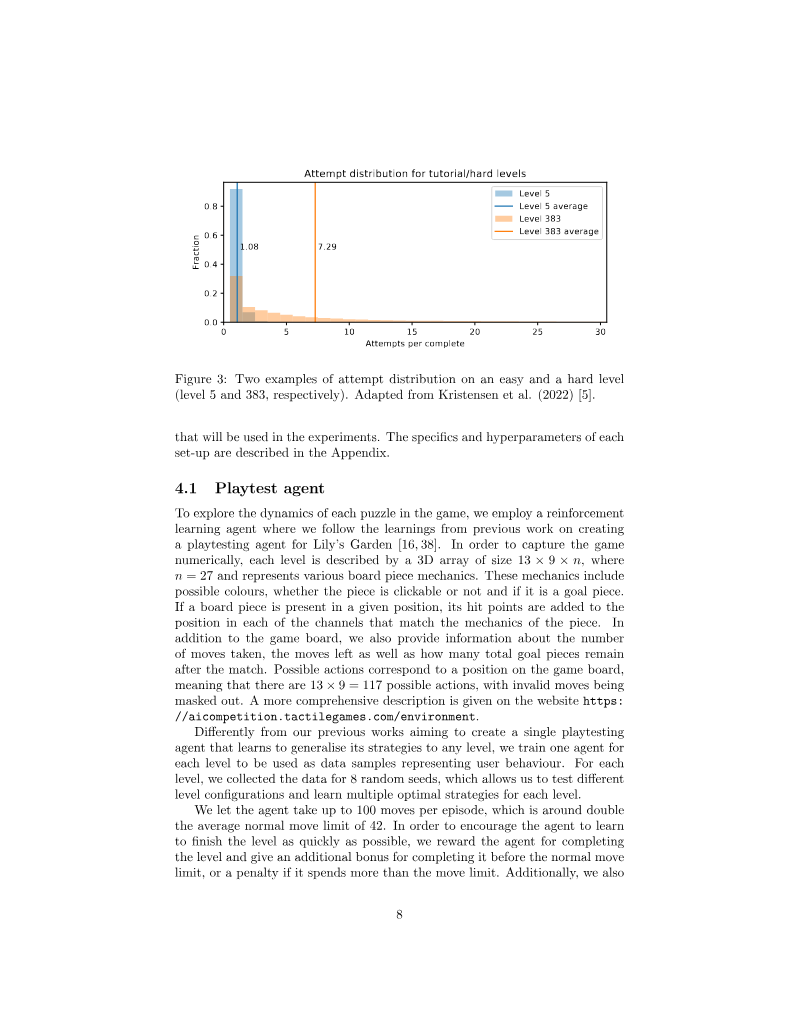
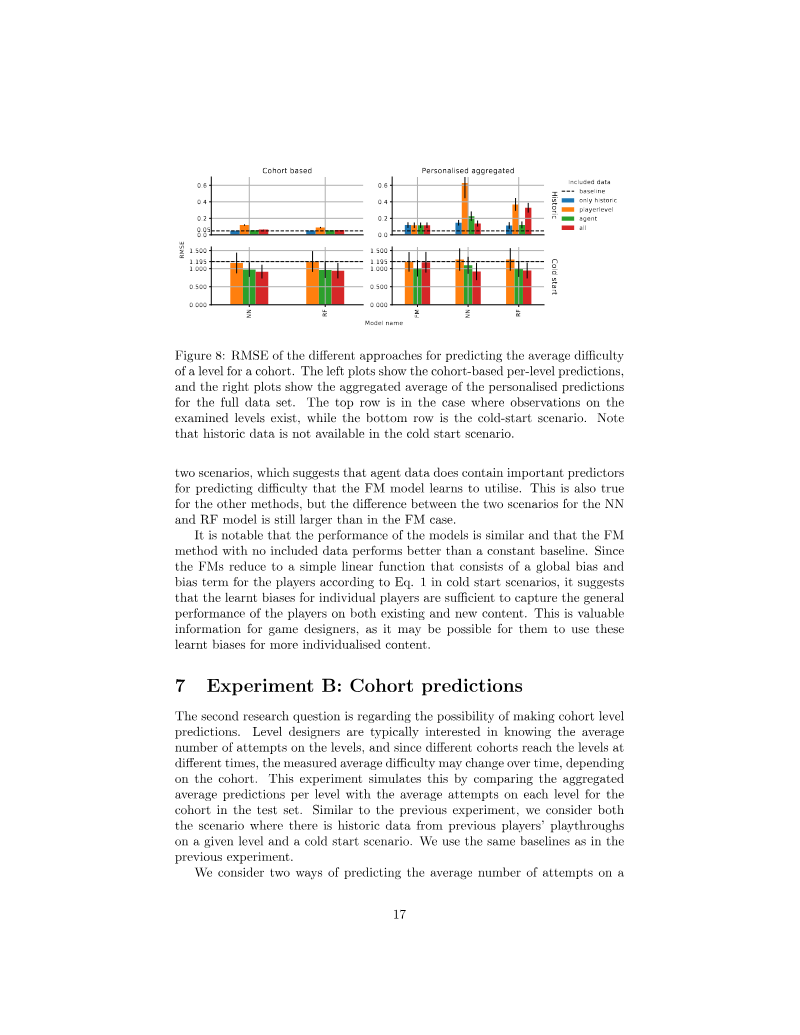
University of Copenhagen · 2024
DiGRA · 2020
DiGRA · 2020
Extra Credits · 2026