1 free read left. Create a free account for unlimited reading + AI research.
Create free accountWhitepaper DiGRA
1 free read left. Create a free account for unlimited reading + AI research.
Create free accountWhitepaperDiGRA
Travel and movement restrictions pushed many couples into virtual spaces. The study asks which game features couples use for dating and what opportunities those features create.
This study examines how couples use video game features to date and maintain intimate relationships, particularly during the COVID-19 pandemic when travel and movement restrictions pushed many couples into virtual spaces. Drawing on the concept of social affordances, the research asks which game features couples use for dating and what opportunities those features create. Rather than focusing on a single title, as earlier work on dating in games such as World of Warcraft and Second Life did, it centers on the players themselves across multiple games.
The findings are based on qualitative in-depth interviews conducted via Zoom with 47 adults aged 21 to 39, recruited through convenience sampling and evenly split between males and females. Participants had an average relationship length of 2.9 years and spent about 8 hours per week playing games for romantic purposes, out of roughly 14 hours of total weekly gaming. Games discussed included Terraria, Overwatch, Animal Crossing: New Horizons, Stardew Valley, and Minecraft, and participants went on both virtual and real-life dates.
Three feature categories emerged as central: acts of service, in-game rituals and events, and external voice software. Acts of service, such as shared storage chests and item transfers, were the most frequently mentioned, with participants helping partners complete tasks (n=21) and sharing hard-to-obtain items (n=17). In-game rituals, including virtual weddings and gift-giving, allowed couples to demonstrate commitment and generosity (n=6 and n=11 respectively). External voice applications such as Discord and Zoom were widely used (n=33), with some participants reporting a sense of physical closeness from hearing their partner's voice (n=12).
The study also identifies tensions and limitations. Excessive play sometimes crowded out other intimate activities, generating frustration (n=11), and some participants judged virtual gifts and interactions as lacking the emotional, physical, or effort-based value of real-life equivalents (n=18). The authors present these as preliminary findings, concluding that game features are closely tied to how players sustain romantic relationships, though the convenience sample and small scope limit generalizability.
 World of WarcraftGame · Blizzard Entertainment · 2004 · 205 documents
 Animal CrossingGame · Nintendo Entertainment Analysis & Development · 2002 · 99 documents
 Stardew ValleyGame · ConcernedApe · 2016 · 43 documents
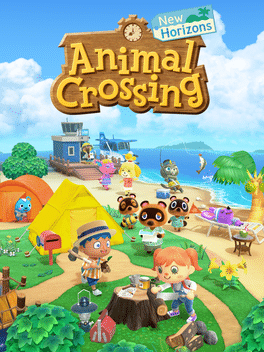 Animal Crossing: New HorizonsGame · Nintendo EPD Production Group No. 5 · 2020 · 37 documents
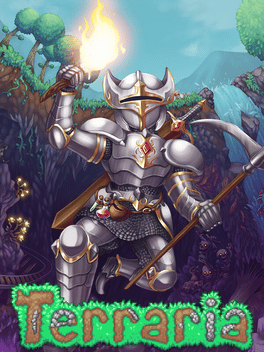 TerrariaGame · Re-Logic · 2011 · 17 documents
Each row is a game or company this document names, each column a document, oldest first. A mark means that document names it. Select a row to see those documents.
DiGRA · 2023
Game Developers Conference · 2023