1 free read left. Create a free account for unlimited reading + AI research.
Create free accountWhitepaper DiGRA
1 free read left. Create a free account for unlimited reading + AI research.
Create free accountWhitepaperDiGRA
"Gamers at War" argues that esports and military technology share deep historical and technological roots, and that renewed military interest in competitive gaming warrants critical scrutiny. The paper traces this connection to post-WWII cybernetics developed under U.S. military sponsorship, which shaped both simulation technology and competitive play through a shared emphasis on speed, information transfer, and human-machine integration. It notes that Spacewar, often regarded as the first computer game, emerged from military-funded research at MIT, and it situates the long-standing war-sport analogy within national discourse and training.
The analysis then follows how military interest in videogames evolved from early simulations such as SAS and SIMNET, valued for reducing training costs and enabling networked collective training, into a broader doctrine in which games are seen as shaping soldier cognition and decision-making. The paper highlights the Full Spectrum Warrior project, whose military version removed the mini-map and made enemies harder to evade, differing deliberately from its commercial release. Its central interpretive claim is that competitive play parallels military training and that commercial games, including those with corporate tie-ins, can extend recruitment and cultural messaging. These conclusions rest largely on theoretical frameworks drawn from Baudrillard, Levidow and Robins, and Taylor rather than new quantitative data, with Orvis et al. (2010) providing the principal empirical support by finding that trainees with prior gaming experience performed better and reported higher satisfaction.
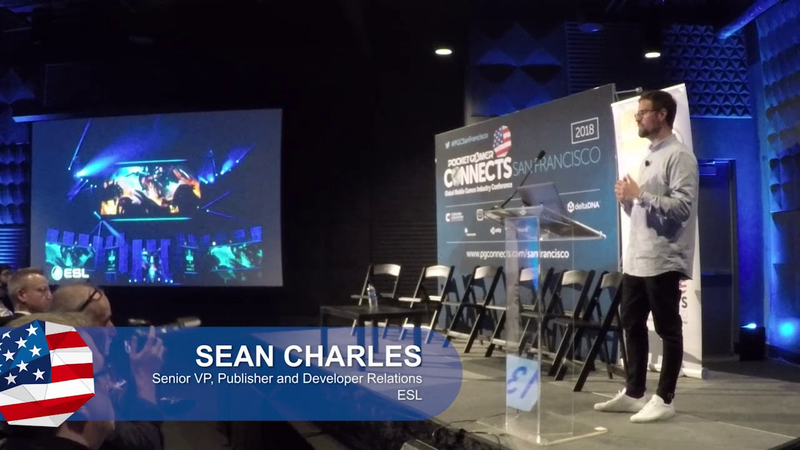
The paper's most concrete evidence concerns contemporary image promotion and recruitment. It cites the backlash to Medal of Honor (2010) and its Taliban-playable multiplayer, along with post-9/11 Counter-Strike mods depicting Osama bin Laden, as examples of how military-linked content provokes public controversy. It also documents a $14 million U.S. military social media recruitment expenditure in 2020 and esports sponsorships with organizations including ESL, Cloud9, and Dignitas. The authors conclude that militaries are increasingly embedding themselves in the esports ecosystem to shape values and reach younger audiences, and they argue that the industry should critically examine this trend.
Each row is a game or company this document names, each column a document, oldest first. A mark means that document names it. Select a row to see those documents.



DiGRA · 2023

DiGRA · 2023



DiGRA · 2023

DiGRA · 2023



DiGRA · 2023



DiGRA · 2023



DiGRA · 2023



DiGRA · 2023



DiGRA · 2023



DiGRA · 2023

DiGRA · 2023
DiGRA · 2023
Two & a Half Gamers · 2026