1 free read left. Create a free account for unlimited reading + AI research.
Create free accountWhitepaper DiGRA
1 free read left. Create a free account for unlimited reading + AI research.
Create free accountWhitepaperDiGRA
This paper examines romantic subplots in computer role-playing games through the lens of the courtly love trope, a medieval code in which a noble knight loved a woman from a distance, performed valorous deeds to earn her favour, and was bound by the secrecy and chastity that defined such passion. The authors argue that modern cRPGs, particularly fantasy titles, rework this framework by stripping away its associations with adultery and chastity while retaining its emphasis on quests, favours, and gift giving. These mechanics map naturally onto RPG systems, making the trope a common foundation for romance design in the genre, and the romance path itself emerges as a key point of divergence in players' experiences and a driver of narrative engagement and fandom participation.
The study's central observation concerns the gendered structure of these romances. Courtly love tropes appear most often in romance options for female characters, who typically perform the valorous deeds and then receive affection tokens from male non-player characters. This arrangement shifts the traditional agency of the courtly lover, and the analysis considers how the male romance interest is presented as a knight or warrior with noble connections, and how the genre reshapes the original themes. The authors also trace how these tropes have evolved across the history of cRPGs, focusing on how interactivity, procedurality, and player choice alter the conventions of the source tradition.
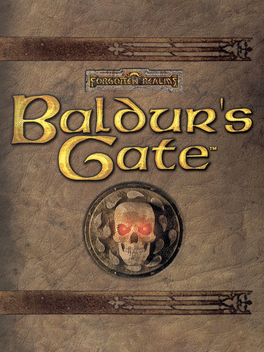
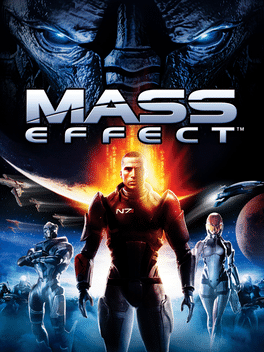
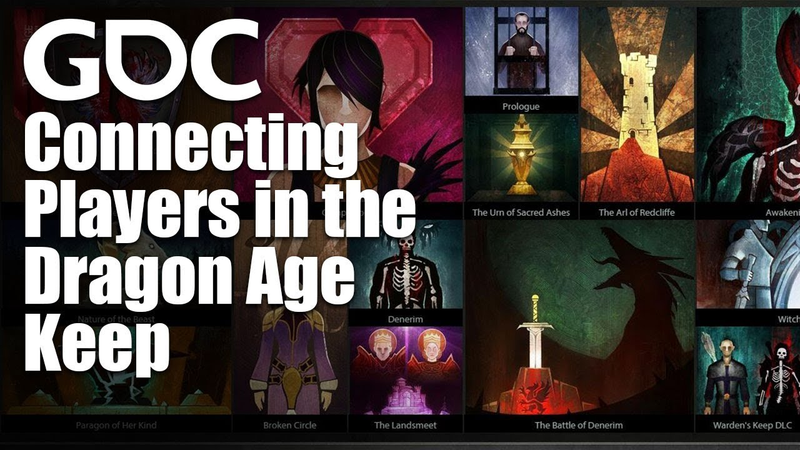
The analysis is grounded in content analysis of selected games, including the Dragon Age, Mass Effect, Baldur's Gate, Neverwinter Nights, and Knights of the Old Republic series. Its theoretical framing draws on the work of Henry Jenkins, Francesca Coppa, and Patricia Frazer Lamb and Diane Veith on fan interpretation and meaning-making. Fan engagement is examined through meta discussions, fanworks, and modding communities, where players either heighten or subvert chivalric romance conventions to assert control over narrative meaning.
Game Developers Conference · 2023