1 free read left. Create a free account for unlimited reading + AI research.
Create free accountWhitepaperUniversity of Waterloo
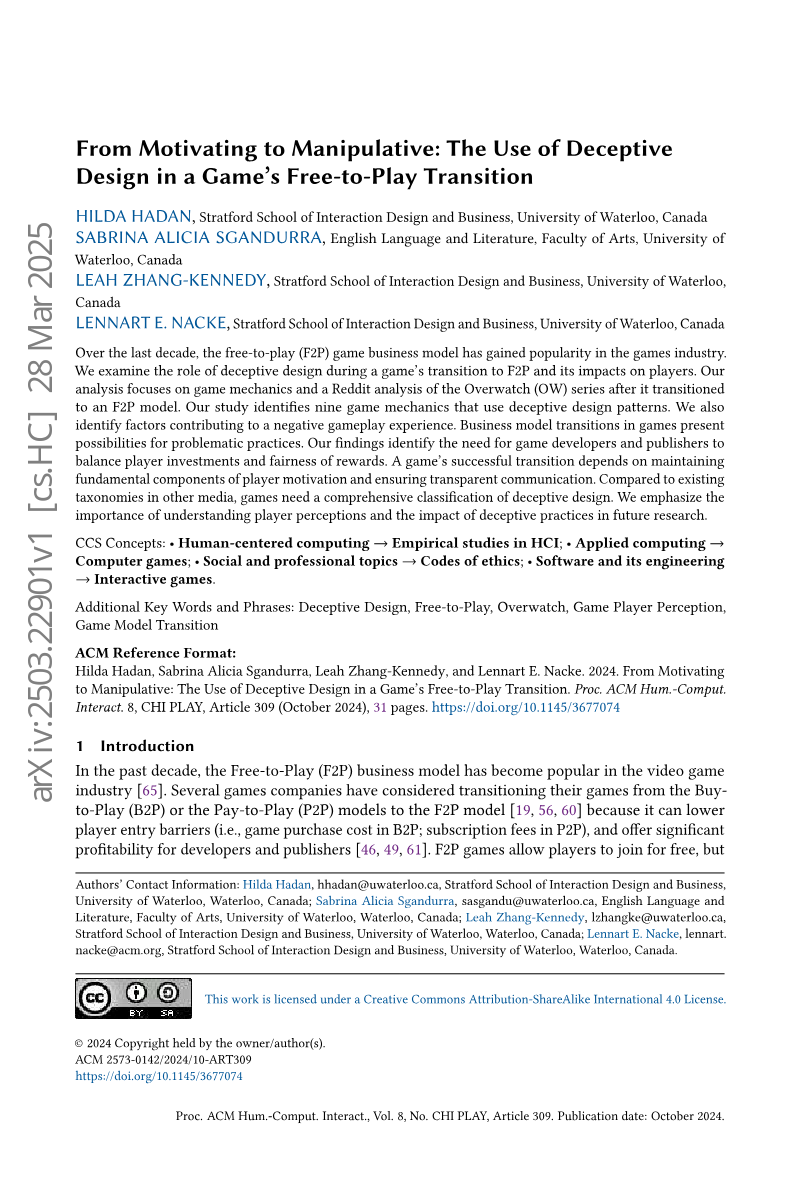
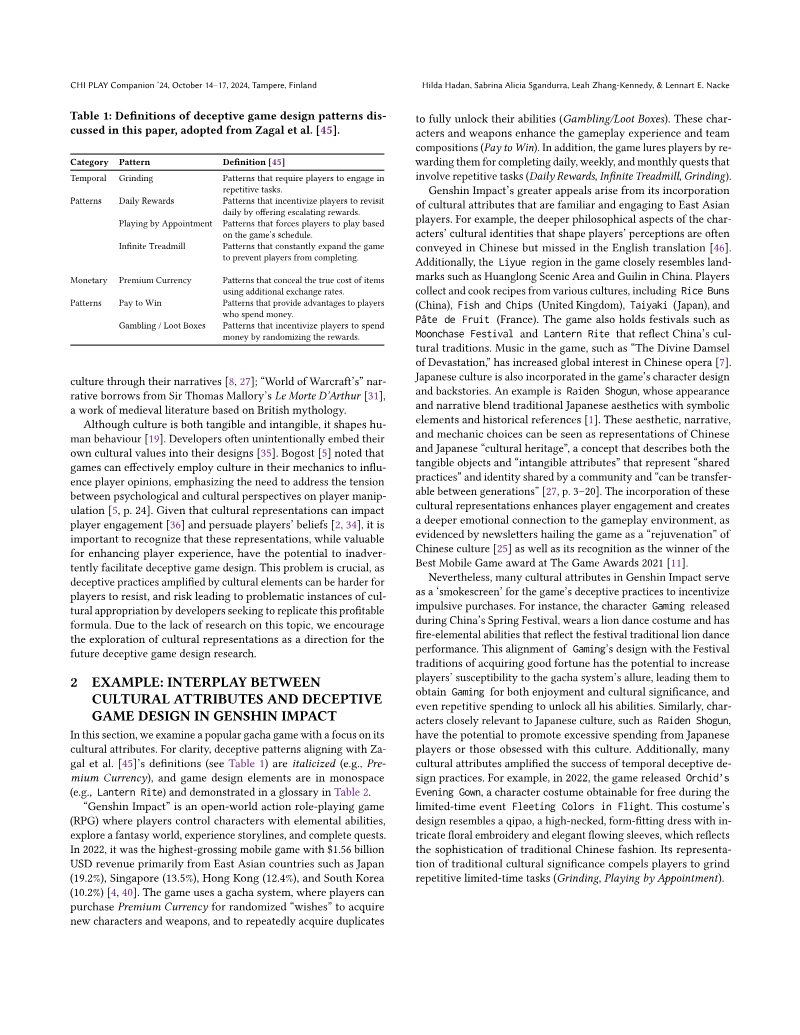
Deceptive game design patterns, originally identified in traditional 2D computer gaming, are increasingly migrating into immersive virtual reality environments, where they are amplified by the medium’s unique sensory and psychological capabilities. By analyzing titles such as Beat Saber, Moss: Book II, and Overwatch 2, research reveals that manipulative tactics—including artificial scarcity, countdown timers, social engineering, and interface interference—are being adapted to exploit player immersion. These strategies leverage haptic feedback, spatial interaction, and photorealistic graphics to blur the lines between genuine gameplay and psychological manipulation, ultimately pressuring users toward increased spending and prolonged engagement.
The core of this issue lies in the transition of eight distinct deceptive themes, such as obstruction and forced action, into 3D spaces. While many of these patterns remain consistent across platforms, the immersive nature of virtual reality significantly heightens their impact on player behavior and cognitive biases. The absence of external temporal cues, such as in-game clocks, combined with data-fueled targeting, creates a high-risk environment where player trust is systematically leveraged. These findings suggest that the evolution of virtual reality technology will likely lead to even more sophisticated forms of exploitation if left unchecked.
Addressing these challenges requires a standardized framework for identifying and mitigating manipulative design. The current landscape necessitates the development of robust ethical guidelines to protect users from practices that prioritize commercial gain over player well-being. As virtual reality continues to mature, ongoing research and the refinement of assessment tools are essential to ensure that the industry moves toward transparent and user-centric design, preventing the normalization of deceptive practices that exploit the heightened vulnerability inherent in immersive digital experiences.
University of Waterloo · 2024
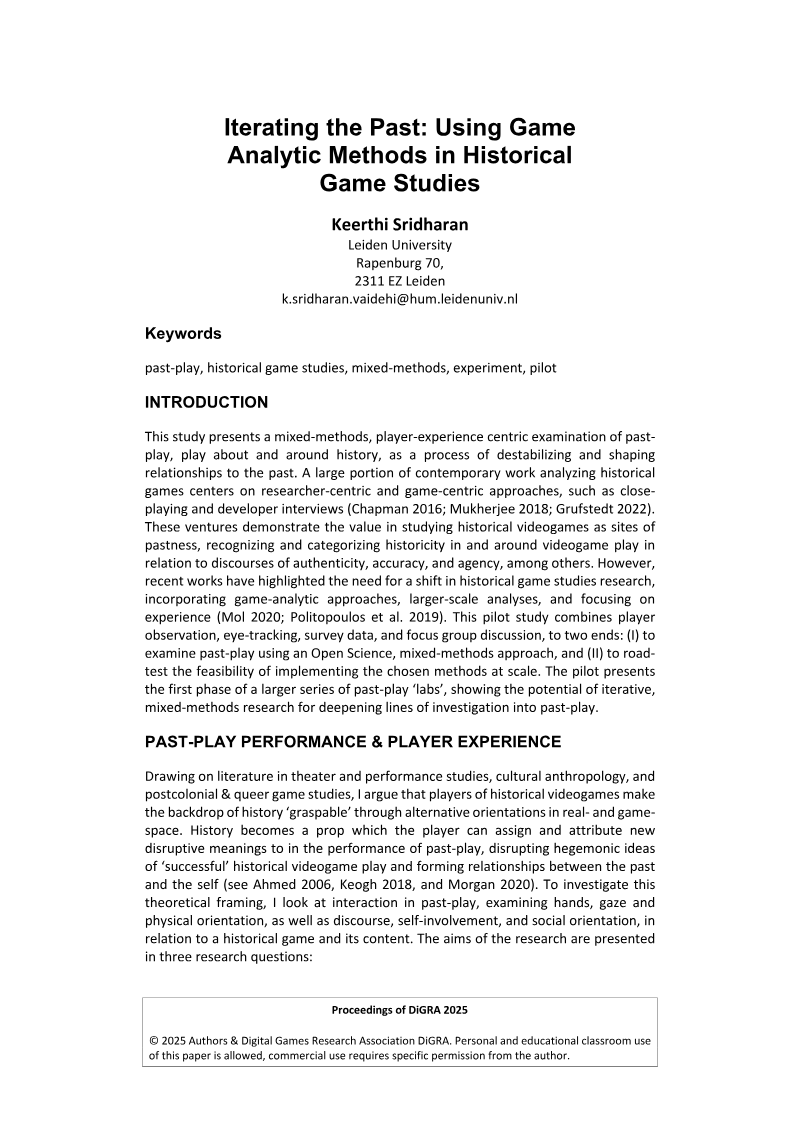
DiGRA · 2025