1 free read left. Create a free account for unlimited reading + AI research.
Create free accountWhitepaperUniversity of Waterloo
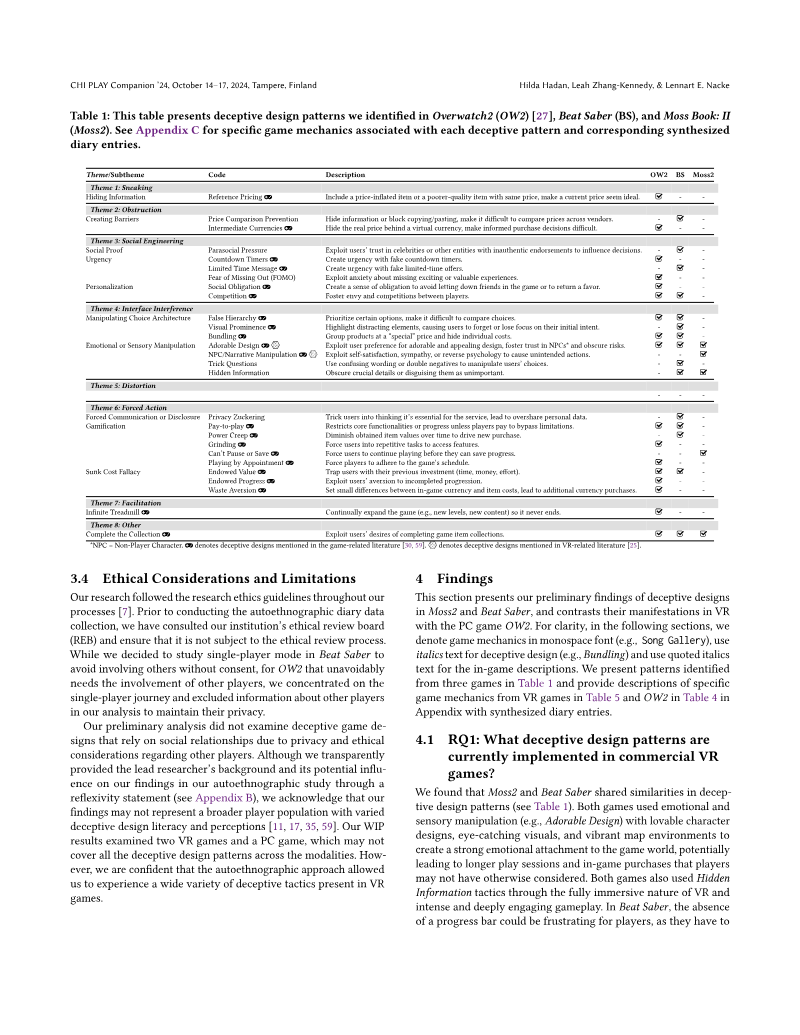
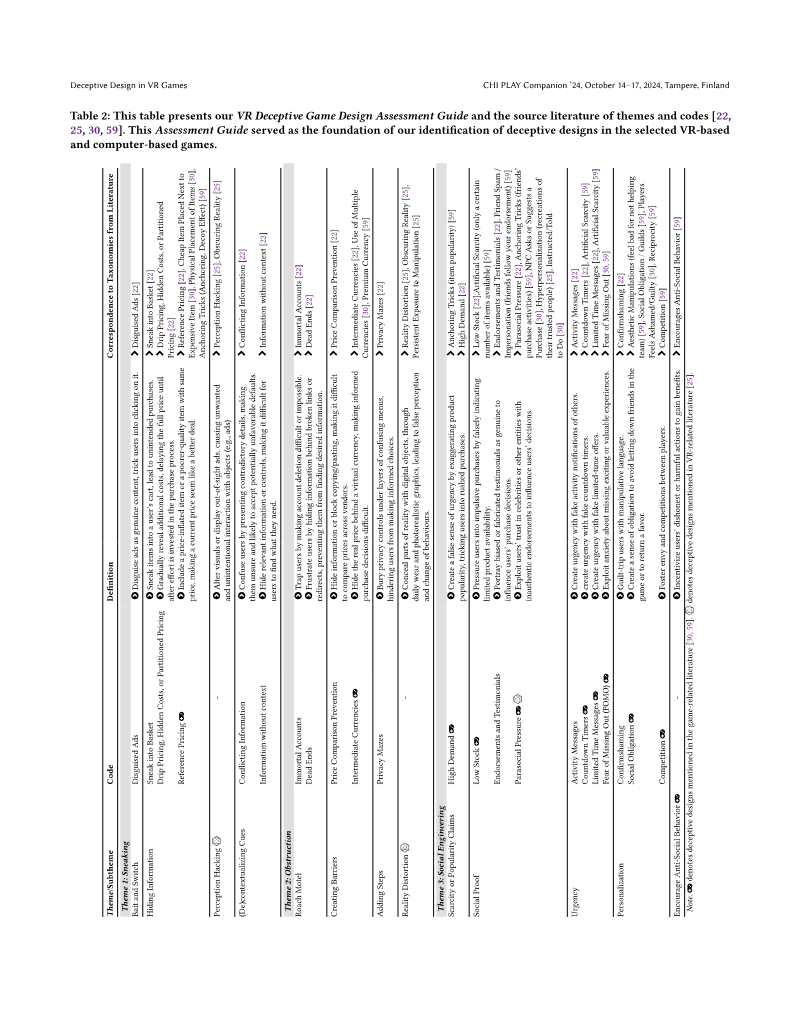
The transition of the Overwatch series from a buy-to-play model to a free-to-play framework illustrates a significant shift toward the integration of deceptive design patterns, commonly referred to as dark patterns. By analyzing game mechanics alongside player discourse, it becomes clear that the implementation of strategies such as artificial scarcity, temporal grinding, and premium currency manipulation serves to prioritize aggressive monetization over player satisfaction. These tactics, which fall into temporal, monetary, and psychological categories, are systematically deployed to drive engagement and spending, yet they frequently result in a perception of the game as a tedious chore rather than an enjoyable experience.
The scope of this analysis encompasses the evolution of the Overwatch franchise during its shift to a free-to-play model, utilizing a dataset of 346 highly relevant Reddit posts to gauge user sentiment. While the publisher achieved record-high digital sales through these monetization strategies, the findings reveal a profound disconnect between financial performance and player trust. The reliance on predatory pricing and unrewarding progression systems has led to widespread dissatisfaction, with many players feeling manipulated by the very mechanics intended to retain them.
Ultimately, the research underscores the necessity of integrating player perception into the evaluation of game design to determine when mechanics cross the line from motivating to manipulative. Although these deceptive patterns can be financially effective in the short term, they risk damaging long-term brand reputation and player loyalty. To foster a more sustainable and ethical industry, developers must prioritize transparent communication and ensure a fair balance between player investment and rewards. Establishing a comprehensive, industry-specific classification of deceptive design is essential to protecting player rights and maintaining the integrity of the gaming experience.
Each row is a game or company this document names, each column a document, oldest first. A mark means that document names it. Select a row to see those documents.
DiGRA · 2026