1 free read left. Create a free account for unlimited reading + AI research.
Create free accountWhitepaperUniversity of Waterloo
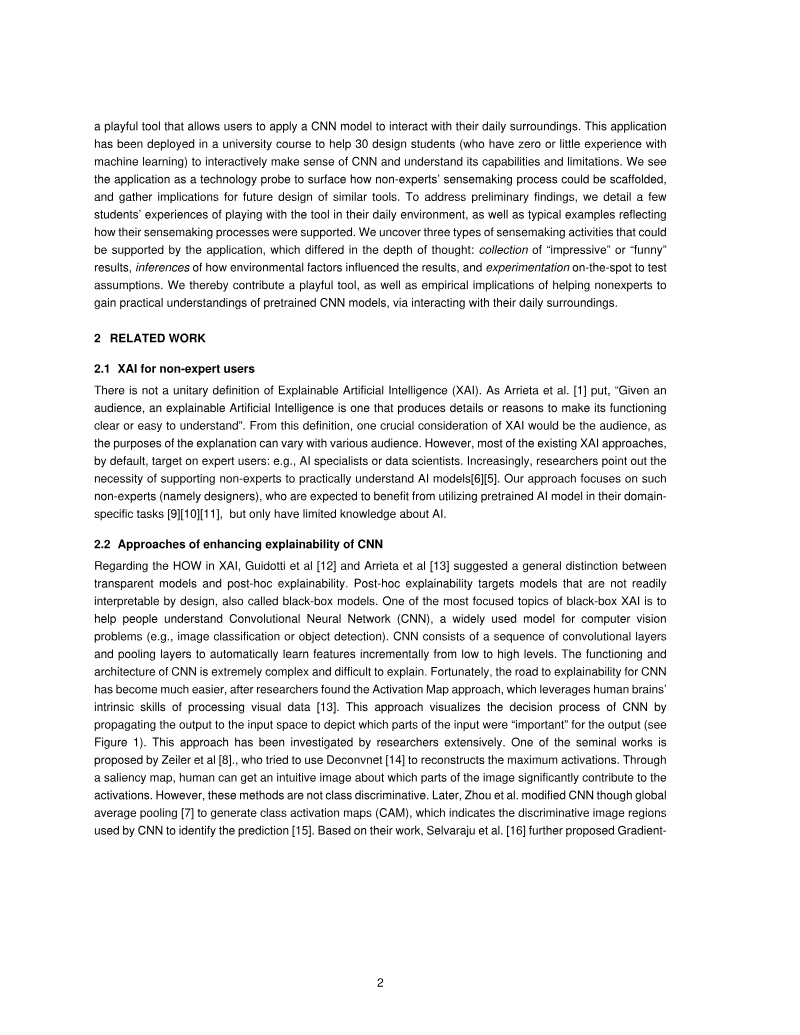
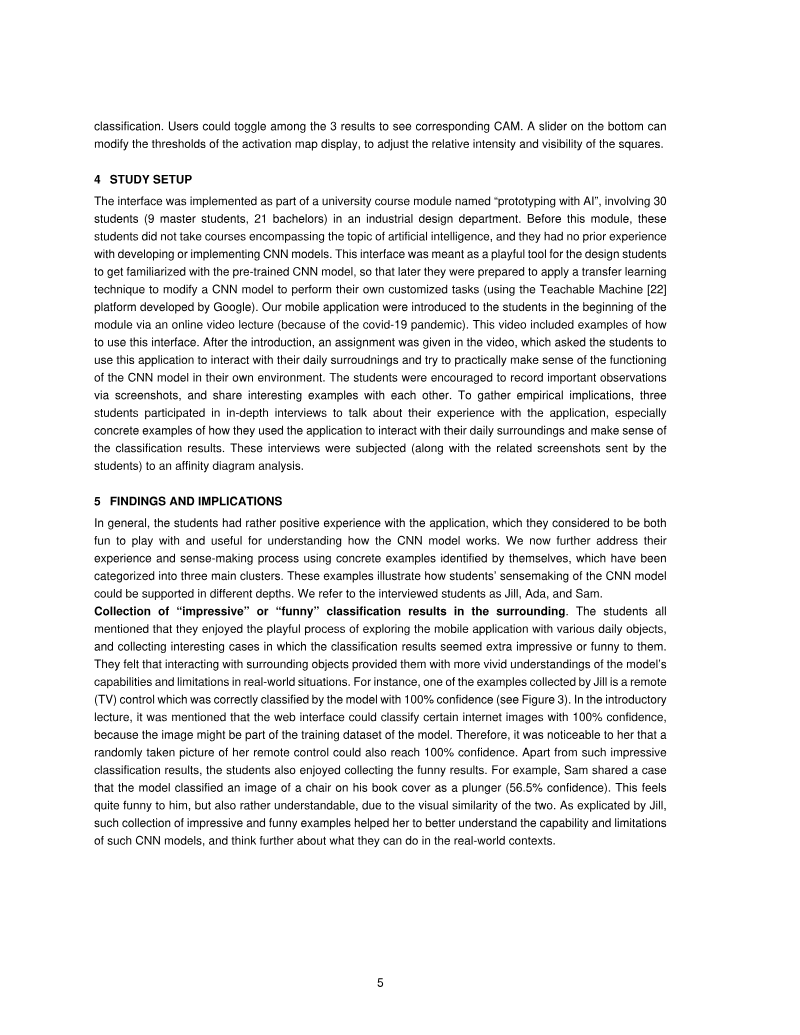
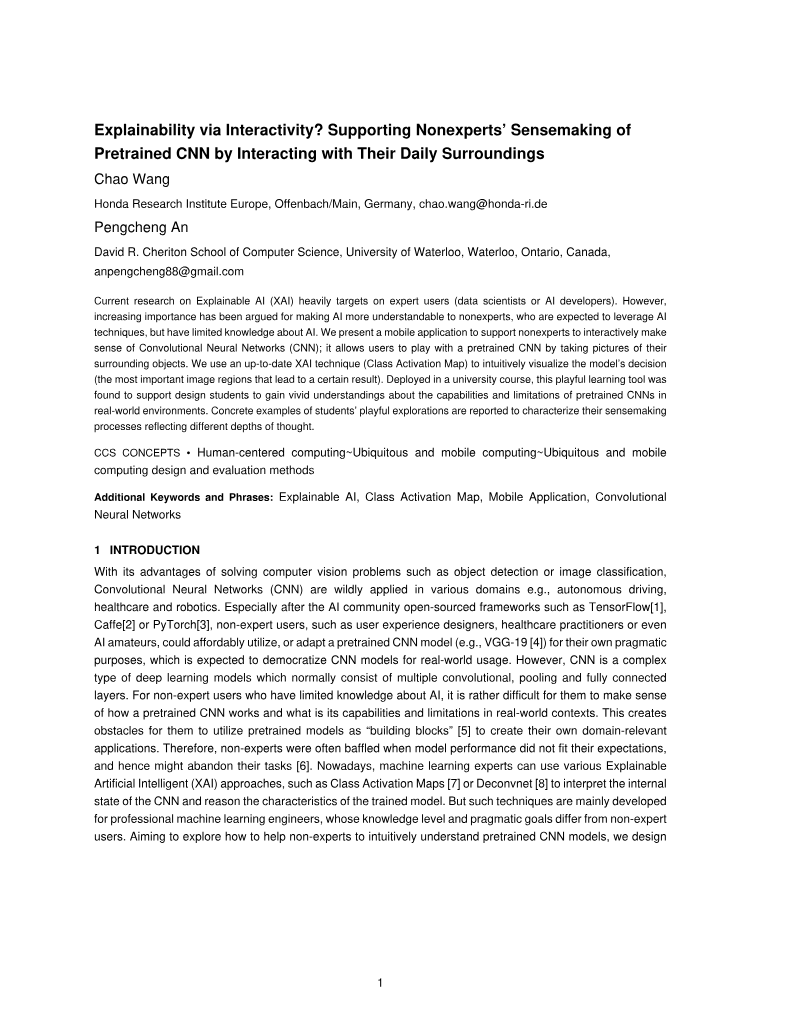
This analysis explores the intersection of cultural representation and deceptive design in video games, positing that developers often utilize cultural attributes—such as language, aesthetics, and historical narratives—to amplify the effectiveness of manipulative monetization strategies. While cultural integration is essential for global user engagement and identity exploration, the research suggests that these elements can function as a smokescreen, making deceptive patterns like gacha systems, grinding, and premium currency requirements more difficult for players to resist.
The study highlights the mobile game Genshin Impact as a primary case study, noting its significant revenue generation in East Asian markets. In this context, the game employs cultural festivals, traditional fashion, and regional landmarks to foster deep emotional connections. However, these same elements are leveraged to incentivize repetitive spending and time-intensive gameplay. The analysis also identifies similar risks in other titles, such as Assassin’s Creed: Valhalla, where historical and mythological references are used to drive engagement with loot box systems, potentially exploiting player nostalgia and cultural identity.
The scope of this research encompasses the global video game industry, with a specific focus on the ethical implications of game culturalization. The methodology relies on a qualitative review of existing literature regarding dark patterns and cultural studies, supplemented by an analytical examination of game design mechanics. The findings emphasize that the lack of robust age verification and the potential for cultural appropriation necessitate a new research direction. Future efforts should focus on classifying which cultural attributes facilitate manipulation, conducting comparative playtesting to measure player responses, and investigating how emerging technologies like immersive virtual reality might further exacerbate these deceptive practices.
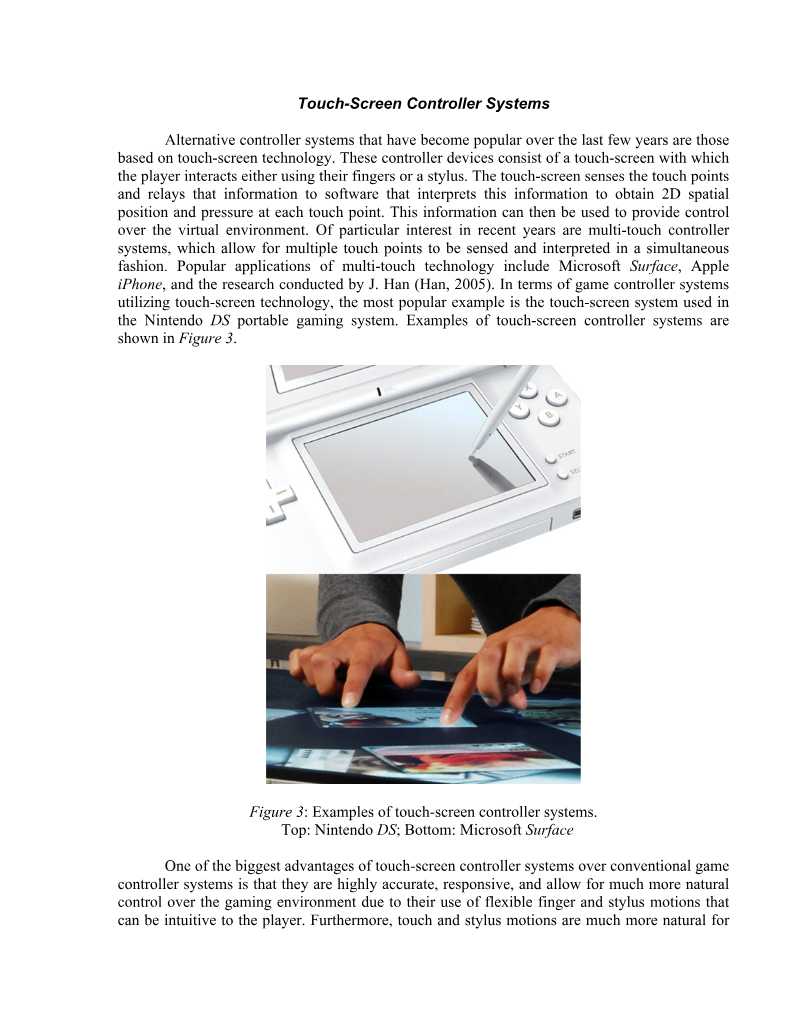
Each row is a game or company this document names, each column a document, oldest first. A mark means that document names it. Select a row to see those documents.
Tokyo Institute of Technology · 2023