More on Game Studies
View all


Whitepaper
Challenges of Simulations and Serious Games Embedded in Emergency Preparedness Platforms
European Conference on Games Based Learning (ECGBL) · 2026
Whitepaper
VAFUG: A Model for Designing Educational Activities Grounded in Game Studies and Aesthetics
European Conference on Games Based Learning (ECGBL) · 2025
Whitepaper
Gamification of a College Course: A Case Study
Homo Ludens · 2024
Whitepaper
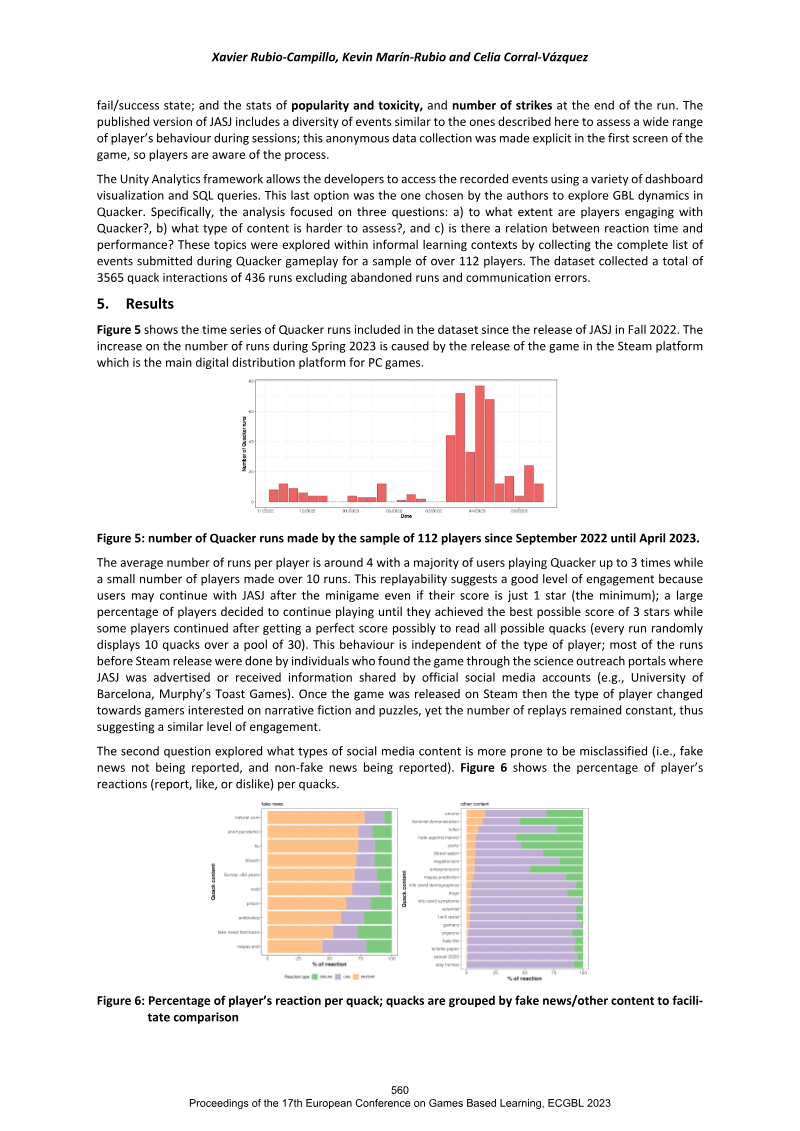
Using In-game Analytics to Explore Learning Dynamics of Information Literacy in a Social Media Simulator
European Conference on Games Based Learning (ECGBL) · 2023
Whitepaper
How to Welcome First-year Students: Best Practice of a Gamified Orientation Day
European Conference on Games Based Learning (ECGBL) · 2022
Whitepaper
Communicating Maritime Spatial Planning: The MSP Challenge Approach
Elsevier · 2021
Whitepaper
A Serious Game to Improve the Verbal Resilience Against Doorstep Scams
International Journal of Serious Games · 2020
Whitepaper
Results and Insight Gained from Applying the EnergyCat Energy-saving Serious Game in UK Social Housing
International Journal of Serious Games · 2020
Whitepaper
Nano-Games for Cultural Venues: The HEAL Game
International Journal of Serious Games · 2020
Whitepaper
Personalization in Game Design for Healthcare: A Literature Review on its Definitions and Effects
International Journal of Serious Games · 2016
Whitepaper
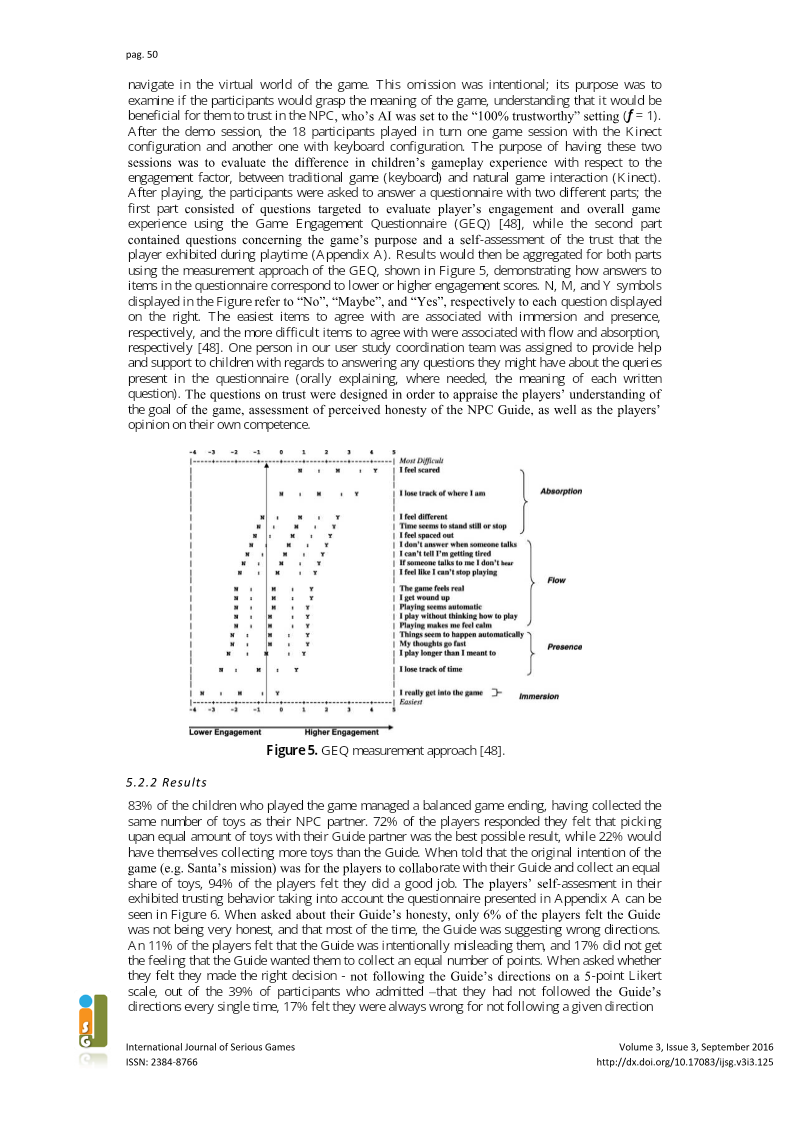
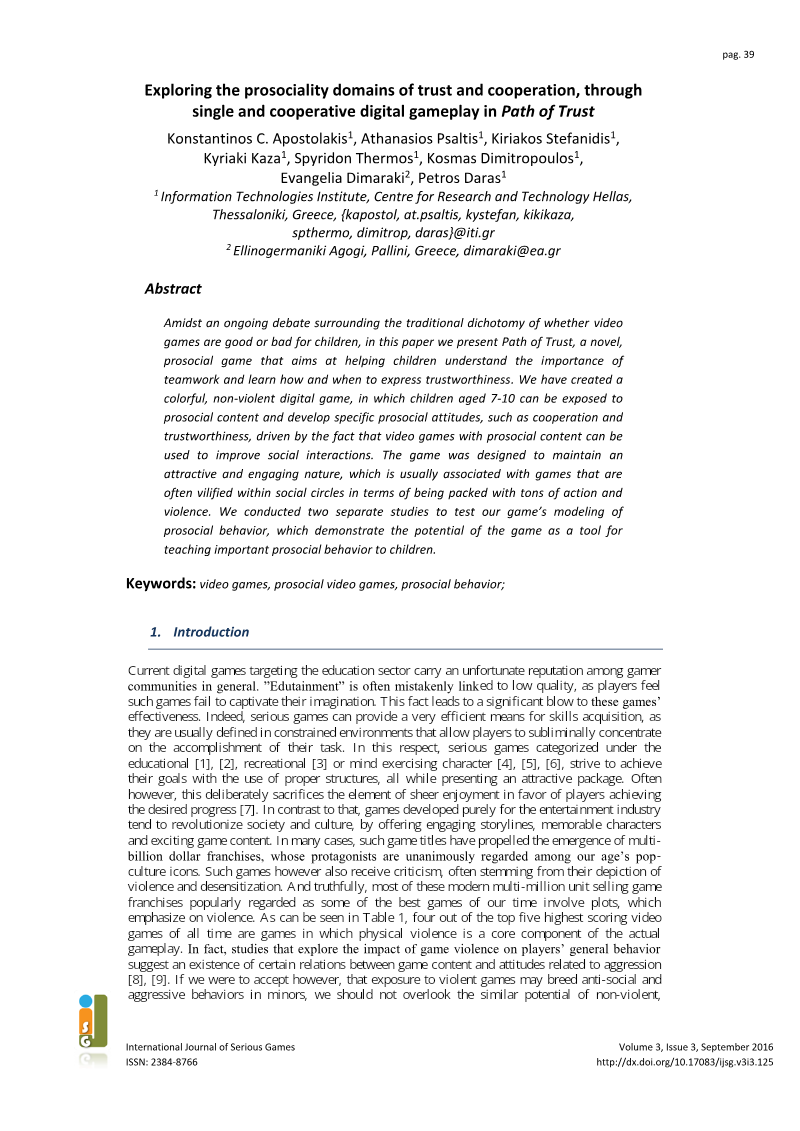
Exploring the Prosociality Domains of Trust and Cooperation, through Single and Cooperative Digital Gameplay in Path of Trust
International Journal of Serious Games · 2016
Whitepaper
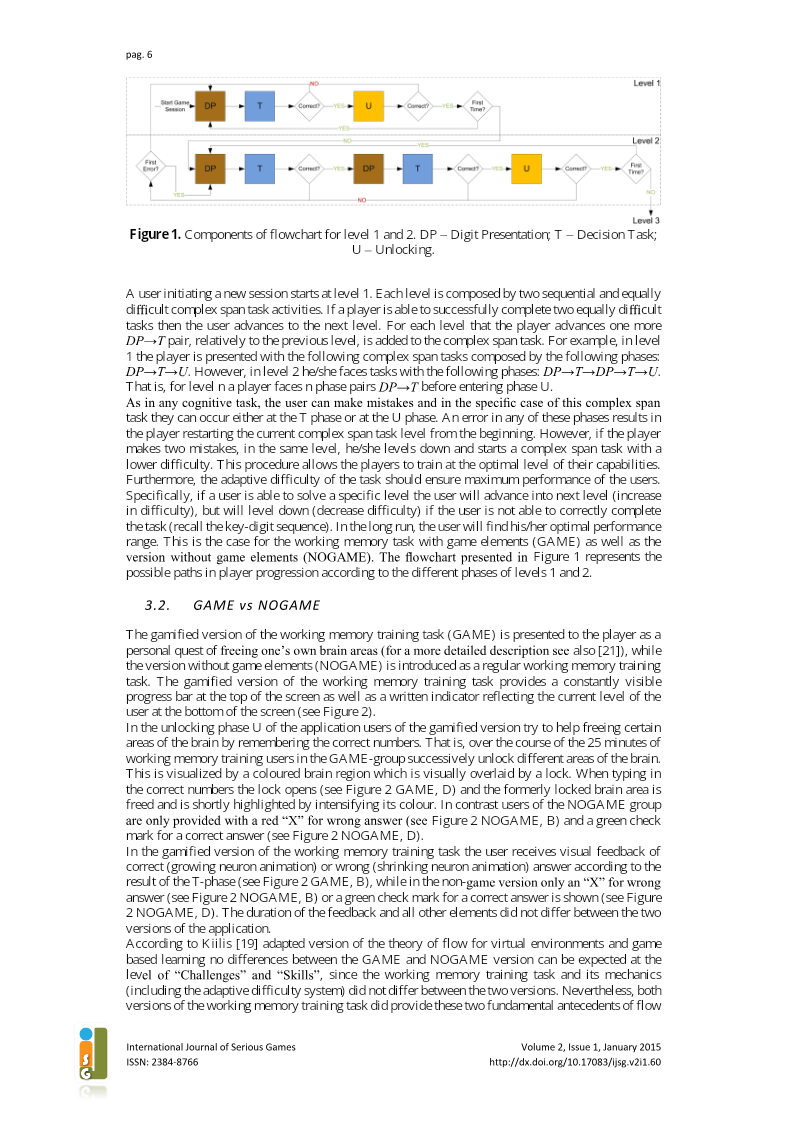
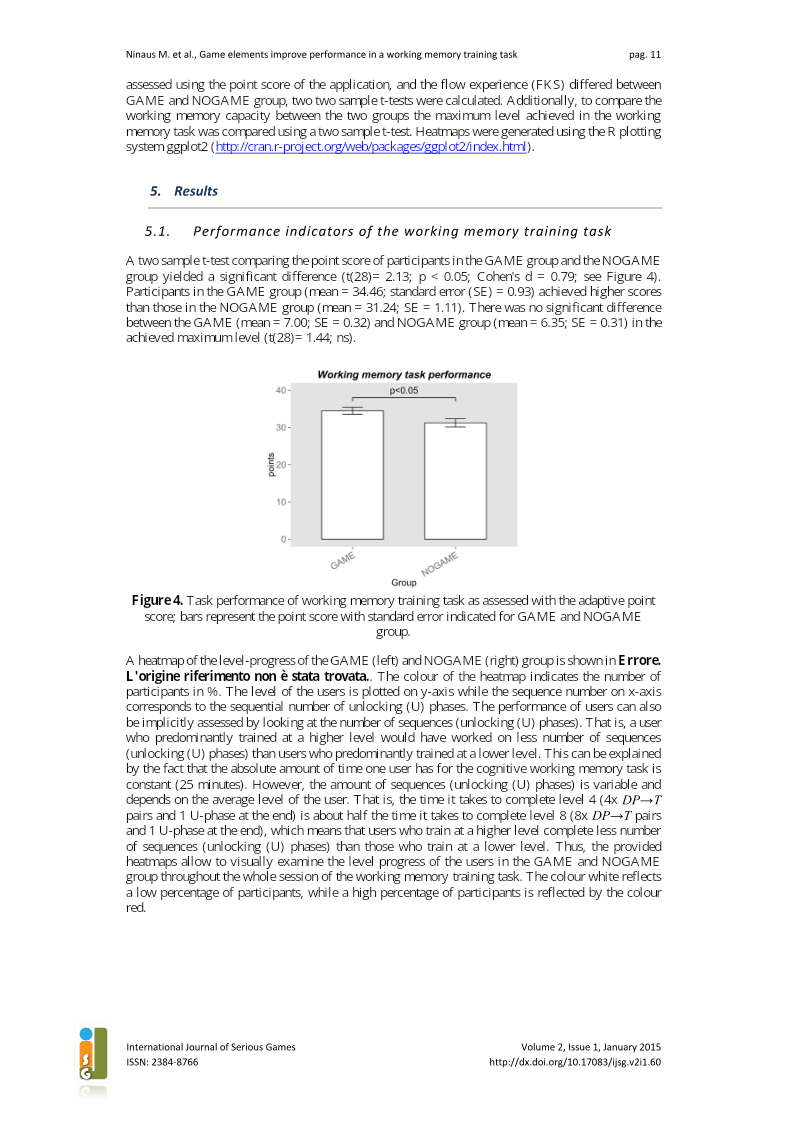
Game Elements Improve Performance in a Working Memory Training Task
International Journal of Serious Games · 2015