1 free read left. Create a free account for unlimited reading + AI research.
Create free accountArticle Naavik
1 free read left. Create a free account for unlimited reading + AI research.
Create free accountArticleNaavik
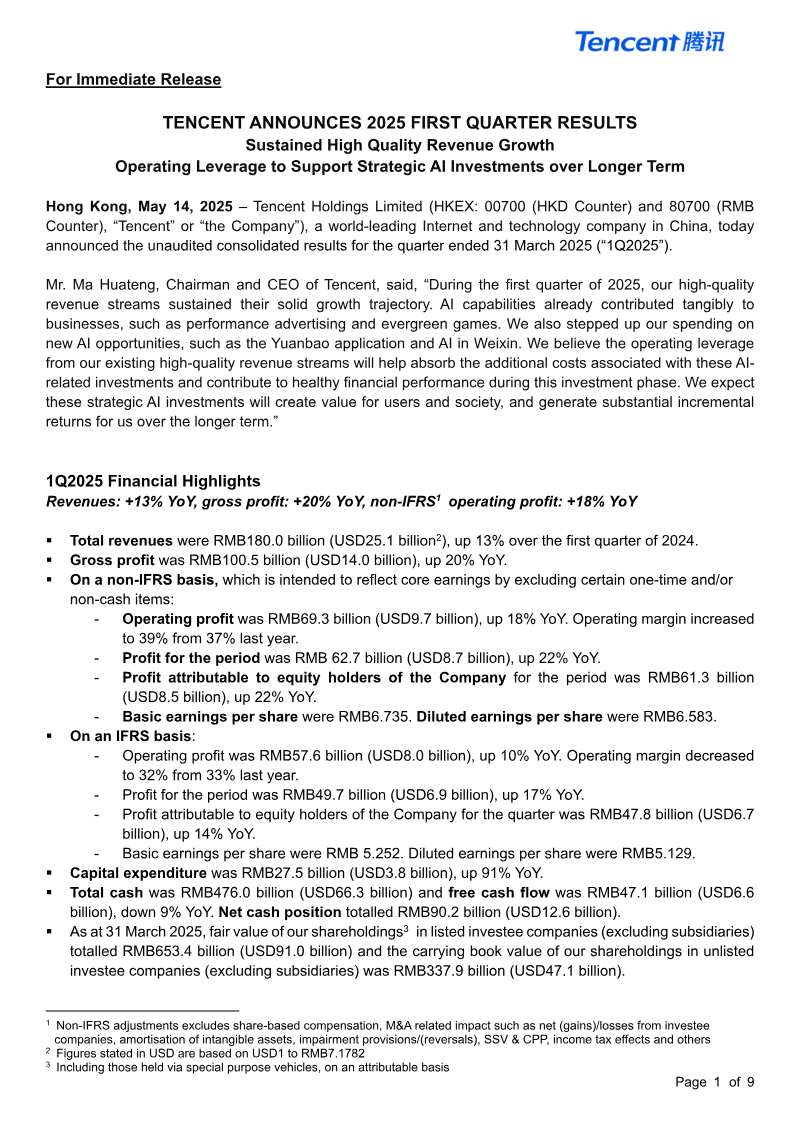
The Chinese gaming industry has transitioned from experimental AI usage to a systemic, industrial-scale integration of artificial intelligence across production pipelines and core gameplay. While Western developers often approach AI with caution due to ethical concerns, copyright risks, and public backlash, Chinese studios prioritize pragmatic efficiency and aggressive innovation to combat rising development costs and market saturation. This strategic pivot is characterized by a willingness to invest in unproven, forward-looking applications, with major firms like miHoYo committing billions to build proprietary infrastructure and training models.
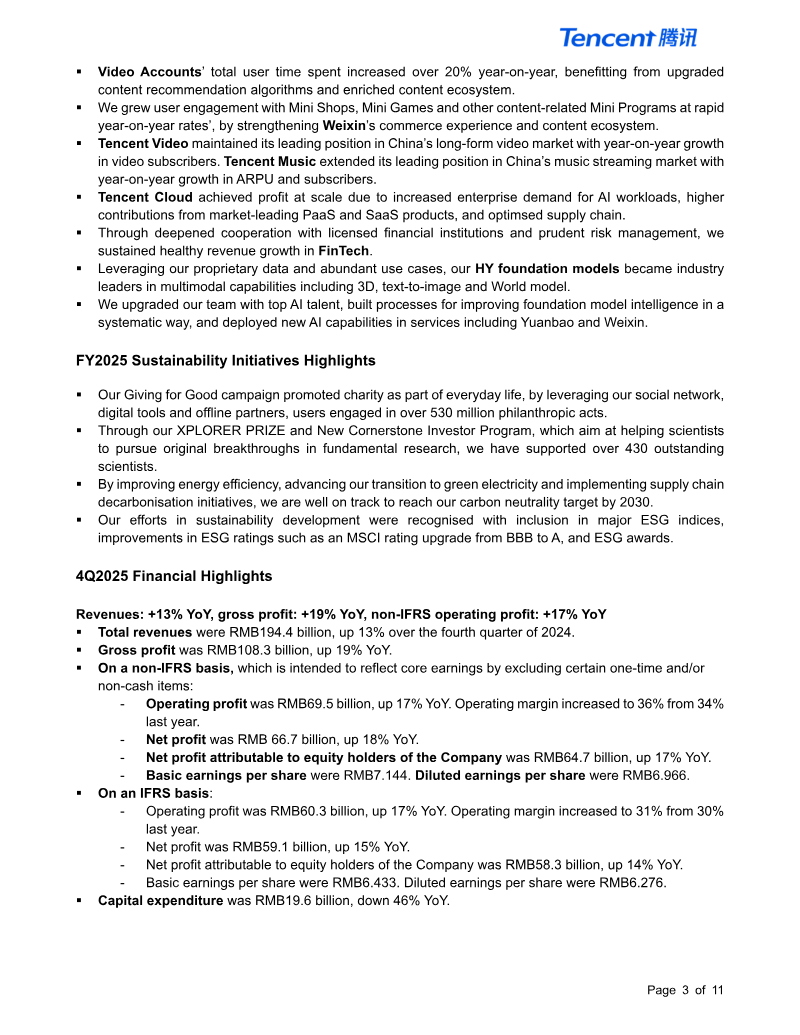
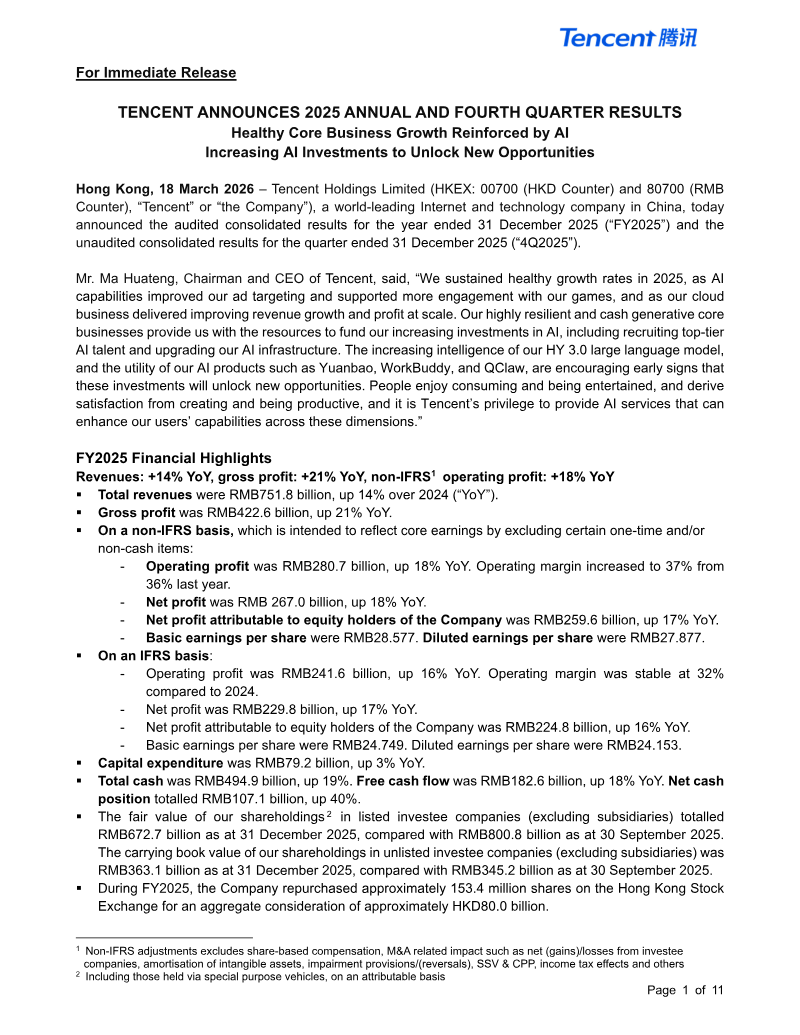
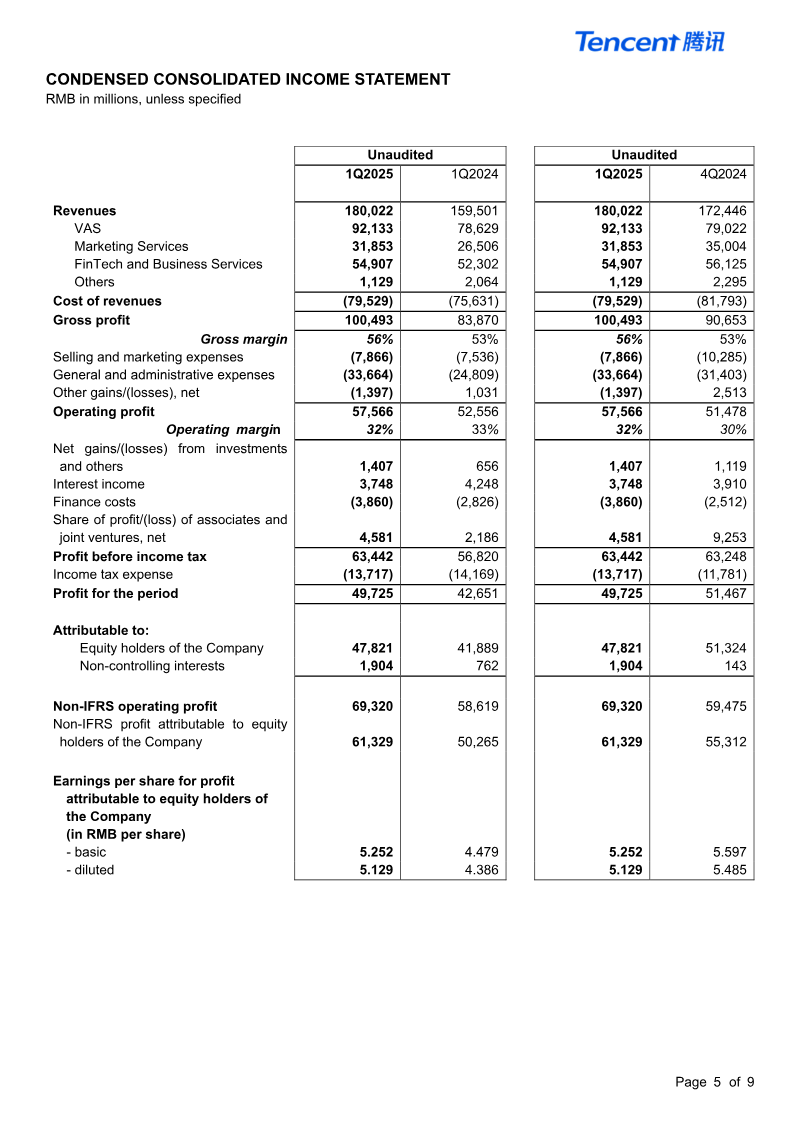
Data from 2026 highlights the scale of this adoption: approximately 80% of China’s top 50 game companies have publicly disclosed AI plans, and 60% of studios overall utilize AI in their workflows. The financial impact is significant, with AI-driven titles accounting for 42.6% of revenue among the top 100-grossing mobile games in the first half of 2026. Specific operational gains include Tencent’s VISVISE platform, which accelerates character rigging by over 8x, and widespread adoption of AI for 2D art and ad targeting, where adoption rates exceed 80% at major firms like 37 Interactive.
The industry’s rapid industrialization of AI is driven by a competitive culture that views missing technological shifts as a greater risk than the potential for project failure. This urgency is reflected in hiring trends, where AI-focused engineering roles are now more in-demand than traditional game development positions. While the long-term success of these high-risk investments remains to be seen, the current trajectory suggests that China’s aggressive scaling of AI-assisted production will continue to reshape global competitive dynamics, forcing international counterparts to reconcile their own adoption strategies or risk falling behind in efficiency and output.

Naavik · 2026

Naavik · 2026

Naavik · 2026

Naavik · 2026

Naavik · 2026

Naavik · 2026

Naavik · 2026

Naavik · 2026

Naavik · 2026

Naavik · 2026

Naavik · 2026

Naavik · 2026
Deconstructor of Fun · 2026