1 free read left. Create a free account for unlimited reading + AI research.
Create free accountReport Ipsos
1 free read left. Create a free account for unlimited reading + AI research.
Create free accountReportIpsos
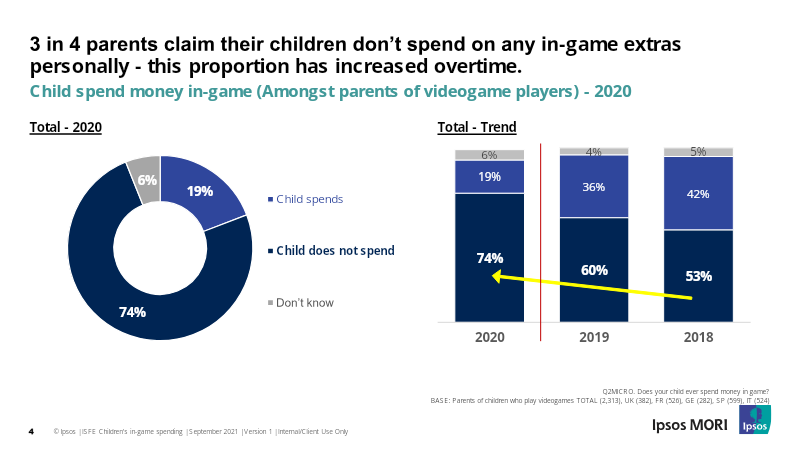
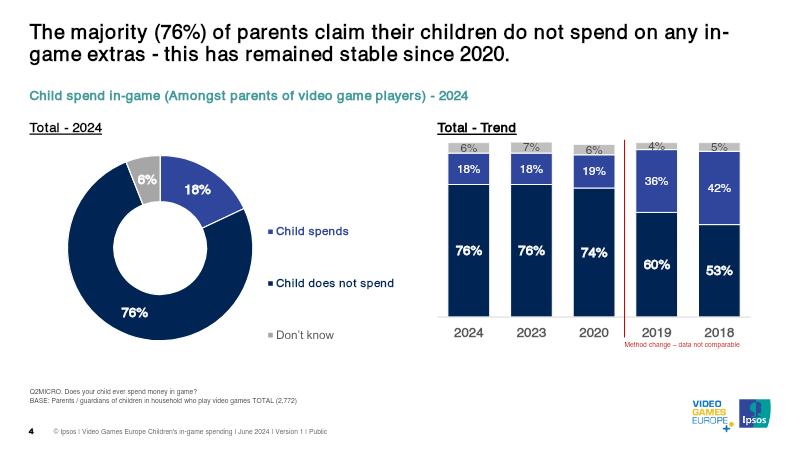
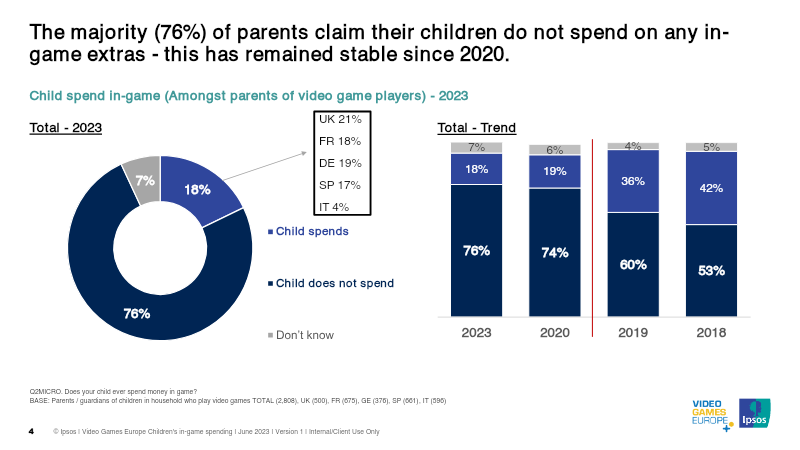
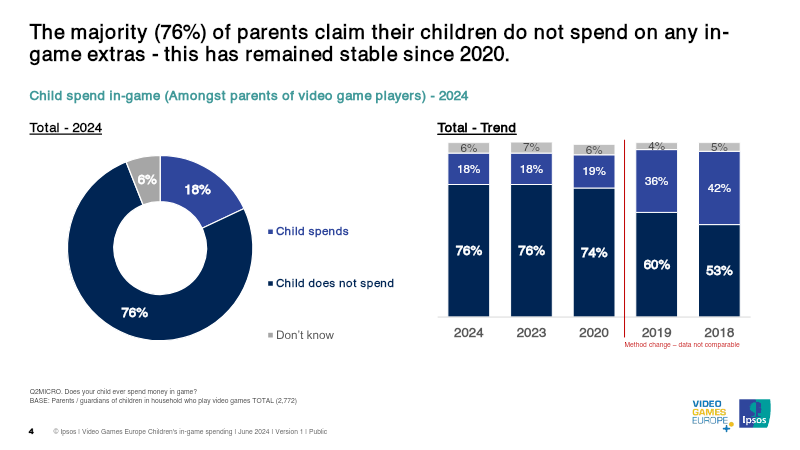
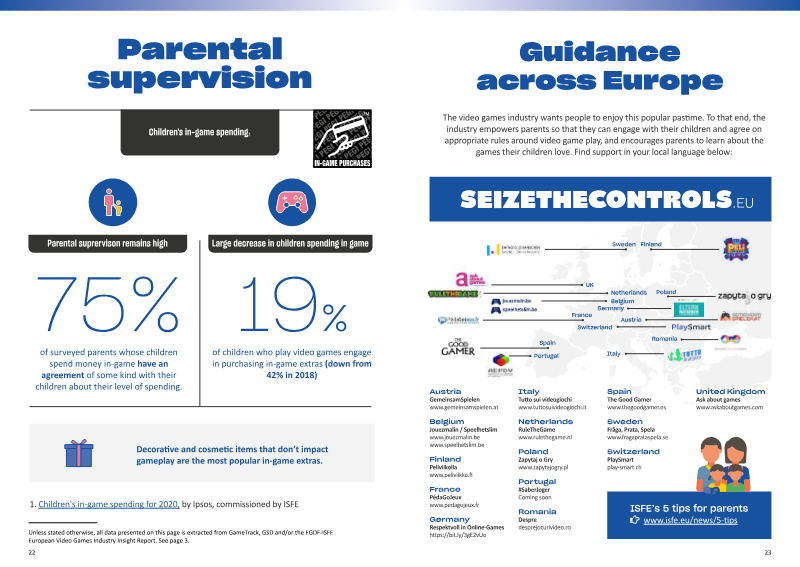
74% of parents reported that their children did not spend money on extras in 2020. This figure shows a consistent upward trend over the past three years.
No spending. The vast majority of children do not engage in in-game purchases.
The 2020 GameTrack report, conducted by Ipsos for the Interactive Software Federation of Europe, examines trends in children’s in-game spending across major European markets, including the UK, France, Germany, Spain, and Italy. The research utilizes a survey of over 2,300 parents and guardians of children who play video games, providing a comprehensive look at consumer behavior and parental oversight mechanisms within the gaming industry.
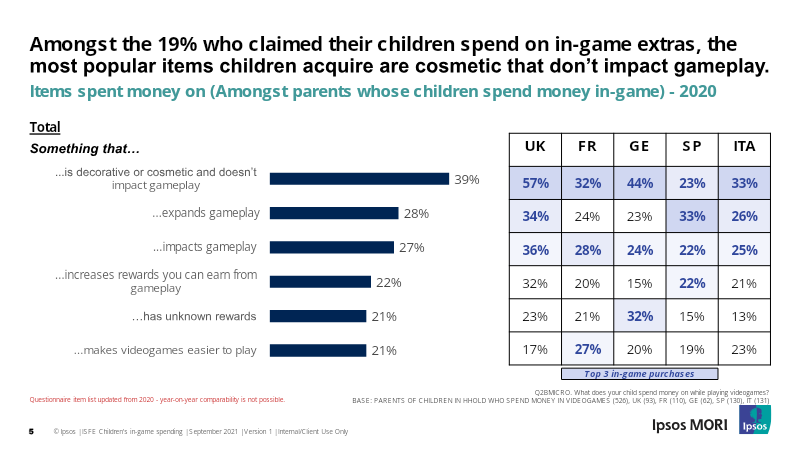
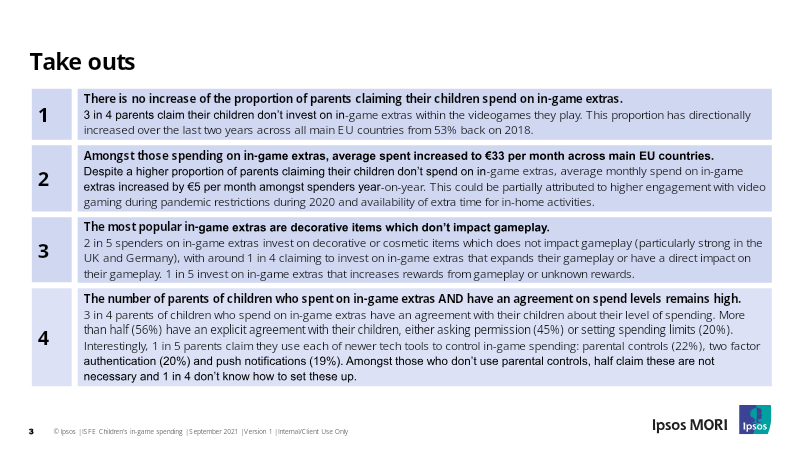
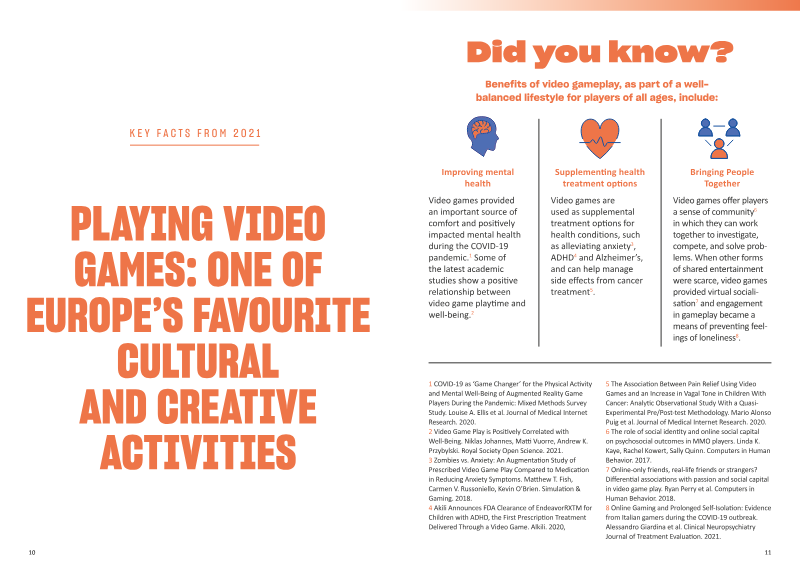
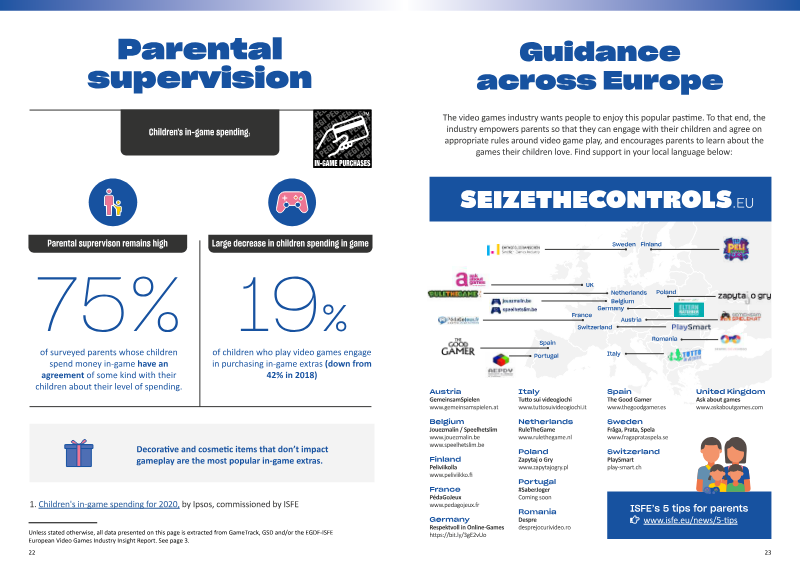
The findings indicate that the majority of children do not engage in in-game purchases, with 74% of parents reporting that their children do not spend money on extras. This figure represents a consistent upward trend over the past three years. Among the minority who do spend, the average monthly expenditure rose to €33 in 2020, an increase of €5 from the previous year. This rise is attributed to heightened gaming engagement during pandemic-related lockdowns. Cosmetic or decorative items that do not impact gameplay remain the most popular purchases, favored by 39% of those who spend.
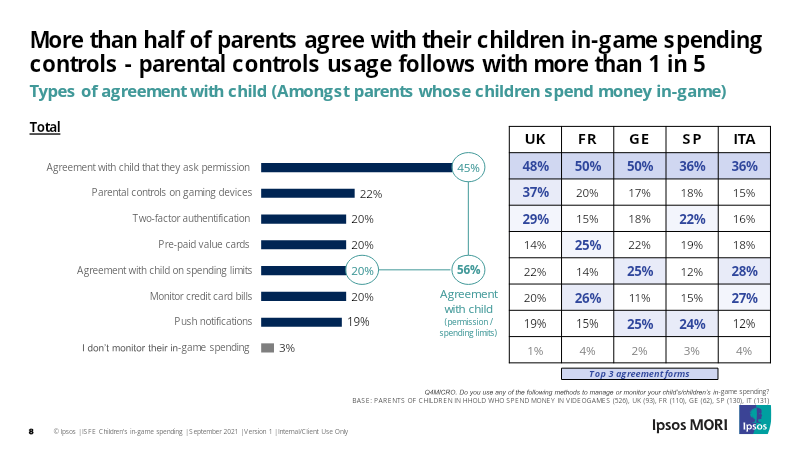
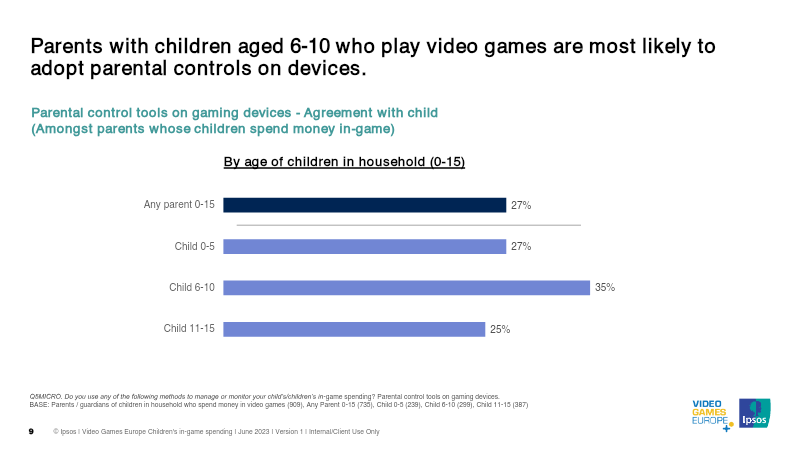
Parental involvement in managing these transactions remains high, with 75% of parents maintaining an agreement with their children regarding spending levels. Common methods for oversight include requiring permission, setting spending limits, and utilizing technical tools such as parental controls, two-factor authentication, and push notifications. While many parents actively manage these habits, a segment of those not using technical controls cites a lack of necessity or unfamiliarity with the setup process as primary barriers. The data underscores a landscape where, despite increased average spending among active users, the overall prevalence of in-game purchasing remains limited and subject to significant parental supervision.
Ipsos · 2024
Interactive Software Federation of Europe · 2022
Interactive Software Federation of Europe · 2021

Interactive Software Federation of Europe · 2020


European Schoolnet · 2020
Video Games Europe · 2020
Interactive Software Federation of Europe · 2020
European Game Developers Federation
European Games Developer Federation
Telekom Malaysia · 2026