1 free read left. Create a free account for unlimited reading + AI research.
Create free accountReport European Schoolnet
1 free read left. Create a free account for unlimited reading + AI research.
Create free accountReportEuropean Schoolnet
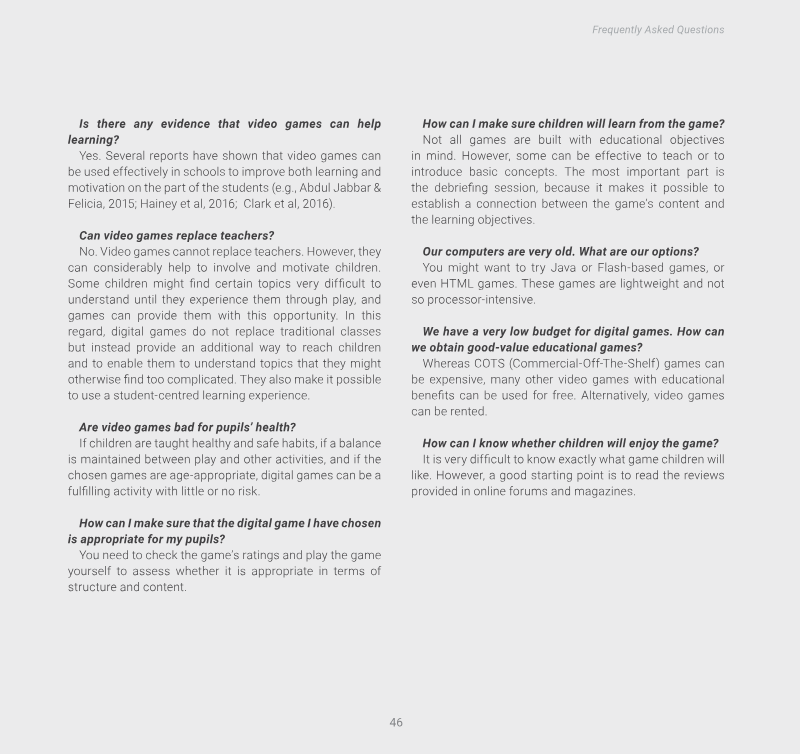
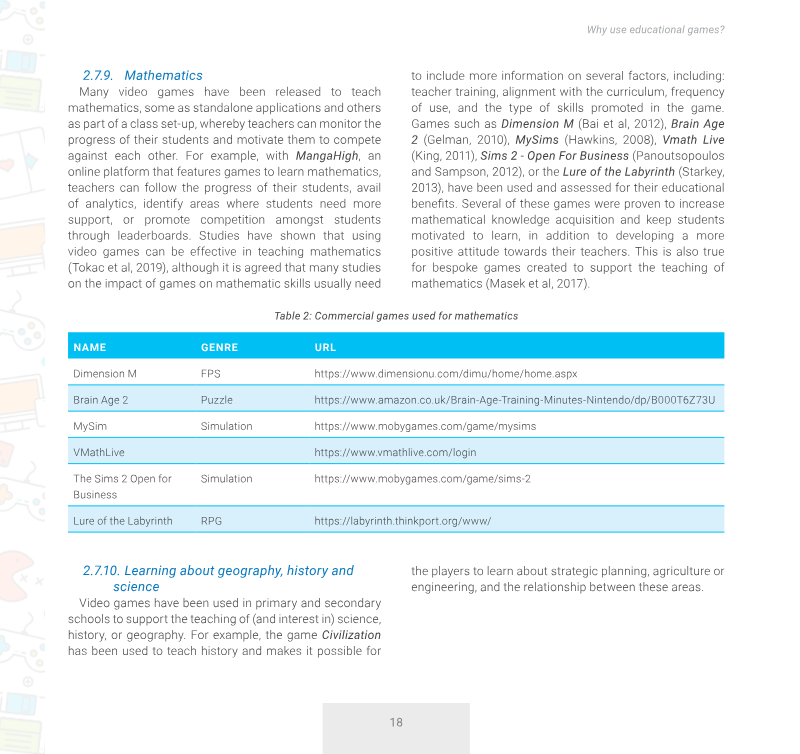
Structured reflection and debriefing are required to connect game mechanics to curriculum objectives.
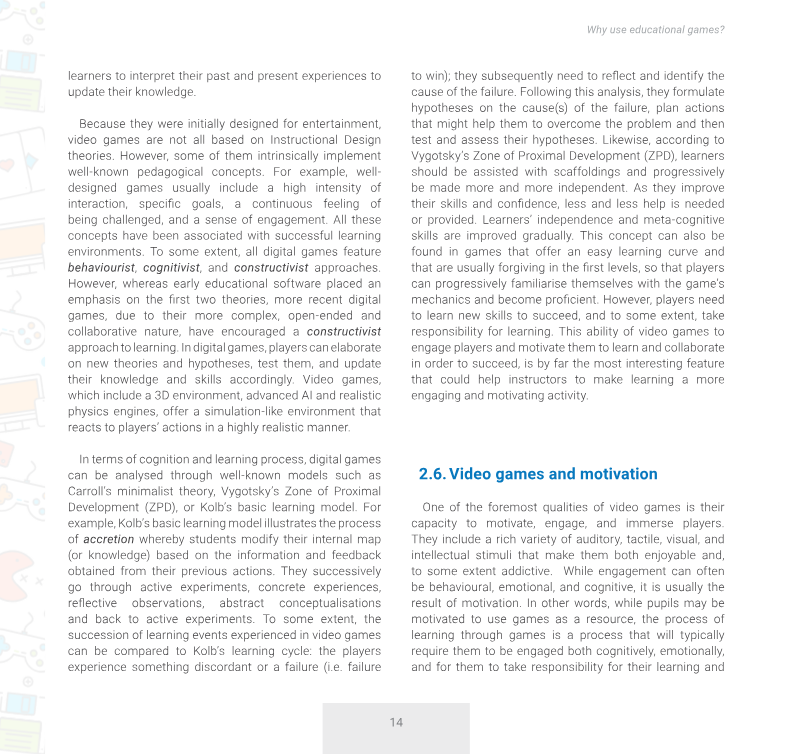
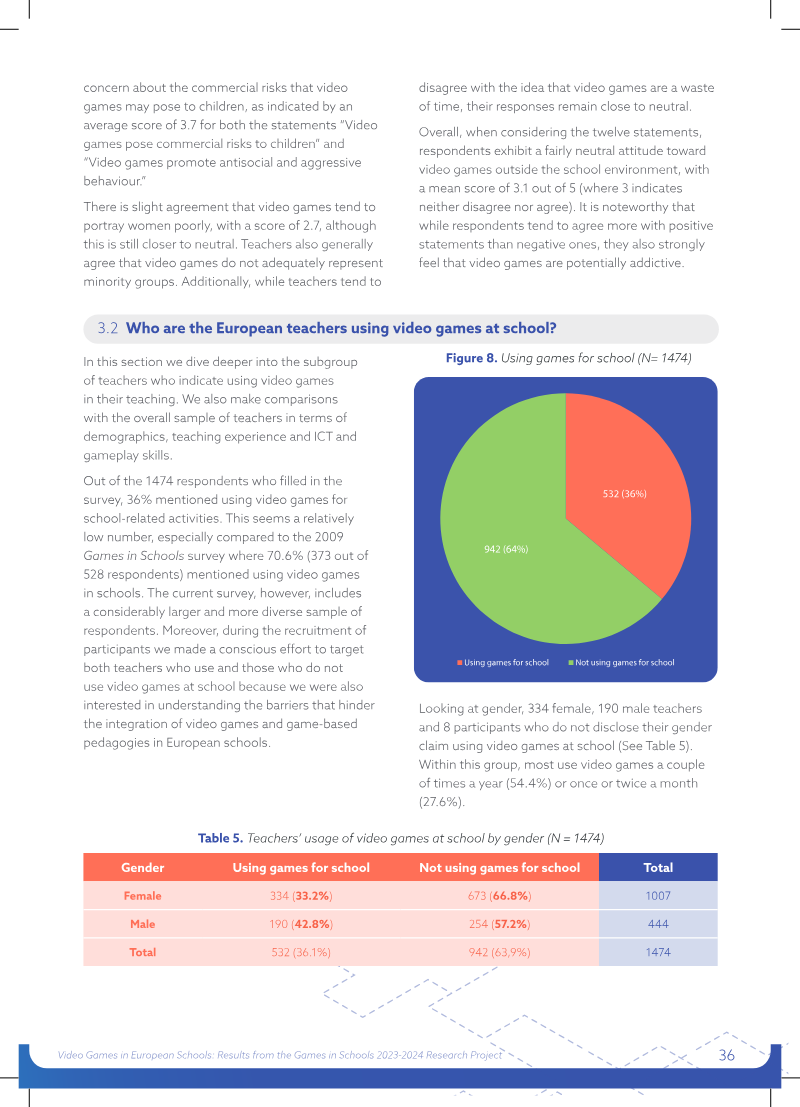
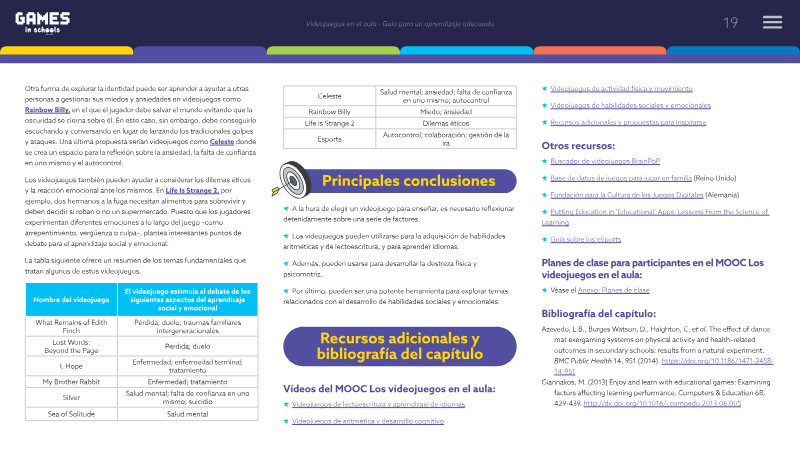
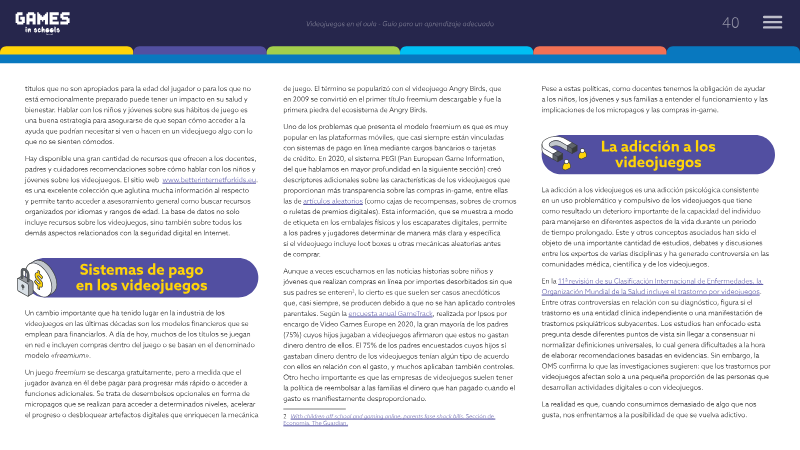
Digital games serve as powerful pedagogical instruments capable of enhancing student motivation, cognitive development, and technical proficiency when integrated into formal education. By leveraging constructivist learning theories and immersive environments, these tools facilitate trial-and-error experimentation, which is essential for mastering complex problem-solving, programming, and subject-specific content. While games are highly effective at fostering collaboration and critical thinking, they function best as supplements to traditional instruction rather than replacements, requiring educators to bridge the gap between game mechanics and curriculum objectives through structured reflection and debriefing.
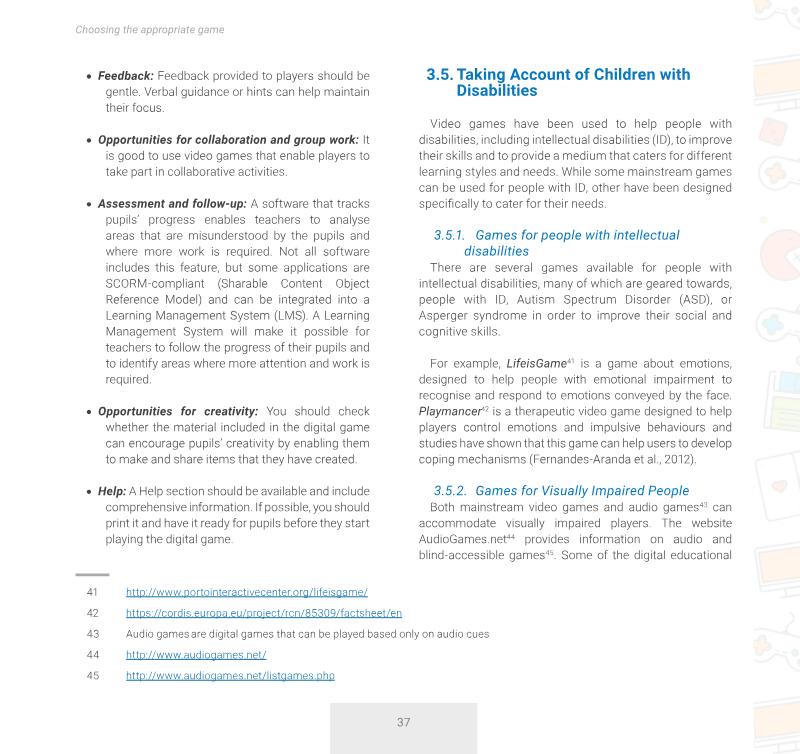
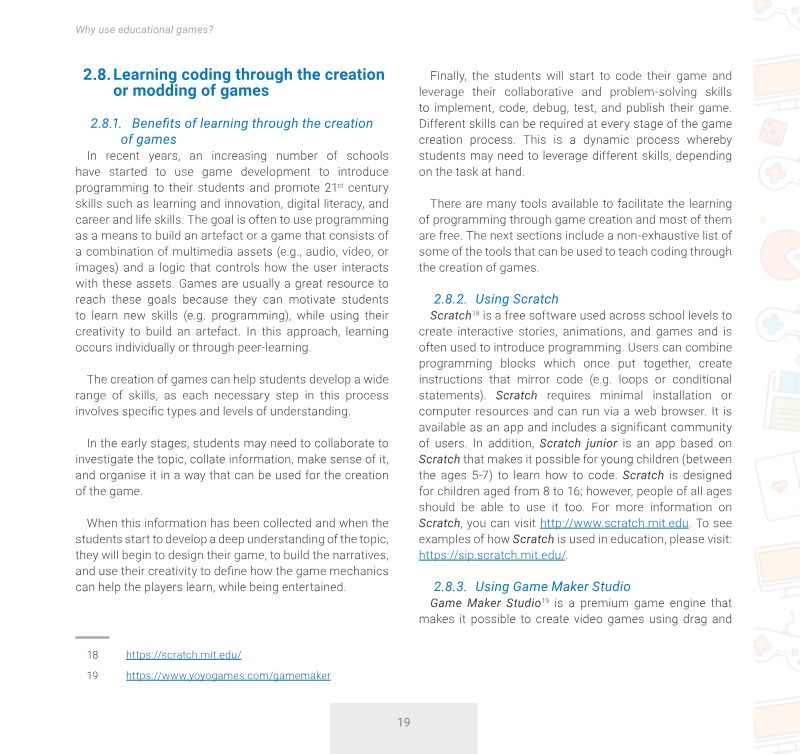
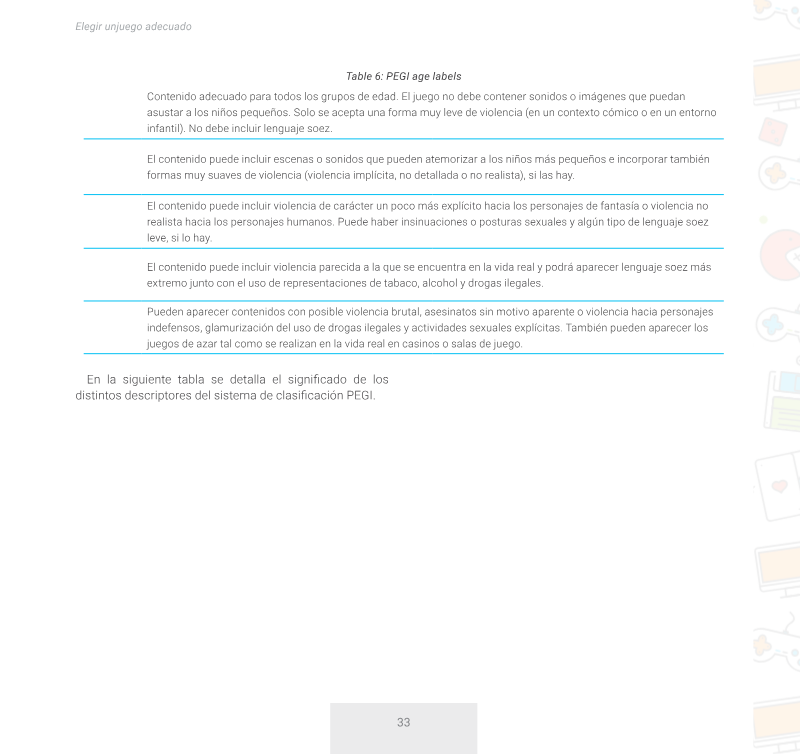
Successful implementation requires a rigorous evaluation process that balances pedagogical alignment with technical feasibility. Educators must assess software based on age-appropriate content ratings, accessibility for students with disabilities, and compatibility with existing school infrastructure. The selection process should prioritize titles that offer progress monitoring, customization, and safe collaborative environments. Whether utilizing commercial entertainment titles or dedicated educational platforms like Scratch, Minecraft, and Unity, the focus remains on creating personalized, challenging experiences that provide timely feedback to diverse learners.
The scope of this approach spans various academic disciplines, including mathematics, language acquisition, and social awareness, with applications extending into professional training and healthcare. Practical strategies such as game jams, digital badges, and cross-curricular lesson plans allow students to engage in creative production and team-based problem solving. By combining these digital resources with established academic frameworks, teachers can cultivate a dynamic classroom environment that promotes both technical literacy and real-world application. Ultimately, the integration of gaming into the classroom provides a scalable, evidence-based method for driving innovation and engagement in modern education.
European Schoolnet · 2024

European Schoolnet · 2024

European Schoolnet · 2023

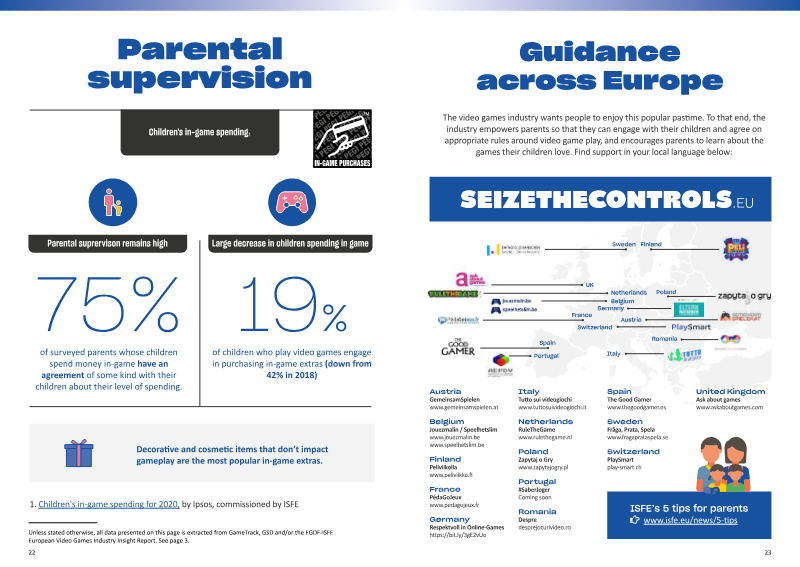
Interactive Software Federation of Europe · 2022
Ipsos · 2021

Interactive Software Federation of Europe · 2021

Interactive Software Federation of Europe · 2020
Interactive Software Federation of Europe · 2020
European Schoolnet · 2009
European Game Developers Federation
European Games Developer Federation

Two & a Half Gamers · 2026