1 free read left. Create a free account for unlimited reading + AI research.
Create free accountArticle Board Game Studies Journal
1 free read left. Create a free account for unlimited reading + AI research.
Create free accountArticleBoard Game Studies Journal
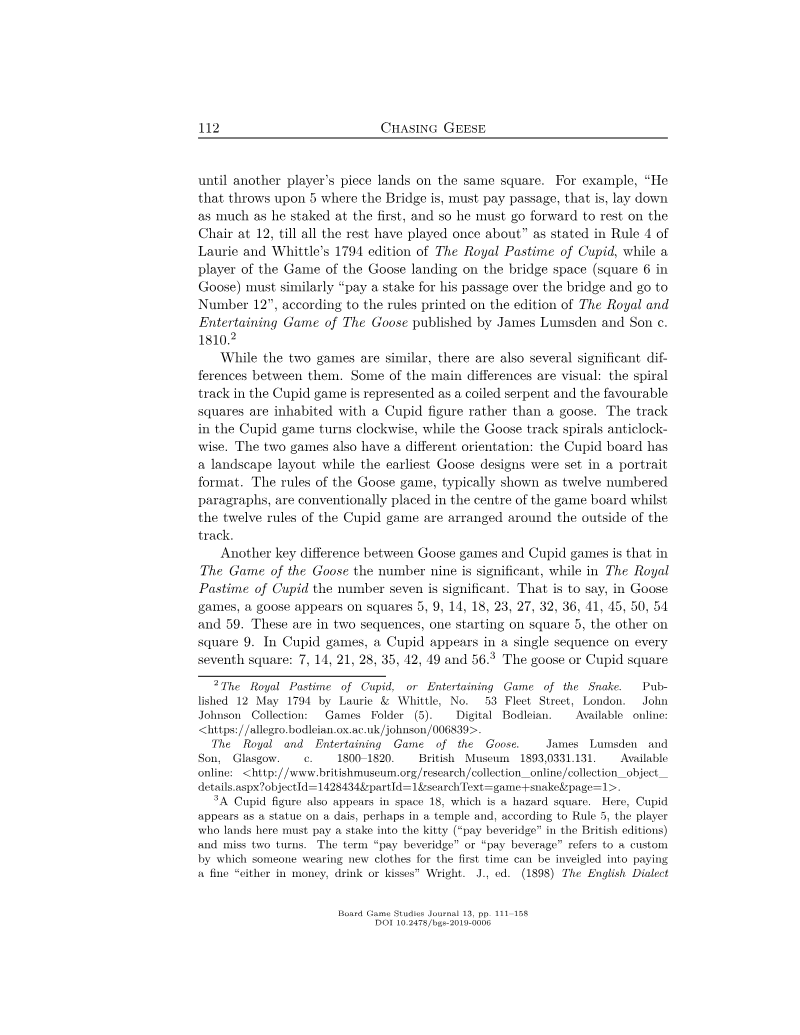
It is closely related to The Game of the Goose and is played on a 63-square coiled-serpent track. The study aims to establish a more reliable chronology for its printed editions.
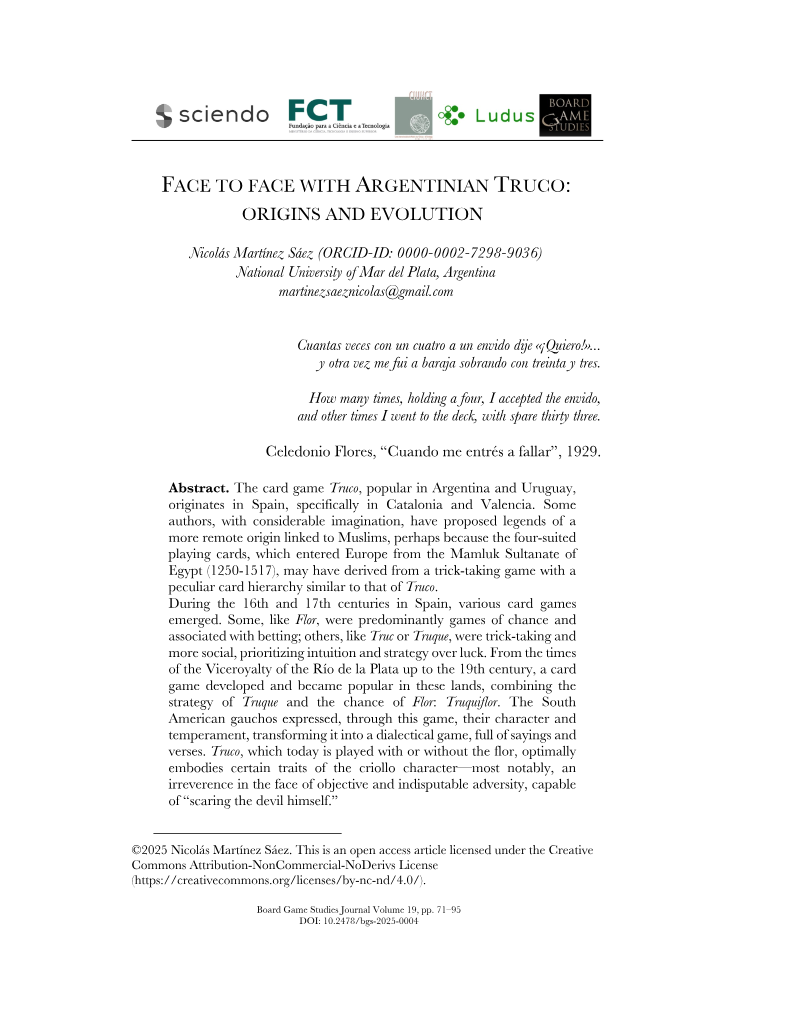
Duggan's study traces the publishing history of The Royal Pastime of Cupid, a spiral race game closely related to The Game of the Goose, which unfolds over a 63-square coiled-serpent track and relies entirely on chance. The article's central aim is to establish a more reliable chronology for the game's printed editions, which have often been catalogued with unreliable dates. Its approach combines close comparison of surviving prints, publisher records, catalogue listings, and imprint variations, and it draws on the work of scholars such as Leesberg, Depaulis, and Buijnsters to test and sometimes correct their conclusions.
The most significant findings concern the game's origins and British lineage. The earliest known example is a Spanish-language Antwerp print by Pieter de Jode (c. 1620), with French and Dutch editions following in the 1620s through 1640s. Among the British editions, the Garrett print is the earliest documented, with a copy annotated by Narcissus Luttrell as purchased in 1690, and the author places its original issue between roughly 1676 and 1720. Successive British editions by Laurie & Whittle, Lumsden, Bowles, and Dicey are dated more precisely through business succession, catalogue appearances, and spelling variations, with the Bowles edition revised to c. 1784 and the Laurie reissue to c. 1850.
The study also argues that the game's peasant-dance motif derives from Claes Visscher's Dutch print, where Cupid's "fiddle" is reinterpreted as kitchen tools performing charivari, a folk shaming ritual. Visscher appears to have consciously shaped the iconography, while later British copies dropped those cues, and the work situates these prints within a broader transnational trade in continental prints imported into England in the late seventeenth and early eighteenth centuries.
Board Game Studies Journal · 2025
Board Game Studies Journal · 2025
Board Game Studies Journal · 2025
Board Game Studies Journal · 2025
Board Game Studies Journal · 2025
Board Game Studies Journal · 2025
Board Game Studies Journal · 2024
Board Game Studies Journal · 2024
Board Game Studies Journal · 2024
Board Game Studies Journal · 2024
Board Game Studies Journal · 2024
Board Game Studies Journal · 2023
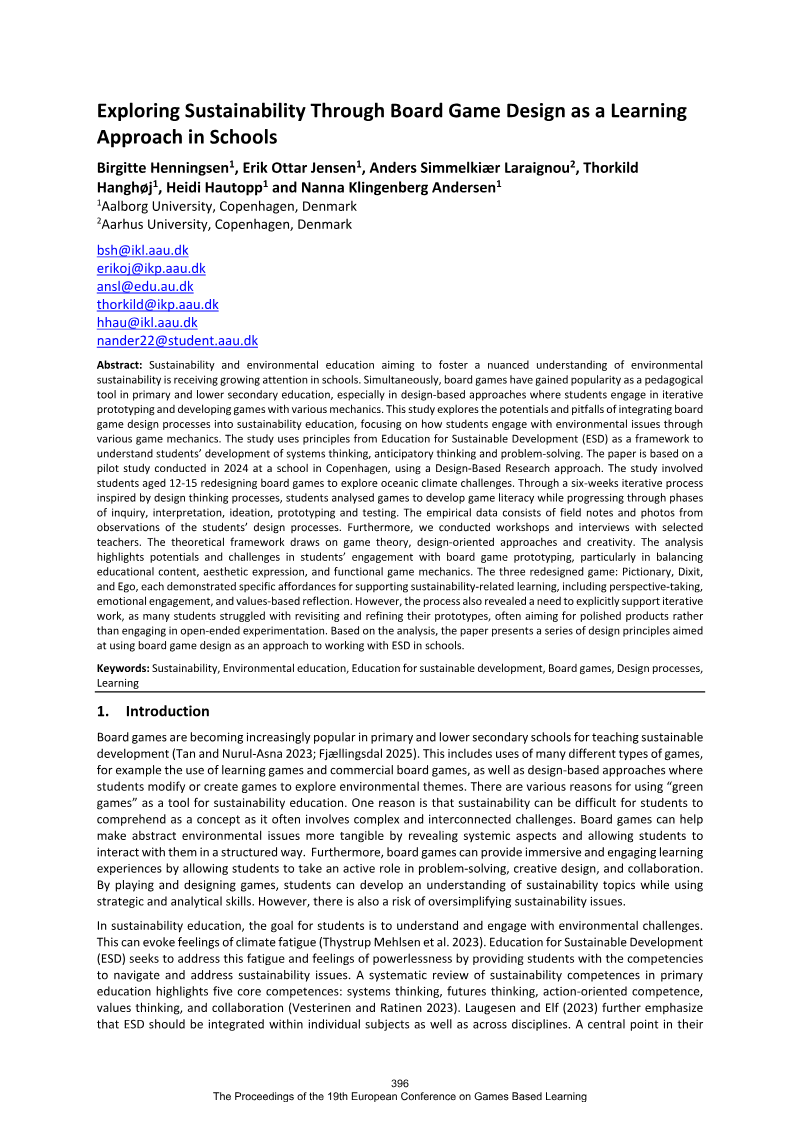
European Conference on Games Based Learning (ECGBL) · 2025