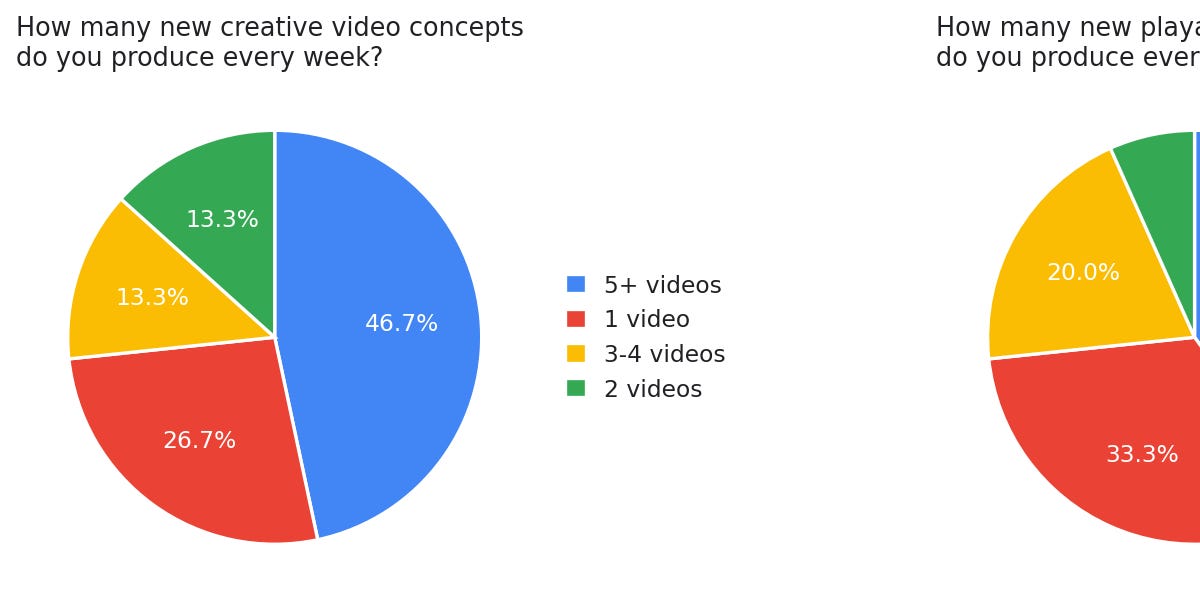
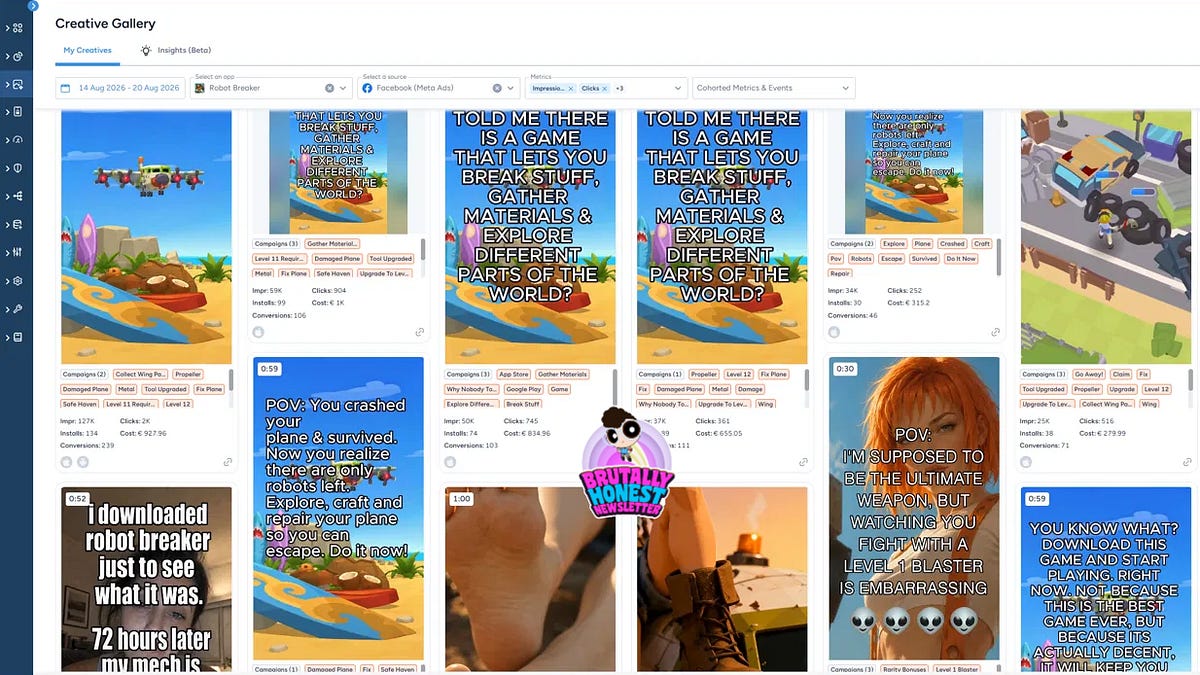
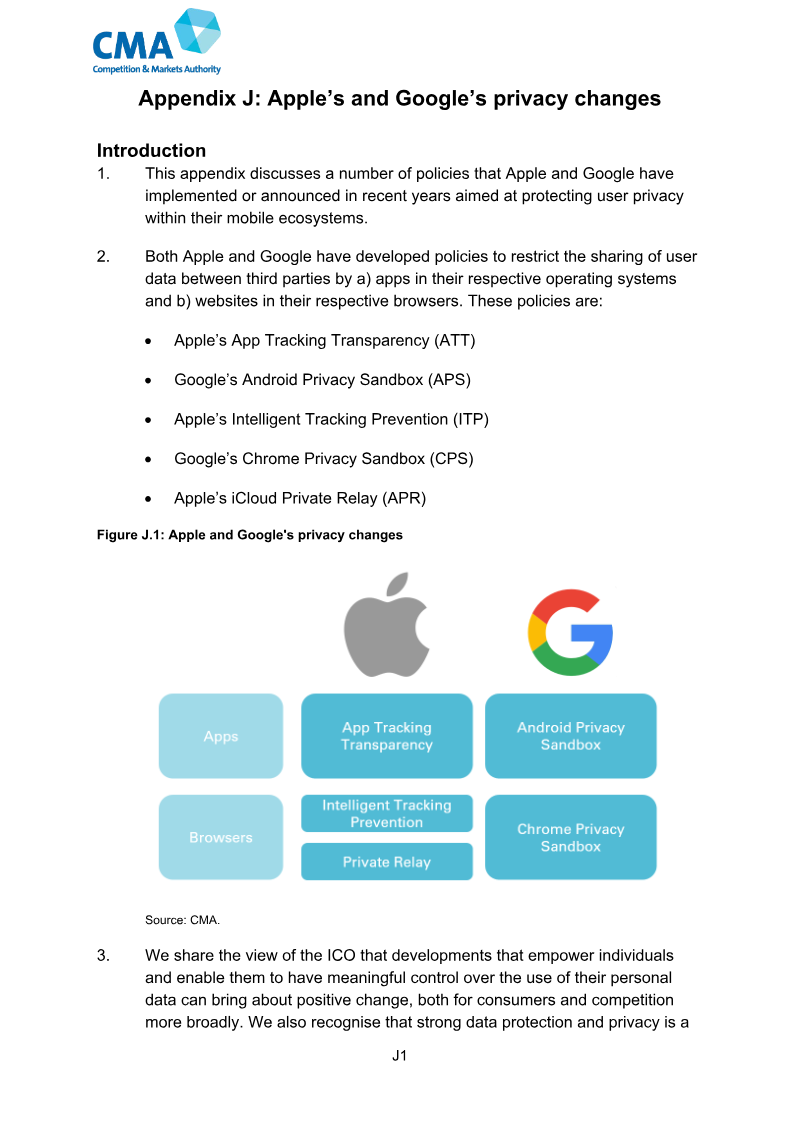
This industry analysis explores evolving strategies for mobile user acquisition (UA) in a landscape increasingly defined by privacy changes and high competition. The primary thesis emphasizes that a multi-channel UA approach is no longer optional but essential for benchmarking performance and mitigating the risks associated with platform-specific algorithm shifts. By diversifying acquisition sources early in development, developers can better understand key performance indicators and optimize creative assets for specific audience segments.
A significant portion of the analysis focuses on the enduring effectiveness of stacking mechanics within the hyper-casual and hybrid-casual segments. Historical data illustrates how this mechanic evolved from early mobile implementations and Fortnite’s building systems into a dominant trend seen in titles like Cube Surfer! and Bridge Race. Case studies reveal that iterative creative optimization centered on these mechanics can lead to dramatic cost reductions; for instance, Bridge Race saw a 47% drop in Cost Per Install (CPI), moving from $0.41 to $0.22. This success has prompted broader adoption of stacking elements in deeper genres, including idle, simulation, and strategy games like Whiteout Survival.
The scope of the coverage is global, with specific mentions of market dynamics in the United States and China, and performance data from late 2024 through early 2025. Key findings highlight the massive scale achievable through aggressive UA and A/B testing, exemplified by Block Blast!, which reached 378 million downloads and approximately $1 million in daily revenue despite scaling during the typically difficult December period. The analysis concludes that the integration of AI in creative production and a relentless focus on testing are the primary drivers for maintaining low CPIs and high engagement in the current mobile market.