Key insights
7 slides
New engagement
Cultural Pervasive Games blend digital stories with physical spaces.
These games transform visitor engagement at heritage sites, fostering deeper educational and cultural connections. They use pervasive elements like ambiguity and coincidence to encourage new interactions.
Core concept. CPGs combine digital narratives with physical environments to enhance visitor interaction at heritage sites.

1 / 7
- 01A new typology for Cultural Pervasive Games (CPGs) provides a standardized framework to align game design mechanics with the pedagogical and institutional goals of heritage sites.See it on page 2
- 02The research evaluates 12 distinct case studies within heritage and tourism contexts to identify how digital narratives can effectively overlay physical environments.See it on page 18
- 03Successful CPG implementation requires balancing technological immersion with an institution's specific mission, using elements like ambiguity and apophenia to encourage novel visitor interactions.See it on page 2
- 04The proposed classification system categorizes games based on core functions, such as promoting specific events, improving visitor experience quality, or modernizing an institution's public image.See it on page 8
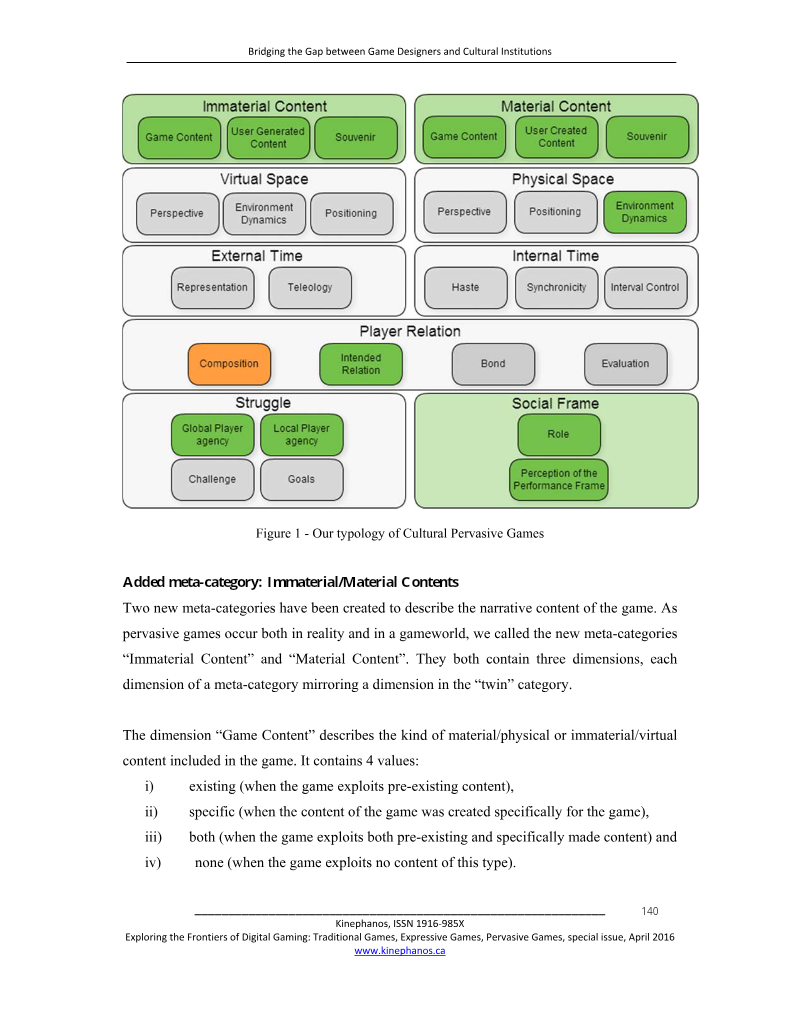
- 05The framework incorporates dimensions like social framing and the interplay between material and immaterial content to help stakeholders navigate the technical requirements of pervasive design.See it on page 12
- 06Ontology-based digital tools are recommended to assist designers in mapping specific game structures directly to intended educational outcomes.See it on page 10
Ask AI about this report
Summary
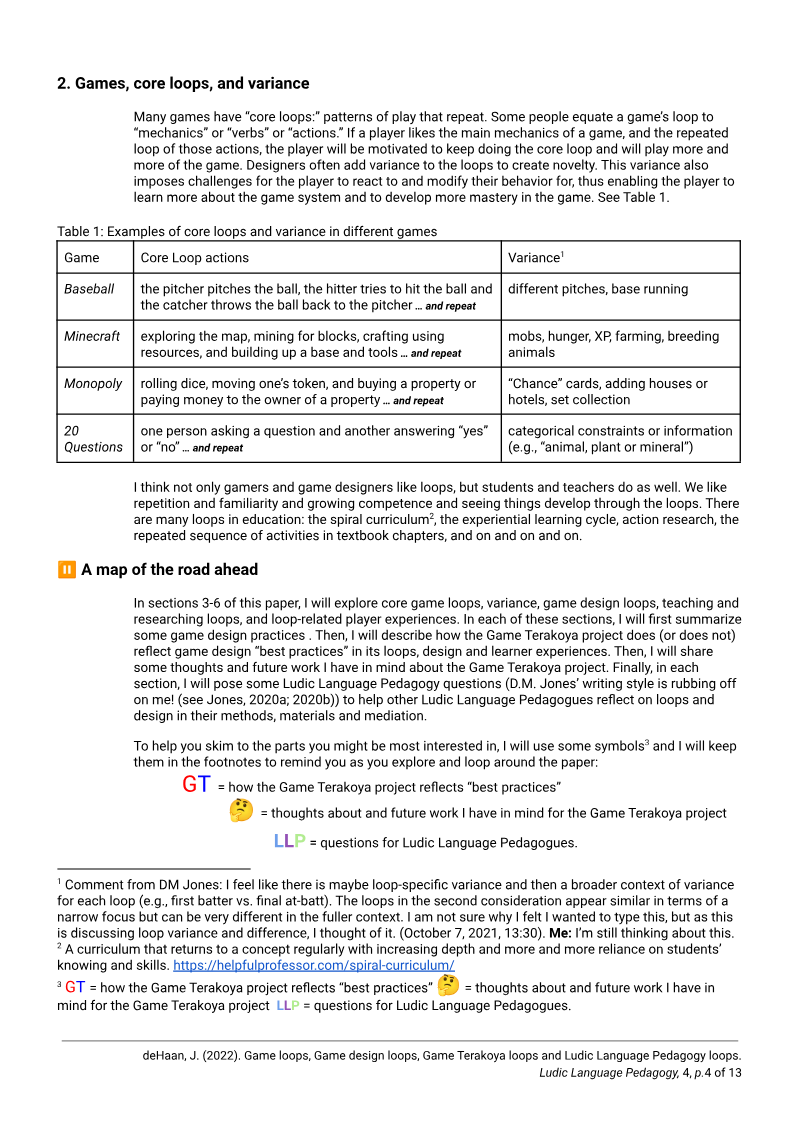
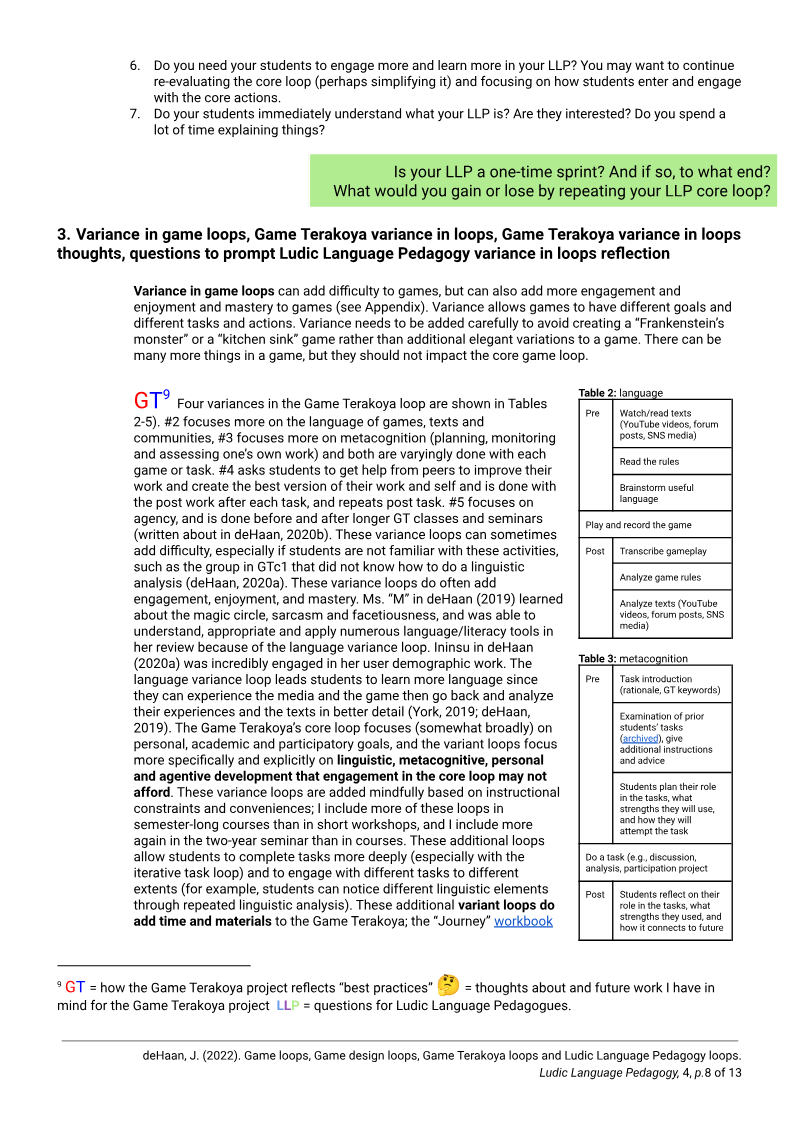
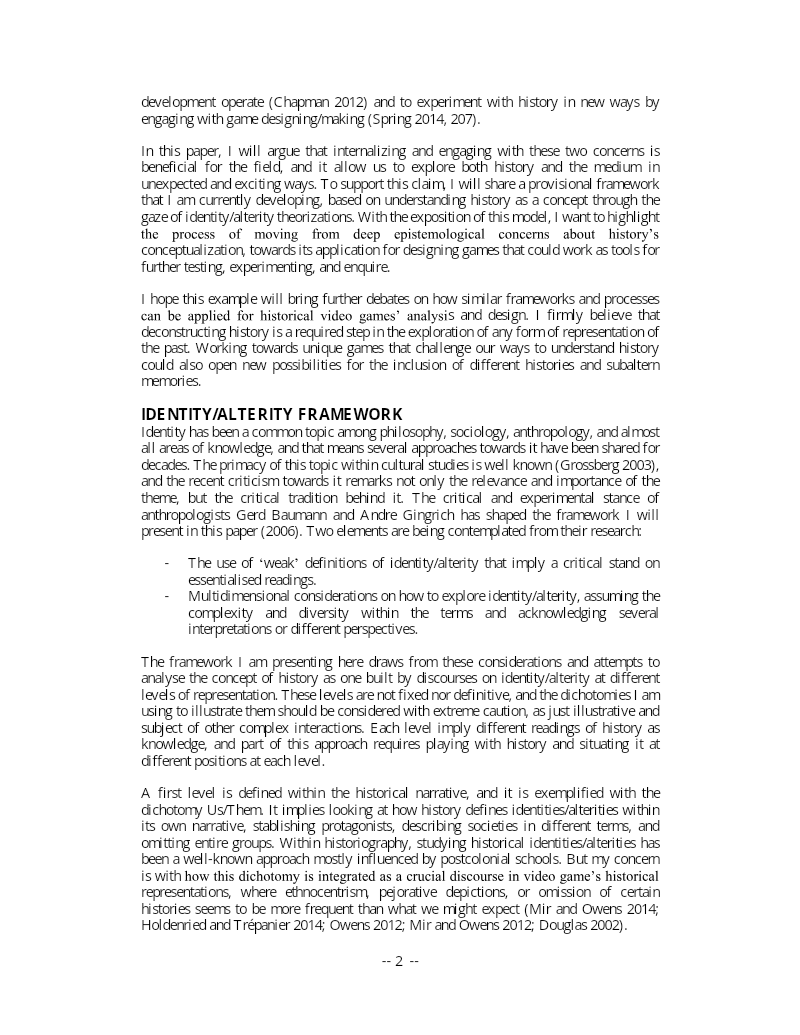
Cultural Pervasive Games (CPGs) represent a transformative approach to visitor engagement within heritage sites, blending digital narratives with physical environments to foster deeper educational and cultural connections. By leveraging pervasive elements such as ambiguity, apophenia, and coincidence, these games encourage audiences to interact with historical spaces in novel ways. The primary objective of this research is to reconcile the disparate priorities of game designers and cultural institutions, providing a structured framework that aligns interactive entertainment with pedagogical goals.
To facilitate this collaboration, a specialized typology categorizes CPGs based on their core functions, such as promoting specific events, enhancing the quality of site visits, or modernizing the public image of an institution. This classification system incorporates unique dimensions, including the social frame and the interplay between material and immaterial content, to account for the complex ways virtual narratives overlay reality. By establishing a standardized vocabulary, this model enables stakeholders to better navigate the technical and conceptual requirements of pervasive design.
The scope of this analysis encompasses a broad evaluation of 12 distinct case studies, primarily situated within heritage and tourist contexts. The findings suggest that the successful integration of gaming elements requires a delicate balance between technological immersion and institutional mission. To support the practical application of these insights, the research advocates for the use of ontology-based digital tools that assist designers in mapping game structures to specific educational outcomes. Ultimately, this framework serves as a foundational resource for professionals seeking to modernize cultural heritage experiences through technology-literate, interactive engagement strategies.