1 free read left. Create a free account for unlimited reading + AI research.
Create free account
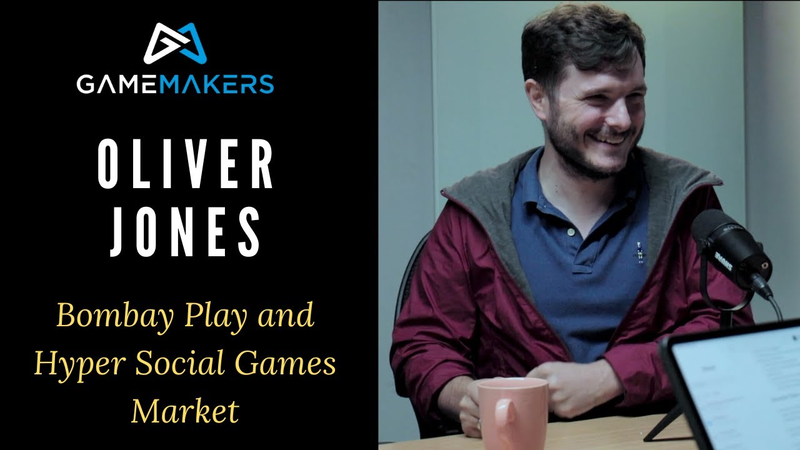
Bombay Play and Hyper Social Games ft. Mr. Oliver Jones
Key insights
6 takeaways- 01The Indian gaming industry is transitioning from intuition-based development to a model defined by high-quality, long-term product sustainability and rigorous, data-driven live-ops experimentation.
- 02Long-term competitive advantage in the global casual gaming market depends less on initial product novelty and more on the quality of team execution and a results-oriented development culture.
- 03Success in the Indian market is driven by a 'hacker mindset' that emphasizes lean operational efficiency, rapid iteration, and the ability to foster community engagement through user-generated content.
- 04Future growth in the Indian gaming sector is supported by a large English-speaking talent pool and a strategic position that bridges Eastern and Western markets.
- 05Hyper-social gaming strategies prioritize network effects by embedding social utility directly into core gameplay, effectively turning games into social networks rather than isolated activities.
- 06Utilizing HTML5 technology and browser-based platforms allows developers to bypass app store friction, significantly reducing user acquisition costs and enabling real-time testing of product-market fit.
Ask AI about this video
Transcript
all right welcome mr oliver jones hello joseph kim we are here with with game makers and today we are going to be talking about your journey here in india and co-founding bombay play so we're basically going to talk about and in summary first how you came to india and why secondly the gaming industry here in india and being an early employee at kind of two of the biggest gaming companies here in india zynga and moon frog and finally founding bombay play and more information about this category which i think you're calling is is it you or is it a is it a wine uh it's more it's more than just me there are a few others okay but we're a small secretive society who are trying to pioneer this space awesome okay so let's start at the beginning and so i wanted to start by asking you
about you know when did you come to india and why and also did your gaming journey start from where you came from and i assume you're are you welsh yeah i'm welsh yeah that's right well done well done that's right okay frederie and kamrai and um and so like did it start in you know abroad or did it start when you came to india uh i mean it's been a lifelong journey in gaming since uh a very young age i think using early tools such as game maker and making the games that i wanted but didn't exist i think the first game i wanted but didn't exist was quidditch you know i was a big potterhead and and so i really wanted to make that game uh made it in sort of game maker turns out jk rowling is a terrible game designer because the rules don't make sense why doesn't everyone follow why doesn't everyone catch the golden snitch you know and the yeah
so that's where i started at a very kind of young age just hacking stuff building stuff and then um it throughout sort of my undergrads and and post grad it was always you know focused on games uh after graduation i so i graduated um brunel university london and then uh immediately from there but almost immediately i worked for a company called state of play for a small while a studio that actually won a bafta for its work for point-and-click adventures okay uh loom and lumino city um and then sort of moved out to india to work for zynga um a very uh very soon after you know yeah how did that happen did did somebody from zynga india reach out to you or were you like looking to try and jump into india for some reason i was looking to jump into zynga okay you know like back in 2010 2011 zynga was like
hot hot hot hot and the as a they were so disruptive everyone all the all the uh core gamers hated them all the social gamers love them uh so as a game designer you know i was driven by making games that people would play right didn't really matter whether they were for myself or somebody else yeah and it it just was immediately obvious like the the mission statement of zynga really rang true to me which was you know why you know everyone deserves great games why does it have to be just people like yourself okay um and that resonated uh i applied um i originally thought i was going to join zynga in i think it was guilford or something at the time but uh it turns out the the position was in india so uh and then when i got the job offer it's like yeah it's game designer great
it's in india by the way but as somebody young and foolish i you know i immediately broke up with my girlfriend and left uh that's how i came to india okay yeah what was that so when you first landed here and started in zynga what was that experience like how did you adjust to life here well i i landed in bangalore with like um about 300 dollars of travelers checks that was the whole that's everything to my name and a nintendo wii in my backpack wow uh yeah but had a job at zynga so that was something and how big was zynga india at that time when you joined uh i think it was less than 100 maybe around 100 okay you could say so very early yeah yeah um worked on a game called yoville which was one of the og oh yeah yeah and that game still runs today wait didn't didn't they buy it back or
didn't yeah they bought i think the community bought it uh i'm not sure what the fate is today but it's alive okay great um and i actually love that game it's just the epitome of i guess hypersocial which is the thing that's uh we're trying to sort of reinvigorate okay uh in in 2022. um and then uh the reason why i came out was because india was known for this place that had like not a great amount of at least at that time not a great amount of design talent so that's why it kind of imported random welsh dudes from london apparently to sort of elite like spearhead the cause and as such sort of being at the right place right time ended up leading a bunch of you know multi-million dollar zinger games that were at the time being brought from you know the us over to india right yeah so what was that like in terms of like if you were to characterize the game industry in india at that time
and maybe how it's progressed to today like why are there any major changes in terms of how the free-to-play game industry has developed and more specific to india in terms of like whether it's like the specialization because you know obviously it kind of started off mainly live ops oriented and that kind of thing but maybe you can characterize how it was then versus versus now i i think it was even back then we didn't know how to run live ops you know we needed a lot of help and thankfully you know there were uh leaders in zynga india uh who had a lot of trust from you know pinkers um and were sort of left to their you know a lot of trusted to run these games independently and there were a whole lot of mistakes games went down bad releases went out um we would be on our laptops um you know the grind was real like
keeping those games alive and keeping the reputation of that team going um was a hard slog i wouldn't say that we entirely mastered the art of live ops but what what we learned really was we looked live up to the zynga way which was driving revenue every week like what are you doing what is the feature this week that will give you that extra five ten percent that you can show in your product review next week that's the that was the frequency of releases we were doing and that's the pace we learned to run at um what that meant was that we didn't really have much time to think of the long term um we did start building out bold beats uh but i've i i feel that that's where our inexperience started to show okay like when when you start trying to build these uh you know it we're trying to innovate
uh in a live ops scenario um and you you misread your audience i mean your audience is halfway around the world how are you supposed to know what they like what they you know we didn't really have the player council set up properly uh they i mean zynga today obviously has sorted out a lot of these problems but back then it was very raw and we just did what we thought was best and ended up spending a whole lot of time on features that went nowhere um or releasing very janky features so some of our best successes were actually like sales pop-ups that the where the exit button wasn't working for some reason and you know uh things like this so but um where where we are today though i think we have more people with actual building like from scratch experience okay and they know what it takes to build a higher quality product from the very beginning and
you know it's not really a culture anymore of trying to get those quick wins um even though like uh i'd say at the beginning of moon frog quick wins was really it was really our strategy because uh we ran out we were running out of money quite fast so we you know we ended up quote-unquote fast following a bunch of things um but uh these days you have more mature teams who are dedicating the time and the patience required to build a good quality product now that being said uh still way behind i think where we need to be okay um but thankfully we have people like maybe you and your team and bombay play trying to spearhead the effort um and the people with the time money and patience to to you know develop world-class games from india and not to linger too much on the past but certainly zynga had
a pretty profound impact on the indian game development ecosystem right from zynga a bunch of people left and started companies like moon frog and bombay play which you were a part of both of those as well as a number of other gaming companies here and moon frog is also one of the success stories here in india in you having been at both of those companies could you talk about maybe a little bit how those companies were as far as like if you were to compare a contrast culture maybe if you could talk about some of the things that they did well okay so the reason for these companies sort of splintering out from zingo was really a matter of that we just grew enough comfort we grew like enough confidence inside of zynga and we didn't see we didn't see that there was anything that they were doing that we could not do ourselves you know um i'm sure we've we've all been in that situation where
your boss is kind of halfway around the world and telling you you can't do things and sooner or later you get disgruntled and uh and i've been in that situation several times like i work for glue mobile as well here in uh in hyderabad actually okay um but um it was a matter of just getting the confidence and taking the plunge i think the speed i think back in the day i'm not sure if it's still a mantra thing about zynga speed that was the uh uh that was the saying and we really live by it like product reviews every week is no joke that's a lot of overhead there's a lot of work right uh you'd have typically one or two product managers just doing the reviews um and just presenting the work that was done um and carry what that really helps is give you an entrepreneurial mindset to gaming and uh you know what the best practice you know what like what the best in class are doing
and what you need to do to get there right so when we started of course product reviews every week isn't practical especially when you have no product out there but setting that sort of cadence um get having something to show play testing frequently uh pushing pushing to sort of arrive at a conclusion a new direction um every single week or every bi-weekly really allows you to move fast and i think you see that dna in a lot of companies here so um it's why you also see people trying to more hyper-casual developers maybe exist in india because of this reason right uh because we've sort of could have been trained to be hackers and trained to sort of uh keep experimenting as if it was sort of a liveops setup you could say where would instead of releasing new features on a live ops game we're
releasing new games all the time and sort of through scientific process figuring out what works and what doesn't scientific process i'd say is the second thing um it's uh we did not we miss we learned to uh mistrust our own instincts okay and listen to the market um in fact to say that you have strong conviction about something was often frowned upon like how can you have conviction yeah we need something more than conviction here um so we really learned to follow the data okay and so when it came to launching new games uh i think the just the ruthlessness and of sort of seeing how that game is doing right from a retention and monetization point of view and arriving at a quick conclusion um and i think you those of us from zinger who started our companies that's the culture you'll kind
of see very results driven very scientific um and sort of hyper aggressive and in our pace so i guess all of these things combined we just want to sort of tell the world we're making games in india and we're coming for you you know we're learning faster damn it right we're also failing a lot but we're learning faster and sooner or later we're inevitable yeah so speaking more about the india specific market if you were to kind of characterize what's good and what and you kind of touched upon some of the advantage of the indian gaming market but like where where do you see left to go what should the indian gaming ecosystem or the developers here what do they need to learn to improve to become more successful um that's a that's an interesting question and i wouldn't necessarily uh make a blanket statement for everyone because there's like situational in india is such a big place
it's you have as many cultures in india as you do in europe okay um and i think when you look at gaming companies as well there is just people operating in all manner of ways right uh you do have a few teams who are trying to build huge projects that may never see the light of day um and you do have many teams who are thinking very short term paid like almost paycheck to paycheck in the services industry for example yeah um i do i do wish that the especially those who are starting this you know service-based companies who are doing really great sort of work for international well international gaming companies uh in fact a lot of even aaa games get a lot of their services done through service providers in india um i mean here in bangalore you have sort of the rockstar folks who are working on big you know really big uh
scale games and they they have developers they have artists they have technical artists they've got the whole shebang pretty much other than the design um operating out of it they may even have to design a lot 100 but um i do wish that the service orientated studios do go out do figure out a way to work on their own ip and get out of the service driven model into a recurring sort of gaming studio driven model i think that would drive a lot more innovation got it um although services is a great it's great for jobs it's great for stability um but it's not so great for innovation which is homegrown um i guess that's what i hope generally india becomes more well what we see more from india and future so maybe now we can shift to bombay play
so you recently well maybe we could just start from the beginning like why did you start the company what did you see in it and um i know you recently raised some capital as well so maybe you could talk us through the current history and trajectory of the company yeah so bombay play so i guess uh moon frog i was also a co-founder there and uh you know that company went through seat in series a uh but i felt like i always had this ambition of building games in india for the world um and that's really where the idea of sort of bombay play germinated um now bombay play was started just over three years ago we've again done seed in series a so it's been a one hell of a ride um the objective of bombay play well also the objective of moon frog in
some way it's to address uh address the red ocean problem in gaming uh even back in 2015 when we started moon frog we felt like we couldn't compete because there were so many games in all in like pretty much every category um so many great games in in each category and we we were seeing that marketing channels were getting expensive so back then we decided to look at the indian audience and catered you know content for them it was an underserved audience and that worked uh what bombay play is trying to do is take some of the lessons that we that were learned through developing for india through the world and that's this idea of making games that focus on network effects okay and that's the uh that's what we're calling the genre of hypersocial okay um which is just games that focus on network effects games that
are built less like ice cream which is a great single player experience and more like pizza which is best shared with friends um so it's a you could say it's more of a product strategy right um i think every gaming company every gaming company says that they'll leverage network effects and it's important for every company's success but when you start asking people how exactly are they pushing network effects this is often no answer like it's this ethereal like uh concept that well with scale we'll get more people to play um and i what we've seen is that not many people have really thought through how to design their content for uh i guess how does your content become like a social network right um so can you give us an example of how you do that at bombay play or for one in one of your games sure so this is first of all you need to pick a genre which is sort of intuitive to play with
other people okay like social isn't something that you should slap on top right it has to be there from the from the very core right so um one of our first games uh it's called card party it's a card game um this is it's intuitive that you would sort of invite people to play a card game with you and during the peak of the sort of pandemic this was a big hit for us um and a lot of the people would play like oh i love this game because i can play with my kids play with my um you know play with my grandparents whoever play with my friends uh it was the kind of game that is the experience is enhanced you know um through uh through invites and secondly we build our games on html5 first okay so sharing a game like sharing any one of bombay plays games is as simple as copy and pasting a link okay so if i'm playing a card game
i can just share that link with my friend on whatsapp or whatever um and they can just click on that and jump into my game be in the same context as me and play right now so for you your games are not mobile apps they're html five games if i'm playing on the phone you're playing in browser is that yeah correct okay um that's how we start and that's how we build what we call our atomic networks like uh we our main objective is to get to a point where there is a small community in your game that really sticks if you have a bad game that's never going to happen right uh the content is king after all uh so no matter whether you develop it on h5 or make it inherently social uh it doesn't you know content if it's not good and people won't play okay right so it's really so what we're calling hypersocial today is yeah games that are designed to be better with your friends
or you can advance further with them or the fun is enhanced and they're much easier to share and by leveraging whatever technologies we can find so that's also why we've been doing a lot of experiments on social networks like facebook uh because it really um you know if if a social game exists on a social network it kind of makes it removes the barriers to access it so how is facebook gaming or instant gaming doing because i remember there was a period when people thought that would be the next big thing i know i've worked on a number of projects on instant gaming and like the retention was just trash yeah it was just so hard yeah i guess would you regret more [Laughter] but yeah so instant gaming these days i would categorize it as a very advanced ad
okay right um it's an ad which monetizes itself and it allows you to cross promote your most engaged users to your apps okay yeah um it's an ad that sort of also re-engages people for free okay so yeah we we try and build these games on instant kind of first test them out okay uh see if they have that core audience and then if the basic num like yeah the day one is trash but if you are able to retain people beyond day one sort of what is your return rate up until day 30 and you know what does that look like then you can tell whether your game really has a product market fail or not okay so if you're launching on instant first and then the game is playable anywhere so you know web browser mobile phones uh mobile phone browser things like that how do you get distribution or how do you
you've created a game then how do you market it from there sure so there are the traditional methods uh that i think everyone's using you can just market it like normal um to a web url yeah to a web url i mean that's not nothing new to promote a website versus a you know um but also there's cross-promotion um from facebook instant okay which is also very effective um it it's like you can just uh you can the great thing about h5 is that you can acquire users at like a tenth of the cost there's no install right the day one is low so there is a balancing act you need to figure out but um you can really it's literally sense you can acquire users for um and it's also you know it it's a channel which isn't as saturated as like app store marketing okay and is it easy to monetize based upon these kind of kind of games or is it more ad-based advertising it's super
tough it's super tough to monetize and um but really what you're looking at is like what is your cross-promotion ltv and that's how you uh that's how you turn out positive at the end of the day okay yeah cool is there anyone working on a solution for like html5 iap monetization is there something out there or is it you can use whatever you want really that's the beauty of it like it's if it's a web page then what do you whatever you want like direct bank transfer baby let's go what app store fee okay yeah and so the i guess now that you've been doing this for three years you raised some capital um and so what's the plan to continue to build out these games what's the kind of longer term strategy for bombay play um it's really to make games the next social network we think like a lot of games today
um well let's talk about the ultimate goal is to disrupt casual gaming as we know it um casual gaming it does have some very social experiences there but we from what we've seen of the market the vast majority of games are still very much single player and all what we call low social um wherein sort of you install the game and you have to play for a long while before you get to the multiplayer bit and then maybe you can invite your friend who also has to download the game play to where you are and then you can match make um they we think there's this space is sort of ripe for disruption um especially like maybe the simpler games that uh you know lots of people who don't even consider themselves gamers play who have have zero social features whatsoever so that's kind of the low hanging fruit we're going for first okay yeah and is is tick tock uh a channel for you guys because i
remember hearing about an html5 game blowing up and it kind of got blew up because of some some tick tock or something like that but uh tick tock is an interesting channel but what and so is snapchat to be honest these are all instant sure platforms but um i think we're skeptical to be honest uh tick tock is sort of inevitable we think because you know uh if you have a big user base and then games on that platform and then you already have monetization sort of figured out it should work but as a game developer you have to sort of think about stop and think how much does the company that owns this content really prioritize gaming yeah i wasn't i wasn't speaking more as a gaming platform but like some tick tock video of a html5 game kind of blew up and then that led to a lot of right and there's been some great examples of this by the way like wordle okay that's a browser game right oh okay and
that's and we're all together we're all trying to solve one puzzle it's a social experience right but that game didn't really have a i guess a social network around it sure so you can really think no like you can really describe wordle as a low social game that people socialized over twitter or like somehow made that those connections and whatsapp groups and these own their own insular groups but a hyper social game would really build a community within the game itself okay or maybe even allow people to make their own puzzles and share it with their friends to solve you know like design the design of the game at the core has to be social right got it okay um and maybe one other question i can ask you is what's what's your outlook for indian gaming development like what how do you think about india and the future of gaming here yeah i would i would categorize it as inevitable okay it's inevitable like uh with the population what it is surpassing
china right like why and the amount of investment that flows into india bangalore particularly highest gdp growth country exactly like india just has and gdp growth is no joke as soon as when a company is growing at the speed of india it takes a lot to slow it down right it even like the the large sort of macroeconomic situation where we both find ourselves in today india is it just grows its way out of it um you sure there are in nc um you're seeing a lot of uh company well a lot of you guys call them come a lot of countries actually get swallowed up by debt uh and uh by i guess instability but india is not in that category um it's it's just it has such a strong economic machine that it's uh it's relatively stable in this sort of part of the world
and it's also a great sort of balance between east and west i find uh like a large english speaking up like population but also like the culture is kind of east leaning at the same time um it's like it's well situated to sort of perform well and it already has in many uh many industries and a lot of sort of silicon valley silicon valley ceos are indian and you know imagine if that talent stayed in india you know imagine how many great companies would come out and i think that's starting to happen um the the opportunities especially in the startup world are just becoming so well the the outcomes become so much greater that it really does become a uh more of a less of a no-brainer to move out to sort of europe and us yeah silicon valley is not not the same yeah
all right so actually let me ask you one one final question then um since we're here we're in india there's a lot of entrepreneurs uh in india in bangalore a lot of people who want to start game studios what advice would you give for them to kind of follow the path like you have co-founding moon frog and bombay play now um i i think uh foolishness really helps don't overthink it um and there's no real right time you just need to be in the market when the opportunity to uh execute comes up so there's some so you don't need to immediately start a company with a great idea is my personal sort of approach you need to have a gaming company already with a team able to execute so when the opportunity when you see that opportunity come up finally you're able to jump on it right um so yeah i guess uh it it's like there's
a famous saying like uh you know a great idea has to find you working right so if you're locked inside some big mnc style company and you have a great game idea and you're not able to execute well there's not much you could do about that but if you're in the fields there's a lot you can do so get into the arena yeah so get into the arena and don't i think don't worry about your salary i guess for the first few years uh it's not going to be the same but uh you know you especially i think we're talking about india specifically so you'd like living in bangalore is a little bit more expensive but you can make your own games you can start your own team on a very low budget right right if you lower your standard of living for a while you can start on on nothing like moon frog started with i think the equivalent of i think i'd i would say ballpark sixty
thousand dollars wow that was the whole budget like when we started it was just like to well ten lakhs each yeah that's what we put in and that was it um and we were able to build a company that exited for 100 million you know um people think that they need a lot of capital to start but it's not that's not entirely true either you can start with a core team like bombay play we also just started with three guys okay uh just working away card party was came out of that team of three um and and from then on we decided to raise money etc like i think the budget for starting bombay play was probably even lesser than it was for uh for moonfrog so yeah it you really don't need a lot you just need the knowledge i guess so um and from that i think there's a great community out here especially in bangalore i will say that's absolutely the case the bangalore
game community is very very friendly very welcoming yeah and so yeah if anyone's listening to us who wants to join so i the link in the description [Laughter] come say hi we meet up every month and yeah sounds good all right guys there you have it we are here with mr oliver jones and uh we'll catch you next time thanks everybody [Music] you
Summary
The Indian gaming industry is undergoing a significant transformation, shifting from a focus on rapid, intuition-based development toward a model defined by high-quality, long-term product sustainability. This evolution is rooted in the rigorous, data-driven cultures established by early industry pioneers who emphasized weekly product reviews and constant live-ops experimentation. While the ecosystem has matured, the foundational hacker mindset—characterized by rapid iteration and lean operational efficiency—remains the primary driver of success for modern studios operating within the region.
Central to this shift is the emergence of hyper-social gaming, a strategy that prioritizes network effects by designing experiences that function as social networks rather than isolated, single-player activities. By leveraging HTML5 technology and browser-based platforms, developers can bypass traditional app store friction and significantly lower user acquisition costs. This approach allows studios to test product-market fit in real-time, fostering community engagement through mechanics that encourage user-generated content and seamless sharing. By moving away from external social platforms and embedding social utility directly into the core gameplay, developers create more resilient and sticky products.
The outlook for the Indian gaming sector remains highly optimistic, supported by robust macroeconomic growth, a vast English-speaking talent pool, and a unique cultural positioning that bridges Eastern and Western markets. Future success in this landscape depends less on the novelty of an initial idea and more on the quality of team execution. Aspiring entrepreneurs are encouraged to adopt lean methodologies, focusing on active participation in the local gaming community and maintaining a results-oriented development culture. As the industry continues to scale, the ability to build inherently social, data-informed experiences will be the defining factor for studios aiming to disrupt the global casual gaming market.