1 free read left. Create a free account for unlimited reading + AI research.
Create free accountArticle DiGRA
1 free read left. Create a free account for unlimited reading + AI research.
Create free accountArticleDiGRA
The paper argues that high urban violence in major American cities, amplified by mediatization, linked those cities with violence in both North American and global social imaginaries.
This paper examines how 1980s beat 'em up video games drew on the social and cultural imaginaries of their era, particularly anxieties about urban violence in major American cities, and how intermedial ties to Hollywood cinema shaped their themes and design. Building on Óliver Pérez Latorre's concept of the ludonarrative imaginary and Cornelius Castoriadis's notion of the social imaginary, the work argues that games such as Nekketsu Kōha Kunio-kun (Renegade), Double Dragon, Final Fight, and Streets of Rage were not accidental products of a popular genre but emerged from a dynamic feedback loop between lived social conditions and mediated representations. The authors trace the genre's origins to Renegade, released in 1986, and situate its development within a series that grew to more than fifty releases across platforms.
The historical grounding centers on the high levels of violence in U.S. cities during the 1970s and 1980s. New York City recorded its highest number of criminal incidents in 1980, with a homicide rate roughly three times that of 2020, and these numbers did not begin declining until the early 1990s. The authors argue that this reality, amplified within a mediatized society, consolidated an association between major American metropolises and urban violence in both North American and global social imaginaries. Parallel waves of films such as Death Wish, The Warriors, and Streets of Fire reinforced these themes, and the paper treats cinema and games as mutually influencing narrative media rather than isolated domains.
The central explanatory question concerns why such games were developed largely by Japanese studios rather than American ones. The paper proposes that Japan's very low crime rates in the 1980s may have fostered fascination with American urban imaginaries, and that the strong box-office performance of Hollywood films in Japan, further amplified by rapid VHS availability, deepened this intermedial relationship. The analysis suggests that titles portraying American cities overtaken by gangs, in which a lone or cooperating protagonist restores order, reproduce cinematic tropes and reflect this transnational appropriation of symbolic capital.
DiGRA · 2026
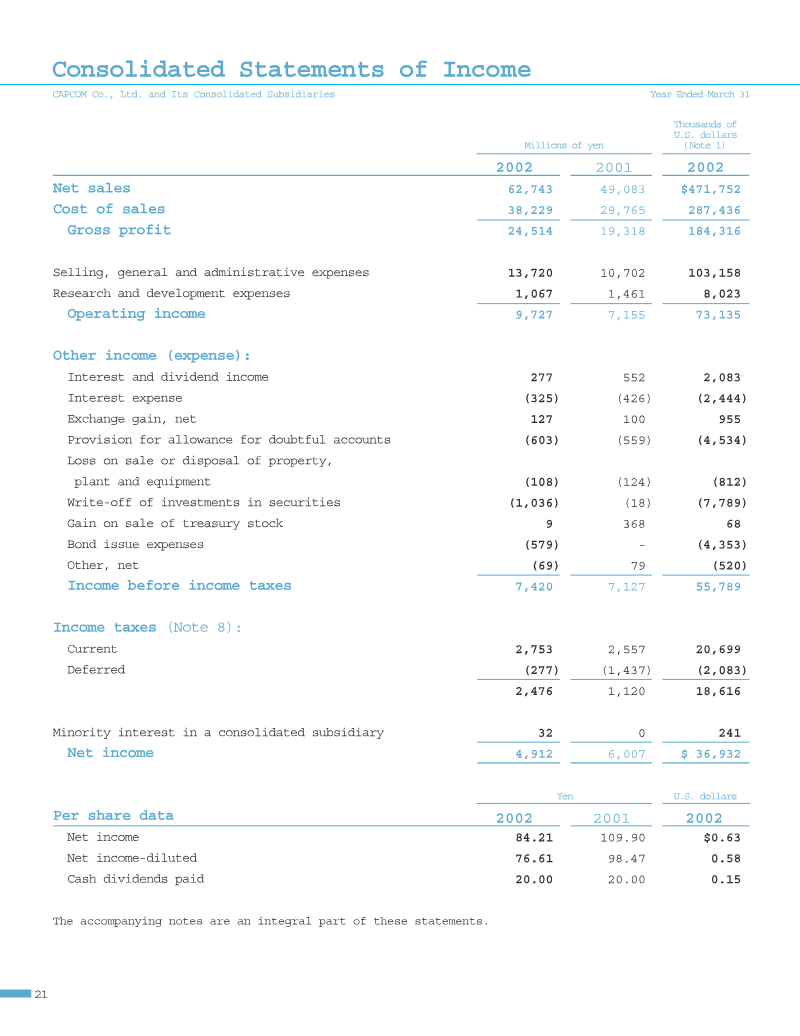
Capcom