1 free read left. Create a free account for unlimited reading + AI research.
Create free accountFinancial report Capcom
1 free read left. Create a free account for unlimited reading + AI research.
Create free accountFinancial reportCapcom
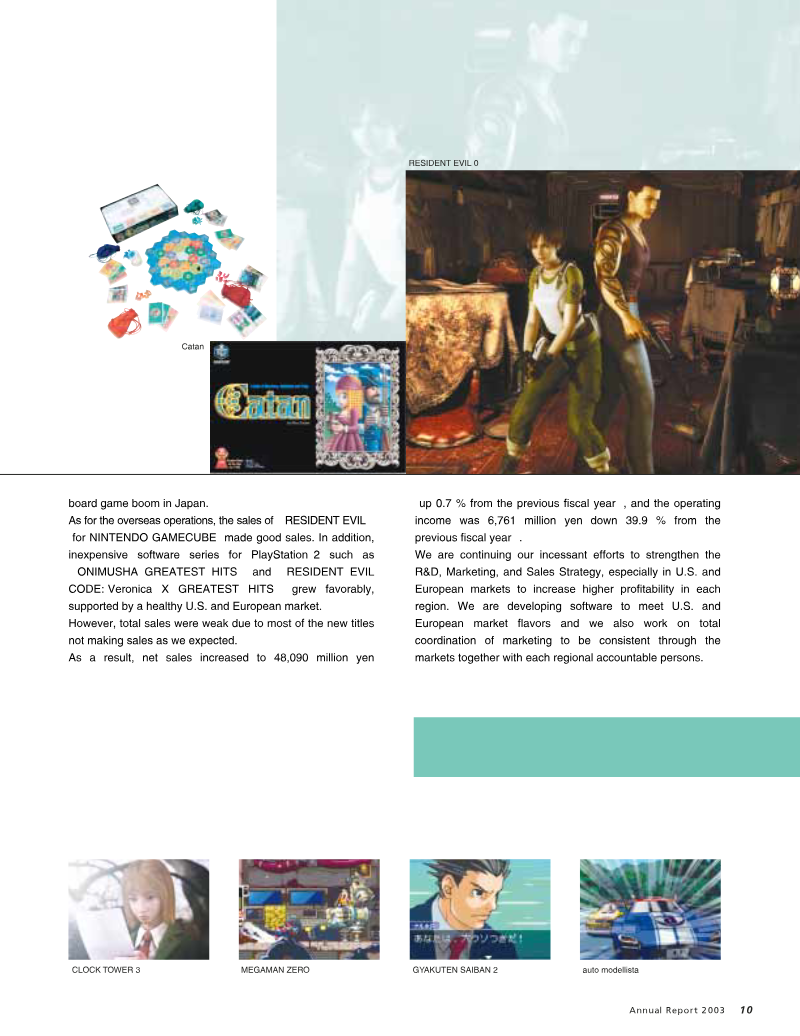
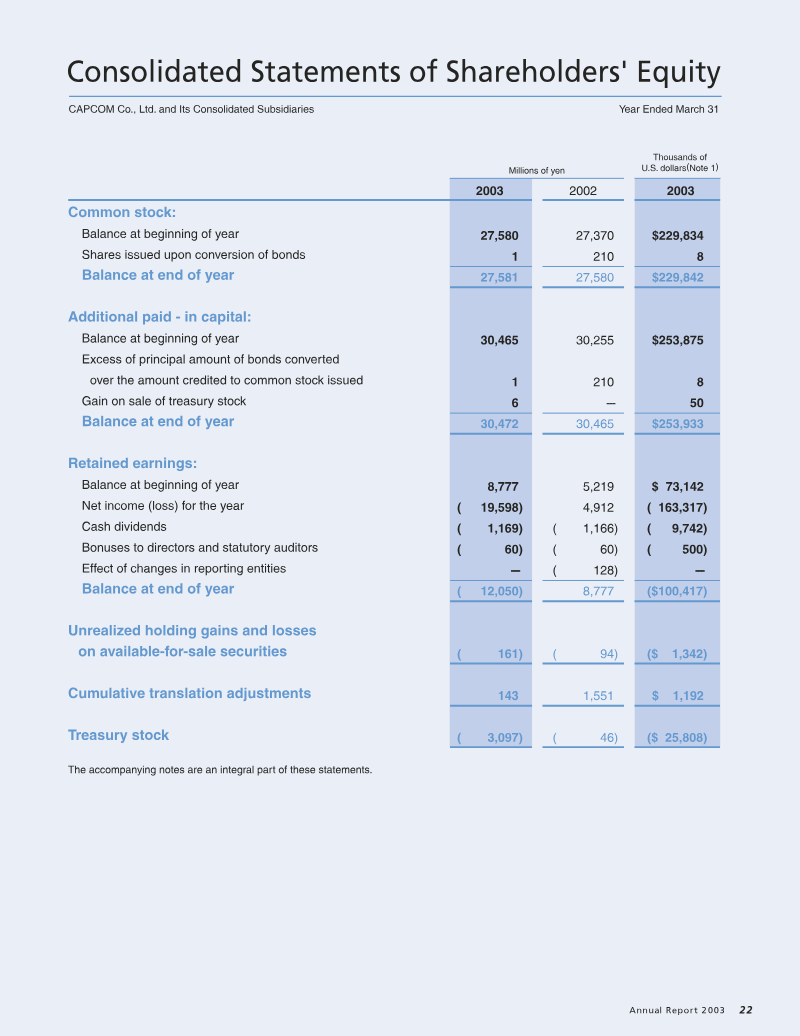
Capcom experienced a period of significant top-line growth during the fiscal year ending March 31, 2002, as consolidated net sales surged by 27.8 percent to reach ¥62.7 billion. This expansion was primarily fueled by the robust performance of the home video game division, anchored by the commercial success of major titles such as Onimusha and Devil May Cry. While the arcade operations segment also contributed to this growth through improved facility management, the arcade manufacturing sector faced substantial headwinds, resulting in a 42.3 percent decline in sales and an operating loss. Despite the strong revenue performance, net income fell by 18.2 percent to ¥4.9 billion, a decline largely attributed to extraordinary appraisal losses on investment securities.
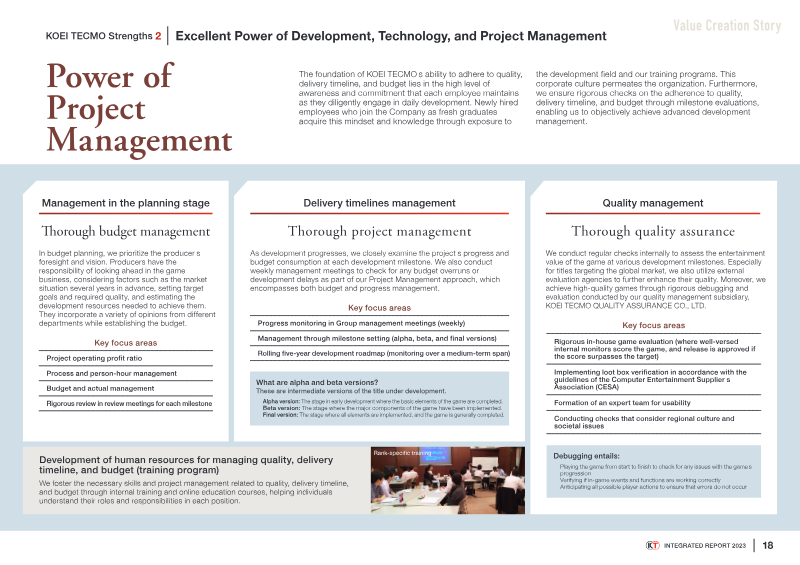
To navigate the evolving console landscape and rising development costs, the company adopted a multi-platform strategy and implemented a rigorous title-based profit control system for its producers. These operational adjustments were complemented by a restructuring of business and geographic segments to enhance reporting transparency across its global operations in Japan, North America, and Europe. The company’s financial position remained stable, with total assets increasing to ¥128.5 billion, supported by a strategic shift in long-term debt structures and bolstered cash reserves.
The company’s long-term financial obligations, totaling ¥37.4 billion as of March 2002, consist primarily of convertible bonds maturing between 2005 and 2009. By streamlining unprofitable operations and focusing on high-performing software franchises, the organization sought to mitigate the impact of a sluggish domestic arcade market. These efforts, overseen by the corporate leadership team based in Osaka, reflect a broader transition toward a more disciplined, globalized business model designed to sustain long-term profitability in an increasingly capital-intensive industry.


Capcom · 2026

Capcom · 2026
Capcom · 2026

Capcom · 2025

Capcom · 2025
Capcom · 2025
Capcom · 2025
Capcom · 2025
Capcom · 2025
Capcom · 2025
Capcom · 2025
Capcom · 2025
The Game Business · 2025