1 free read left. Create a free account for unlimited reading + AI research.
Create free accountFinancial report Sega Corporation
1 free read left. Create a free account for unlimited reading + AI research.
Create free accountFinancial reportSega Corporation
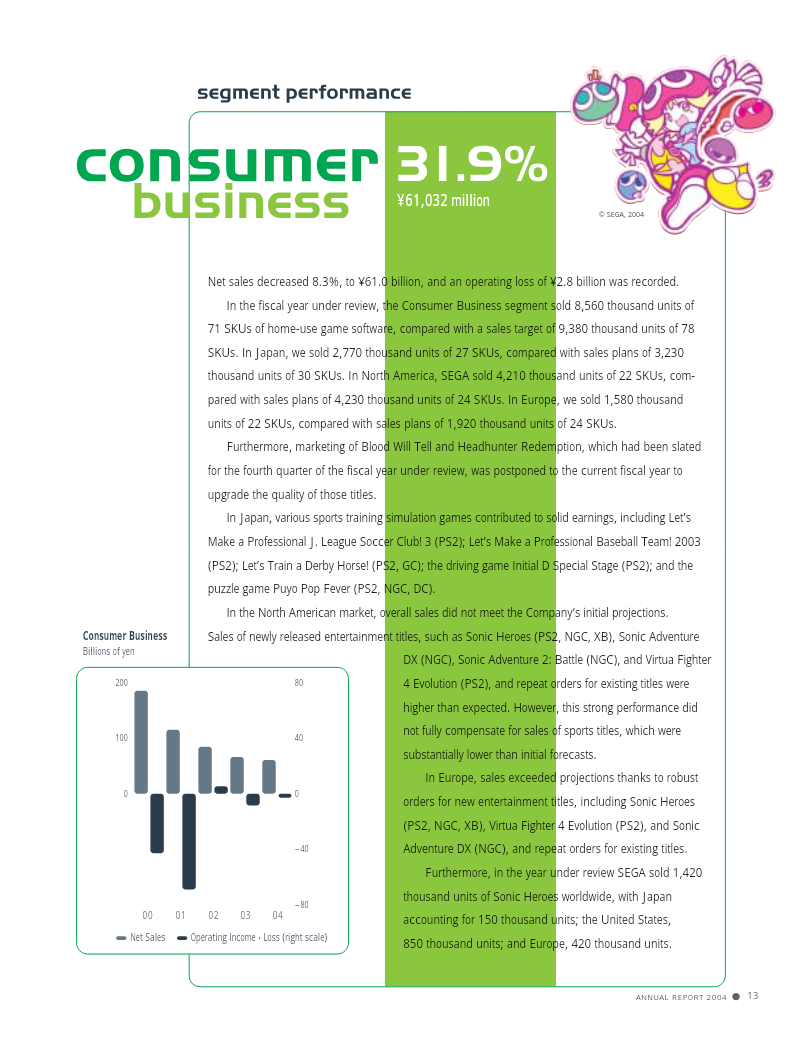
Fiscal year 2001 marked a pivotal and tumultuous transition for Sega Corporation as the company formally exited the hardware manufacturing market. The primary thesis of this period was the abandonment of the Dreamcast console in favor of a new identity as a multiplatform software developer. This strategic pivot was necessitated by severe financial distress, evidenced by a net loss of ¥51.7 billion and a 28.4% decline in net sales, which fell to ¥242.9 billion. The consumer products division served as the primary driver of these losses, burdened by massive inventory write-downs and the costs associated with discontinuing hardware production.
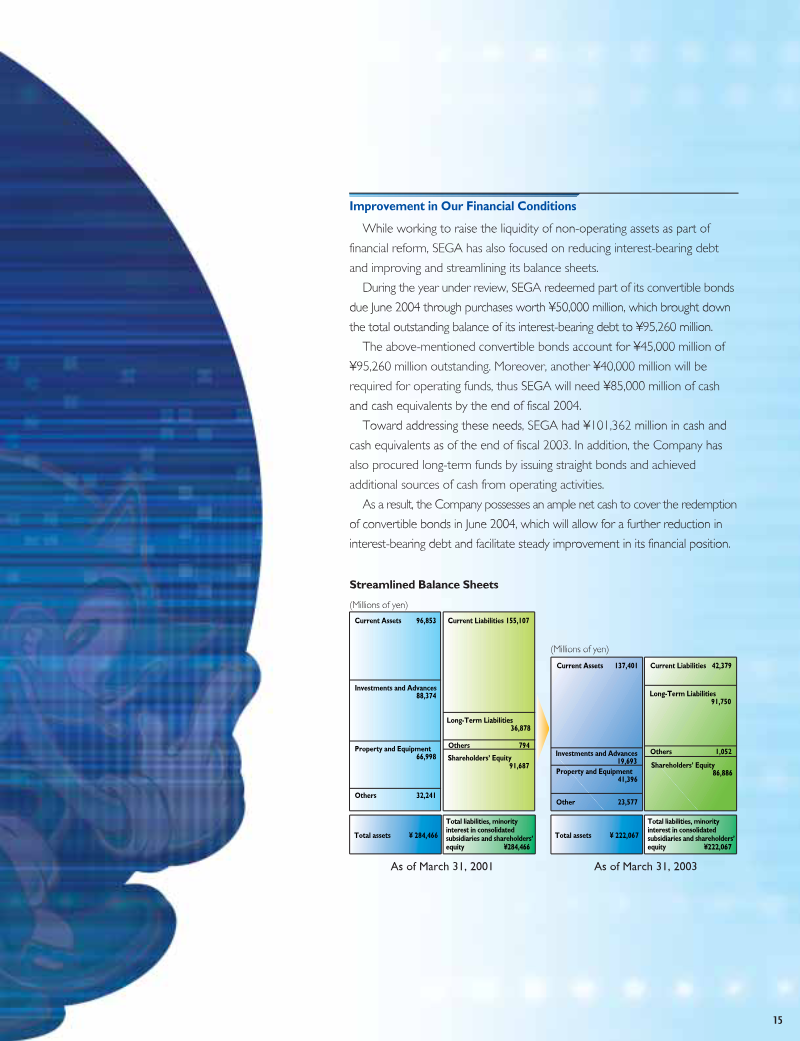
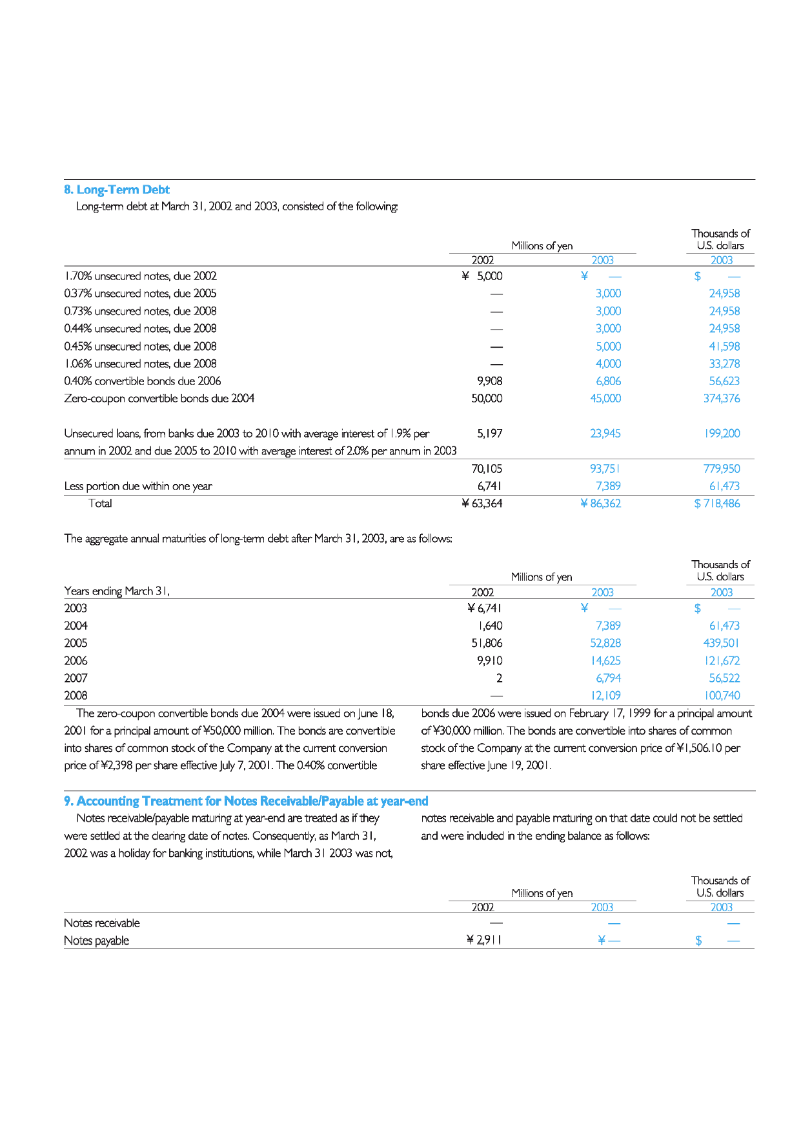
To stabilize its balance sheet and facilitate this structural transformation, the company underwent significant financial restructuring. A critical component of this recovery was a ¥77.9 billion donation of personal assets from the late Chairman Isao Okawa, which provided essential capital alongside a new issuance of 36 million shares of common stock. These measures were vital to offsetting operational losses and addressing a sharp decline in cash equivalents, which shifted from a positive balance of ¥98.3 billion to a negative position of ¥37.6 billion by the end of the fiscal year.
Looking toward the future, the company established a medium-term objective to achieve a 15% return on equity and positive free cash flow by fiscal 2004. This recovery plan relies on maximizing core intellectual property, such as the Sonic the Hedgehog franchise, and expanding into network-based amusement and mobile content. Operating as an affiliate of CSK Corporation, the company has streamlined its global operations across Japan, the United States, and Europe, adopting updated accounting standards for financial instruments and post-retirement benefits to ensure greater transparency as it pivots toward a software-centric business model.

Nintendo · 2026