
The live service gaming landscape in 2025 requires a fundamental shift in how developers approach monetization, market timing, and long-term sustainability. Success in this increasingly crowded sector depends on moving beyond traditional engagement metrics to focus on building resilient ecosystems that can withstand shifting player expectations across both mobile and core gaming platforms. Developers must prioritize sustainable development cycles that prevent burnout while maintaining the high frequency of content updates necessary to retain a modern audience.
Effective monetization strategies now demand a more nuanced balance between player value and revenue generation. Rather than relying on aggressive, short-term tactics, the most successful live service titles integrate their economic models into the core gameplay loop in a way that feels organic and rewarding. This approach is critical for maintaining player trust over several years, which is the primary driver of lifetime value in the current market. Timing also plays a pivotal role, as the window for capturing market share is narrowing, requiring studios to be more strategic about launch windows and competitive positioning.
The transition toward 2025 emphasizes that live service is a long-term operational commitment rather than a product category. By focusing on scalable infrastructure and community-centric design, developers can navigate the complexities of the current market. The insights provided suggest that the future of the industry lies in the ability to adapt to rapid technological changes while keeping the player experience at the center of every design and business decision. This strategic evolution is essential for any studio aiming to achieve longevity in the competitive live service arena.

Game Developers Conference · 2026

Game Developers Conference · 2026

Game Developers Conference · 2026

Game Developers Conference · 2026

Game Developers Conference · 2026

Game Developers Conference · 2026

Game Developers Conference · 2026

Game Developers Conference · 2026

Game Developers Conference · 2025

Game Developers Conference · 2025

Game Developers Conference · 2025

Game Developers Conference · 2025

Sensor Tower · 2026

Sensor Tower · 2026
Liftoff · 2024
Rendered VC · 2023
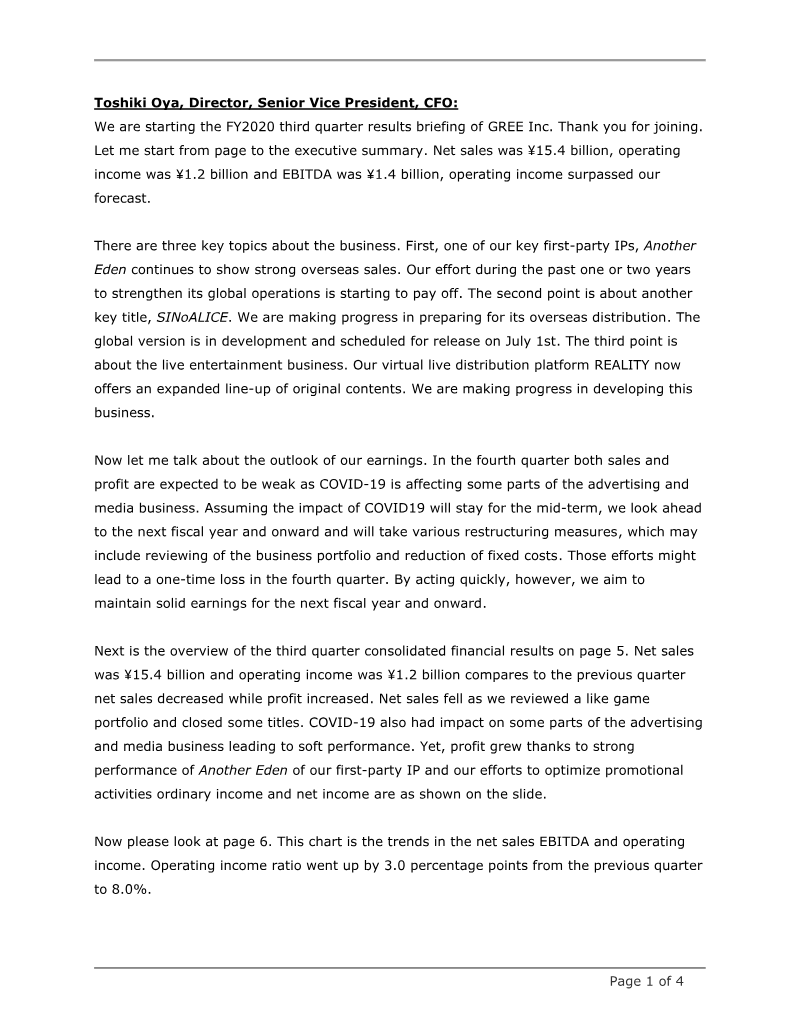
GREE Inc. · 2020
Stillfront
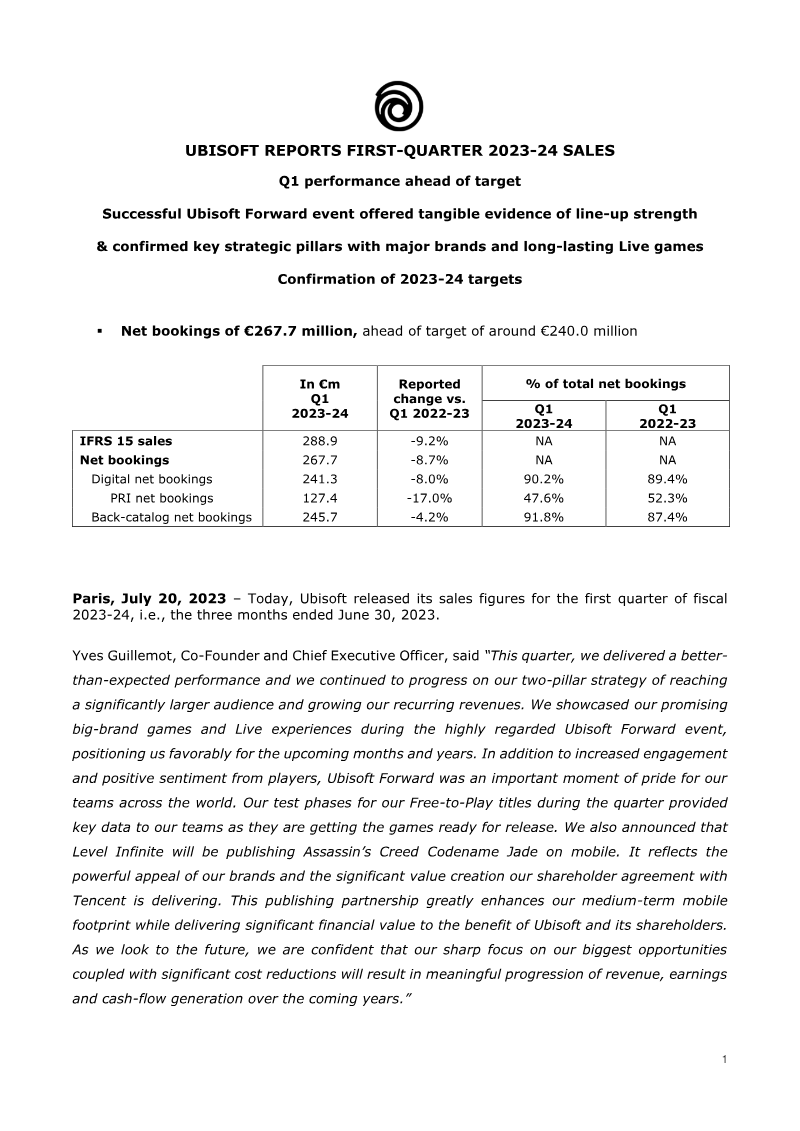
Ubisoft
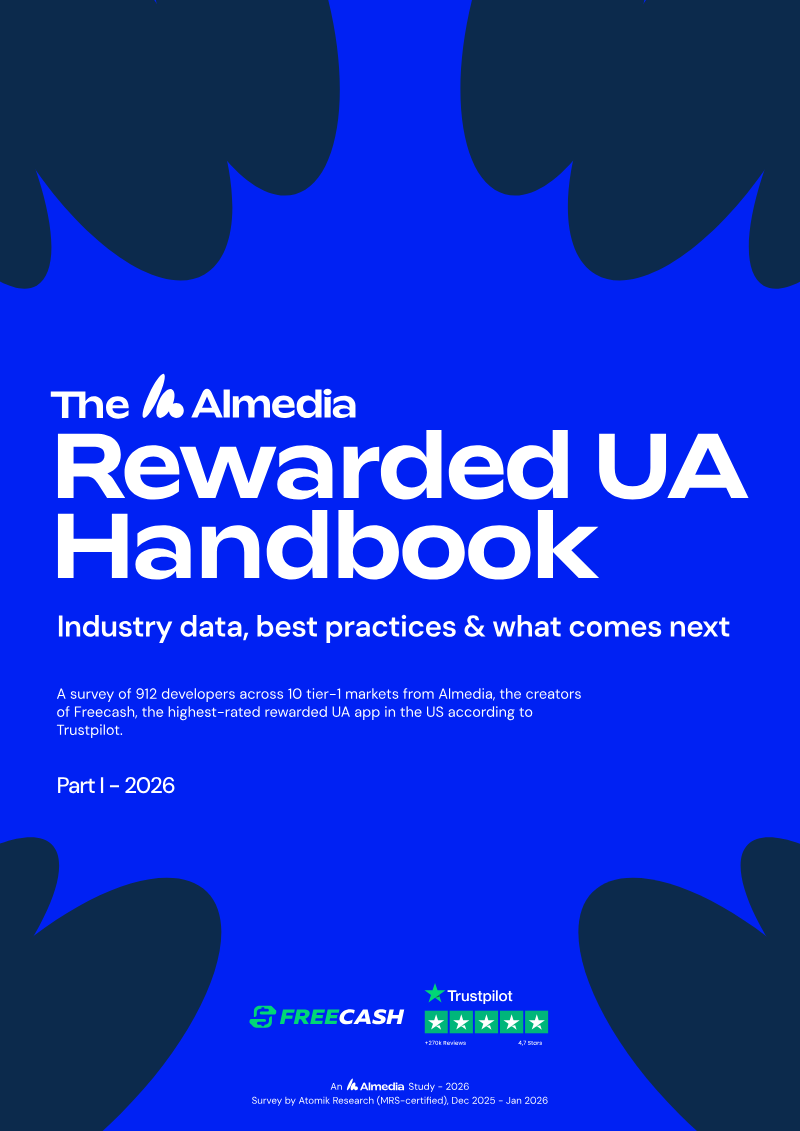
Almedia · 2026
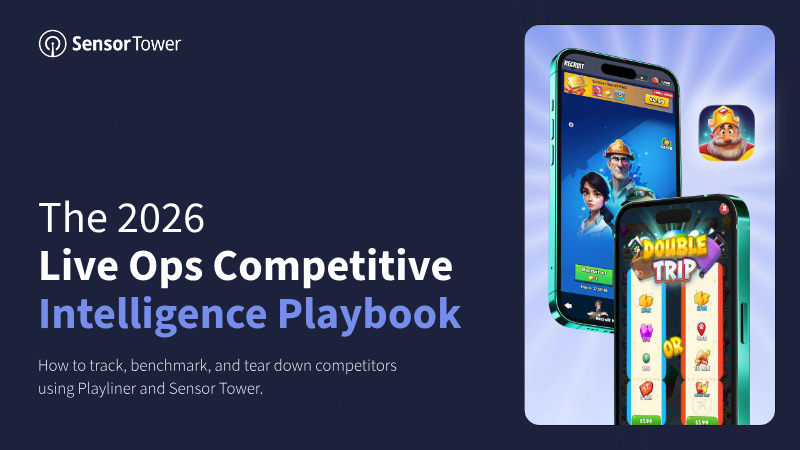
Sensor Tower · 2026
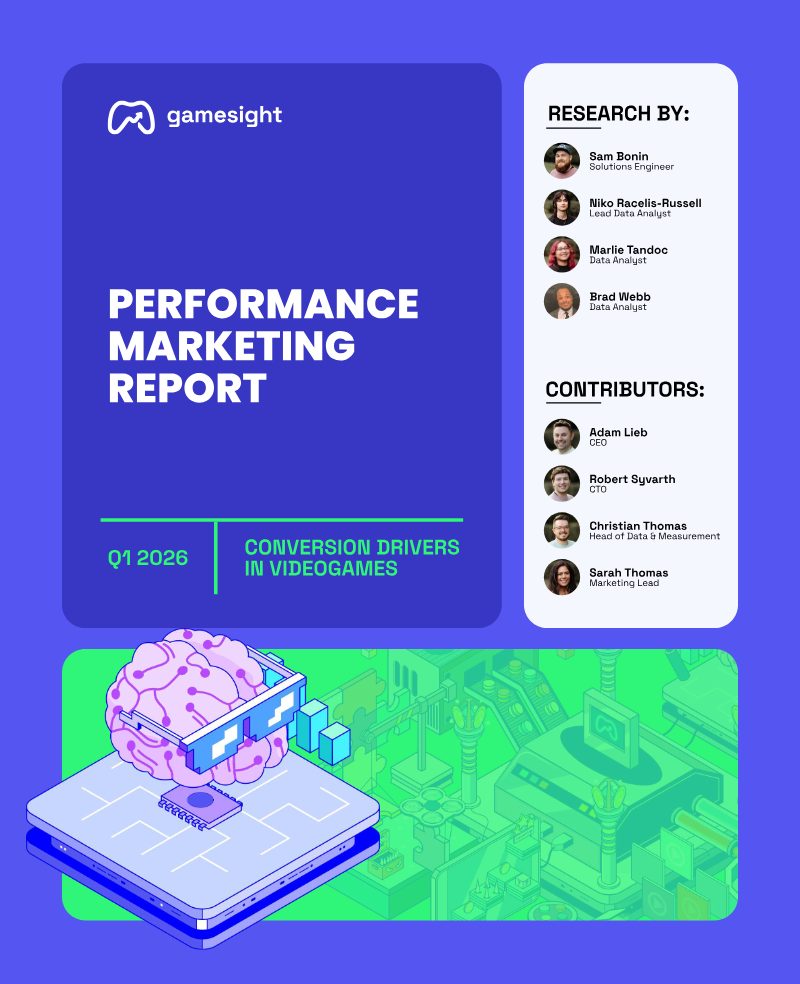
Gamesight · 2026
Sensor Tower · 2026
AppLovin · 2026