
The video game industry has entered a definitive era of remakes and remasters, fueled by a risk-averse development climate and the significant purchasing power of nostalgic Millennial consumers. These projects serve as a strategic hedge against the rising costs of original intellectual property, allowing developers to re-engage dormant fanbases while attracting new audiences through modernized graphics and gameplay. Success in this sector depends heavily on timing and the specific nature of the renewal. Remasters perform most effectively when released within five years of an original title to capitalize on hardware transitions. Conversely, full remakes require a longer gestation period, typically between nine and twenty-five years, to ensure that technological advancements are substantial enough to justify a full-price purchase.
Effective remakes must strike a delicate balance between preservation and modernization. Developers are encouraged to maintain the core essence and iconic moments of a title—such as specific art styles or dialogue—while aggressively updating outdated mechanics like quick-time events. Leveraging contemporary hardware capabilities, such as 3D audio and advanced rendering, is essential for meeting modern player expectations. By aligning these updates with a clear vision for modernization, studios can successfully bridge the gap between historical authenticity and current industry standards.
This 2024 analysis provides a comprehensive overview of the global gaming landscape, focusing on the strategic advantages of revitalizing established franchises. While the findings highlight clear pathways to commercial success through market-tested IPs, the data is intended for informational purposes and reflects the broader trends shaping the current development cycle. Ultimately, the strategic deployment of remakes and remasters reduces financial volatility for studios while ensuring that classic gaming experiences remain accessible and relevant in a rapidly evolving technological environment.
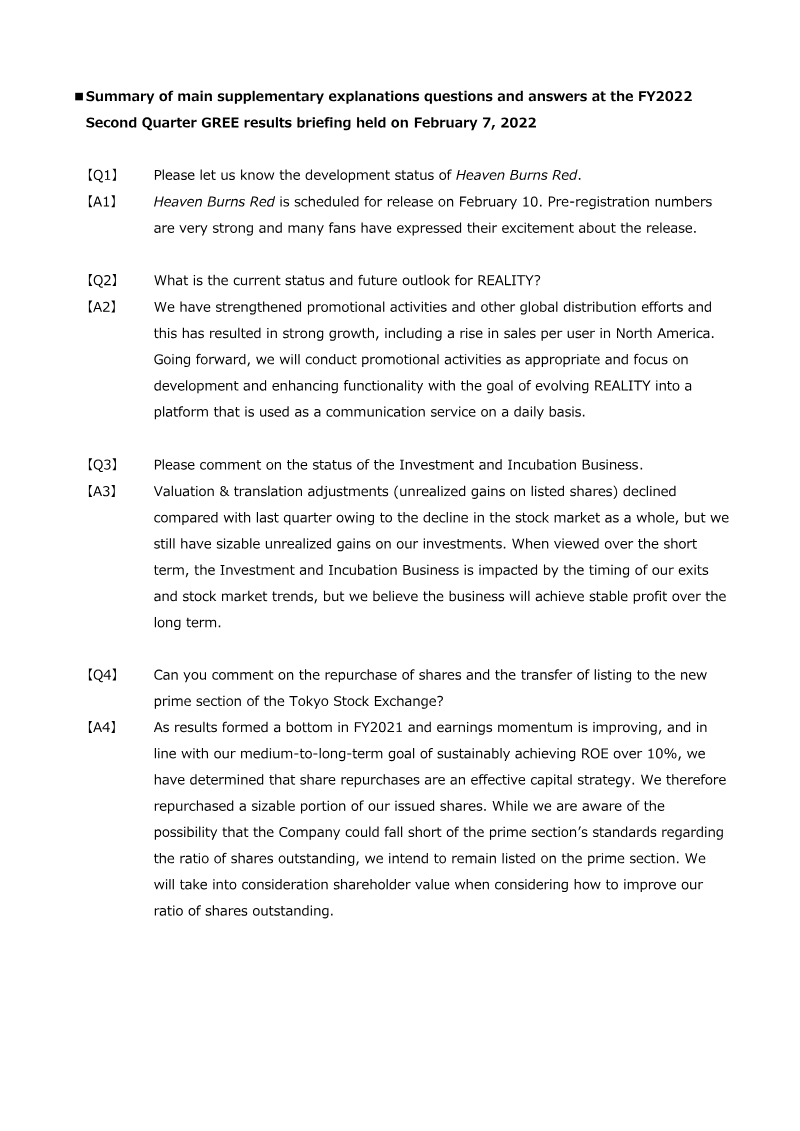
GREE

Almedia · 2026
Poki · 2026

Gamesight · 2026

SocialPeta · 2026

SocialPeta · 2026
Anzu · 2026
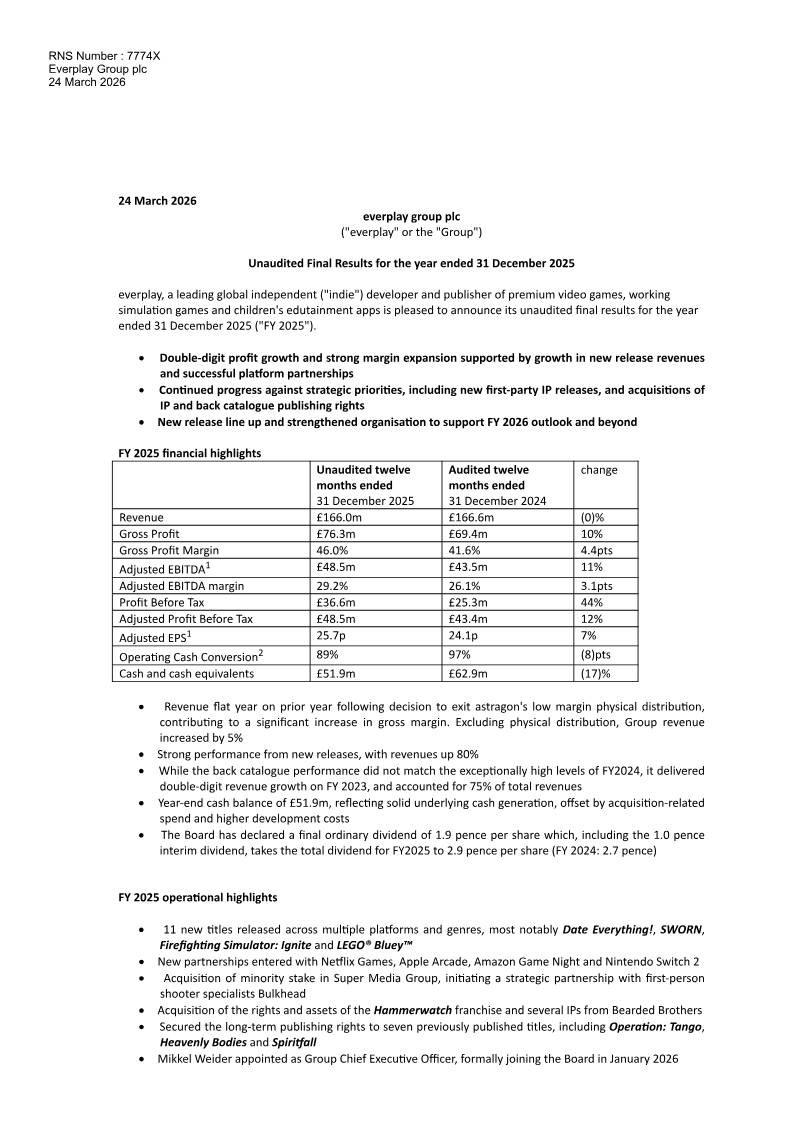
Everplay Group · 2026

Raptive · 2026

InvestGame · 2026

InvestGame · 2026

SocialPeta · 2026